

- BGG-Bewertung
- 6,0
Human Interface: Nakamura Tower – AI Human Hybrid Form 04
- 1–6 Spieler
- 60–180 Min.
- 2016

2016
Regelhilfe für Human Interface: Nakamura Tower
Verständliche Erklärungen zu Spielzügen, Karteneffekten und strittigen Situationen mit Verweisen auf offizielle Quellen und gespeichertem Fragenverlauf.
Was möchtest du wissen?
Antworten stammen aus dem offiziellen Regelheft, mit Seitenangabe zum Nachprüfen.
Human Interface: Nakamura Tower ist ein Brettspiel aus dem Jahr 2016 für 2–6 Personen, mit 60–180 Minuten pro Partie und ab 12 Jahren. Entwickelt wurde es von Rafał Bagiński; die wichtigsten Mechaniken sind Hand Management, Area Movement und Point to Point Movement.
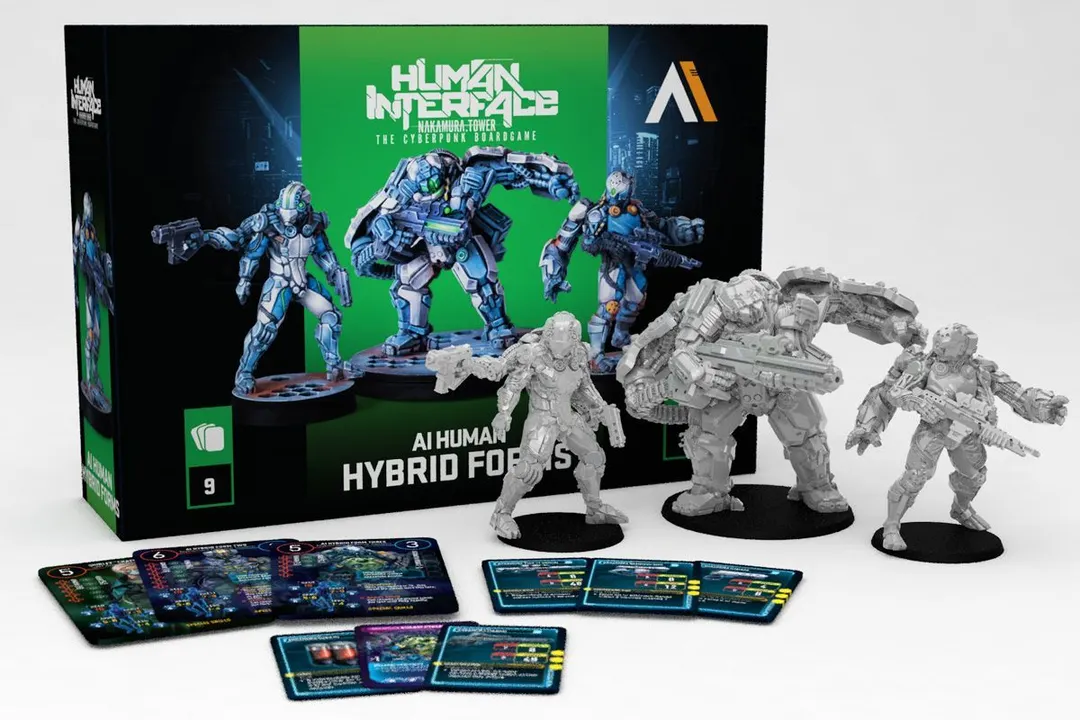
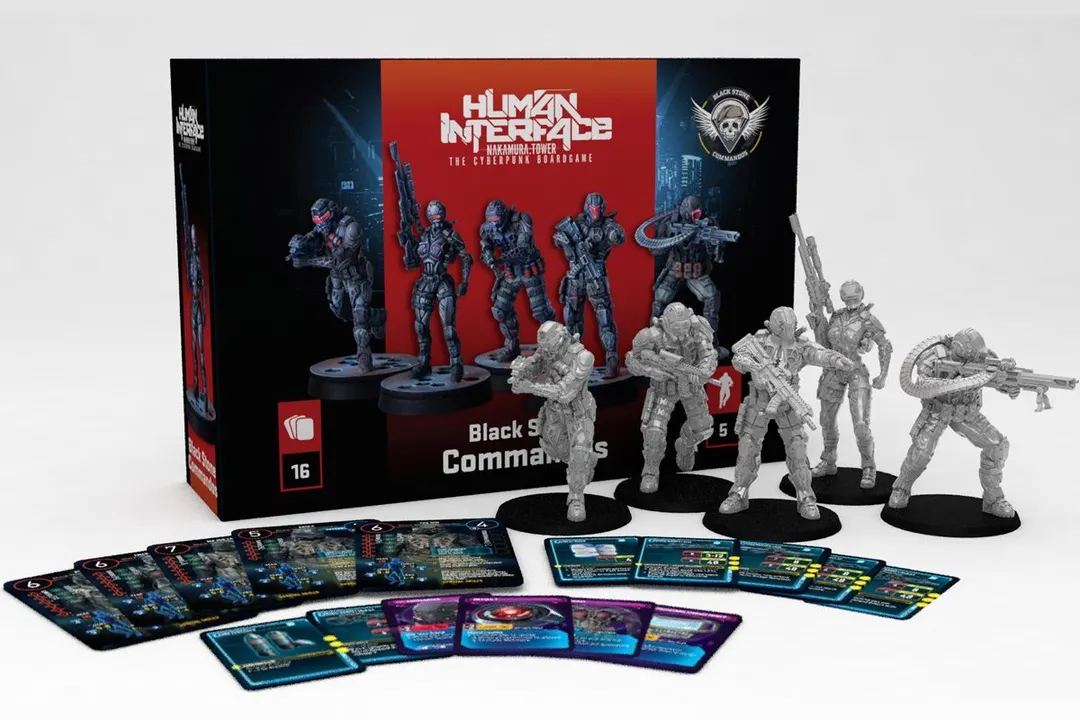
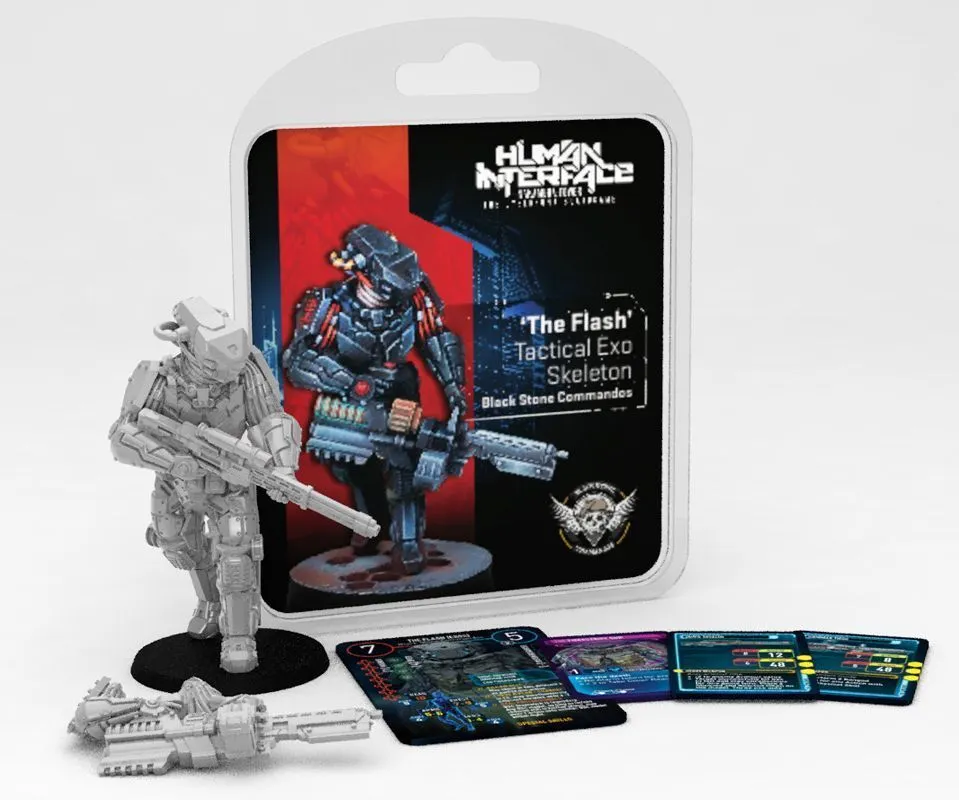
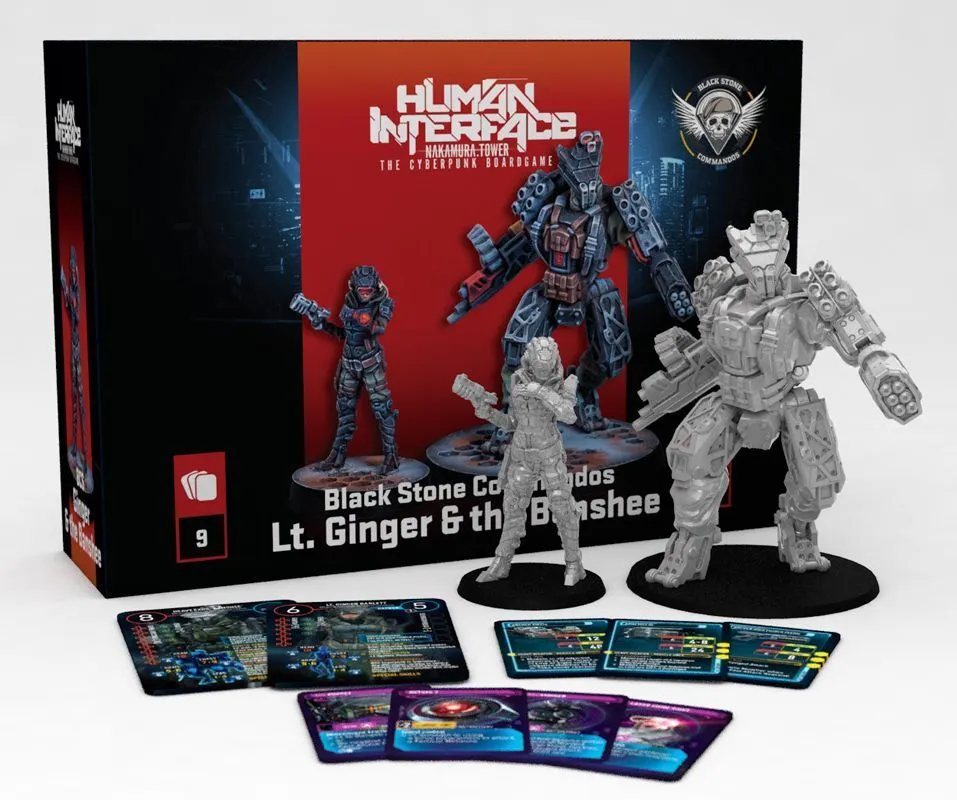



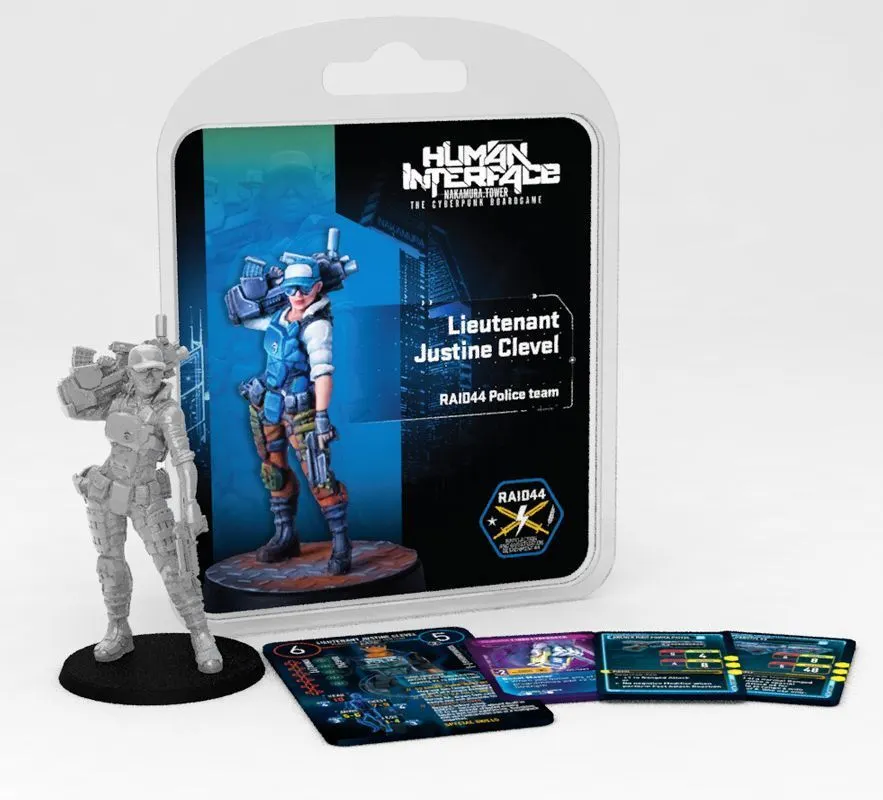


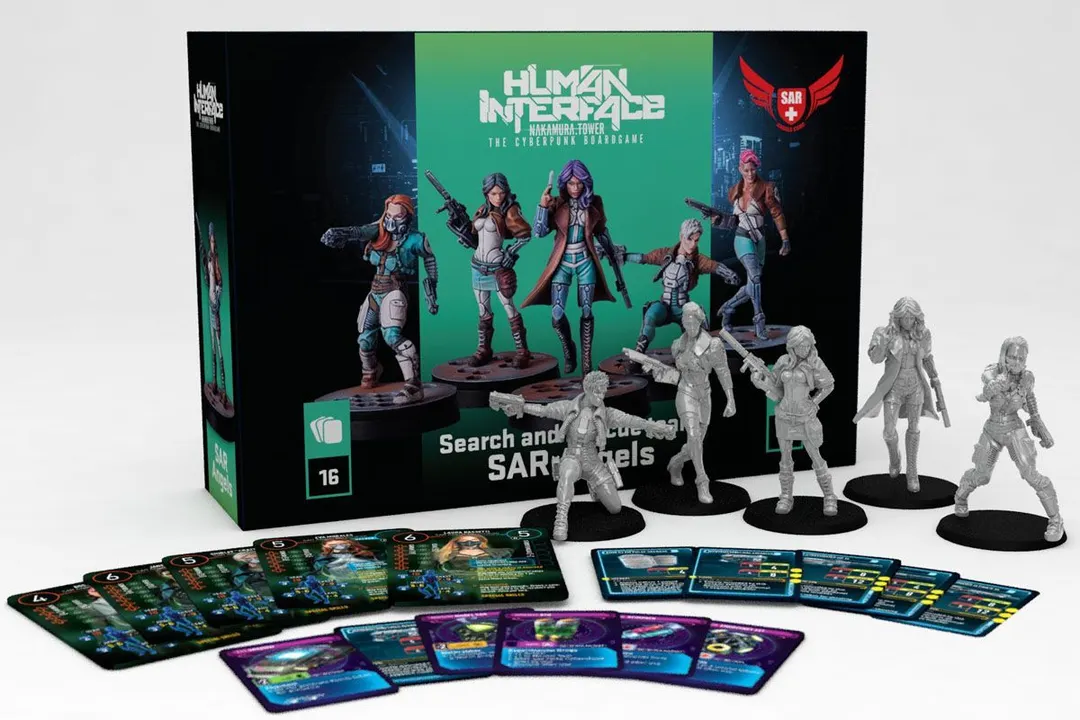
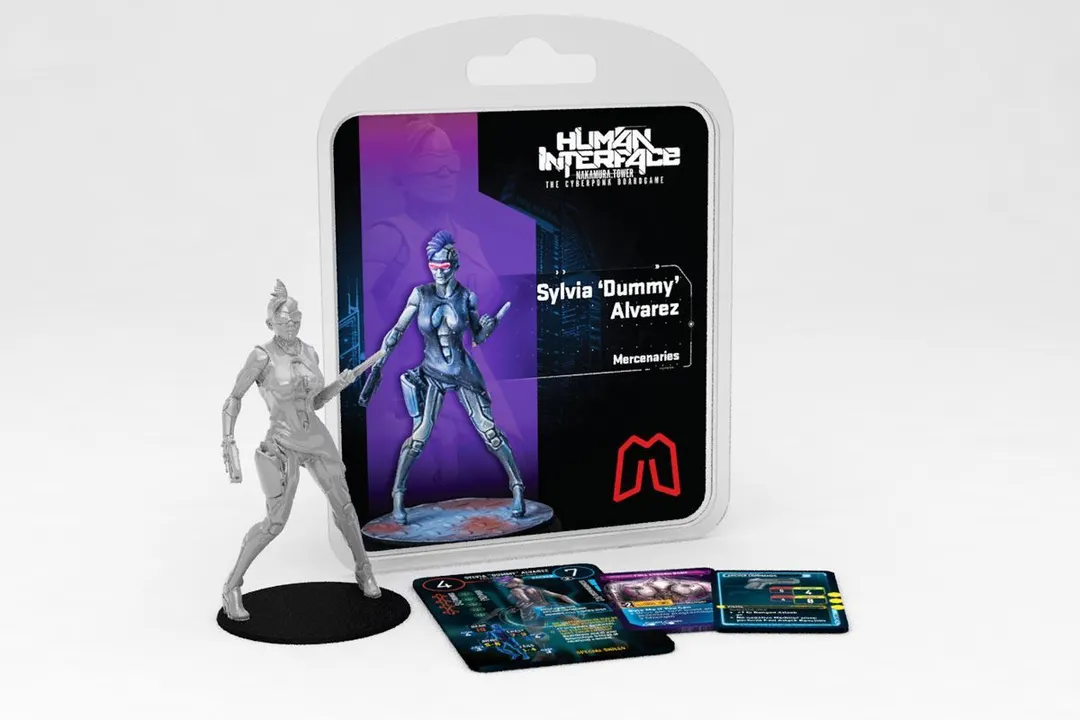





Auf Englisch
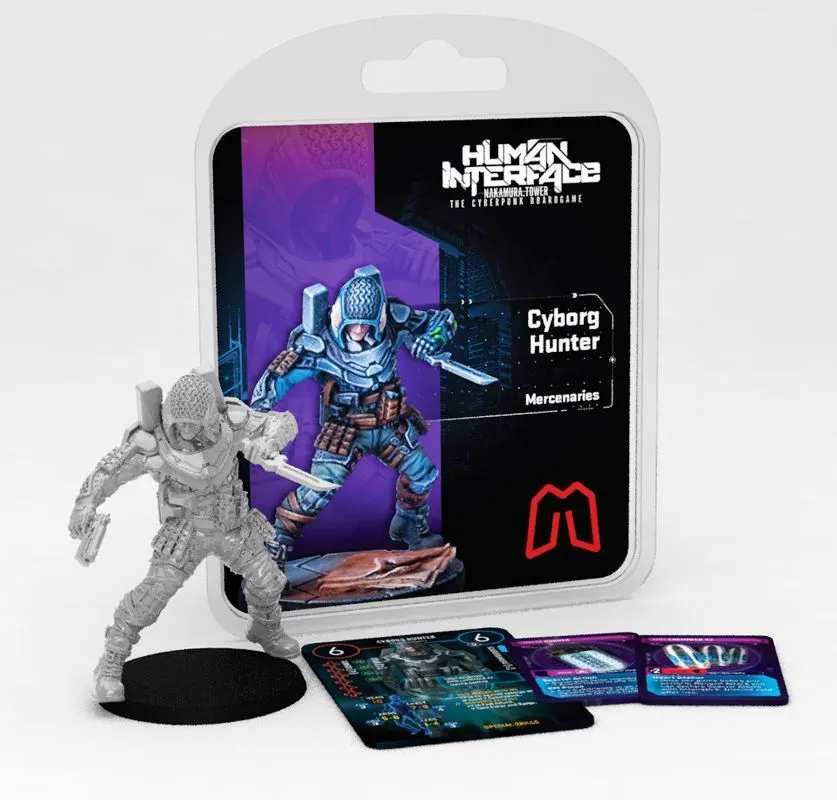
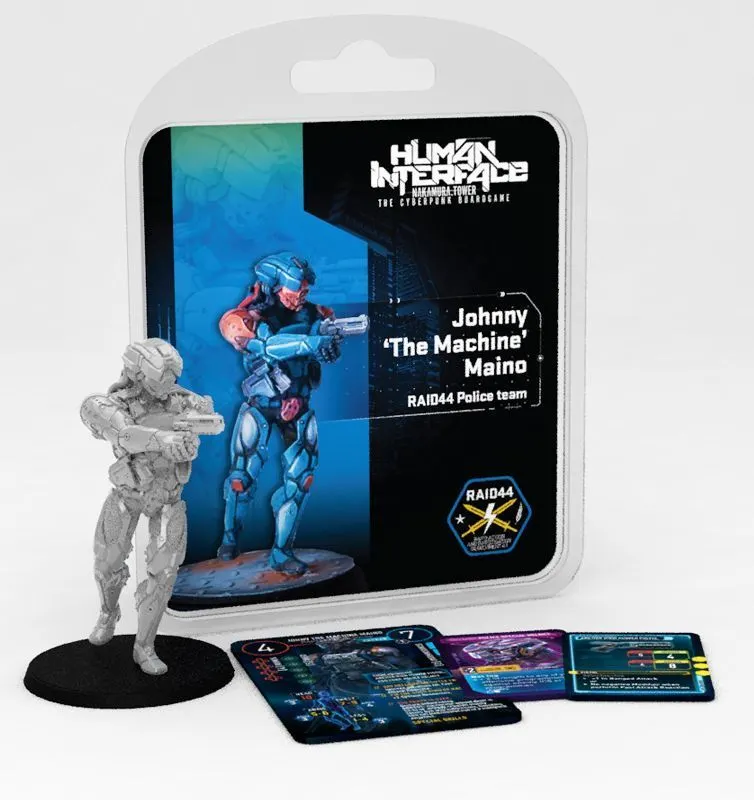
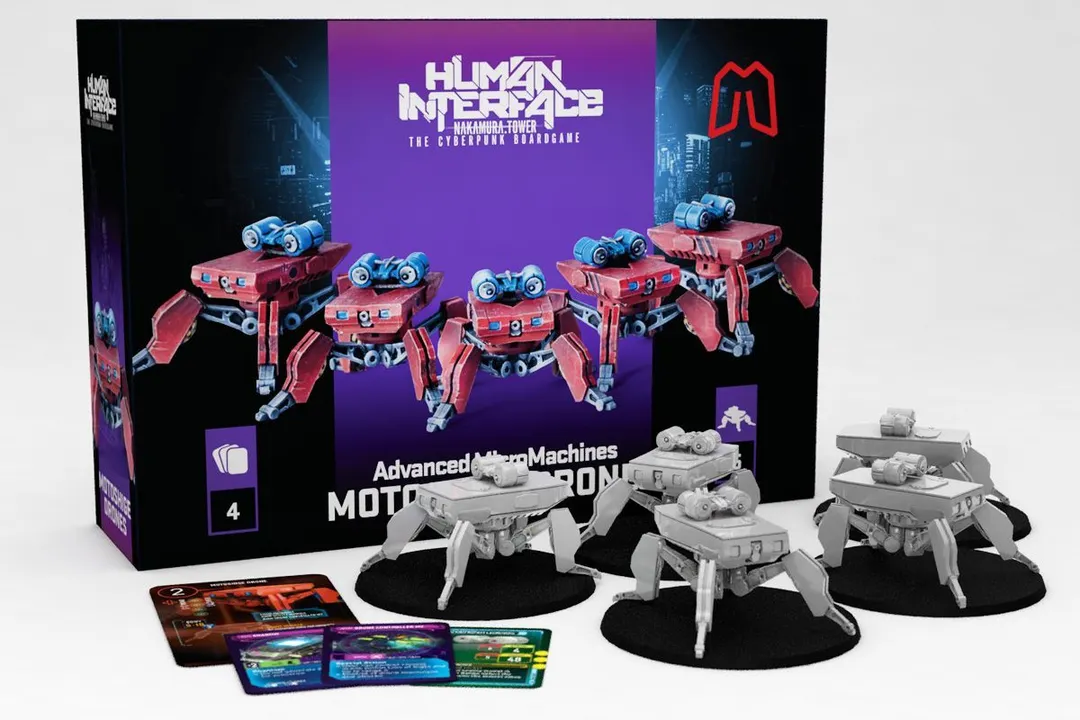
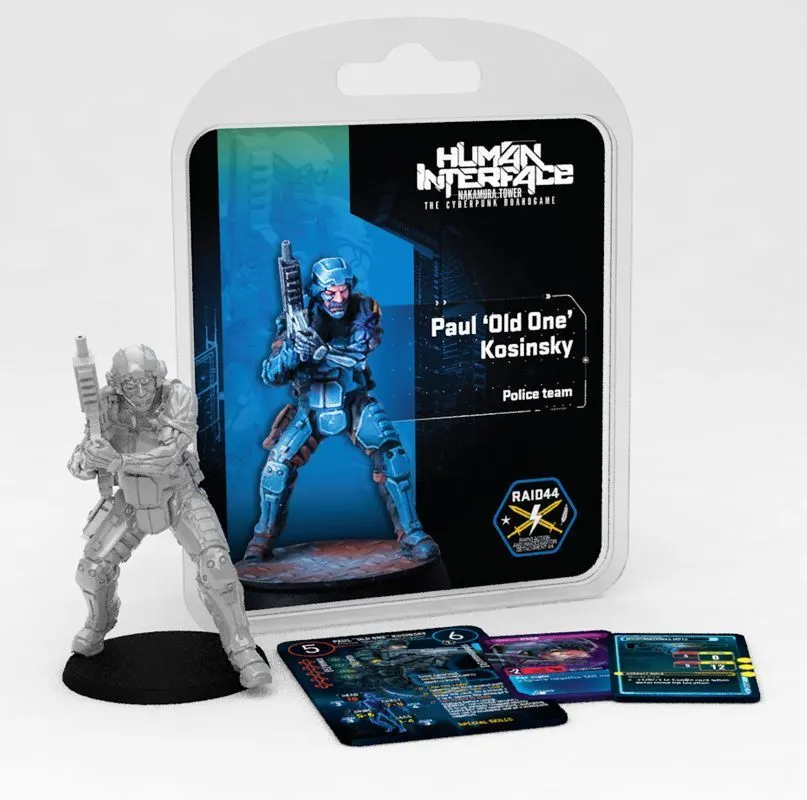
Human Interface: Nakamura Tower (HINT) is a board game that is a unique combination of many elements known from tactical and skirmish games, RPGs and board games. The game is based on a struggle between two powerful megacorporations that takes place in the title tower. HINT is designed for 2+ people but through different scenarios can be played alone, in cooperation or against other players. The story happens in the near future when the world is dominated by new technologies. In HINT you will lead a team of selected professionals of a given faction. Each of them has unique skills and abilities, each one can be given weapons and other equipment, be enhanced genetically or cybernetically. All characteristics and modifiers are presented on special character and equipment cards (you don’t need to constantly flick through the rulebook). Each character card has a limited amount of slots that can be filled with equipment and modifications. The player can purchase additional equipment to replace the current item depending on the “group’s assets”. You may like your heroes or hate them but they will no longer be just anonymous pawns. The game is played on a board showing the interior of the Nakamura corporate tower that is under attack by its rivals. The characters are moved using spaces on the board. This eliminates the need to measure distance when moving and fighting thus quickening the pace of the game and allowing to avoid misunderstandings. Each space presents a specific tactical situation that influences the characters placed on it. Game mechanics are fairly easy as we wanted to achieve a perfect balance between a fun game and rules that enable a lot of tactical possibilities. The basic rules are easy to learn but the possibilities of their use grow significantly in combination with the characters’ skills and capabilities of equipment. The characters are defined by their basic physical and mental abilities and modifiers, which make it easier or more difficult to perform some tasks, that make them unique. These modifiers result from their skills, special training or cyberations and other equipment. The rules do not use any dice and the testing mechanics are based on cards that we call CanDo. The description on the card, its value and colour influence the final result of the test. The numerical value also states the location of a hit and additional effects connected to it.
Laut Katalog unterstützt Human Interface: Nakamura Tower 2–6 Personen. Diese Spanne entspricht der vom Verlag angegebenen Spielerzahl, das Spiel lässt sich also für jede Gruppengröße innerhalb dieser Spanne aufbauen. Aufbau, einzelne Regeln und Wertungsdetails können je nach Personenzahl trotzdem abweichen; prüfe daher die genaue Konfiguration in der Anleitung deiner Ausgabe.
Die angegebene Spieldauer für Human Interface: Nakamura Tower beträgt 60–180 Minuten. Das ist die Schätzung des Verlags für eine vollständige Partie. Die tatsächliche Dauer hängt von der Gruppe, der Personenzahl und der Regelkenntnis ab: Erste Partien dauern meist länger, erfahrene Gruppen sind oft schneller fertig. Aufbau und Regelerklärung sind in dieser Schätzung nicht enthalten.
Im Katalog wird Human Interface: Nakamura Tower ab 12 Jahren empfohlen. Das ist die Empfehlung des Verlags und berücksichtigt Leseanforderungen, Regelkomplexität und Kleinteile, nicht nur das Thema. Jüngere Kinder können oft mit Hilfe eines Erwachsenen mitspielen; beachte die Altersangabe deiner Ausgabe und die Brettspielerfahrung deiner Gruppe.
Human Interface: Nakamura Tower hat bei BoardGameGeek eine Komplexitätswertung von 3,7 von 5 und gilt damit als mittelschweres Spiel. Die Wertung zeigt, wie viel Regelwissen, Planung und Entscheidungen eine typische Partie verlangt. Schwerere Spiele brauchen bei der ersten Erklärung mehr Zeit, daher hilft vor dem Spieleabend eine Vorbereitungsanleitung.
Human Interface: Nakamura Tower gehört zu diesen Kategorien: Wargame und Science Fiction. Die wichtigsten Mechaniken sind Hand Management, Area Movement und Point to Point Movement. Kategorien beschreiben Thema und Setting eines Spiels, Mechaniken dagegen, was die Spielenden in ihrem Zug tatsächlich tun. Jede Mechanik führt zu einer Katalogseite mit ähnlichen Spielen, falls du etwas Vergleichbares suchst.
Als Autoren von Human Interface: Nakamura Tower sind angegeben: Rafał Bagiński. Diese Angaben stammen aus den veröffentlichten Spieldaten und nennen die für das Spieldesign verantwortlichen Personen, nicht die Illustratoren oder Verlage. Die Autorenseiten auf MeepleRules sammeln weitere Titel derselben Autoren – praktisch, wenn dir ein Spiel gefällt und du ähnliche Spiele suchst.
Im Katalog ist Human Interface: Nakamura Tower als Grundspiel aufgeführt. Es lässt sich eigenständig mit dem Material aus der Schachtel spielen und benötigt keinen weiteren Titel. Erweiterungen, sofern es welche gibt, ergänzen neues Material oder neue Regeln und sind im Katalog separat mit einem Verweis auf dieses Grundspiel aufgeführt.