
- BGG-Rang
- BGG #5.719
- BGG-Bewertung
- 8,2
Nightfighter Ace: Air Defense Over Germany, 1943-44
- 1–2 Spieler
- 120–180 Min.
- Komplexität 2,3/5
- 2018
2019
Regelhilfe für Pacific Tide: The United States Versus Japan, 1941-45
Verständliche Erklärungen zu Spielzügen, Karteneffekten und strittigen Situationen mit Verweisen auf offizielle Quellen und gespeichertem Fragenverlauf.
Für 1 Person
Was möchtest du wissen?
Antworten stammen aus dem offiziellen Regelheft, mit Seitenangabe zum Nachprüfen.
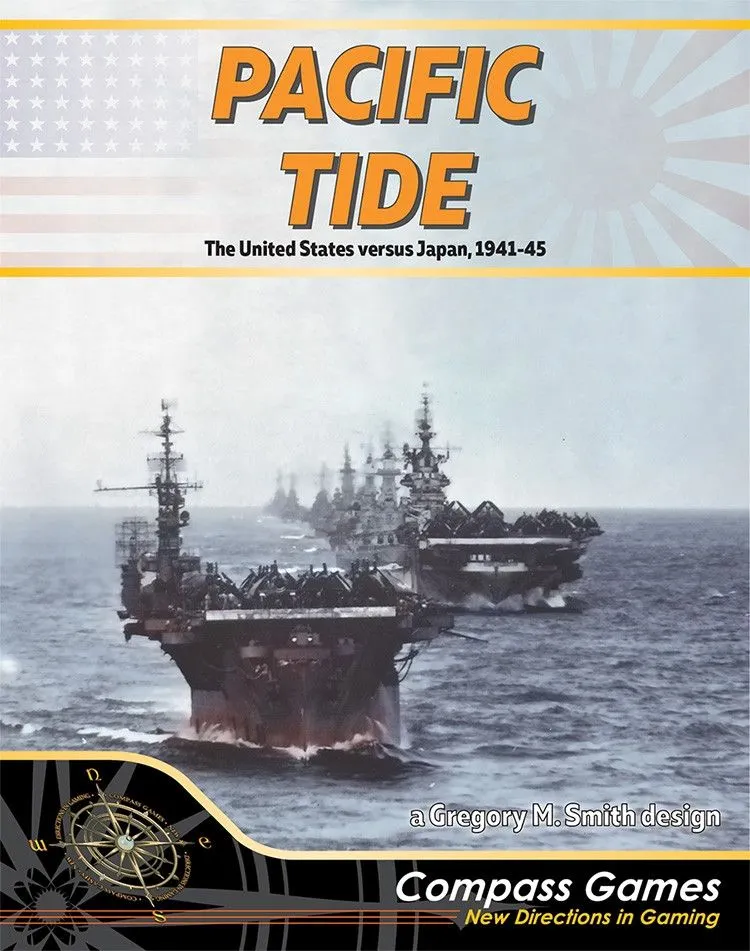
Pacific Tide: The United States Versus Japan, 1941-45 ist ein Brettspiel aus dem Jahr 2019 für 1–2 Personen, mit 120–240 Minuten pro Partie und ab 14 Jahren. Entwickelt wurde es von Gregory M. Smith; die wichtigsten Mechaniken sind Area Movement, Dice Rolling und Point to Point Movement.
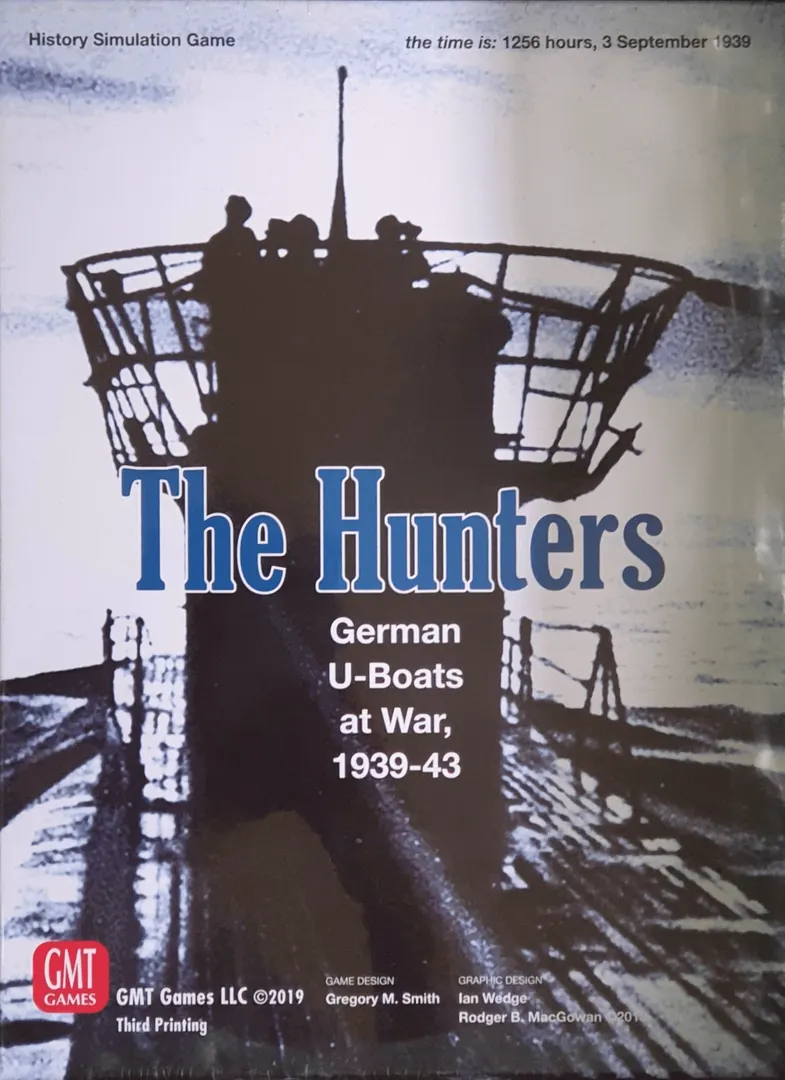
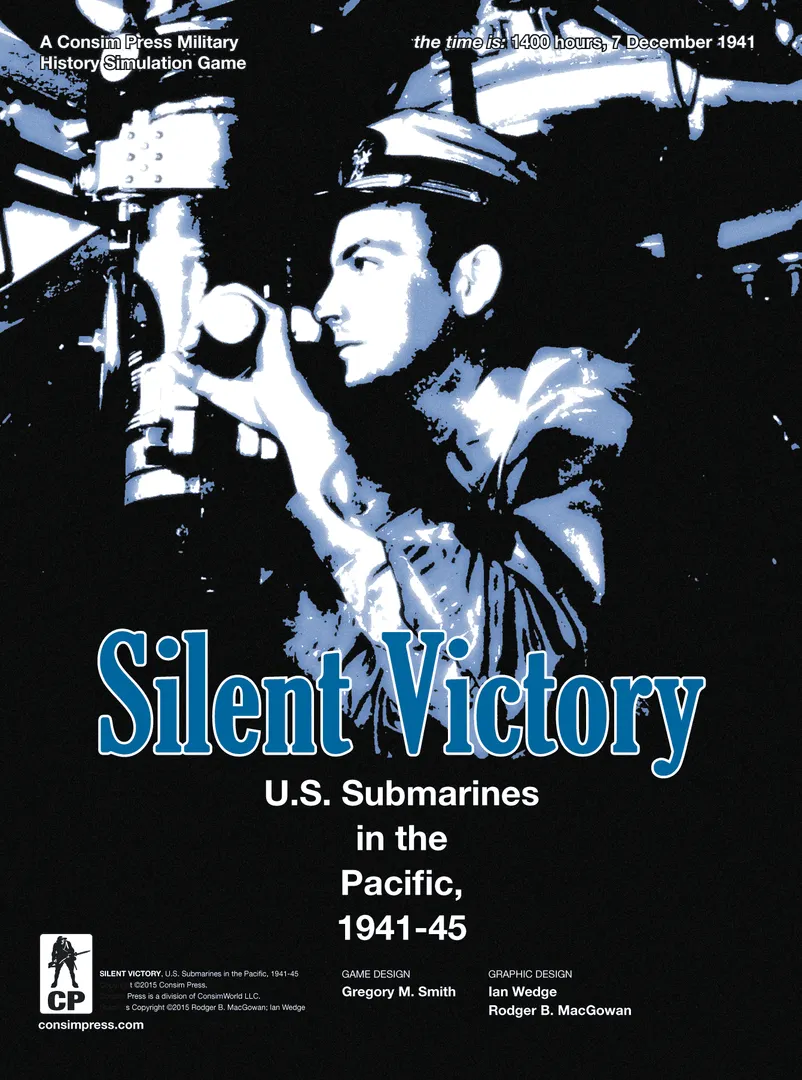
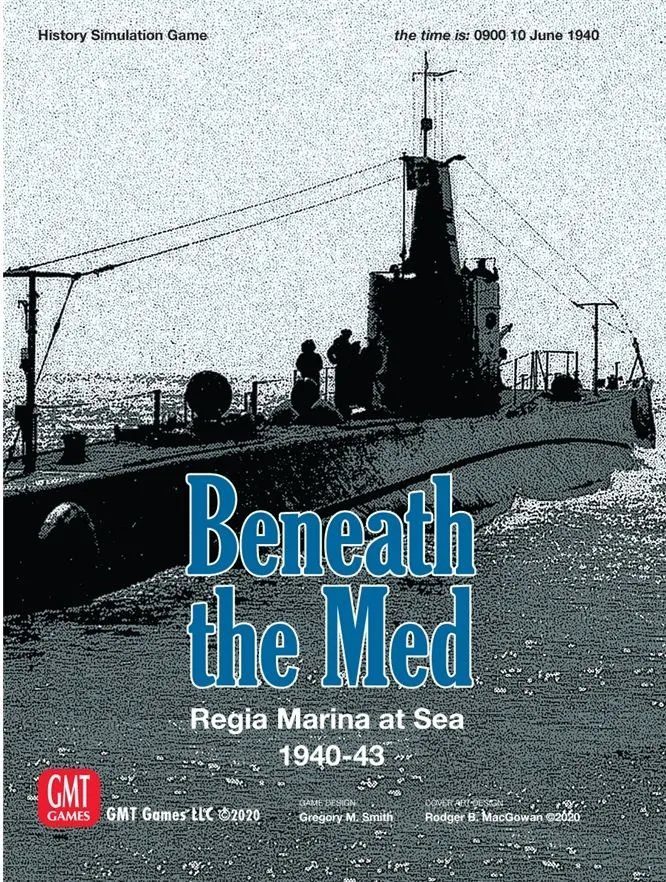
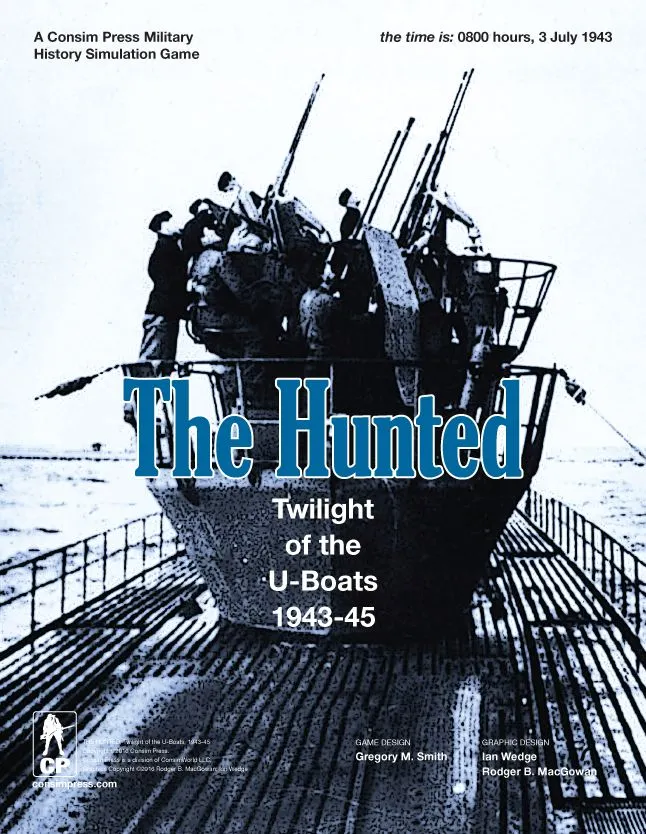
Auf Englisch
Pacific Tide: The United States versus Japan, 1941-45 is a compact, Strategic-level board wargame covering the struggle between the United States (including some Commonwealth forces) and Japan in World War II by game designer Gregory M. Smith. This game utilizes a unique and fast-paced, card-driven combat/build system revolving around carrier operations which will provide players with a multitude of decisions. While extremely competitive as a two-player game, Pacific Tide can be enjoyed again and again in Solitaire play format with its unique, “personality” driven bot system. Despite the Strategic level of the game, there are operational and even tactical nuances, as players must decide when and how to commit their carrier forces, land-based air, and even their intelligence assets. To a degree, the Japanese player is racing against the clock. The quality of his pilots degrades over time, and starting in 1943, he also loses the strategic initiative as he becomes the second player. The US Player is also fighting the clock, as he cannot sit back and take a relaxed approach to defeating Japan. If he doesn't win by 1945, he doesn't win at all. Tension build as both sides race toward decisive carrier battles and seizure of key geographical objectives. The card-based combat/build system is a different take on the "normal" event/operations points driven systems. Separate card decks are provided for the U.S. and Japanese player. Each year, the players receive that year's cards for free…but must use build points to repurchase older cards. This will cause the player a few agonizing moments, as he typically cannot afford to re-buy every card he needs (or thinks he needs). Players must also decide which aspect of cards to use – many have multiple but exclusive uses (such as, "Do A or do B") and these uses sometimes give very different results based on operational or strategic needs at the time. To help ensure a tense and dynamic game, the system forces players to make many choices and decisions throughout play. Units comprise five different types: • CV units represent individual carriers or small groups of escort carriers • INF units represent all types of ground combat troops, including Marine and Army units • Naval Air units represent carrier borne aircraft • Land Air units represent bombers and fighters based on land • Partisan units represent the Filipino resistance, which grew to considerable size by the end of the war • Campaign set up and reinforcement codes are printed on the counter • Enhanced ergonomics are built into the set up and reinforcement charts Control and Entrench markers are also provided for play. Special rules are provided for amphibious attacks, repair of fleets, supply effects, and guerillas. Bidding rules determine which side one will play in a tournament-style play format. As a bonus for solo players, Pacific Tide features a solitaire assistant – commonly known as a "Bot" – which gives guidance to the player for either side during solitaire play. The assistant acts differently based on the "personality" it's been given...aggressive, defensive, or balanced. All game cards have a rating which the assistants will prioritize differently for play. While extremely competitive as a two-player game, Pacific Tide can be enjoyed again and again in solitaire play format with its unique, “personality” driven Bot-system. Product Information: Complexity: 3 out of 10 Solitaire Suitability: 10 out of 10 Time Scale: Single Year Turns with alternating, multiple cards plays per player Map Scale: Area map Unit Scale: from individual carriers or carrier groups, fleets, army-level infantry, air groups Players: one to two, best with two Playing Time: two to four hours Components: One map (17" x 22" map size) One Countersheet of 9/16” unit-counters 52 Game Cards Rules booklet 16 Six-sided Dice Box and Lid Game Credits: Designer: Gregory M. Smith Artist: Ilya Kudriashov Package Design: Ilya Kudriashov and Brien Miller Project Director: John Kranz
Laut Katalog unterstützt Pacific Tide: The United States Versus Japan, 1941-45 1–2 Personen. Diese Spanne entspricht der vom Verlag angegebenen Spielerzahl, das Spiel lässt sich also für jede Gruppengröße innerhalb dieser Spanne aufbauen. Aufbau, einzelne Regeln und Wertungsdetails können je nach Personenzahl trotzdem abweichen; prüfe daher die genaue Konfiguration in der Anleitung deiner Ausgabe.
Die angegebene Spieldauer für Pacific Tide: The United States Versus Japan, 1941-45 beträgt 120–240 Minuten. Das ist die Schätzung des Verlags für eine vollständige Partie. Die tatsächliche Dauer hängt von der Gruppe, der Personenzahl und der Regelkenntnis ab: Erste Partien dauern meist länger, erfahrene Gruppen sind oft schneller fertig. Aufbau und Regelerklärung sind in dieser Schätzung nicht enthalten.
Im Katalog wird Pacific Tide: The United States Versus Japan, 1941-45 ab 14 Jahren empfohlen. Das ist die Empfehlung des Verlags und berücksichtigt Leseanforderungen, Regelkomplexität und Kleinteile, nicht nur das Thema. Jüngere Kinder können oft mit Hilfe eines Erwachsenen mitspielen; beachte die Altersangabe deiner Ausgabe und die Brettspielerfahrung deiner Gruppe.
Pacific Tide: The United States Versus Japan, 1941-45 hat bei BoardGameGeek eine Komplexitätswertung von 2,1 von 5 und gilt damit als eher leichtes Spiel. Die Wertung zeigt, wie viel Regelwissen, Planung und Entscheidungen eine typische Partie verlangt. Schwerere Spiele brauchen bei der ersten Erklärung mehr Zeit, daher hilft vor dem Spieleabend eine Vorbereitungsanleitung.
Pacific Tide: The United States Versus Japan, 1941-45 gehört zu diesen Kategorien: Wargame, Nautical und World War II. Die wichtigsten Mechaniken sind Area Movement, Dice Rolling und Point to Point Movement. Kategorien beschreiben Thema und Setting eines Spiels, Mechaniken dagegen, was die Spielenden in ihrem Zug tatsächlich tun. Jede Mechanik führt zu einer Katalogseite mit ähnlichen Spielen, falls du etwas Vergleichbares suchst.
Als Autoren von Pacific Tide: The United States Versus Japan, 1941-45 sind angegeben: Gregory M. Smith. Diese Angaben stammen aus den veröffentlichten Spieldaten und nennen die für das Spieldesign verantwortlichen Personen, nicht die Illustratoren oder Verlage. Die Autorenseiten auf MeepleRules sammeln weitere Titel derselben Autoren – praktisch, wenn dir ein Spiel gefällt und du ähnliche Spiele suchst.
Im Katalog ist Pacific Tide: The United States Versus Japan, 1941-45 als Grundspiel aufgeführt. Es lässt sich eigenständig mit dem Material aus der Schachtel spielen und benötigt keinen weiteren Titel. Erweiterungen, sofern es welche gibt, ergänzen neues Material oder neue Regeln und sind im Katalog separat mit einem Verweis auf dieses Grundspiel aufgeführt.