

- BGG-Rang
- BGG #9.028
- BGG-Bewertung
- 7,2
Great War at Sea: Jutland
- 2 Spieler
- 30–120 Min.
- Komplexität 3,1/5
- 2006
Regelhilfe für Second World War at Sea: Spice Islands
Verständliche Erklärungen zu Spielzügen, Karteneffekten und strittigen Situationen mit Verweisen auf offizielle Quellen und gespeichertem Fragenverlauf.
Was möchtest du wissen?
Antworten stammen aus dem offiziellen Regelheft, mit Seitenangabe zum Nachprüfen.
Second World War at Sea: Spice Islands ist eine Erweiterung für Second World War at Sea: Eastern Fleet aus dem Jahr 2009 für 1–2 Personen, mit 30 Minuten pro Partie und ab 12 Jahren. Entwickelt wurde es von Michael Bennighof und Doug McNair.



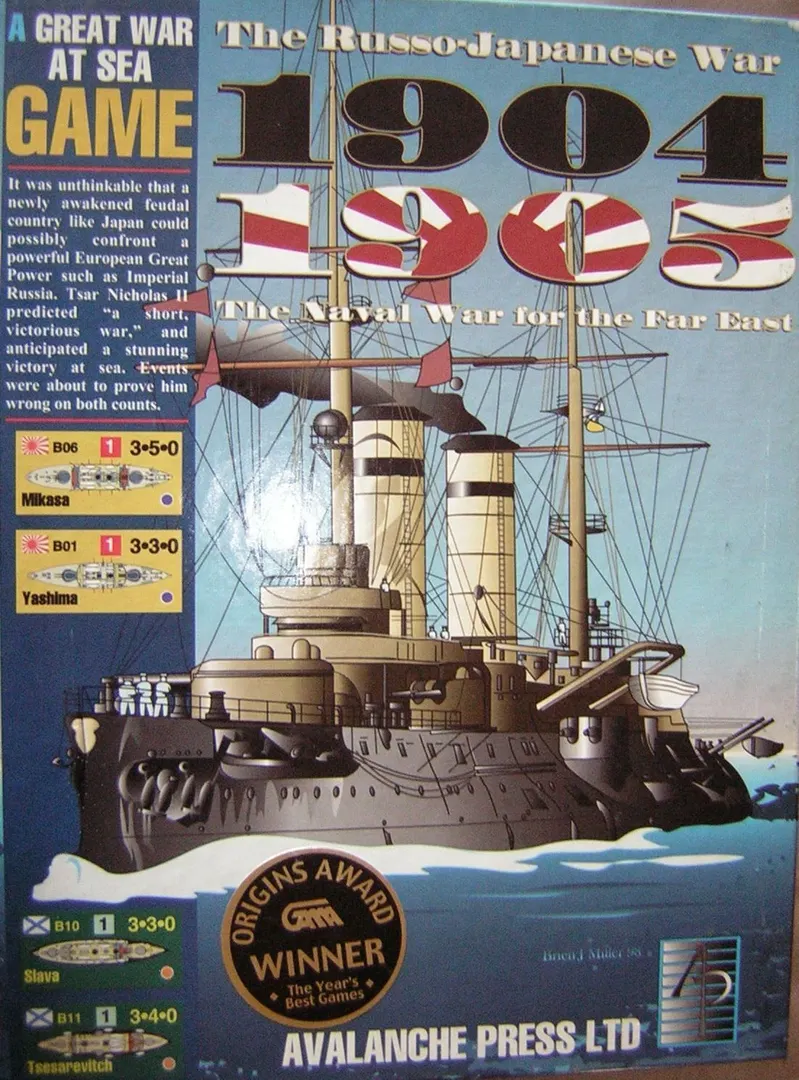
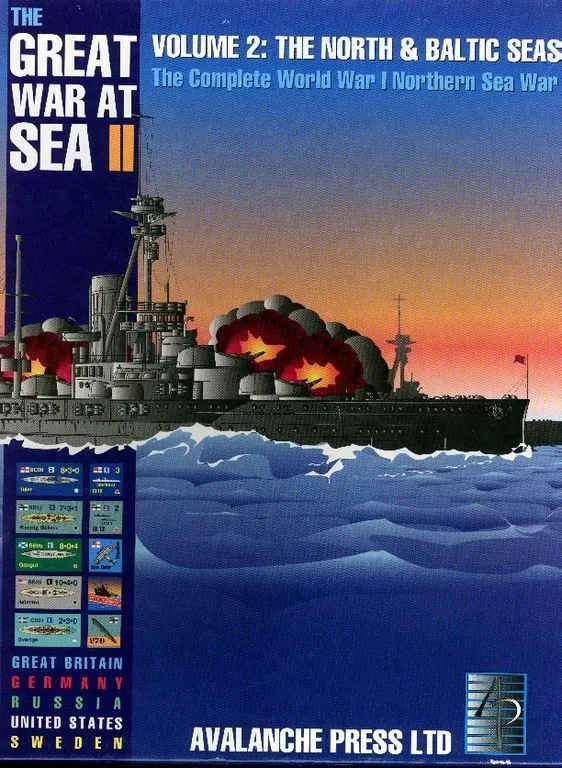
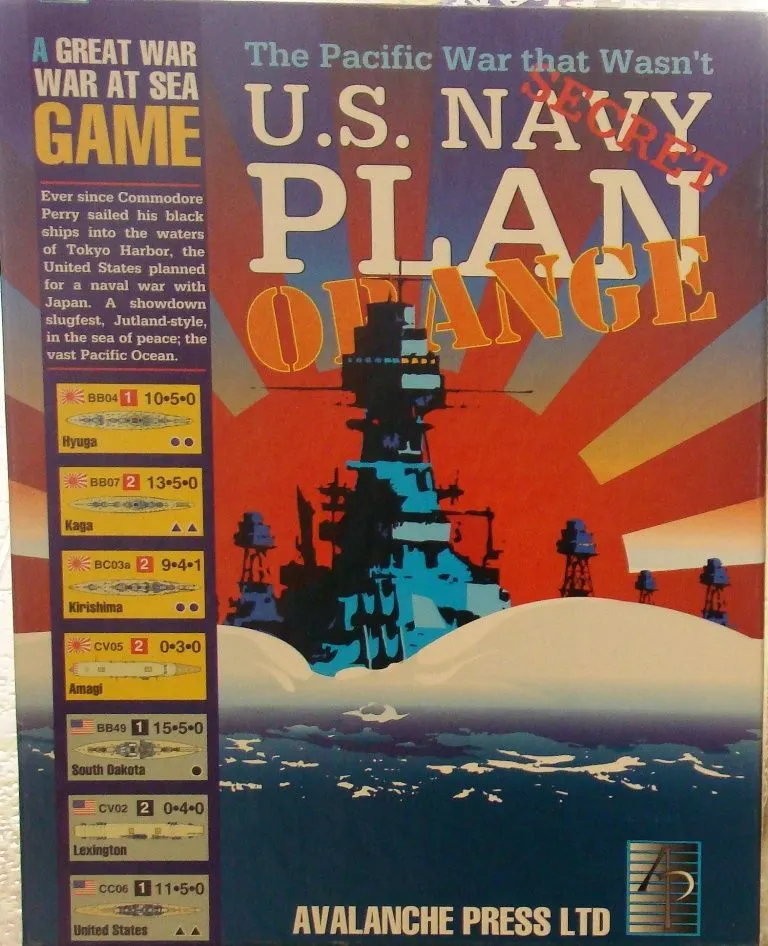
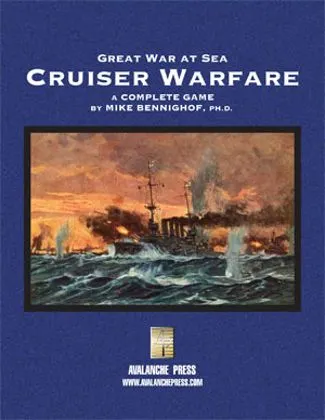
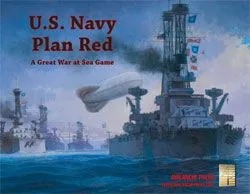
Auf Englisch
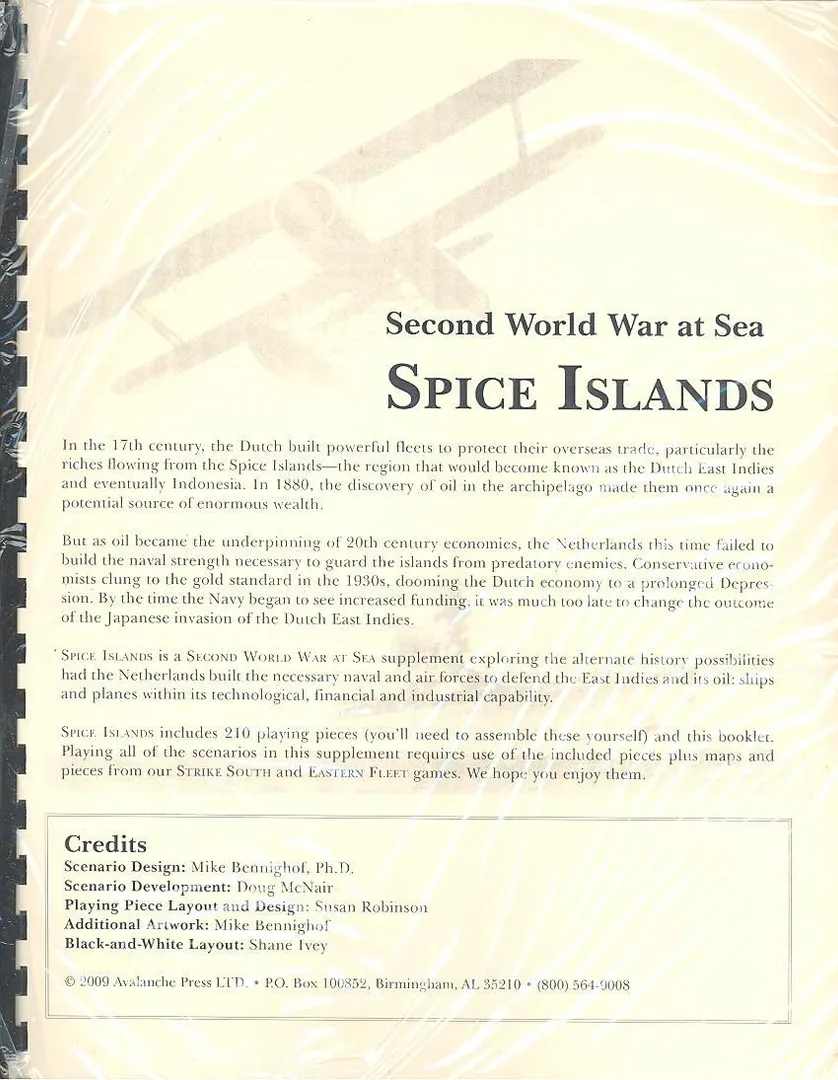
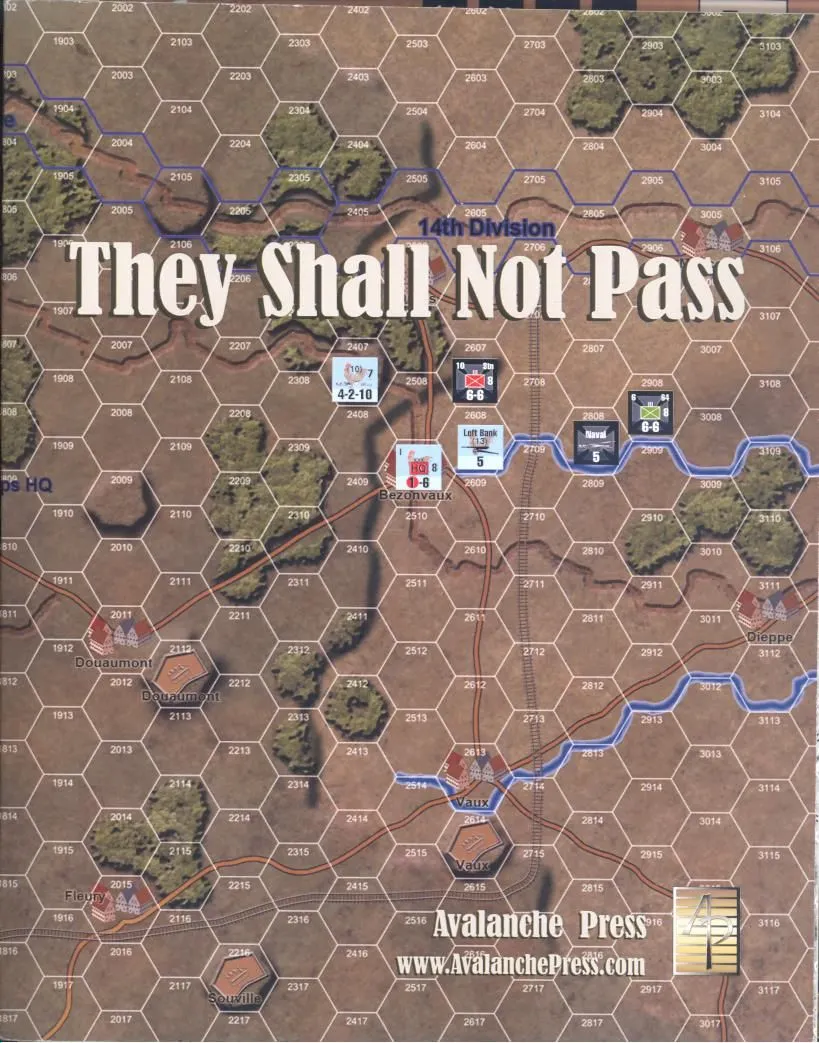
From the Avalanche Press website: In the 17th century, the Dutch built powerful fleets to protect their overseas trade, particularly the riches flowing from the Spice Islands — the region that would become known as the Dutch East Indies and eventually Indonesia. In 1880, the discovery of oil in the archipelago made them once again a potential source of enormous wealth. But as oil became the underpinning of 20th century economies, the Netherlands this time failed to build the naval strength necessary to guard the islands from predatory enemies. Conservative economists clung to the gold standard in the 1930s, dooming the Dutch economy to a prolonged Depression. By the time the Navy began to see increased funding, it was much too late to change the outcome of the Japanese invasion of the Dutch East Indies. In the 1930s, Dutch shipyards stood at the leading edge of naval technology: Dutch submarines first deployed the schnorkel breathing device, for example, and Dutch warships boasted the sophisticated Hazemeyer fire control system that would be enthusiastically copied by the Royal Navy and others. The Netherlands had the means to create a large and modern fleet, and the oil wealth of Borneo and Sumatra provided the motive. But by seeing deficits as a more lethal enemy than the Axis, the government doomed both the home country and the colonies to defeat and occupation. Spice Islands is a Second World War at Sea supplement exploring the alternate history possibilities had the Netherlands built the necessary naval and air forces to defend the East Indies and its oil: ships and planes within its financial and industrial capability. The supplement includes ten scenarios, or separate game situations, based on battles that might have been waged by the Royal Netherlands Navy against the Japanese. The pieces represent modernized versions of the dreadnought battleships planned but not completed, and some of those planned or discussed but never built. This module is not playable by itself, but requires ownership of Strike South to play most of the scenarios and Midway to enjoy all of them." Spice Islands was originally sold exclusively via pdf download. Starting in 2011, it was made available as a printed and spiral-bound booklet with die-cut counters. There are 210 counters, 70 long "ship" units, and 140 smaller ship, aircraft and fleet / base units.
Laut Katalog unterstützt Second World War at Sea: Spice Islands 1–2 Personen. Diese Spanne entspricht der vom Verlag angegebenen Spielerzahl, das Spiel lässt sich also für jede Gruppengröße innerhalb dieser Spanne aufbauen. Aufbau, einzelne Regeln und Wertungsdetails können je nach Personenzahl trotzdem abweichen; prüfe daher die genaue Konfiguration in der Anleitung deiner Ausgabe.
Die angegebene Spieldauer für Second World War at Sea: Spice Islands beträgt 30 Minuten. Das ist die Schätzung des Verlags für eine vollständige Partie. Die tatsächliche Dauer hängt von der Gruppe, der Personenzahl und der Regelkenntnis ab: Erste Partien dauern meist länger, erfahrene Gruppen sind oft schneller fertig. Aufbau und Regelerklärung sind in dieser Schätzung nicht enthalten.
Im Katalog wird Second World War at Sea: Spice Islands ab 12 Jahren empfohlen. Das ist die Empfehlung des Verlags und berücksichtigt Leseanforderungen, Regelkomplexität und Kleinteile, nicht nur das Thema. Jüngere Kinder können oft mit Hilfe eines Erwachsenen mitspielen; beachte die Altersangabe deiner Ausgabe und die Brettspielerfahrung deiner Gruppe.
Second World War at Sea: Spice Islands hat bei BoardGameGeek eine Komplexitätswertung von 3,0 von 5 und gilt damit als mittelschweres Spiel. Die Wertung zeigt, wie viel Regelwissen, Planung und Entscheidungen eine typische Partie verlangt. Schwerere Spiele brauchen bei der ersten Erklärung mehr Zeit, daher hilft vor dem Spieleabend eine Vorbereitungsanleitung.
Second World War at Sea: Spice Islands gehört zu diesen Kategorien: Wargame, Nautical und World War II. Kategorien beschreiben Thema, Setting und Stil eines Spiels, nicht seine Regeln. Filtere den Katalog nach derselben Kategorie, um ähnliche Spiele zu finden, wenn dir Second World War at Sea: Spice Islands gefallen hat und du etwas Vergleichbares für den nächsten Spieleabend suchst.
Als Autoren von Second World War at Sea: Spice Islands sind angegeben: Michael Bennighof und Doug McNair. Diese Angaben stammen aus den veröffentlichten Spieldaten und nennen die für das Spieldesign verantwortlichen Personen, nicht die Illustratoren oder Verlage. Die Autorenseiten auf MeepleRules sammeln weitere Titel derselben Autoren – praktisch, wenn dir ein Spiel gefällt und du ähnliche Spiele suchst.
Im Katalog ist Second World War at Sea: Spice Islands als Erweiterung zu Second World War at Sea: Eastern Fleet aufgeführt. Erweiterungen ergänzen das Grundspiel um neues Material, neue Regeln oder Szenarien und sind meist nicht eigenständig spielbar; du brauchst also Second World War at Sea: Eastern Fleet, um sie zu nutzen. Prüfe, ob deine Ausgabe von Second World War at Sea: Eastern Fleet kompatibel ist, da manche Erweiterungen zwischen den Auflagen überarbeitet wurden.