
- BGG-Rang
- BGG #16.824
- BGG-Bewertung
- 8,4
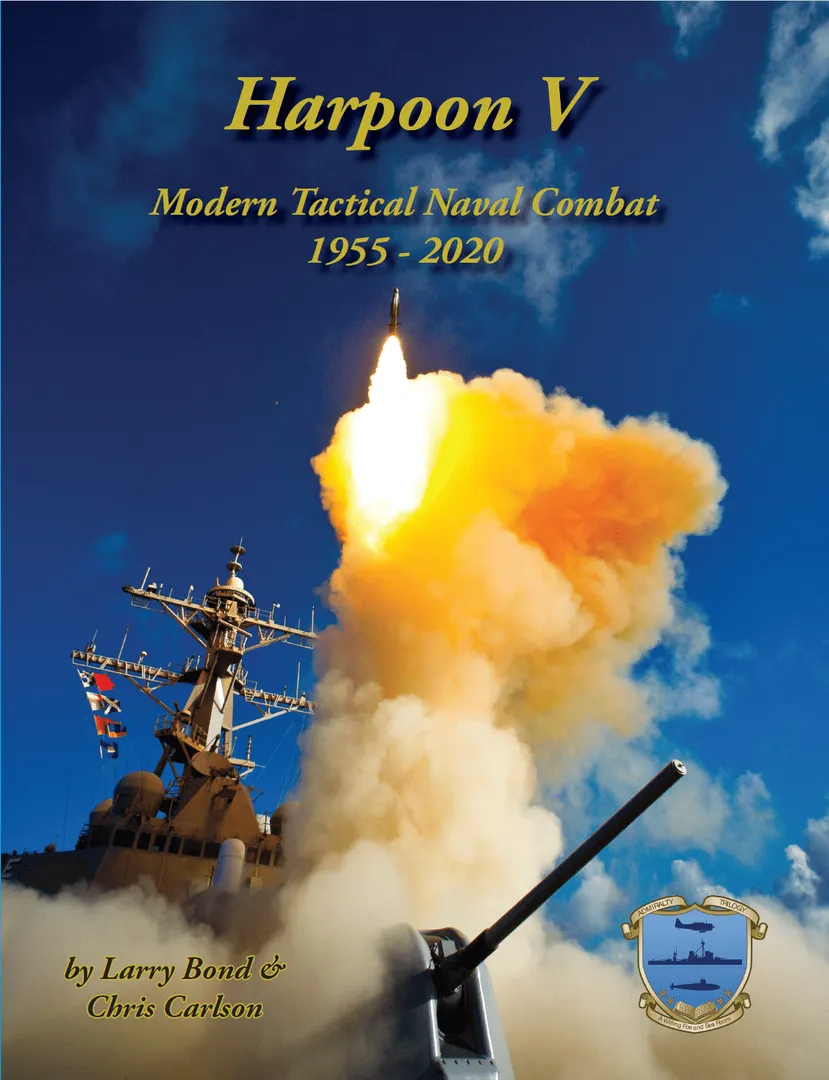
Harpoon V: Modern Tactical Naval Combat 1955 - 2020
- 1–8 Spieler
- 150 Min.
- Komplexität 4,0/5
- 2020
Erweiterung für Command at Sea: 4th Edition – War at Sea 1926-1955
1995
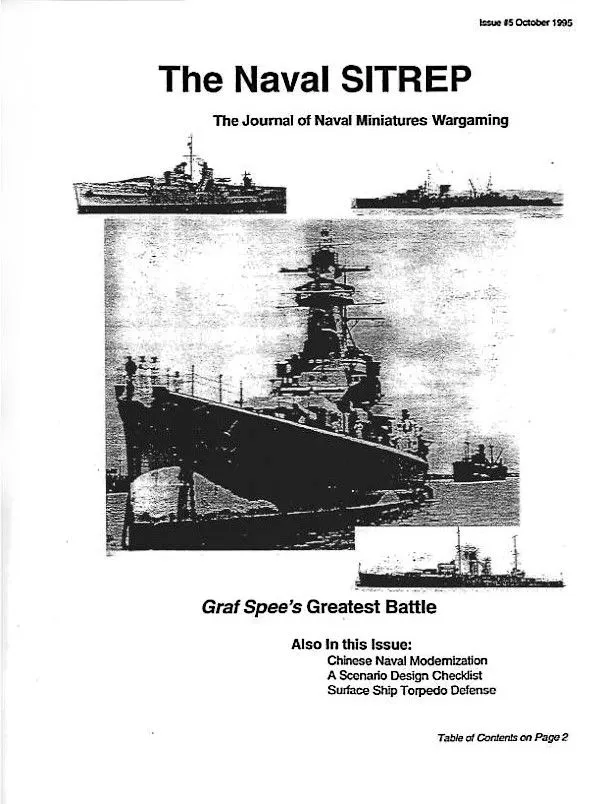
Regelhilfe für The Naval SITREP: The Journal of Naval Miniatures Wargaming #5
Verständliche Erklärungen zu Spielzügen, Karteneffekten und strittigen Situationen mit Verweisen auf offizielle Quellen und gespeichertem Fragenverlauf.
Was möchtest du wissen?
Antworten stammen aus dem offiziellen Regelheft, mit Seitenangabe zum Nachprüfen.
The Naval SITREP: The Journal of Naval Miniatures Wargaming #5 ist eine Erweiterung für Command at Sea: 4th Edition – War at Sea 1926-1955 aus dem Jahr 1995 für 2–8 Personen, mit 60 Minuten pro Partie und ab 12 Jahren. Entwickelt wurde es von Larry Bond und Chris Carlson; die wichtigsten Mechaniken sind Dice Rolling.

Auf Englisch
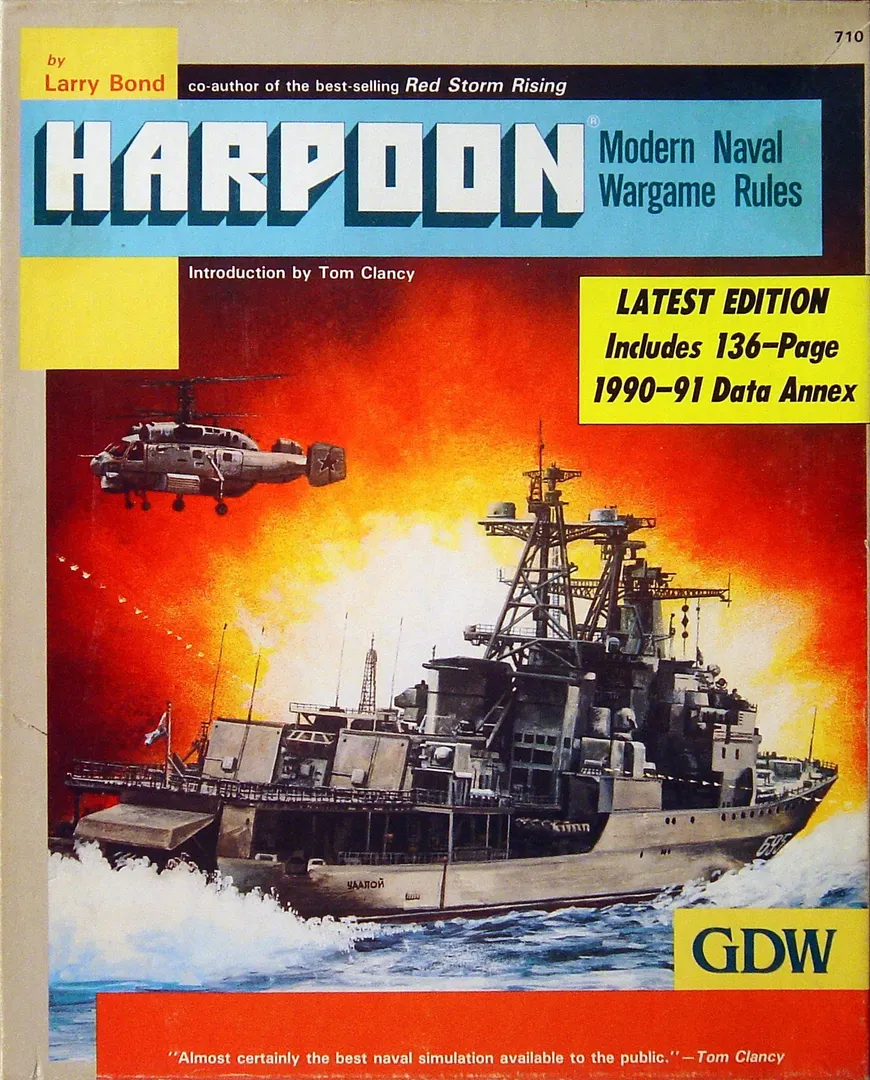
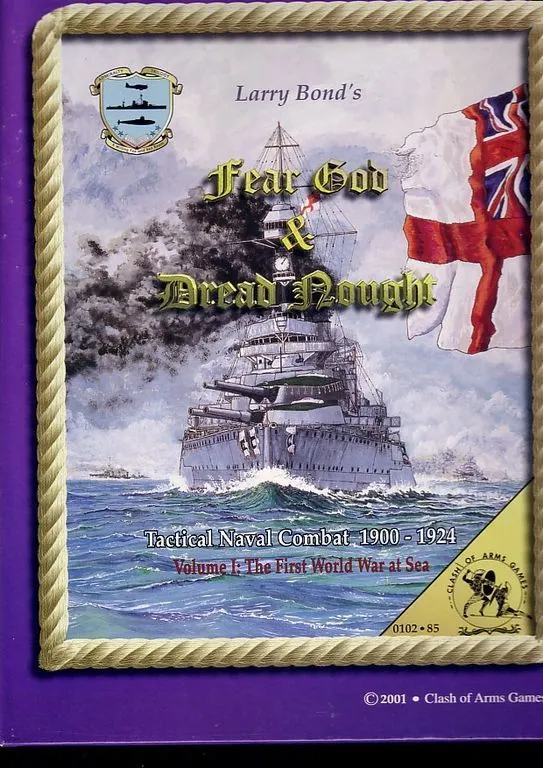
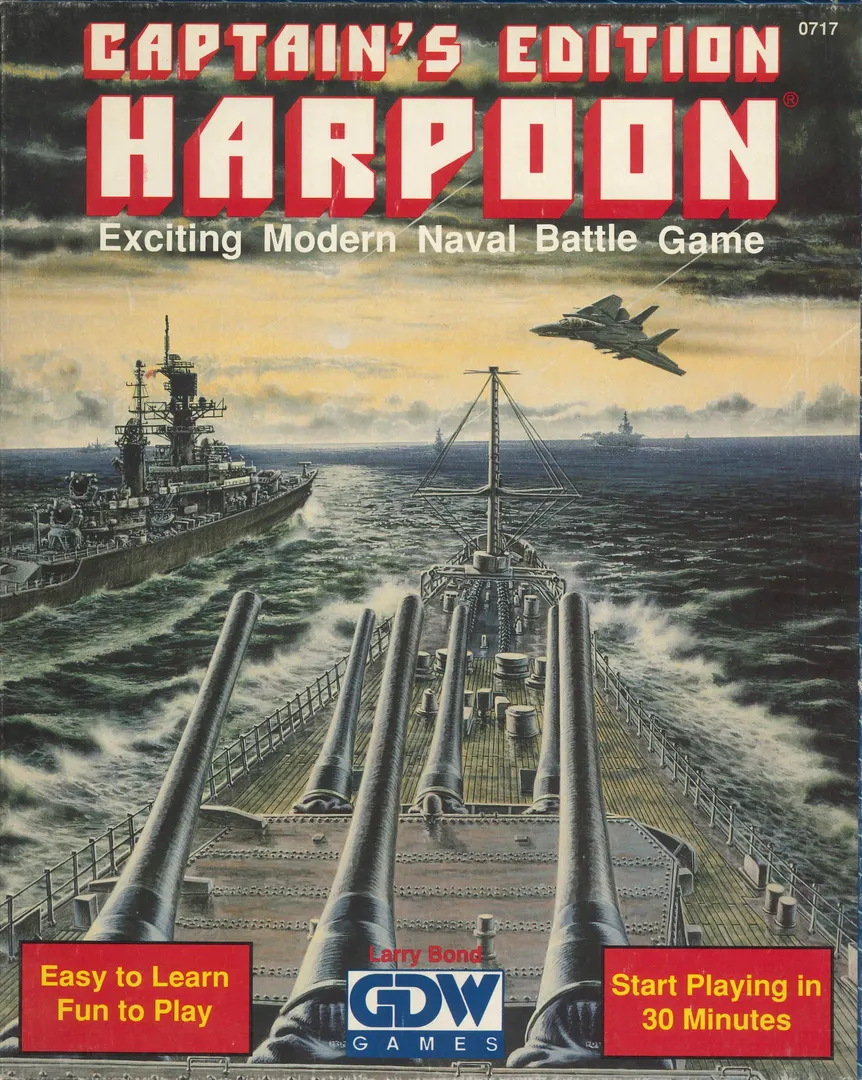
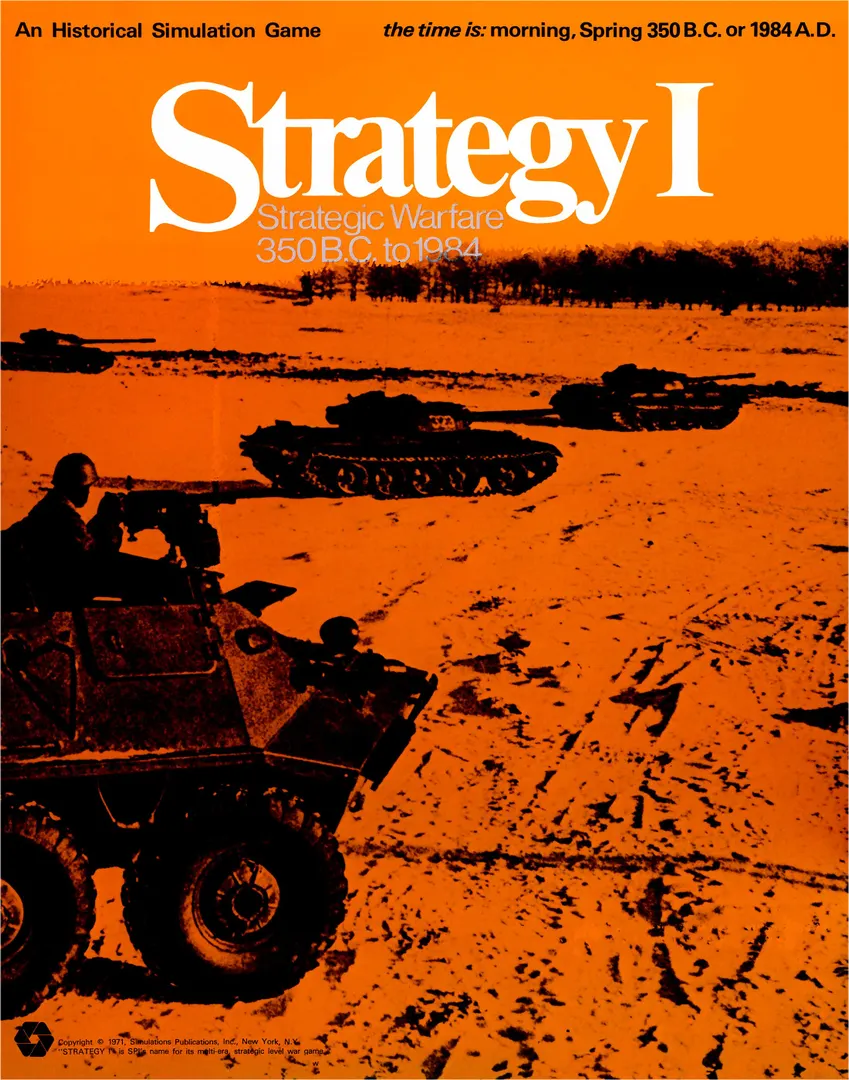
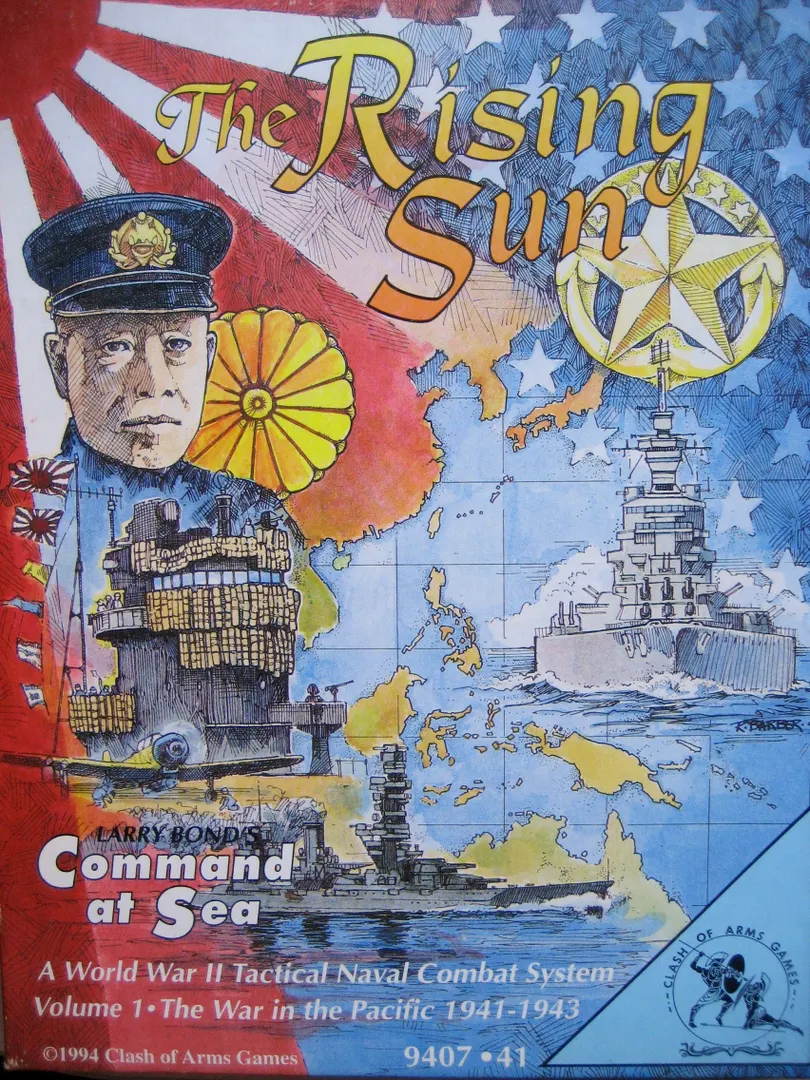
The Naval SITREP is published twice a year by the Admiralty Trilogy Group. It supports the Admiralty Trilogy game system (Fear God and Dread Naught, Command at Sea and Harpoon) with scenarios, articles on history and technology, and rules expansions & corrections. The Naval SITREP Issue #5 was published in October 1995. Table of contents: Command at Sea scenario: Graff Spee's greatest battle Korean counter correction Northeast gaming group Merchan ships size classes HNR: Request for Submissions China's small step foward Wake isand defense update Surface ship torpedo defense Scenario component checklist Kitbash corner an upgraded Graff Spee Platform Specifcations Chinese Zhanjiang class Chinese F-8 II Finback B German Graff Spee British Short Sunderland
Laut Katalog unterstützt The Naval SITREP: The Journal of Naval Miniatures Wargaming #5 2–8 Personen. Diese Spanne entspricht der vom Verlag angegebenen Spielerzahl, das Spiel lässt sich also für jede Gruppengröße innerhalb dieser Spanne aufbauen. Aufbau, einzelne Regeln und Wertungsdetails können je nach Personenzahl trotzdem abweichen; prüfe daher die genaue Konfiguration in der Anleitung deiner Ausgabe.
Die angegebene Spieldauer für The Naval SITREP: The Journal of Naval Miniatures Wargaming #5 beträgt 60 Minuten. Das ist die Schätzung des Verlags für eine vollständige Partie. Die tatsächliche Dauer hängt von der Gruppe, der Personenzahl und der Regelkenntnis ab: Erste Partien dauern meist länger, erfahrene Gruppen sind oft schneller fertig. Aufbau und Regelerklärung sind in dieser Schätzung nicht enthalten.
Im Katalog wird The Naval SITREP: The Journal of Naval Miniatures Wargaming #5 ab 12 Jahren empfohlen. Das ist die Empfehlung des Verlags und berücksichtigt Leseanforderungen, Regelkomplexität und Kleinteile, nicht nur das Thema. Jüngere Kinder können oft mit Hilfe eines Erwachsenen mitspielen; beachte die Altersangabe deiner Ausgabe und die Brettspielerfahrung deiner Gruppe.
The Naval SITREP: The Journal of Naval Miniatures Wargaming #5 gehört zu diesen Kategorien: Wargame, Miniatures und Nautical. Die wichtigsten Mechaniken sind Dice Rolling. Kategorien beschreiben Thema und Setting eines Spiels, Mechaniken dagegen, was die Spielenden in ihrem Zug tatsächlich tun. Jede Mechanik führt zu einer Katalogseite mit ähnlichen Spielen, falls du etwas Vergleichbares suchst.
Als Autoren von The Naval SITREP: The Journal of Naval Miniatures Wargaming #5 sind angegeben: Larry Bond und Chris Carlson. Diese Angaben stammen aus den veröffentlichten Spieldaten und nennen die für das Spieldesign verantwortlichen Personen, nicht die Illustratoren oder Verlage. Die Autorenseiten auf MeepleRules sammeln weitere Titel derselben Autoren – praktisch, wenn dir ein Spiel gefällt und du ähnliche Spiele suchst.
Im Katalog ist The Naval SITREP: The Journal of Naval Miniatures Wargaming #5 als Erweiterung zu Command at Sea: 4th Edition – War at Sea 1926-1955 aufgeführt. Erweiterungen ergänzen das Grundspiel um neues Material, neue Regeln oder Szenarien und sind meist nicht eigenständig spielbar; du brauchst also Command at Sea: 4th Edition – War at Sea 1926-1955, um sie zu nutzen. Prüfe, ob deine Ausgabe von Command at Sea: 4th Edition – War at Sea 1926-1955 kompatibel ist, da manche Erweiterungen zwischen den Auflagen überarbeitet wurden.