
- BGG rank
- BGG #588
- BGG rating
- 8.1
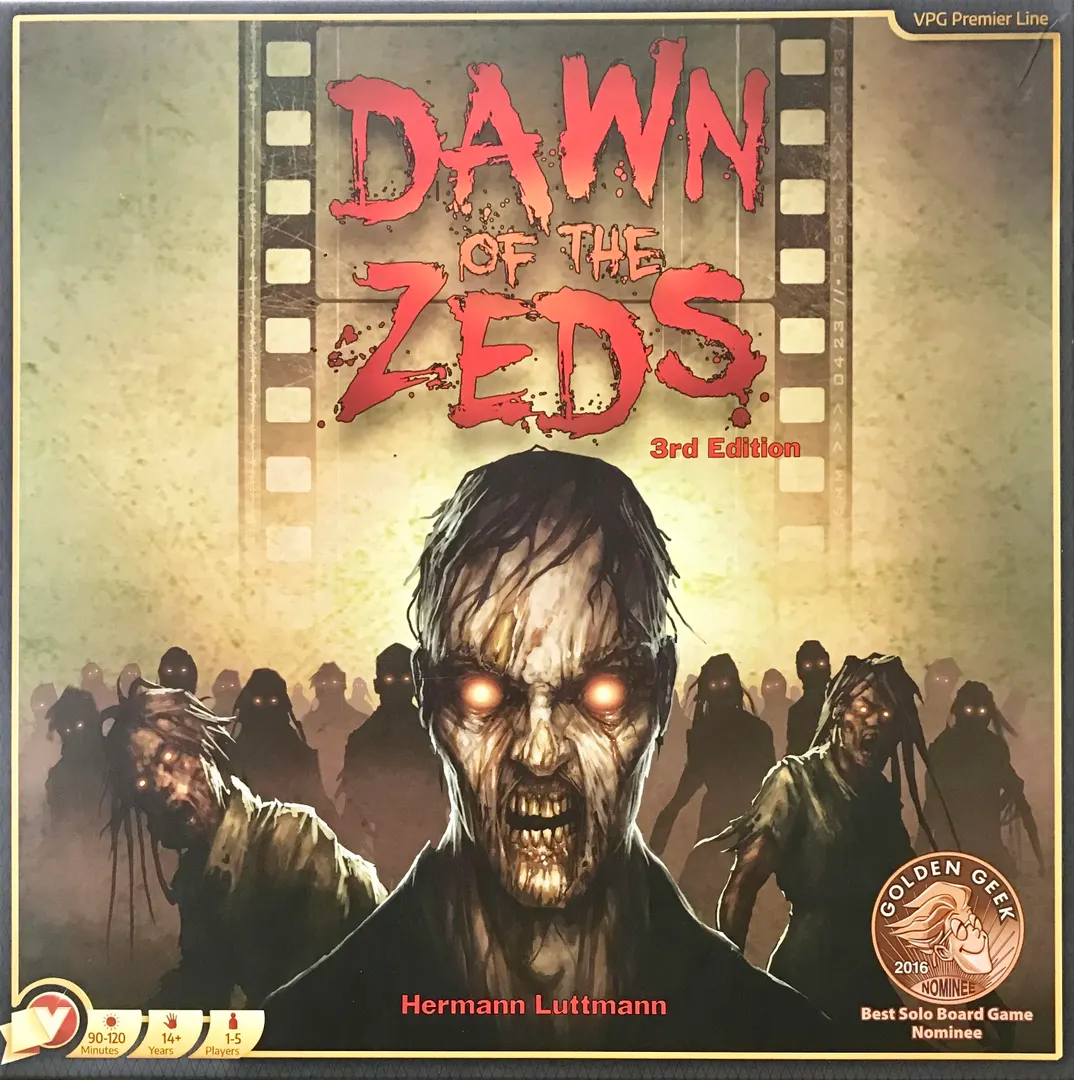
Dawn of the Zeds (Third Edition)
- 1–5 players
- 90–120 min
- Complexity 3.8/5
- 2016
2014
Rules assistance for A Spoiled Victory: Dunkirk 1940
Plain-language explanations of turns, card effects and disputed situations, with official source references and saved question history.
For 1 player
What would you like to know?
Answers come from the official rulebook, with the page to check.
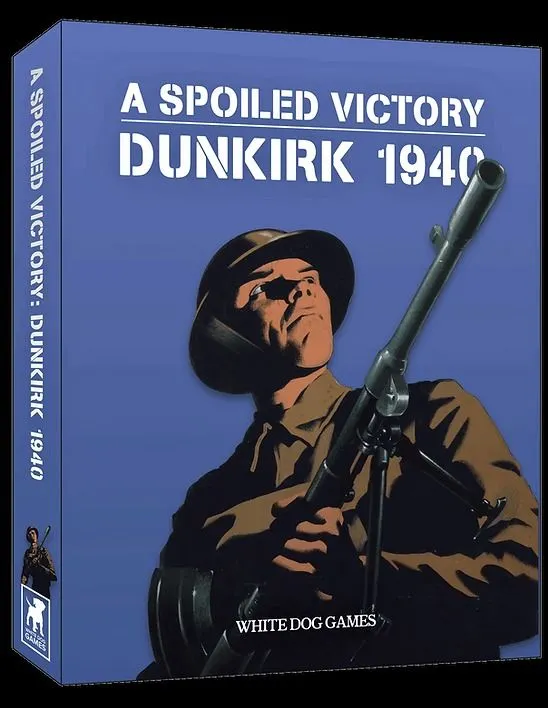
A Spoiled Victory: Dunkirk 1940 is a board game released in 2014 for 1 player and 60 minutes per game. It was designed by Hermann Luttmann and Paul Fish and its main mechanics are Point to Point Movement, Solo / Solitaire Game, and Action Points.
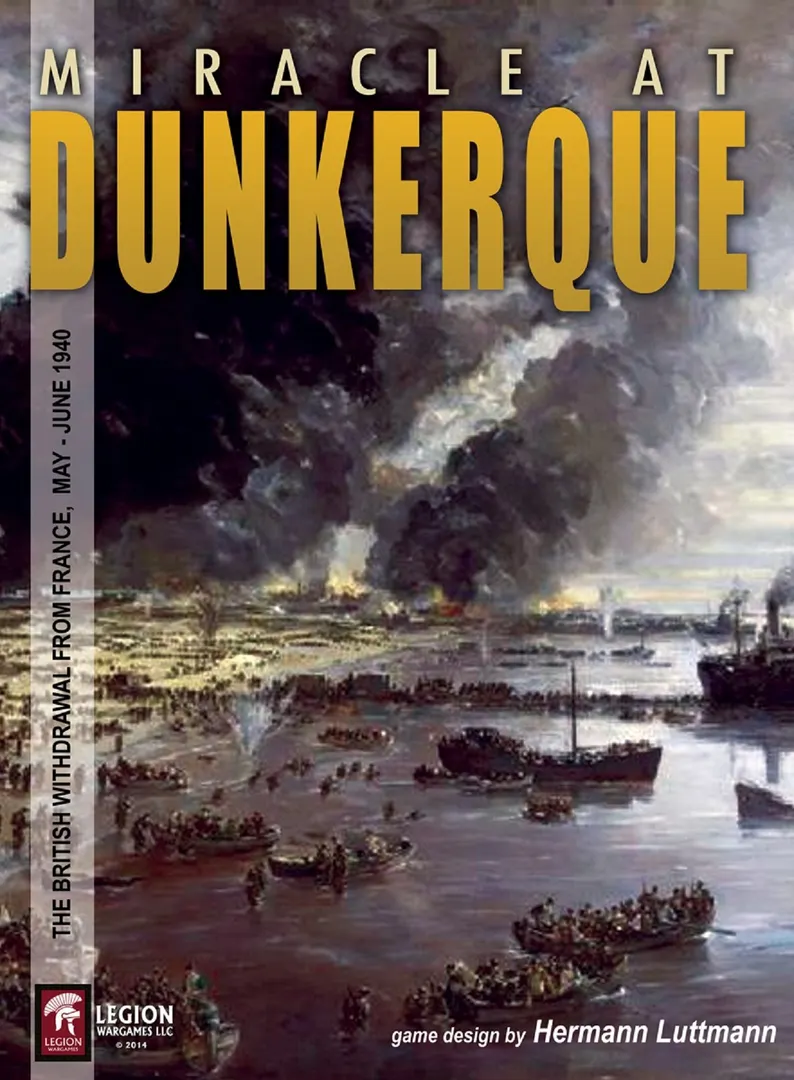
A Spoiled Victory: Dunkirk 1940 is a solitaire game on the Allied rescue operation from May 27 to June 4th of 1940. Approximately 400,000 men from the Allied forces of Belgium, France, and England were surrounded in the area of Dunkirk by German forces. England launched Operation Dynamo with the hopes of rescuing 30,000. Instead they rescued 330,000. In this game, the player controls the Allied forces and must try to recreate the historical result. The game uses Event cards to define the conditions for each turn. These cards dictate where the Luftwaffe will strike, how many units can evacuate, the German army movement, and the number of player actions. The game uses a point-to-point map. The Allies can move between any two connected points but the Germans can only move on set tracks. As the player moves the Allied forces to the beach, they are converted to evacuee units, which can then sail to England. But even then they can be subject to artillery or Luftwaffe strikes until they arrive safely in England. The game is scored by calculating the total number of evacuees rescued and earning victory points as a result. The historical result or better wins the game.
A Spoiled Victory: Dunkirk 1940 supports 1 player according to the catalogue. This is the publisher’s listed player count, so the game is designed for exactly that number of participants. Variants for other group sizes, if any, are described in the rulebook of your edition, so check it before setting up a different configuration.
The listed playing time for A Spoiled Victory: Dunkirk 1940 is 60 minutes. This is the publisher’s estimate for a full game. The actual duration depends on the group, the player count and familiarity with the rules: first sessions usually run longer, while experienced groups often finish faster. Setup and teaching time are not included in this estimate.
A Spoiled Victory: Dunkirk 1940 has a complexity rating of 2.2 out of 5 from BoardGameGeek players, which makes it a medium-light game. The rating reflects how much rules knowledge, planning and decision-making a typical game demands. Expect a longer first teach for heavier games, and use a preparation guide before game night.
A Spoiled Victory: Dunkirk 1940 belongs to these categories: Wargame, Print & Play, and World War II. Its main mechanics are Point to Point Movement, Solo / Solitaire Game, and Action Points. Categories describe the theme and setting of a game, while mechanics describe what players actually do on their turns. Each mechanic links to a catalogue hub with similar games, which helps when you want something comparable.
The credited designers of A Spoiled Victory: Dunkirk 1940 are: Hermann Luttmann and Paul Fish. These credits come from the published game data and name the people responsible for the game’s design, not its illustrators or publishers. Designer pages on MeepleRules collect other titles by the same designers, which helps when you enjoy a game and want to find similar ones.
The catalogue lists A Spoiled Victory: Dunkirk 1940 as a base game. It can be played on its own with the components in the box and does not require any other title. Expansions, if any exist, add new content or rules on top of it and are listed separately in the catalogue with a link back to this base game.