- BGG rating
- 7.2
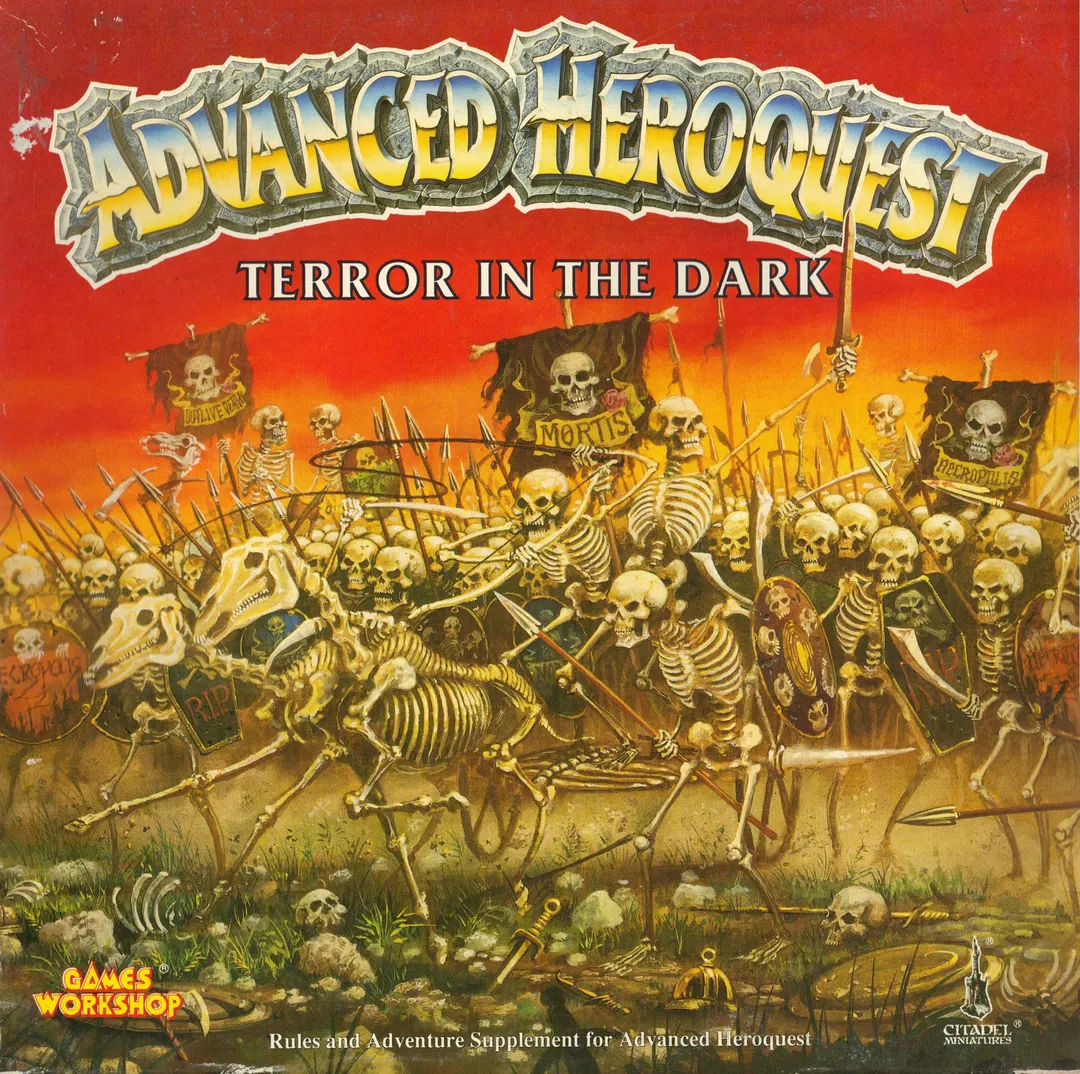
Advanced Heroquest: Terror in the Dark
- 2–5 players
- 120 min
- Complexity 2.5/5
- 1991
1989
Rules assistance for Advanced Heroquest
Plain-language explanations of turns, card effects and disputed situations, with official source references and saved question history.
For 1 player
What would you like to know?
Answers come from the official rulebook, with the page to check.
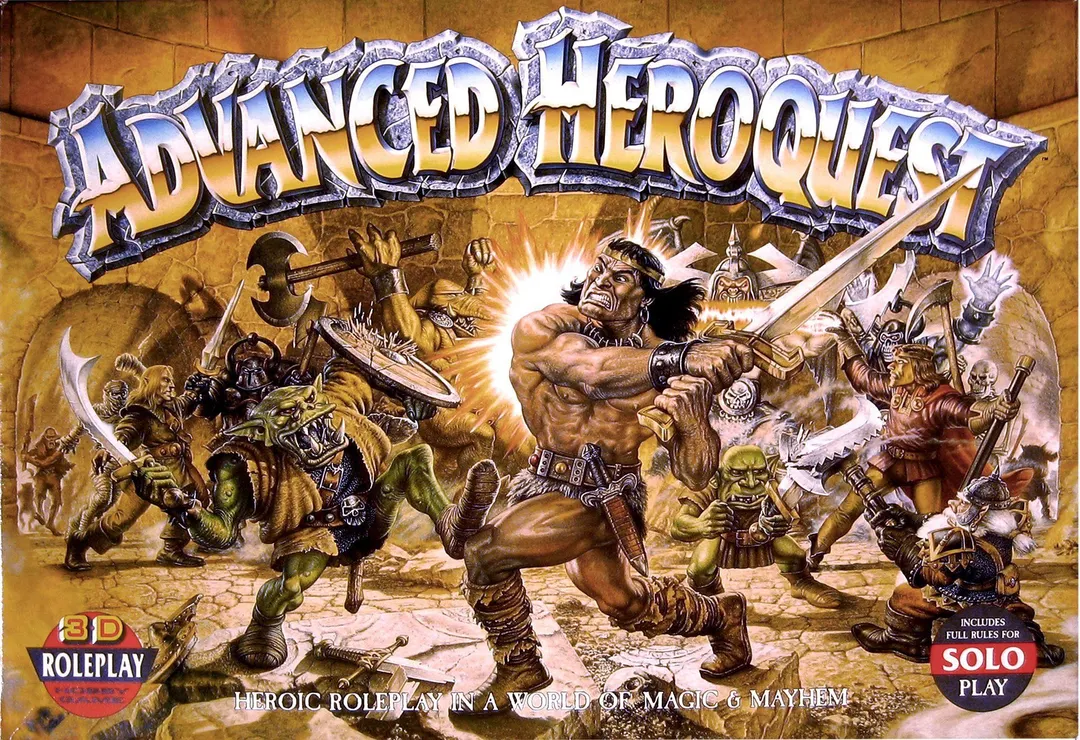
Advanced Heroquest is a board game released in 1989 for 1–5 players, 120 minutes per game, and ages 10 and up. It was designed by Jervis Johnson and its main mechanics are Variable Player Powers, Role Playing, and Modular Board.


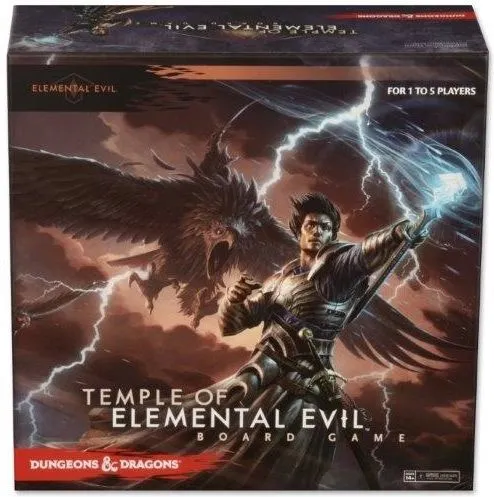
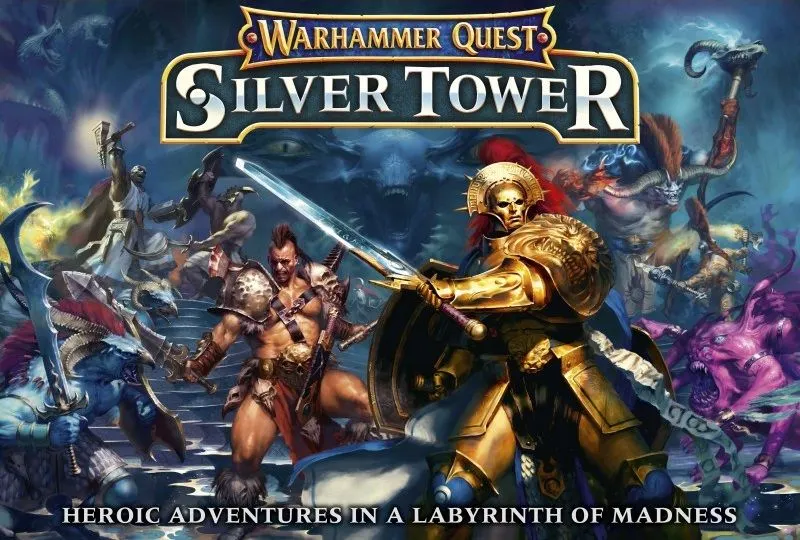

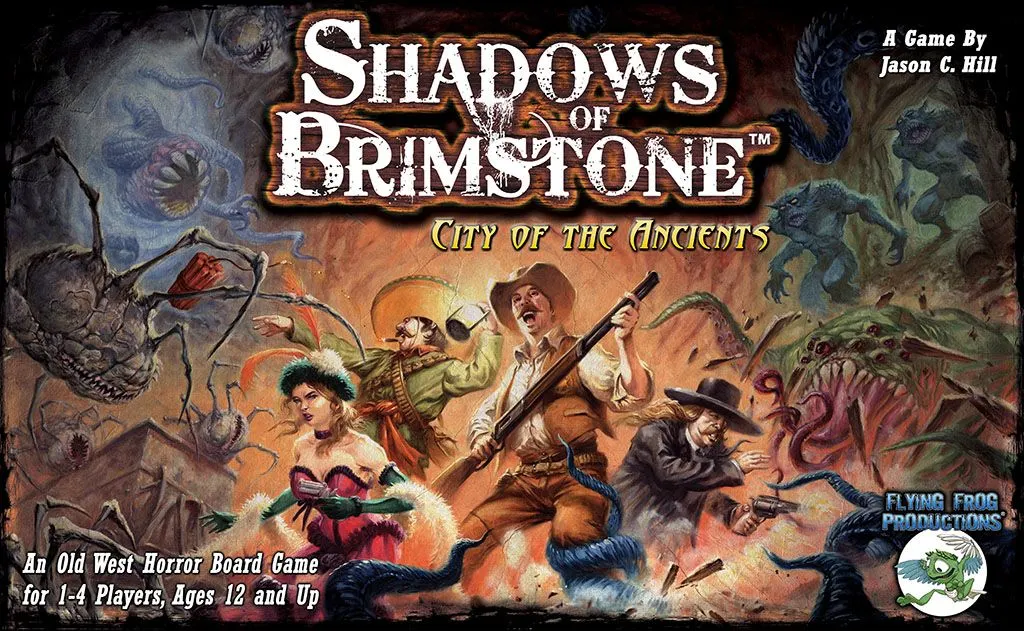
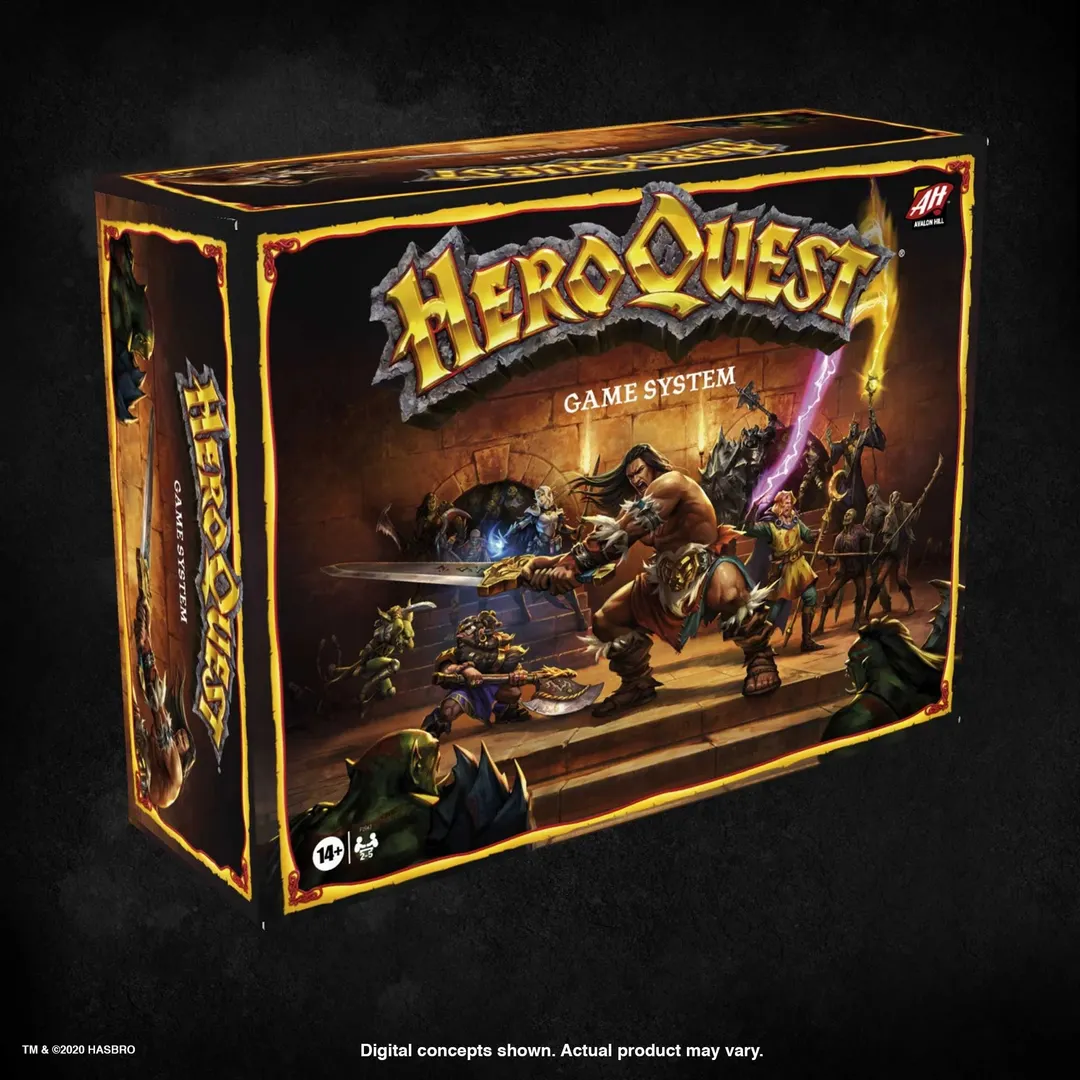
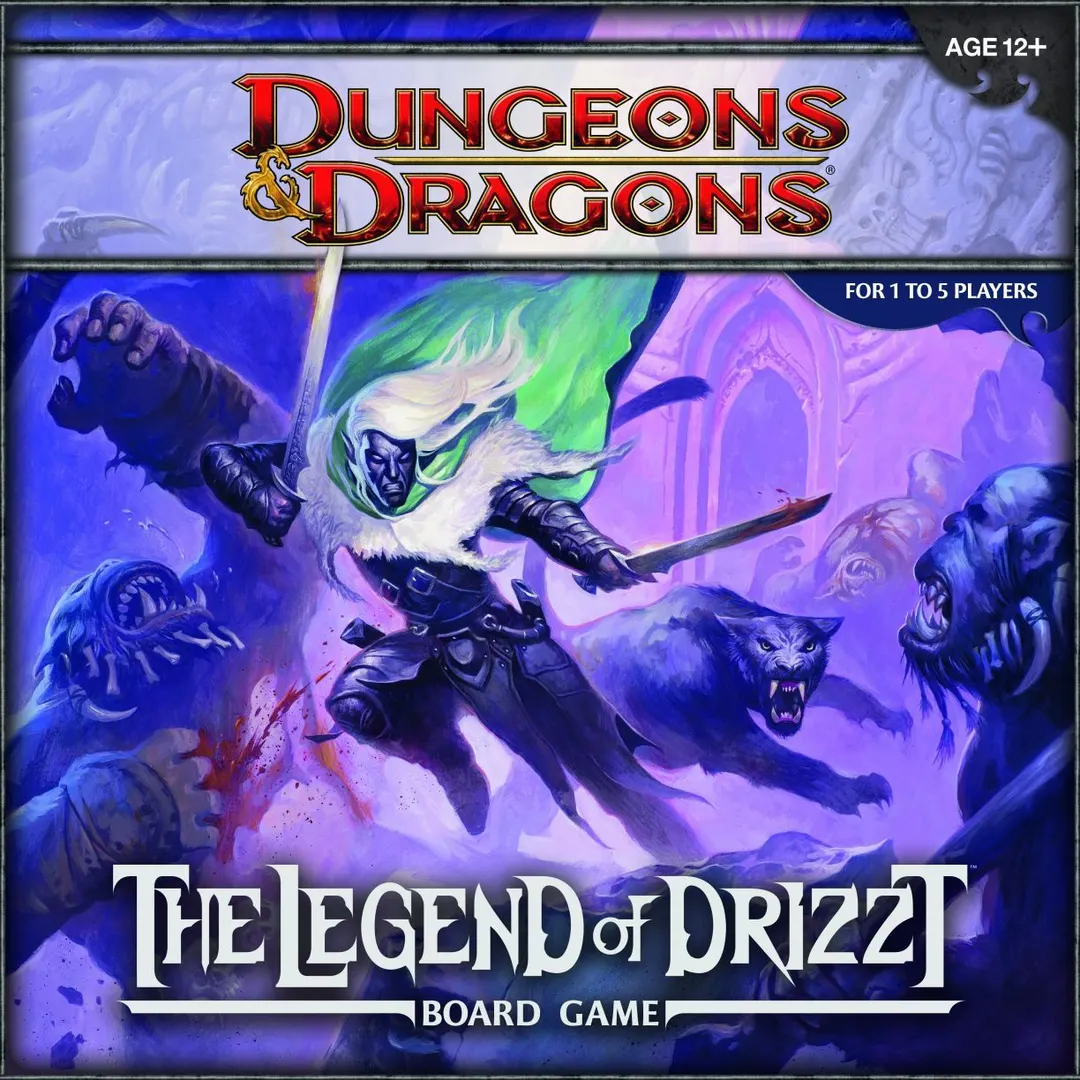
Advanced HeroQuest is a dungeon crawl related thematically to HeroQuest (which was a co-development with Milton Bradley) but mechanically wholly unrelated to that game. While the basic concept of both is the same, four heroes venture into a dungeon to fight monsters and gain treasure, but Advanced HeroQuest's rules are more detailed and complex. The major additions and changes include: fully solo playability more complex combat system (roll to hit versus target's weapon skill, then roll to wound vs target's toughness), including ranged combat, critical hits and fumbles two phases of game play: exploration, combat random dungeon generation system modular game board multiple colleges of magic and spell books henchmen (in base game, as opposed to being in an expansion) fate points (the "undo" feature) Games Workshop set Advanced HeroQuest in the Warhammer universe, presumably to foster sales of their miniatures. The campaign world is easy to ignore, however, should players rather keep things generic. Advanced HeroQuest also includes rules for using the characters and monsters from HeroQuest, should players want to do so. The game is supplied with Skaven figures that make up the quest within the rulebook. The exact same Skaven, henchmen and hero miniatures were also included in Mighty Warriors, also by Games-Workshop. The following White Dwarf issues contain adventure scenarios, spell lists, or other information for Advanced Heroquest: Issue #121 The Quest for Sonneklinge (scenario and Jade spell list) Issue #122 The Priests of Pleasure Issue #125 The Dark Beneath the World (scenario and Amethyst spell list) Issue #134 The Trollslayer's Oath Issue #138 Henchmen (new followers for AHQ: the Dwarf Trollslayer, the Elf Wardancer, the Human Captain, and the Wizard's Apprentice -- this material is duplicated in Terror in the Dark) Issue #139 Treasure (This material is also duplicated in Terror in the Dark) Issue #145 The Eyes of Chaos (has rules for both AHQ and HQ) Issue #150 The Changing Faces of Tzeench Issue #159 Rivers of Blood Advanced HeroQuest: Paint Set has replacement heroes and additional minis.
Advanced Heroquest supports 1–5 players according to the catalogue. This range comes from the publisher’s listed player count, so the game can be set up for any group size within it. Some setups, rules and scoring details may still vary by player count, so check your edition’s rulebook for the exact configuration.
The listed playing time for Advanced Heroquest is 120 minutes. This is the publisher’s estimate for a full game. The actual duration depends on the group, the player count and familiarity with the rules: first sessions usually run longer, while experienced groups often finish faster. Setup and teaching time are not included in this estimate.
The catalogue lists Advanced Heroquest for ages 10 and up. This is the publisher’s recommendation and reflects reading demands, rule complexity and small components rather than theme alone. Younger players can often join with help from an adult, so check the age guidance on your edition and consider your group’s experience with board games.
Advanced Heroquest has a complexity rating of 2.9 out of 5 from BoardGameGeek players, which makes it a medium-light game. The rating reflects how much rules knowledge, planning and decision-making a typical game demands. Expect a longer first teach for heavier games, and use a preparation guide before game night.
Advanced Heroquest belongs to these categories: Fantasy, Fighting, and Exploration. Its main mechanics are Variable Player Powers, Role Playing, and Modular Board. Categories describe the theme and setting of a game, while mechanics describe what players actually do on their turns. Each mechanic links to a catalogue hub with similar games, which helps when you want something comparable.
The credited designers of Advanced Heroquest are: Jervis Johnson. These credits come from the published game data and name the people responsible for the game’s design, not its illustrators or publishers. Designer pages on MeepleRules collect other titles by the same designers, which helps when you enjoy a game and want to find similar ones.
The catalogue lists Advanced Heroquest as a base game. It can be played on its own with the components in the box and does not require any other title. Expansions, if any exist, add new content or rules on top of it and are listed separately in the catalogue with a link back to this base game.