
- BGG rank
- BGG #227
- BGG rating
- 7.5
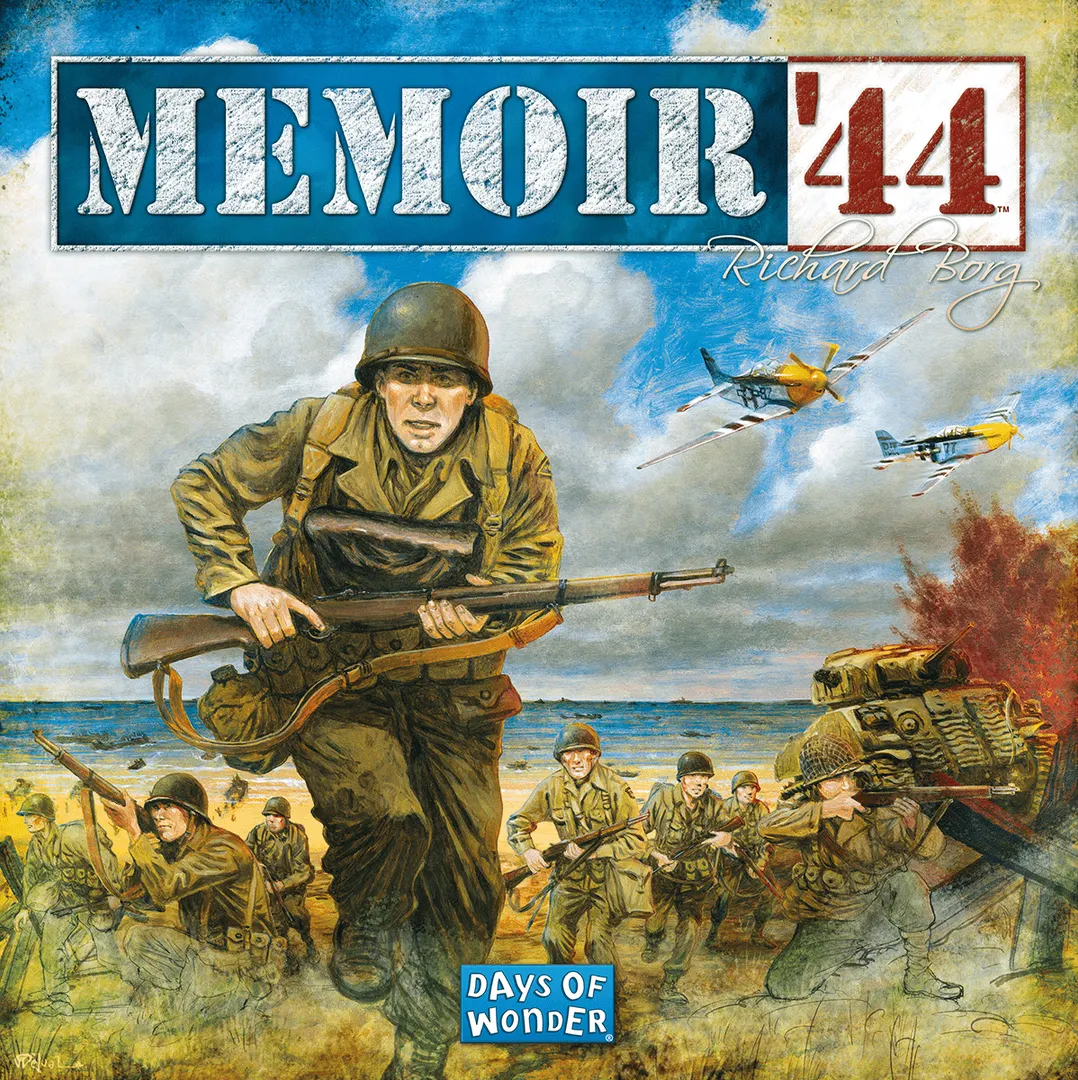
Memoir '44
- 2–4 players
- 30–45 min
- Complexity 2.3/5
- 2004

1989
Rules assistance for Africa Orientale
Plain-language explanations of turns, card effects and disputed situations, with official source references and saved question history.
For 2 players
What would you like to know?
Answers come from the official rulebook, with the page to check.
Africa Orientale is a board game released in 1989 for 2 players, 120 minutes per game, and ages 12 and up. It was designed by Jeff Brown (I) and its main mechanics are Dice Rolling, Hexagon Grid, and Simulation.


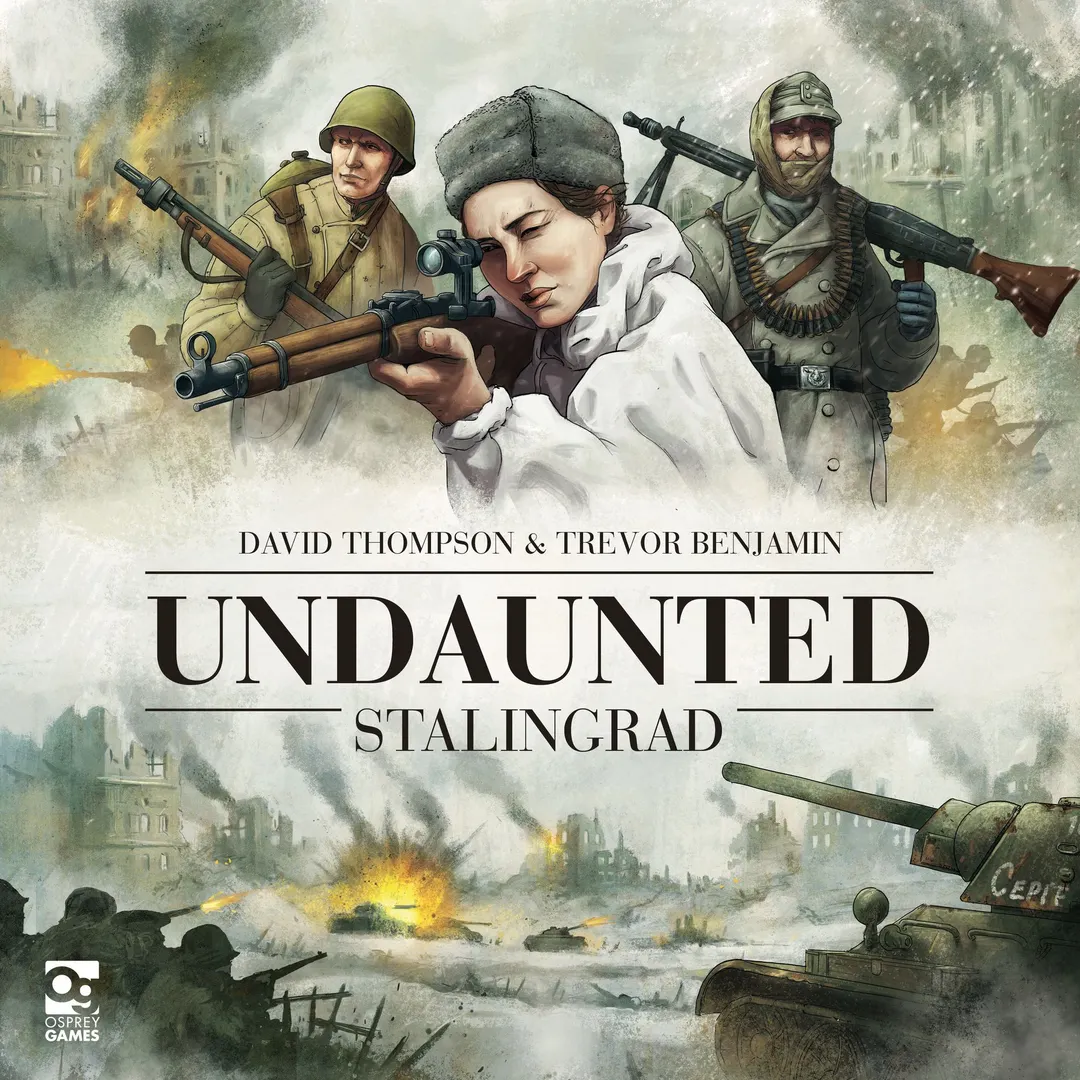


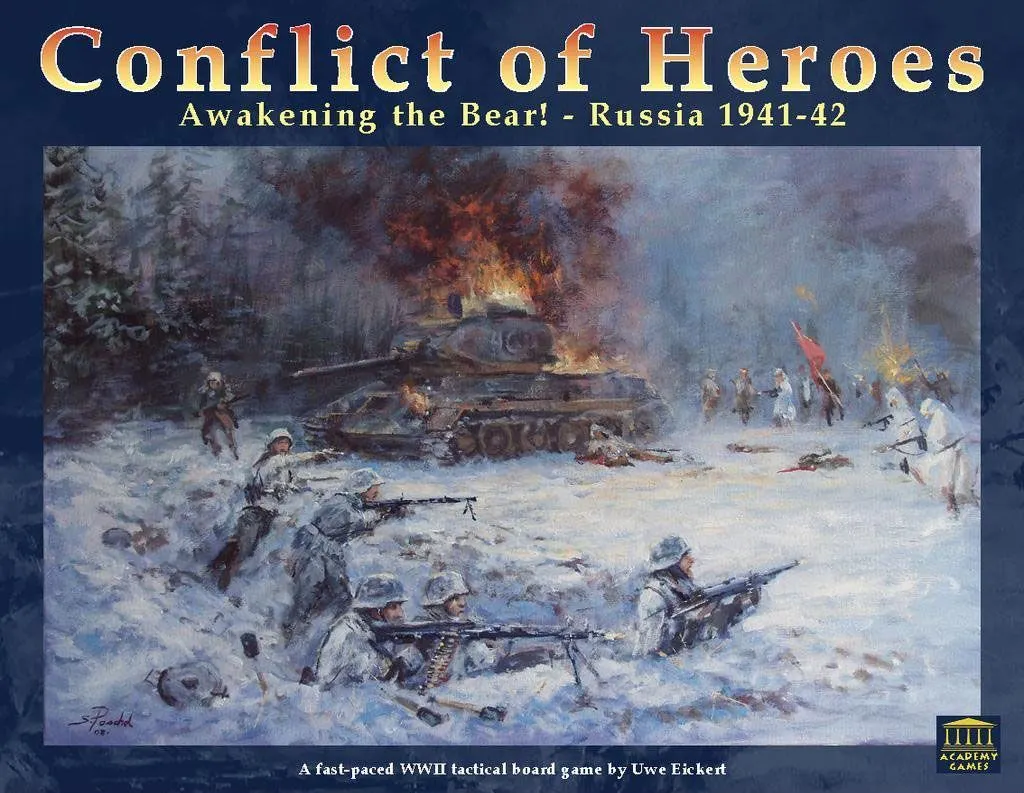


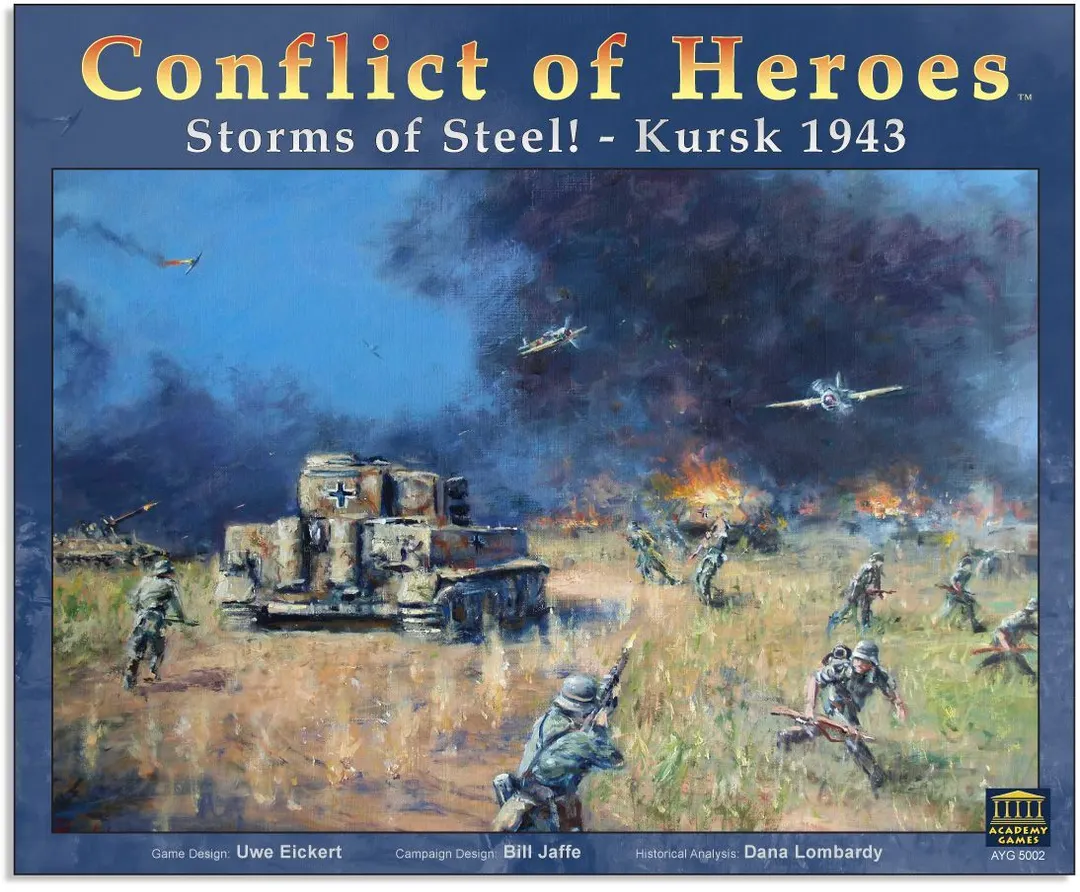
Africa Orientale (Italian for East africa), is a simulation of the campaign fought in the horn of Africa in 1940-41. On 10 June 1940, Italy declared war on Britain and France, which made Italian military forces in Libya a threat to Egypt and those in the Italian East Africa a danger to the British and French territories in the Horn of Africa. Italian belligerence also closed the Mediterranean to Allied merchant ships and endangered British supply routes along the coast of East Africa, the Gulf of Aden, Red Sea and the Suez Canal. Egypt, the Suez Canal, French Somaliland and British Somaliland were also vulnerable to invasion, but the Comando Supremo (Italian General Staff) had planned for a war after 1942. Hostilities began on 13 June 1940, with an Italian air raid on the base of 1 Squadron Southern Rhodesian Air Force (237 (Rhodesia) Squadron RAF) at Wajir in the East Africa Protectorate (Kenya). In August 1940, the protectorate of British Somaliland was occupied by Italian forces and absorbed into Italian East Africa. This occupation lasted around six months. By early 1941, Italian forces had been largely pushed back from Kenya and Sudan. On 6 April 1941, Addis Ababa was occupied by the 11th (African) Division, which received the surrender of the city. The remnants of the Italian forces in the AOI surrendered after the Battle of Gondar in November 1941, except for groups that fought an Italian guerrilla war in Ethiopia against the British until the Armistice of Cassibile (3 September 1943) ended hostilities between Italy and the Allies. The rules use the basic The Europa Series system as a framework, with specialized rules covering the historical situation in detail. Originally published by 3W (World Wide Wargames) in Strategy & Tactics magazine #128 Game Scale: Turn: half a month Hex: 32 miles / 51 kilometers Units: Battalion to Division Game Inventory: One 22 x 34" 5 color mapsheet One dual-side printed countersheet (200 1/2" counters) One 24-page Africa Orientale rules booklet Complexity: Medium Solitaire Suitability: Medium Players: 1 or more Playing Time: 4-6 Hours Players will need to provide one 6-sided die
Africa Orientale supports 2 players according to the catalogue. This is the publisher’s listed player count, so the game is designed for exactly that number of participants. Variants for other group sizes, if any, are described in the rulebook of your edition, so check it before setting up a different configuration.
The listed playing time for Africa Orientale is 120 minutes. This is the publisher’s estimate for a full game. The actual duration depends on the group, the player count and familiarity with the rules: first sessions usually run longer, while experienced groups often finish faster. Setup and teaching time are not included in this estimate.
The catalogue lists Africa Orientale for ages 12 and up. This is the publisher’s recommendation and reflects reading demands, rule complexity and small components rather than theme alone. Younger players can often join with help from an adult, so check the age guidance on your edition and consider your group’s experience with board games.
Africa Orientale has a complexity rating of 3.2 out of 5 from BoardGameGeek players, which makes it a medium-weight game. The rating reflects how much rules knowledge, planning and decision-making a typical game demands. Expect a longer first teach for heavier games, and use a preparation guide before game night.
Africa Orientale belongs to these categories: Wargame and World War II. Its main mechanics are Dice Rolling, Hexagon Grid, and Simulation. Categories describe the theme and setting of a game, while mechanics describe what players actually do on their turns. Each mechanic links to a catalogue hub with similar games, which helps when you want something comparable.
The credited designers of Africa Orientale are: Jeff Brown (I). These credits come from the published game data and name the people responsible for the game’s design, not its illustrators or publishers. Designer pages on MeepleRules collect other titles by the same designers, which helps when you enjoy a game and want to find similar ones.
The catalogue lists Africa Orientale as a base game. It can be played on its own with the components in the box and does not require any other title. Expansions, if any exist, add new content or rules on top of it and are listed separately in the catalogue with a link back to this base game.