
- BGG rank
- BGG #366
- BGG rating
- 7.8
The Great Zimbabwe
- 2–5 players
- 90–150 min
- Complexity 3.7/5
- 2012
2004
Rules assistance for Antiquity
Plain-language explanations of turns, card effects and disputed situations, with official source references and saved question history.
For 2 players
What would you like to know?
Answers come from the official rulebook, with the page to check.
Antiquity is a board game released in 2004 for 2–4 players, 120–180 minutes per game, and ages 14 and up. It was designed by Jeroen Doumen and Joris Wiersinga and its main mechanics are Trading, Tile Placement, and Square Grid.
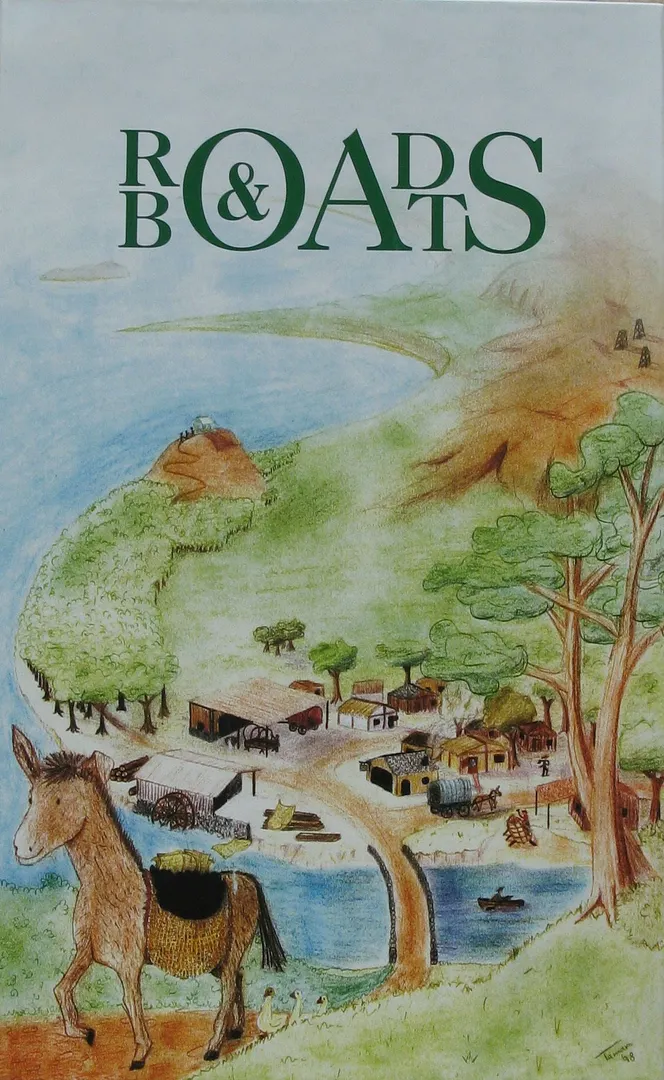

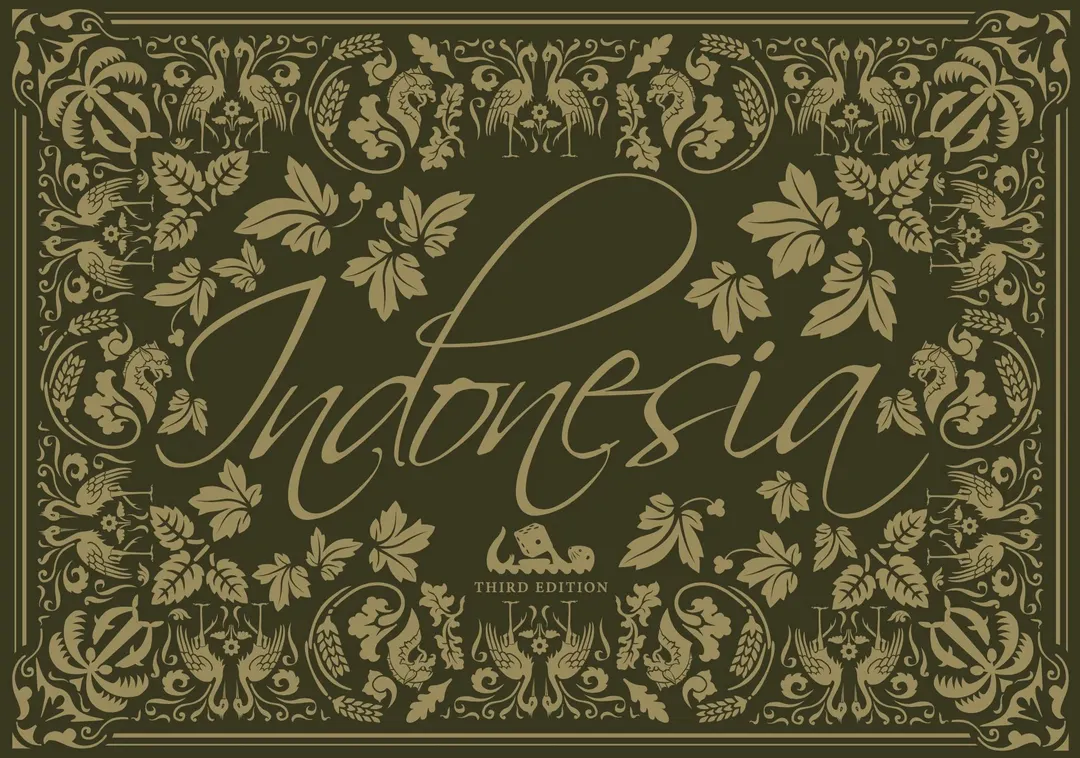



From the Manufacturer: "These fields no longer yield grain the way they used to," complains the farmer. "We should settle new lands before our food runs out. Why don't we start farming olives, like our neighbors?" The cart-driver nods: "Ever since them city folks started worshiping San Giorgio I have to travel further and further to new building sites. I'm on my way now to the new inn they built. I'll change horses there and deliver this load," he gestures towards the pile of wood in the cart with his head "to the sea beyond. Gonna start some fisheries there. It is said we'll conquer those olive-farmers before long. But their land is even more polluted than ours." The farmer nods his head in reply. As the cart starts moving again, he returns to the field to harvest the last bushels of grain, growing between the stumps of what used to be a lush forest -- three turns ago. Antiquity is a strategy game for 2-4 players. It is set in an environment loosely modeled on Italy in the late Middle Ages. Players choose their own victory condition: they can focus on population growth, trade, conquest, or city building by choosing their patron saint. Each strategy requires a completely different style of play. Or you can choose to adore Santa Maria, the most powerful saint of all -- but you'll be expected to build a civilization twice as impressive as any other player. While your economy is constantly improving, with more and more advanced cities bringing new options each turn, the land around your cities is slowly being depleted, forcing you to travel further and further to gather your raw materials -- until finally, there is no more land left to farm. Let's hope one of you has won the game before that time!
Antiquity supports 2–4 players according to the catalogue. This range comes from the publisher’s listed player count, so the game can be set up for any group size within it. Some setups, rules and scoring details may still vary by player count, so check your edition’s rulebook for the exact configuration.
The listed playing time for Antiquity is 120–180 minutes. This is the publisher’s estimate for a full game. The actual duration depends on the group, the player count and familiarity with the rules: first sessions usually run longer, while experienced groups often finish faster. Setup and teaching time are not included in this estimate.
The catalogue lists Antiquity for ages 14 and up. This is the publisher’s recommendation and reflects reading demands, rule complexity and small components rather than theme alone. Younger players can often join with help from an adult, so check the age guidance on your edition and consider your group’s experience with board games.
Antiquity has a complexity rating of 4.3 out of 5 from BoardGameGeek players, which makes it a heavy game. The rating reflects how much rules knowledge, planning and decision-making a typical game demands. Expect a longer first teach for heavier games, and use a preparation guide before game night.
Antiquity belongs to these categories: Economic, Medieval, and City Building. Its main mechanics are Trading, Tile Placement, and Square Grid. Categories describe the theme and setting of a game, while mechanics describe what players actually do on their turns. Each mechanic links to a catalogue hub with similar games, which helps when you want something comparable.
The credited designers of Antiquity are: Jeroen Doumen and Joris Wiersinga. These credits come from the published game data and name the people responsible for the game’s design, not its illustrators or publishers. Designer pages on MeepleRules collect other titles by the same designers, which helps when you enjoy a game and want to find similar ones.
The catalogue lists Antiquity as a base game. It can be played on its own with the components in the box and does not require any other title. Expansions, if any exist, add new content or rules on top of it and are listed separately in the catalogue with a link back to this base game.