

- BGG rank
- BGG #10,123
- BGG rating
- 6.5
The Halls of Montezuma
- 2 players
- 240 min
- Complexity 3.1/5
- 2009
2000
Rules assistance for Austerlitz 1805: Napoleon's Greatest Victory
Plain-language explanations of turns, card effects and disputed situations, with official source references and saved question history.
What would you like to know?
Answers come from the official rulebook, with the page to check.
Austerlitz 1805: Napoleon's Greatest Victory is a board game released in 2000 for 1–2 players, 240–480 minutes per game, and ages 12 and up. It was designed by David A. Fox and its main mechanics are Dice Rolling, Hexagon Grid, and Simulation.



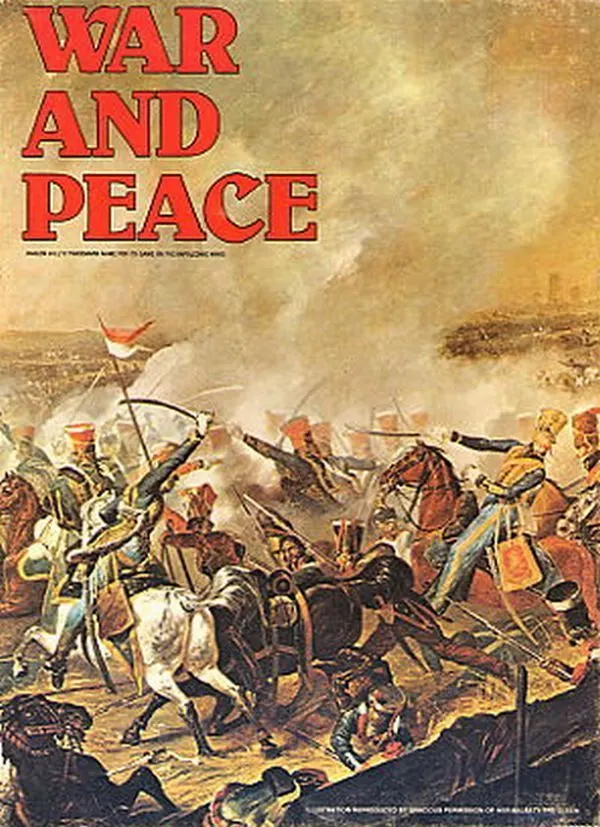


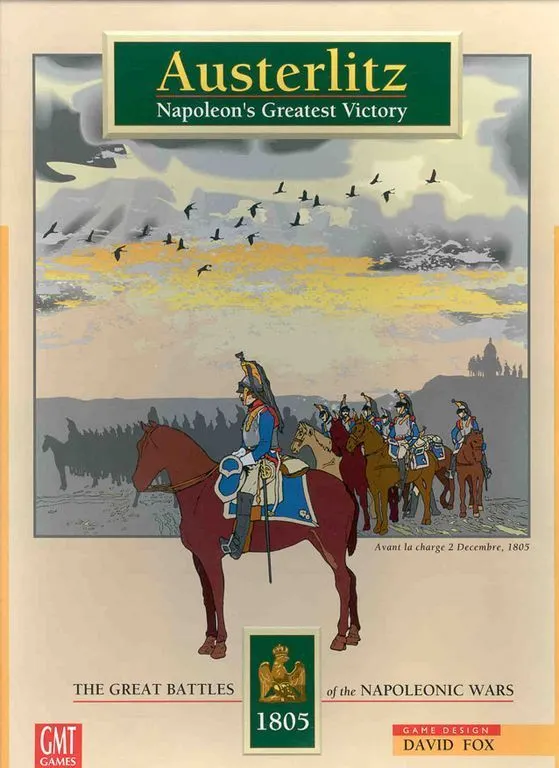
Before tomorrow evening, that army will be mine. So claimed Napoleon Bonaparte to his staff on the night of December 1, 1805, as he watched the Austro-Russian Allied army settle into its positions near Austerlitz for the battle that was certain to come the next morning. It was not an idle boast. Napoleon's Grande Armee mustered 75,000 men, well-led, superbly trained, and completely confident of victory. And the next day, they would win the most decisive victory of Napoleon's career. The Battle of Austerlitz was Napoleon's tactical masterpiece. Facing an Allied army 72,000 men strong, he blocked a massive Allied flanking movement aimed at his right wing, launched an attack that smashed the Allied center, and then scattered the remnants so thoroughly that by the night of December 2nd the Allied Third Coalition was in ruins. The battle contained many moments of high drama: the French right wing holding on despite 3-to-1 odds, desperately waiting for help from Davout's corps rushing to the battlefield after an epic forced march; a massive cavalry melee fought on the northern half of the field between the opposing cavalry reserves; the clash of the French and Russian Imperial Guards on the Pratzen Heights that decided the course of the battle. Austerlitz 1805 is a detailed wargame, on a tactical level, with infantry battalions, cavalry regiments, and artillery batteries, featuring... A chit-based Command system where players randomly draw command chits to determine which division or corps may activate at that moment -- activation is not automatic. Commanders must roll to activate when their chit is drawn, and missing the die-roll leads to the Command Breakdown Table -- disasters can happen. A Combat system that includes all of the detail that fans of Napoleonic tactics know and love. All of the formations are there -- line, column, skirmish -- each with their own advantages and disadvantages. Players will soon learn that proper unit interaction is crucial for victory, with artillery wearing down the enemy line, infantry creating a breakthrough, and cavalry exploiting the breakthrough with a thundering charge. Special units and rules to add a distinctive historical flavor: the Tirailleurs Po and Tirailleurs Corse, elite battalions of French skirmishers; the exotic Mamelukes of the French Imperial Guard, matched against the Russian Cossacks; the fearsome French Grand Battery; the early morning Fog that blanketed the battlefield and so bedeviled the battle's opening moves. Six scenarios -- two full-battle scenarios; three smaller one or two map scenarios covering the significant actions, plus a learning scenario providing an introduction to the game's mechanics. Game Scale: Game Turn: 20 minutes Hex: 150 yards / 137 meters Units: infantry battalions, cavalry regiments, and artillery batteries Solitaire Playability: High Complexity Level: Medium Players: 2 or more Playing Time: 4-8 hours
Austerlitz 1805: Napoleon's Greatest Victory supports 1–2 players according to the catalogue. This range comes from the publisher’s listed player count, so the game can be set up for any group size within it. Some setups, rules and scoring details may still vary by player count, so check your edition’s rulebook for the exact configuration.
The listed playing time for Austerlitz 1805: Napoleon's Greatest Victory is 240–480 minutes. This is the publisher’s estimate for a full game. The actual duration depends on the group, the player count and familiarity with the rules: first sessions usually run longer, while experienced groups often finish faster. Setup and teaching time are not included in this estimate.
The catalogue lists Austerlitz 1805: Napoleon's Greatest Victory for ages 12 and up. This is the publisher’s recommendation and reflects reading demands, rule complexity and small components rather than theme alone. Younger players can often join with help from an adult, so check the age guidance on your edition and consider your group’s experience with board games.
Austerlitz 1805: Napoleon's Greatest Victory has a complexity rating of 3.3 out of 5 from BoardGameGeek players, which makes it a medium-weight game. The rating reflects how much rules knowledge, planning and decision-making a typical game demands. Expect a longer first teach for heavier games, and use a preparation guide before game night.
Austerlitz 1805: Napoleon's Greatest Victory belongs to these categories: Wargame and Napoleonic. Its main mechanics are Dice Rolling, Hexagon Grid, and Simulation. Categories describe the theme and setting of a game, while mechanics describe what players actually do on their turns. Each mechanic links to a catalogue hub with similar games, which helps when you want something comparable.
The credited designers of Austerlitz 1805: Napoleon's Greatest Victory are: David A. Fox. These credits come from the published game data and name the people responsible for the game’s design, not its illustrators or publishers. Designer pages on MeepleRules collect other titles by the same designers, which helps when you enjoy a game and want to find similar ones.
The catalogue lists Austerlitz 1805: Napoleon's Greatest Victory as a base game. It can be played on its own with the components in the box and does not require any other title. Expansions, if any exist, add new content or rules on top of it and are listed separately in the catalogue with a link back to this base game.