
- BGG rank
- BGG #6,221
- BGG rating
- 7.8
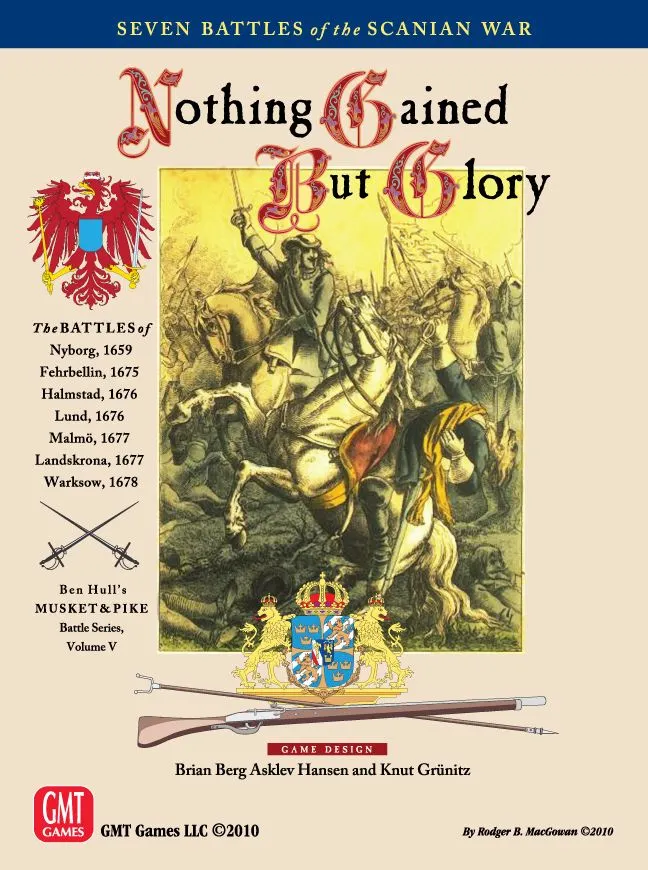
Nothing Gained But Glory
- 2 players
- 300 min
- Complexity 3.7/5
- 2010
2026
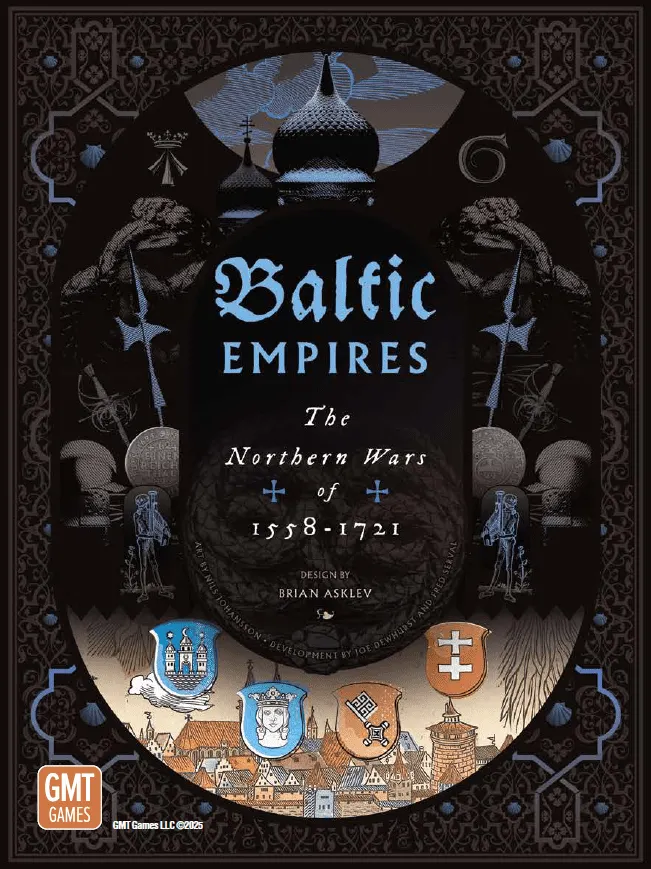
Rules assistance for Baltic Empires: The Northern Wars of 1558-1721
Plain-language explanations of turns, card effects and disputed situations, with official source references and saved question history.
For 2 players
What would you like to know?
Answers come from the official rulebook, with the page to check.
Baltic Empires: The Northern Wars of 1558-1721 is a board game released in 2026 for 2–5 players and 120–360 minutes per game. It was designed by Brian Asklev and its main mechanics are Loans, Area Movement, and Dice Rolling.

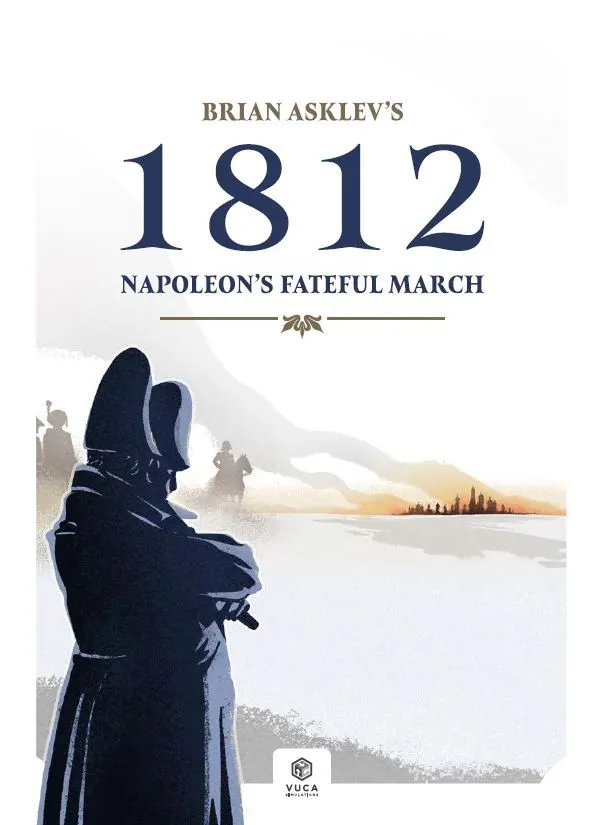



"Baltic Empires" is an approachable 2-5 player strategic level wargame about conflicts between the states of the Baltic region during the early modern era, a transformative period of religious conflict, large scale warfare, and constant struggles for power. Players will have to develop their economy, strengthen their administration, secure trade hubs, and finally build armies to become the dominant power of the Baltics. Denmark-Norway, Sweden, Russia, Poland-Lithuania, and Prussia will fight for hegemony, using variable victory conditions that reflect their respective historical objectives. Gameplay involves collecting resources, building new infrastructure and units, recruiting historical figures to your court, and finally going to war to expand your empire and fulfil your national ambition. Highlights: Five asymmetric factions with unique abilities and objectives A highly thematic deck of historical Dramatis Personae to constitute your royal court A simple yet deep economic system that forces players to make tough decisions regarding their finances and wage war for key resources A streamlined battle system based on custom dice per unit type Variable player counts, from 2 to 5 players, and variable game lengths, with scenarios ranging from a tight duel to a diplomatic heavy conflict with alliances and betrayals —description from the publisher
Baltic Empires: The Northern Wars of 1558-1721 supports 2–5 players according to the catalogue. This range comes from the publisher’s listed player count, so the game can be set up for any group size within it. Some setups, rules and scoring details may still vary by player count, so check your edition’s rulebook for the exact configuration.
The listed playing time for Baltic Empires: The Northern Wars of 1558-1721 is 120–360 minutes. This is the publisher’s estimate for a full game. The actual duration depends on the group, the player count and familiarity with the rules: first sessions usually run longer, while experienced groups often finish faster. Setup and teaching time are not included in this estimate.
Baltic Empires: The Northern Wars of 1558-1721 has a complexity rating of 3.0 out of 5 from BoardGameGeek players, which makes it a medium-weight game. The rating reflects how much rules knowledge, planning and decision-making a typical game demands. Expect a longer first teach for heavier games, and use a preparation guide before game night.
Baltic Empires: The Northern Wars of 1558-1721 belongs to these categories: Economic, Wargame, and Negotiation. Its main mechanics are Loans, Area Movement, and Dice Rolling. Categories describe the theme and setting of a game, while mechanics describe what players actually do on their turns. Each mechanic links to a catalogue hub with similar games, which helps when you want something comparable.
The credited designers of Baltic Empires: The Northern Wars of 1558-1721 are: Brian Asklev. These credits come from the published game data and name the people responsible for the game’s design, not its illustrators or publishers. Designer pages on MeepleRules collect other titles by the same designers, which helps when you enjoy a game and want to find similar ones.
The catalogue lists Baltic Empires: The Northern Wars of 1558-1721 as a base game. It can be played on its own with the components in the box and does not require any other title. Expansions, if any exist, add new content or rules on top of it and are listed separately in the catalogue with a link back to this base game.