
- BGG rank
- BGG #11,349
- BGG rating
- 6.0
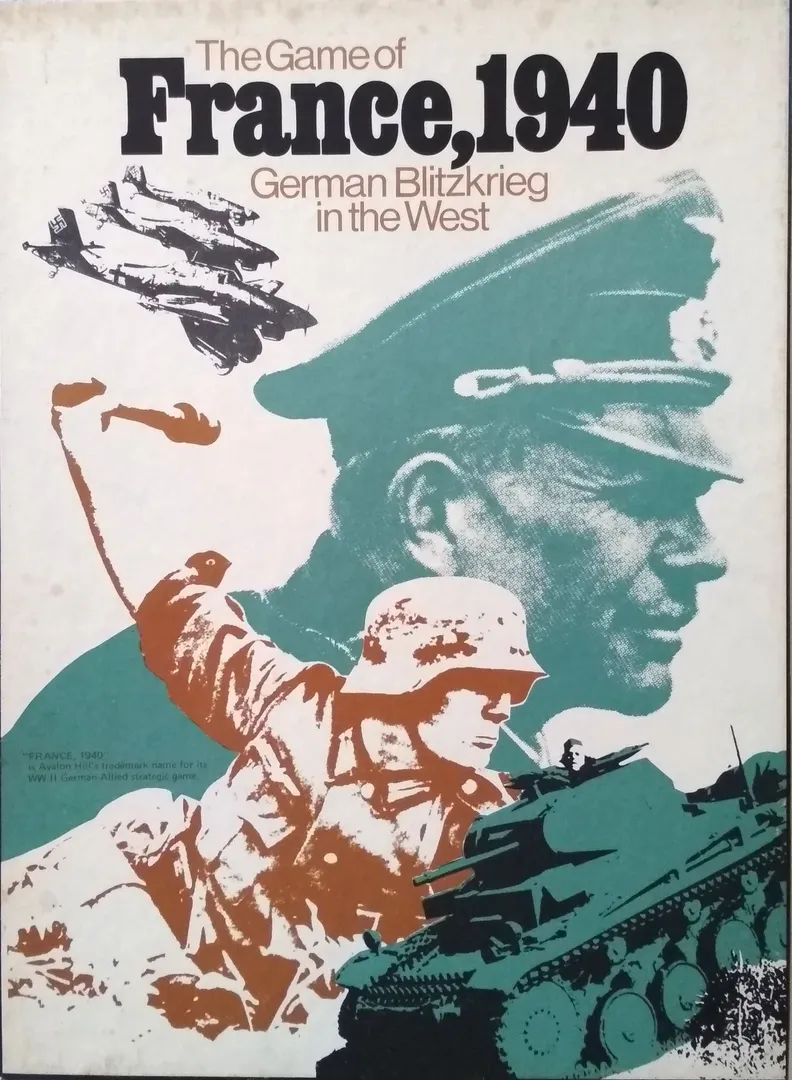
The Game of France, 1940: German Blitzkrieg in the West
- 2 players
- 180 min
- Complexity 2.7/5
- 1971
1969
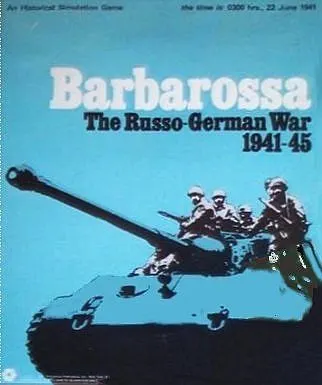
Rules assistance for Barbarossa: The Russo-German War 1941-45
Plain-language explanations of turns, card effects and disputed situations, with official source references and saved question history.
For 2 players
What would you like to know?
Answers come from the official rulebook, with the page to check.
Barbarossa: The Russo-German War 1941-45 is a board game released in 1969 for 2 players, 360 minutes per game, and ages 14 and up. It was designed by Jim Dunnigan and its main mechanics are Dice Rolling, Hexagon Grid, and Simulation.

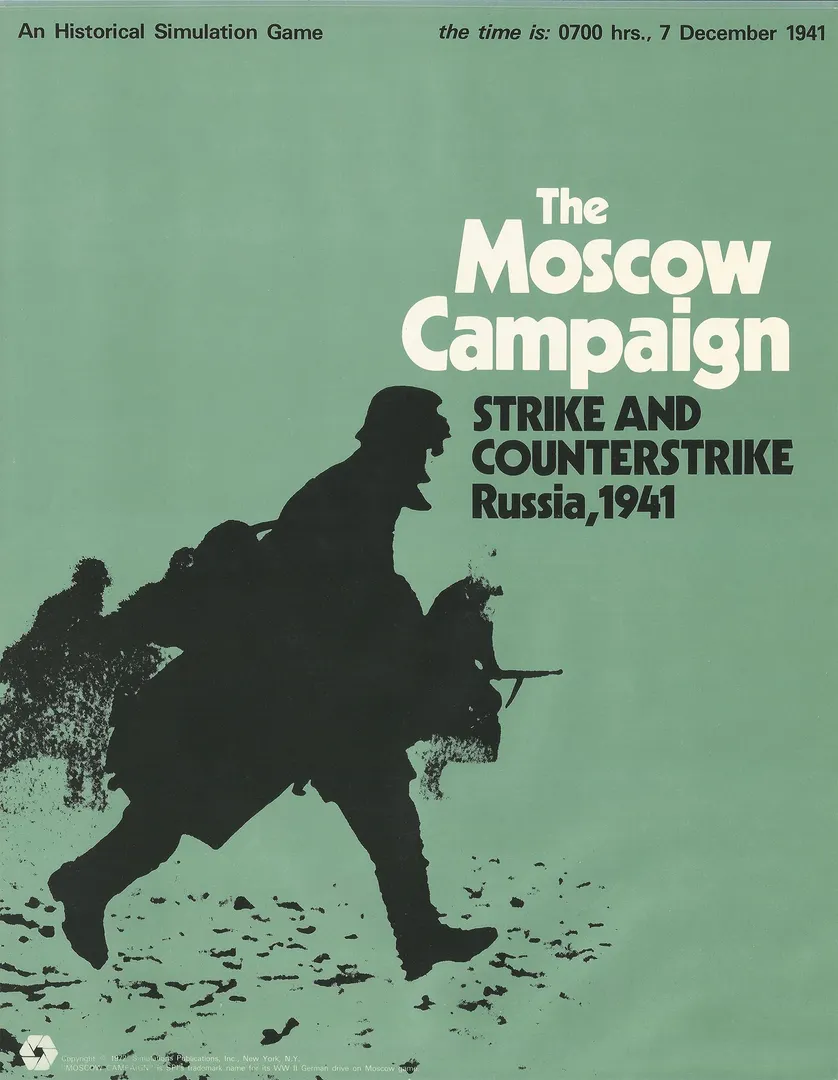


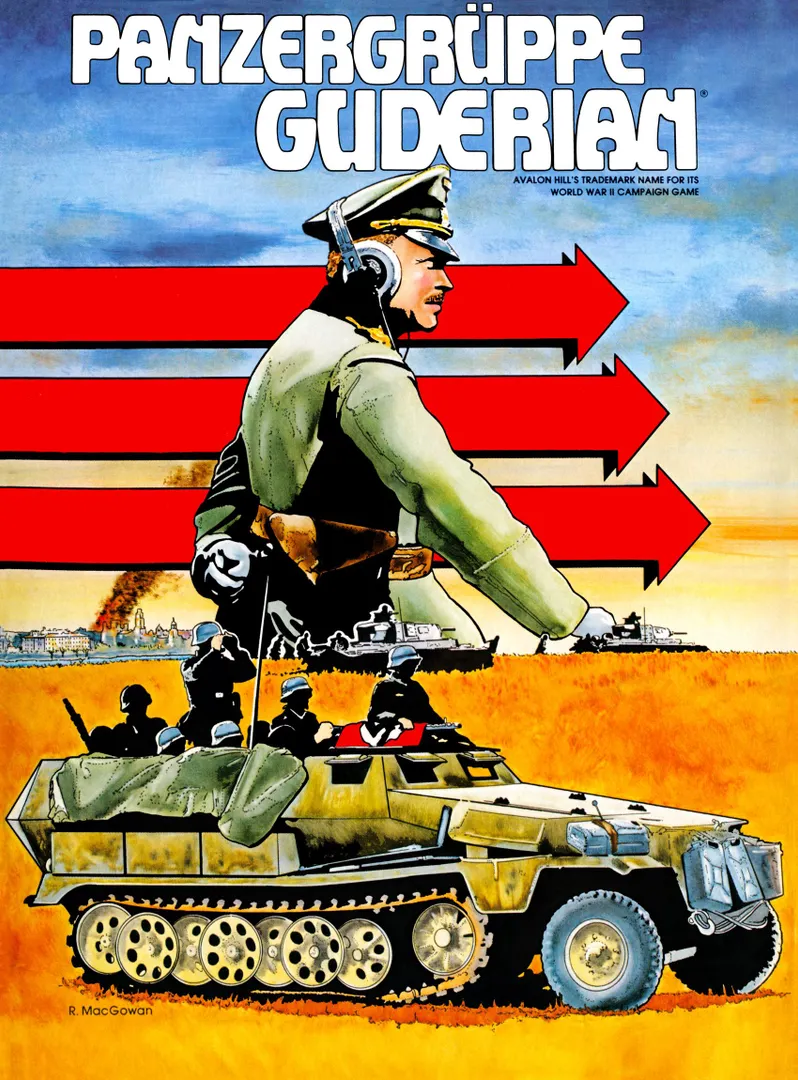


On June 22, 1941, before dawn, German tanks and guns began firing across the Russian border. It was the beginning of Hitler's Operation Barbarossa, one of the most brutal campaigns in the history of warfare. Four years later, the victorious Red Army has suffered a loss of seven million lives. The Barbarossa campaign included some of the greatest episodes in military history: the futile attack on Moscow in the winter of 1941-42, the siege of Stalingrad, the great Russian offensive beginning in 1944 that would lead the Red Army to the historic meeting with the Americans at the Elbe and on to victory in Berlin. Barbarossa is not simply one game but it is composed of three different types of games. 1) The Standard Games: There are four of these games. They depict specific situations of crucial parts of the war 2)The Campaign Game: It combines the four afforementioned games and fill in the gaps so that the campaign can be played out in sequence 3)The Variable situations: Several "what if" historical effects are examined when added to the above games. The Game includes a 23" by 29" map sheet that portrays the area os the Soviet Union in which the operations took place. A hexagonal grid is superimposed upon the map to regularize the movement and the position of the playing pieces. The combat map is all inclusive with a Terrain Effects Chart (TEC) and Combat Results Table(CRT) There are two types of units each repressenting one of the opposing armies.Each piece is distinguished by type strenght nationality and mobolity. How To Play Each player moves his Units and executes attacks in turn.Players have as an objective to destroy the enemy units and gaining territory whilst minimizing friendly unit loses. The combat is resolved by comparing attack and defence strengths of adjacent opposing units and expressing the comparison as a simplified probability ratio(odds) After the defender has chosen which CRT table will be used a die is rolled and the outcome indicated by cross referencing the die roll result and the odds column is applied to the unit being attacked. Barbarossa is played in turns. Each Game-turn is composed of two player turns that are divided into three phases.
Barbarossa: The Russo-German War 1941-45 supports 2 players according to the catalogue. This is the publisher’s listed player count, so the game is designed for exactly that number of participants. Variants for other group sizes, if any, are described in the rulebook of your edition, so check it before setting up a different configuration.
The listed playing time for Barbarossa: The Russo-German War 1941-45 is 360 minutes. This is the publisher’s estimate for a full game. The actual duration depends on the group, the player count and familiarity with the rules: first sessions usually run longer, while experienced groups often finish faster. Setup and teaching time are not included in this estimate.
The catalogue lists Barbarossa: The Russo-German War 1941-45 for ages 14 and up. This is the publisher’s recommendation and reflects reading demands, rule complexity and small components rather than theme alone. Younger players can often join with help from an adult, so check the age guidance on your edition and consider your group’s experience with board games.
Barbarossa: The Russo-German War 1941-45 has a complexity rating of 2.3 out of 5 from BoardGameGeek players, which makes it a medium-light game. The rating reflects how much rules knowledge, planning and decision-making a typical game demands. Expect a longer first teach for heavier games, and use a preparation guide before game night.
Barbarossa: The Russo-German War 1941-45 belongs to these categories: Wargame and World War II. Its main mechanics are Dice Rolling, Hexagon Grid, and Simulation. Categories describe the theme and setting of a game, while mechanics describe what players actually do on their turns. Each mechanic links to a catalogue hub with similar games, which helps when you want something comparable.
The credited designers of Barbarossa: The Russo-German War 1941-45 are: Jim Dunnigan. These credits come from the published game data and name the people responsible for the game’s design, not its illustrators or publishers. Designer pages on MeepleRules collect other titles by the same designers, which helps when you enjoy a game and want to find similar ones.
The catalogue lists Barbarossa: The Russo-German War 1941-45 as a base game. It can be played on its own with the components in the box and does not require any other title. Expansions, if any exist, add new content or rules on top of it and are listed separately in the catalogue with a link back to this base game.