

- BGG rank
- BGG #14,254
- BGG rating
- 7.3
Afrikakorps: Decision in the Desert, 1941-42
- 1–2 players
- 240 min
- Complexity 2.4/5
- 2010

2014
Rules assistance for Bloody Ridge: Guadalcanal, 12-14 September 1942
Plain-language explanations of turns, card effects and disputed situations, with official source references and saved question history.
For 1 player
What would you like to know?
Answers come from the official rulebook, with the page to check.
Bloody Ridge: Guadalcanal, 12-14 September 1942 is a board game released in 2014 for 1 player. It was designed by Ty Bomba and its main mechanics are Hexagon Grid.


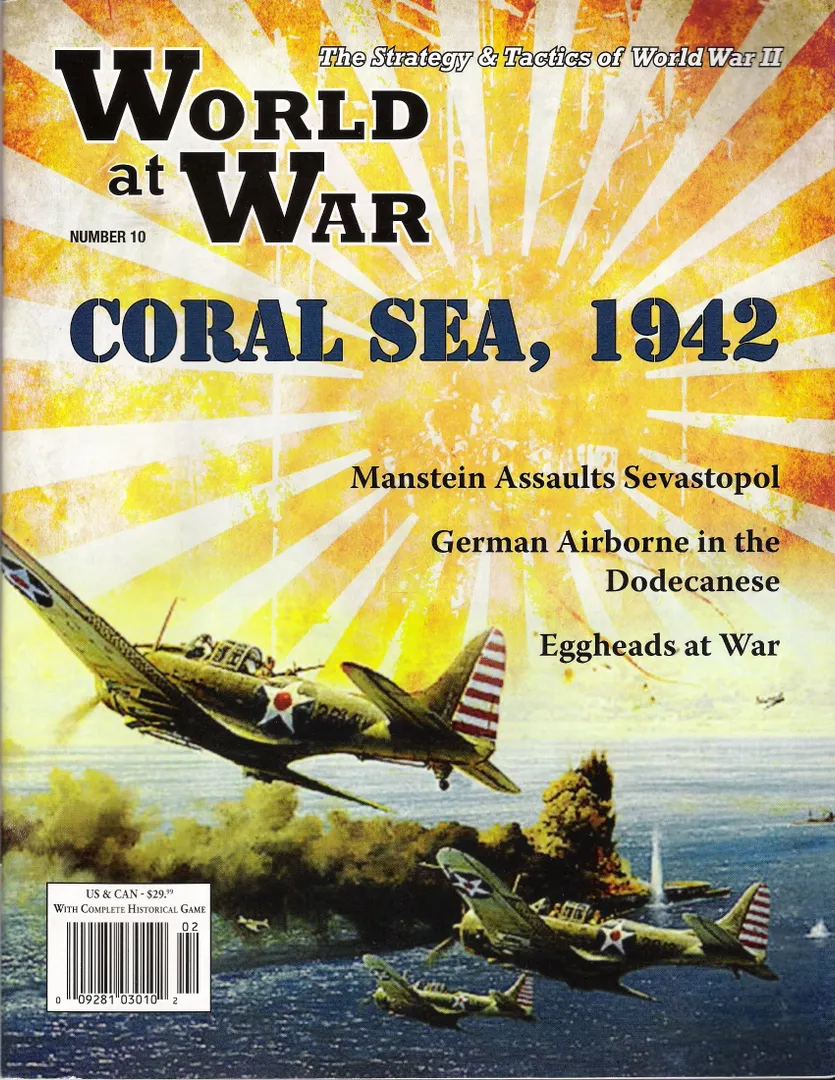


Bloody Ridge: Decision on Guadalcanal, 13 September 1942 (BR for short) is a purpose-designed solitaire wargame of low complexity simulating the climactic Japanese night attack of that date. The attacked was aimed at nothing less than the capture of Henderson Field and the annihilation of the entire US ground force on the island. You are on the offensive, commanding the Japanese attack force that’s attempting to break through the US Marine defense. The rules system, with your help in handling the mechanics of the process, runs the Marine defense. You win by exiting one or more Japanese units off the north edge of the map, or by eliminating the 1st Marine Division headquarters. Each game turn of BR is equal to about two hours of “real time.” Each hexagon represents 125 yards from side to opposite side. Each unit-counter represents a fire-team, squad, platoon, company or some other similarly sized ad hoc grouping of infantry and/or support weapons. The effect of the historically important off-map USMC field artillery is covered by the bombardment rules (see section 8.0). Components: One 22" x 34" map & 228 counters Magazine: World at War #37
Bloody Ridge: Guadalcanal, 12-14 September 1942 supports 1 player according to the catalogue. This is the publisher’s listed player count, so the game is designed for exactly that number of participants. Variants for other group sizes, if any, are described in the rulebook of your edition, so check it before setting up a different configuration.
Bloody Ridge: Guadalcanal, 12-14 September 1942 has a complexity rating of 2.4 out of 5 from BoardGameGeek players, which makes it a medium-light game. The rating reflects how much rules knowledge, planning and decision-making a typical game demands. Expect a longer first teach for heavier games, and use a preparation guide before game night.
Bloody Ridge: Guadalcanal, 12-14 September 1942 belongs to these categories: Wargame and World War II. Its main mechanics are Hexagon Grid. Categories describe the theme and setting of a game, while mechanics describe what players actually do on their turns. Each mechanic links to a catalogue hub with similar games, which helps when you want something comparable.
The credited designers of Bloody Ridge: Guadalcanal, 12-14 September 1942 are: Ty Bomba. These credits come from the published game data and name the people responsible for the game’s design, not its illustrators or publishers. Designer pages on MeepleRules collect other titles by the same designers, which helps when you enjoy a game and want to find similar ones.
The catalogue lists Bloody Ridge: Guadalcanal, 12-14 September 1942 as a base game. It can be played on its own with the components in the box and does not require any other title. Expansions, if any exist, add new content or rules on top of it and are listed separately in the catalogue with a link back to this base game.