

- BGG rank
- BGG #13,103
- BGG rating
- 7.2
NATO, Nukes & Nazis
- 2 players
- 180 min
- Complexity 3.8/5
- 1990

2018
Rules assistance for Brezhnev's War: NATO vs. the Warsaw Pact in Germany, 1980
Plain-language explanations of turns, card effects and disputed situations, with official source references and saved question history.
What would you like to know?
Answers come from the official rulebook, with the page to check.
Brezhnev's War: NATO vs. the Warsaw Pact in Germany, 1980 is a board game released in 2018 for 1–2 players, 240–360 minutes per game, and ages 12 and up. It was designed by Ty Bomba and its main mechanics are Dice Rolling and Hexagon Grid.

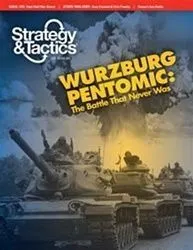
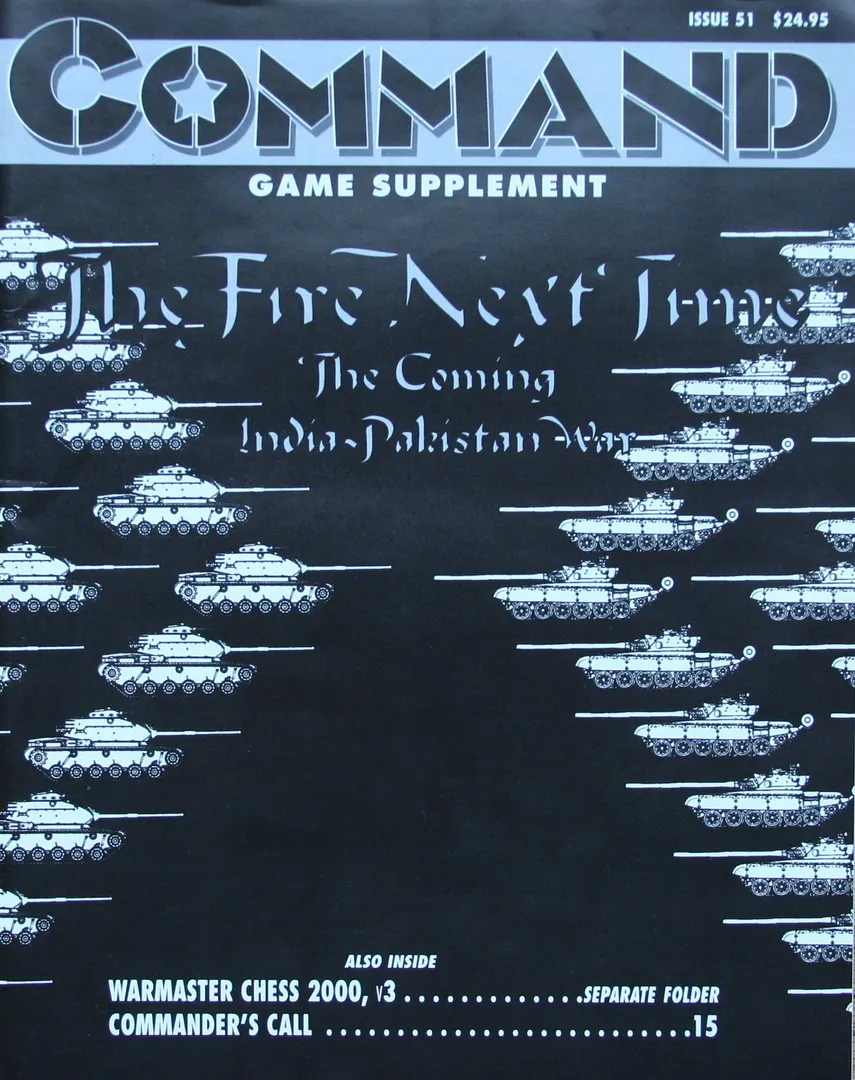


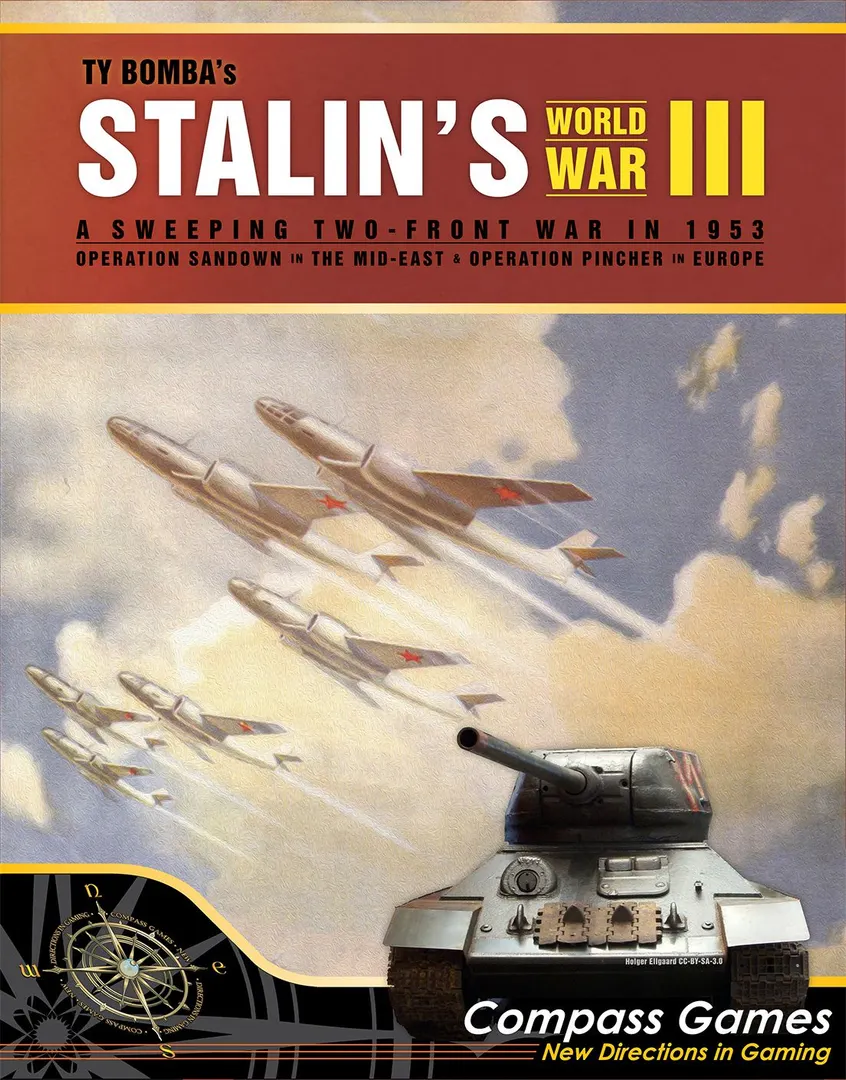
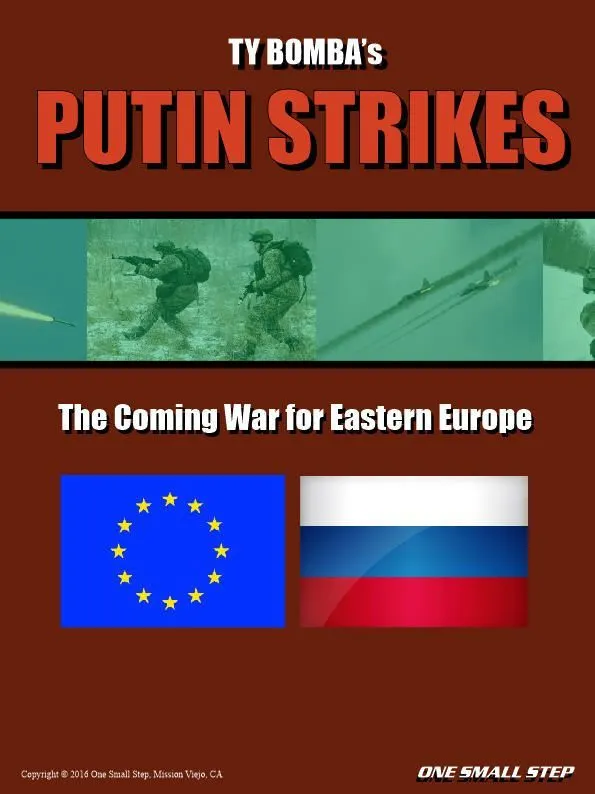


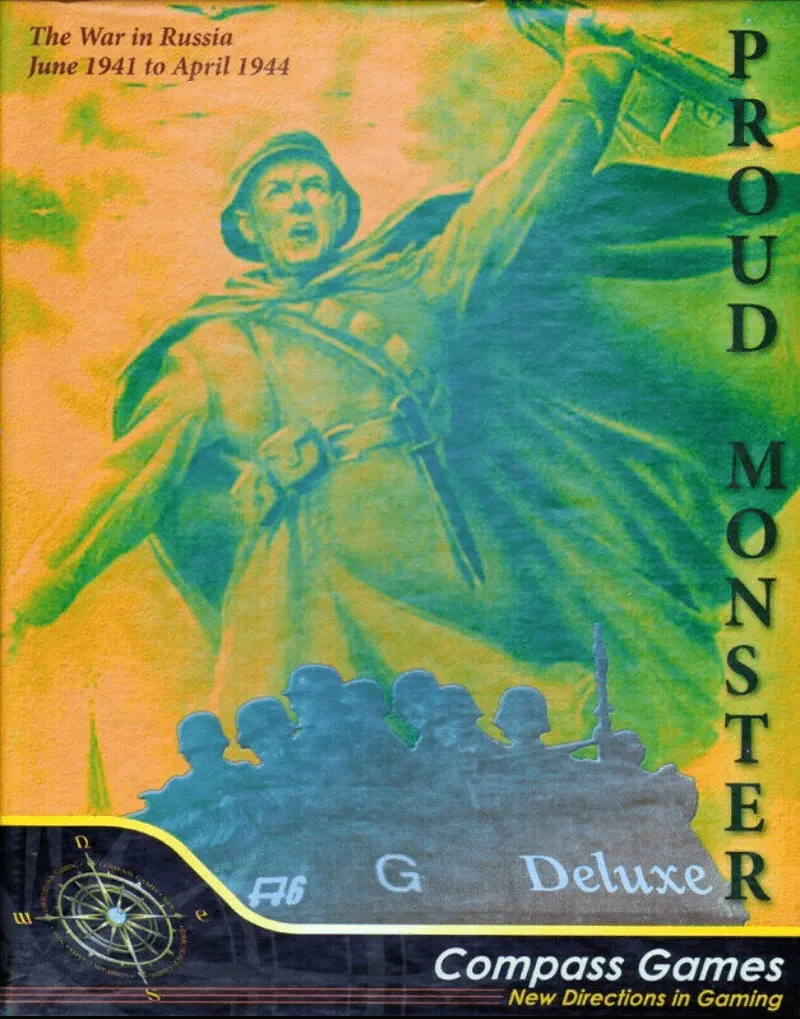
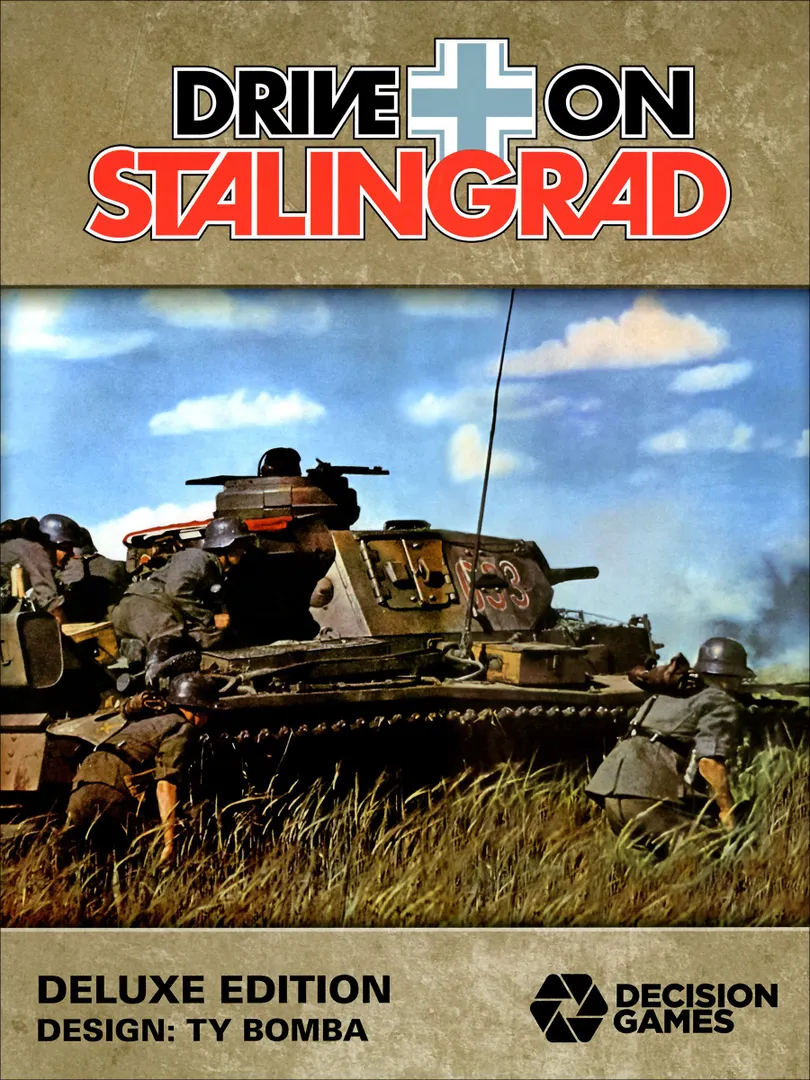
Brezhnev’s War: NATO vs. the Warsaw Pact in Germany, 1980 enables two players to game the first month of a hypothesized communist invasion of Western Europe sometime between the fall of Saigon and the start of the Soviet intervention in Afghanistan. It was during that period the conventional “correlation of forces” between the two hostile alliances most favored the communists. The scenario portrayed is the one that was most anticipated and feared by NATO’s intelligence analysts at the time. That is, despite their knowledge of the existence of Soviets plans to begin such a war with massive chemical and nuclear strikes, the West’s military planners gave those schemes little credence. They knew the Soviets understood such a strategy would bring on immediate nuclear retaliation by the West. That would’ve ended the war as quickly as it began – mostly likely along with all of civilization – with no winner identifiable. What was feared then was, one fine summer day, the Soviet units in East Germany would move out from eating breakfast in their mess halls and roll across the border into West Germany. It would’ve been a “come as you are” kind of war, the aim of which would’ve been to blitz across Germany – using only conventional weaponry – in under a month. The Soviets would then have called for a ceasefire before any nuclear or chemical weapons had been detonated or the massive economic power of the Atlantic community brought to bear. With that, West Germany – the geo-strategic lynchpin of NATO in Europe – would’ve been neutralized and its Ruhr industrial area – then as now, one of the most important manufacturing centers on the planet – entirely wrecked. That would’ve caused a shift in the global balance of power in favor of the Kremlin, setting them up to deliver the knockout blow later. The 50” x 35” map covers the core area of the Federal Republic of Germany at 6.66 miles (10.8 km) per hex. There are 352 large-size (5/8”) unit counters, representing the divisions and brigades immediately on scene at the time, along with the masses of other units that could’ve been sent as reinforcements. Each of the 10 game turns represent three days of real time. The turn sequence uses the classic fight-move or move-fight structure. Special rules account for heliborne units, Spetsnaz, the ultra-elite Soviet Eighth Guards and Guards Airborne Armies, East German and Czechoslovakian disloyalty, ranged Soviet artillery divisions, air power, supply, the criticality of Frankfurt for US operations, paradrops, German territorials, electronic warfare and variable Soviet victory objectives. The overall system is simple, at about 6 on the 1-10 scale. Two experienced players can get through a match in about four to six hours.
Brezhnev's War: NATO vs. the Warsaw Pact in Germany, 1980 supports 1–2 players according to the catalogue. This range comes from the publisher’s listed player count, so the game can be set up for any group size within it. Some setups, rules and scoring details may still vary by player count, so check your edition’s rulebook for the exact configuration.
The listed playing time for Brezhnev's War: NATO vs. the Warsaw Pact in Germany, 1980 is 240–360 minutes. This is the publisher’s estimate for a full game. The actual duration depends on the group, the player count and familiarity with the rules: first sessions usually run longer, while experienced groups often finish faster. Setup and teaching time are not included in this estimate.
The catalogue lists Brezhnev's War: NATO vs. the Warsaw Pact in Germany, 1980 for ages 12 and up. This is the publisher’s recommendation and reflects reading demands, rule complexity and small components rather than theme alone. Younger players can often join with help from an adult, so check the age guidance on your edition and consider your group’s experience with board games.
Brezhnev's War: NATO vs. the Warsaw Pact in Germany, 1980 has a complexity rating of 2.0 out of 5 from BoardGameGeek players, which makes it a medium-light game. The rating reflects how much rules knowledge, planning and decision-making a typical game demands. Expect a longer first teach for heavier games, and use a preparation guide before game night.
Brezhnev's War: NATO vs. the Warsaw Pact in Germany, 1980 belongs to these categories: Wargame and Modern Warfare. Its main mechanics are Dice Rolling and Hexagon Grid. Categories describe the theme and setting of a game, while mechanics describe what players actually do on their turns. Each mechanic links to a catalogue hub with similar games, which helps when you want something comparable.
The credited designers of Brezhnev's War: NATO vs. the Warsaw Pact in Germany, 1980 are: Ty Bomba. These credits come from the published game data and name the people responsible for the game’s design, not its illustrators or publishers. Designer pages on MeepleRules collect other titles by the same designers, which helps when you enjoy a game and want to find similar ones.
The catalogue lists Brezhnev's War: NATO vs. the Warsaw Pact in Germany, 1980 as a base game. It can be played on its own with the components in the box and does not require any other title. Expansions, if any exist, add new content or rules on top of it and are listed separately in the catalogue with a link back to this base game.