
- BGG rank
- BGG #16,921
- BGG rating
- 7.2
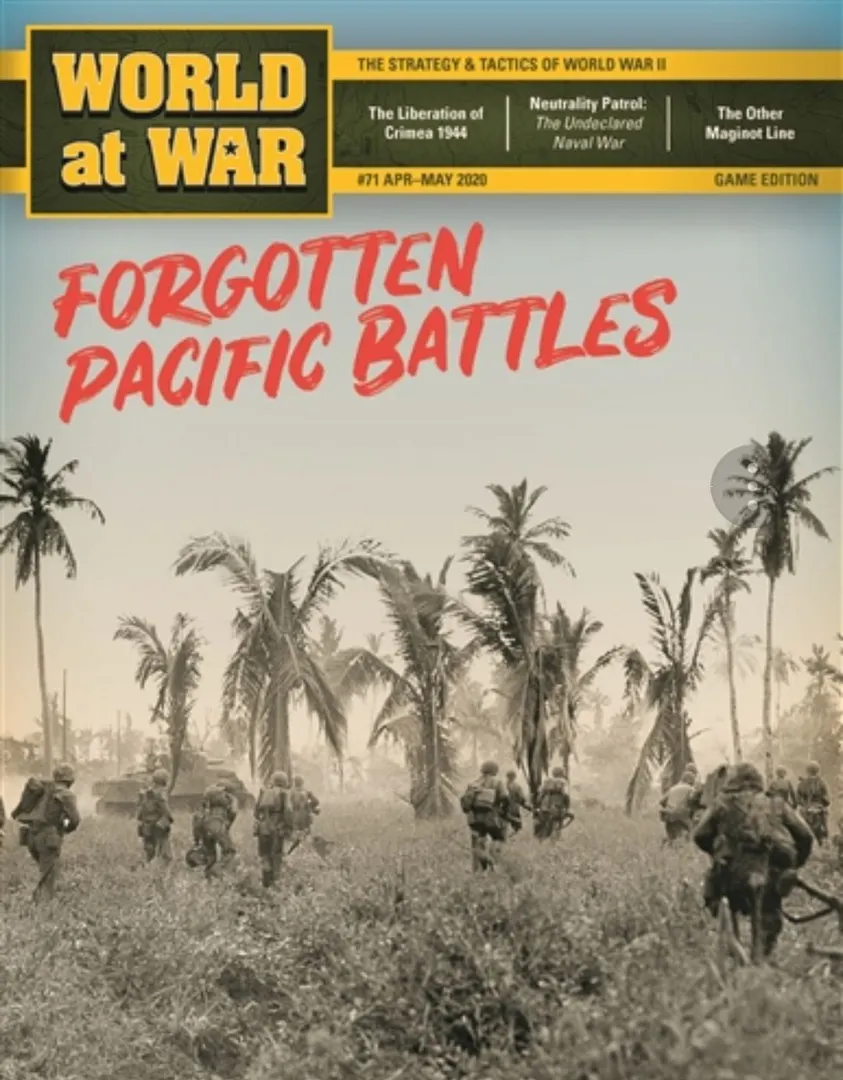
Forgotten Pacific Battles
- 1–2 players
- 30–180 min
- Complexity 2.7/5
- 2020
2010
Rules assistance for Chalons: The Fate of Europe
Plain-language explanations of turns, card effects and disputed situations, with official source references and saved question history.
For 1 player
What would you like to know?
Answers come from the official rulebook, with the page to check.
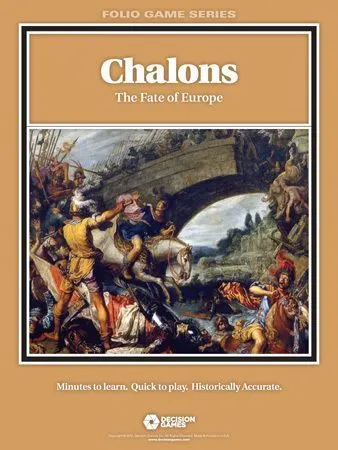
Chalons: The Fate of Europe is a board game released in 2010 for 1–2 players, 60 minutes per game, and ages 12 and up. It was designed by Eric R. Harvey and its main mechanics are Dice Rolling, Grid Movement, and Hexagon Grid.


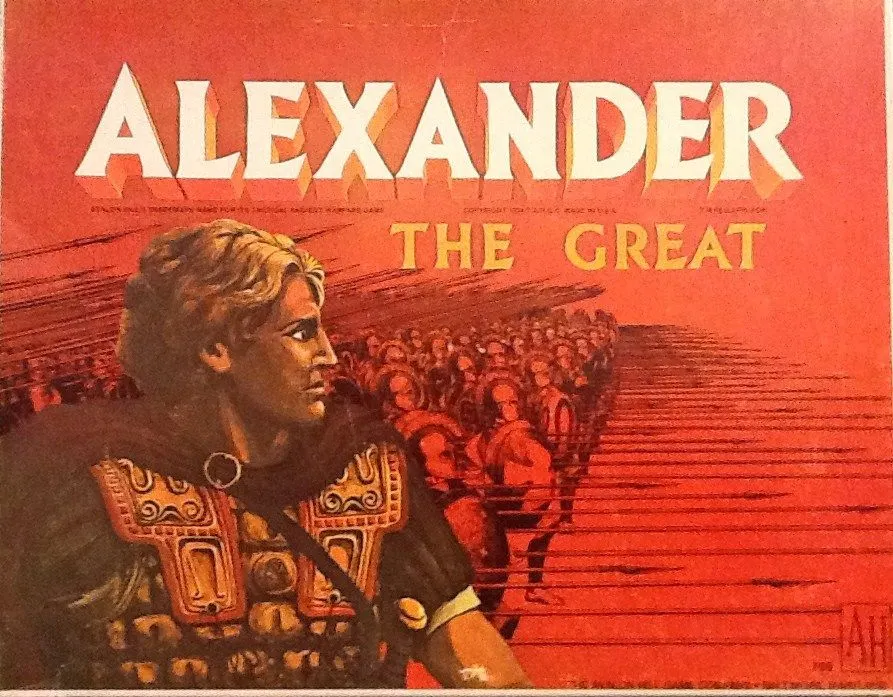
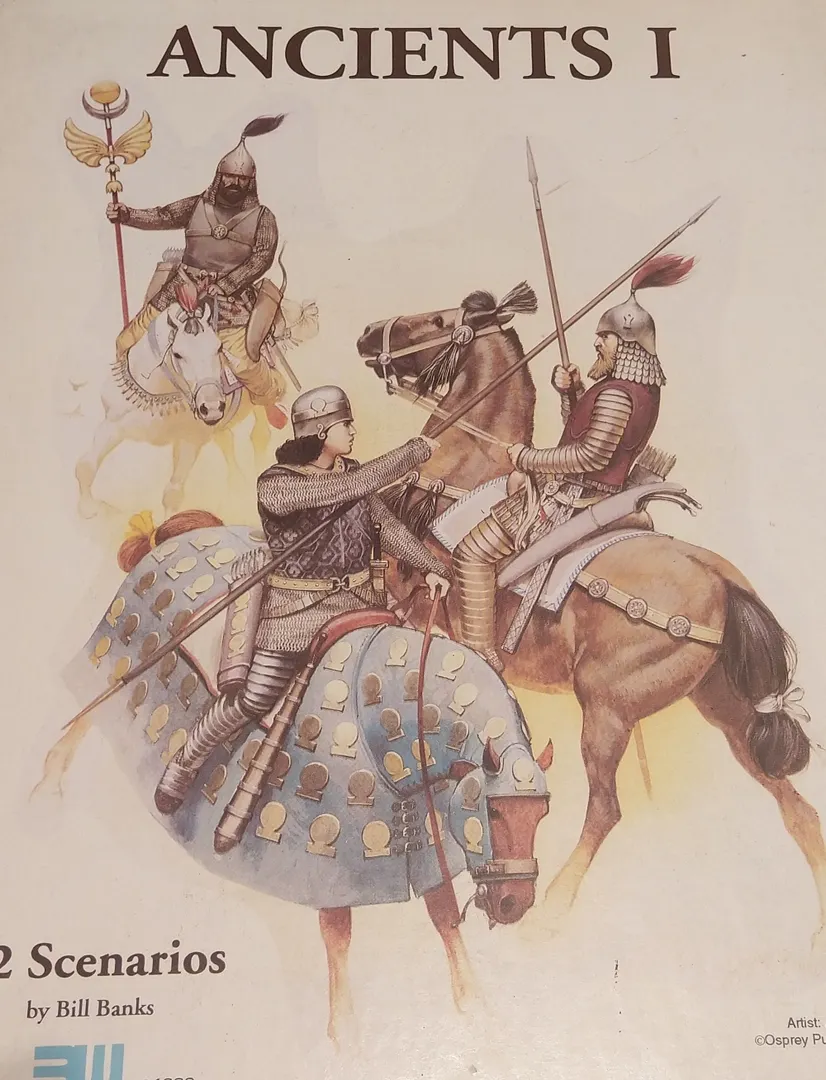
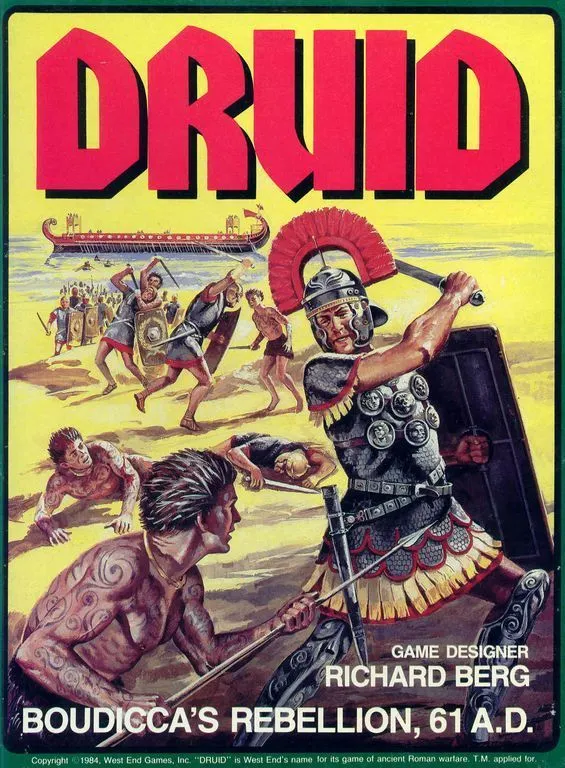

(from Decision Games' website:) Throughout the mid-5th century AD, Attila's Huns terrorized Europe. The skill of the Hun horsemen, particularly their accuracy with the composite bow while mounted, made them a veritable shock army. They continued to bring victory after victory to Attila, making him the master of Central Europe. After years of conquest, oppression and extortion, however, Attila's recent invasion of Western Europe would be challenged: a remnant Roman army, under the command of Flavius Aetius, was sent to stop him on a field known as the Catalaunian Plain, near the village of Chalons. The Battle of Chalons would decide the fate of Europe. Chalons utilizes the tried-and-true Battles of the Ancient World system, providing a simple yet accurate portrayal of ancient warfare. The combat system is intuitive, including all of the details that characterized warfare in the era of sword and shield. Various units may simply be swordsmen, while others may be archers or javelin throwers, horsemen, etc. The system includes rules for leaders, charges, melee, diversionary attacks, demoralization and more. A group of barbarians, for example, may be ordered to charge an enemy phalanx that had already hurled their javelins. As the barbarians near the phalanx, however, they may be ambushed by enemy ballistas hidden behind the ranks and waiting to disrupt just such a charge. In Chalons the traditional design of the classic Combat Results Table emphasizes playability while also simulating the true strictures of ancient warfare. Famous leaders, such as Attila, also influence combat, replicating the importance of their presence during battle. Winning will depend on deployment, maneuver and opportunity, as well as the strengths and weaknesses of each particular army. Contents: 17 x 22" (43 x 56 cm) terrain map 100 die-cut counters One Standard Rules booklet for this series One Exclusive Rules booklet for this title
Chalons: The Fate of Europe supports 1–2 players according to the catalogue. This range comes from the publisher’s listed player count, so the game can be set up for any group size within it. Some setups, rules and scoring details may still vary by player count, so check your edition’s rulebook for the exact configuration.
The listed playing time for Chalons: The Fate of Europe is 60 minutes. This is the publisher’s estimate for a full game. The actual duration depends on the group, the player count and familiarity with the rules: first sessions usually run longer, while experienced groups often finish faster. Setup and teaching time are not included in this estimate.
The catalogue lists Chalons: The Fate of Europe for ages 12 and up. This is the publisher’s recommendation and reflects reading demands, rule complexity and small components rather than theme alone. Younger players can often join with help from an adult, so check the age guidance on your edition and consider your group’s experience with board games.
Chalons: The Fate of Europe has a complexity rating of 2.0 out of 5 from BoardGameGeek players, which makes it a medium-light game. The rating reflects how much rules knowledge, planning and decision-making a typical game demands. Expect a longer first teach for heavier games, and use a preparation guide before game night.
Chalons: The Fate of Europe belongs to these categories: Wargame and Ancient. Its main mechanics are Dice Rolling, Grid Movement, and Hexagon Grid. Categories describe the theme and setting of a game, while mechanics describe what players actually do on their turns. Each mechanic links to a catalogue hub with similar games, which helps when you want something comparable.
The credited designers of Chalons: The Fate of Europe are: Eric R. Harvey. These credits come from the published game data and name the people responsible for the game’s design, not its illustrators or publishers. Designer pages on MeepleRules collect other titles by the same designers, which helps when you enjoy a game and want to find similar ones.
The catalogue lists Chalons: The Fate of Europe as a base game. It can be played on its own with the components in the box and does not require any other title. Expansions, if any exist, add new content or rules on top of it and are listed separately in the catalogue with a link back to this base game.