
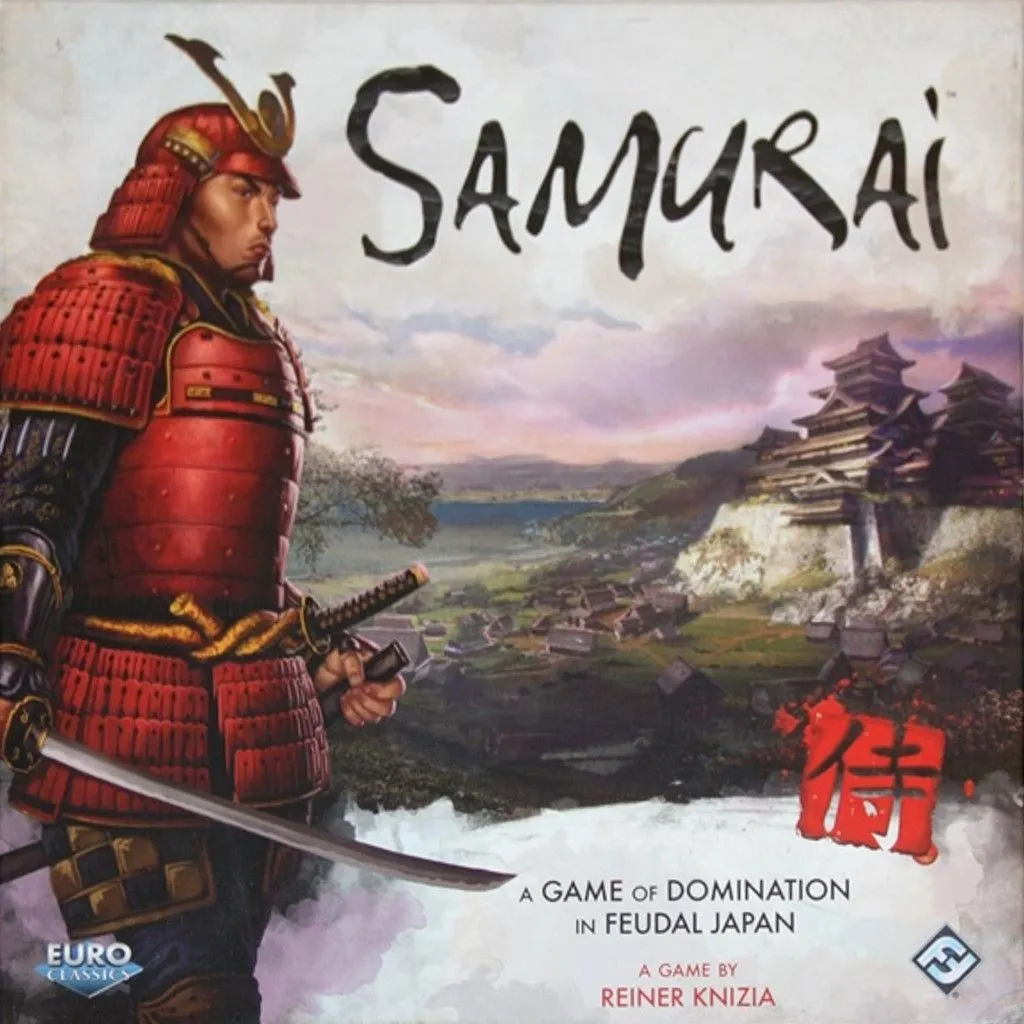
- BGG rank
- BGG #286
- BGG rating
- 7.5
Samurai
- 2–4 players
- 30–60 min
- Complexity 2.4/5
- 1998
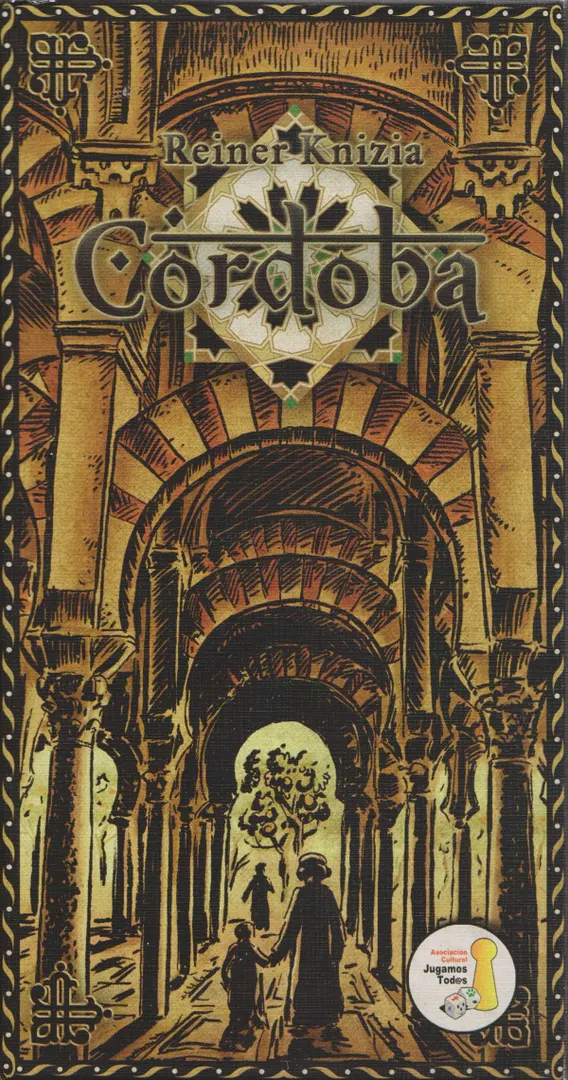
2008
Rules assistance for Córdoba
Plain-language explanations of turns, card effects and disputed situations, with official source references and saved question history.
For 2 players
What would you like to know?
Answers come from the official rulebook, with the page to check.
Córdoba is a board game released in 2008 for 2 players and 20 minutes per game. It was designed by Reiner Knizia and its main mechanics are Hand Management, Set Collection, and Area Majority / Influence.
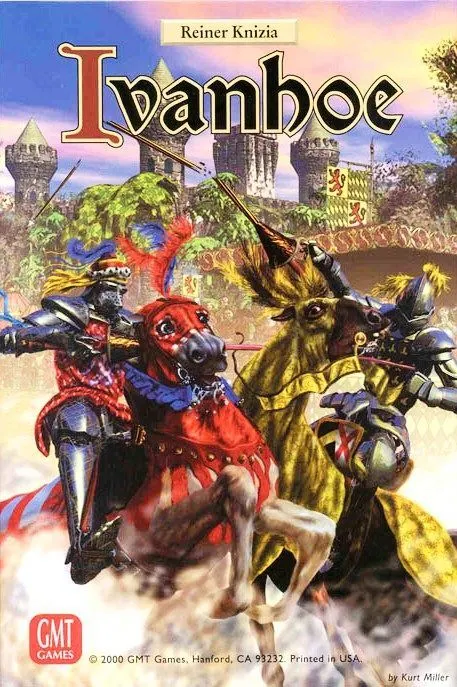
Córdoba more than one thousand years ago: the most prosperous city of the age, Jewel of West, Ornament of the World, the City of the Three Cultures, capital of the independent caliphate of Al-Andalus. Culture, Arts and Sciences reached the pinnacle of an era. In creating the most significant landmarks of this old Qurtuba cty, men and women try to leave their mark on history. Two powers compete for control over the historic city of Córdoba. Which side will prevail? Components consist of 7 historic landmarks of the city with values 1 to 7, 1 start player tile and 2 sets of 10 cards each with powers 1 to 10. Both players start with one set of cards and play them alternately next to one of the landmarks. When all cards have been played, the player with the highest total power next to a landmark controls this landmark. The player with the highest total value of controlled landmarks wins the game. Córdoba hace algo más de 1000 años: la ciudad más próspera de su era, joya de occidente, ornamento del mundo, ciudad de las tres culturas, capital del califato independiente de al-Andalus. La Cultura, las Artes y las Ciencias alcanzaron el cénit de su tiempo. En los más significativos paisajes de aquella antigua ciudad de Qurtuba, hombres y mujeres dejaron su huella en la historia. Dos personas compiten por el control de la histórica ciudad de Córdoba. ¿De qué lado caerá la victoria? Los componentes son 7 fichas de monumentos históricos de la ciudad con valores del 1 al 7, y ficha de jugador inicial y 2 mazos de 10 cartas cada uno con valores del 1 al 10. Cada persona comienza la partida con un mazo de 10 cartas del mismo dorso, que irán jugando alternativamente junto a cada uno de los lugares históricos. Cuando se han jugado todas las cartas, quien tenga la suma total más alta en sus cartas junto a un monumento, toma su control. Quien tenga la suma final de monumentos de más valor, obtendrá la victoria en la partida y en el juego de Córdoba.
Córdoba supports 2 players according to the catalogue. This is the publisher’s listed player count, so the game is designed for exactly that number of participants. Variants for other group sizes, if any, are described in the rulebook of your edition, so check it before setting up a different configuration.
The listed playing time for Córdoba is 20 minutes. This is the publisher’s estimate for a full game. The actual duration depends on the group, the player count and familiarity with the rules: first sessions usually run longer, while experienced groups often finish faster. Setup and teaching time are not included in this estimate.
Córdoba has a complexity rating of 1.2 out of 5 from BoardGameGeek players, which makes it a light game. The rating reflects how much rules knowledge, planning and decision-making a typical game demands. Expect a longer first teach for heavier games, and use a preparation guide before game night.
Córdoba belongs to these categories: Card Game and Medieval. Its main mechanics are Hand Management, Set Collection, and Area Majority / Influence. Categories describe the theme and setting of a game, while mechanics describe what players actually do on their turns. Each mechanic links to a catalogue hub with similar games, which helps when you want something comparable.
The credited designers of Córdoba are: Reiner Knizia. These credits come from the published game data and name the people responsible for the game’s design, not its illustrators or publishers. Designer pages on MeepleRules collect other titles by the same designers, which helps when you enjoy a game and want to find similar ones.
The catalogue lists Córdoba as a base game. It can be played on its own with the components in the box and does not require any other title. Expansions, if any exist, add new content or rules on top of it and are listed separately in the catalogue with a link back to this base game.