
- BGG rank
- BGG #6,197
- BGG rating
- 8.3
Die Drei Kolosse
- 1–6 players
- 120–360 min
- Complexity 2.6/5
- 2023
2026
Rules assistance for Courtroom: The Noir Trilogy
Plain-language explanations of turns, card effects and disputed situations, with saved question history.
What would you like to know?
Answers come from the official rulebook, with the page to check.
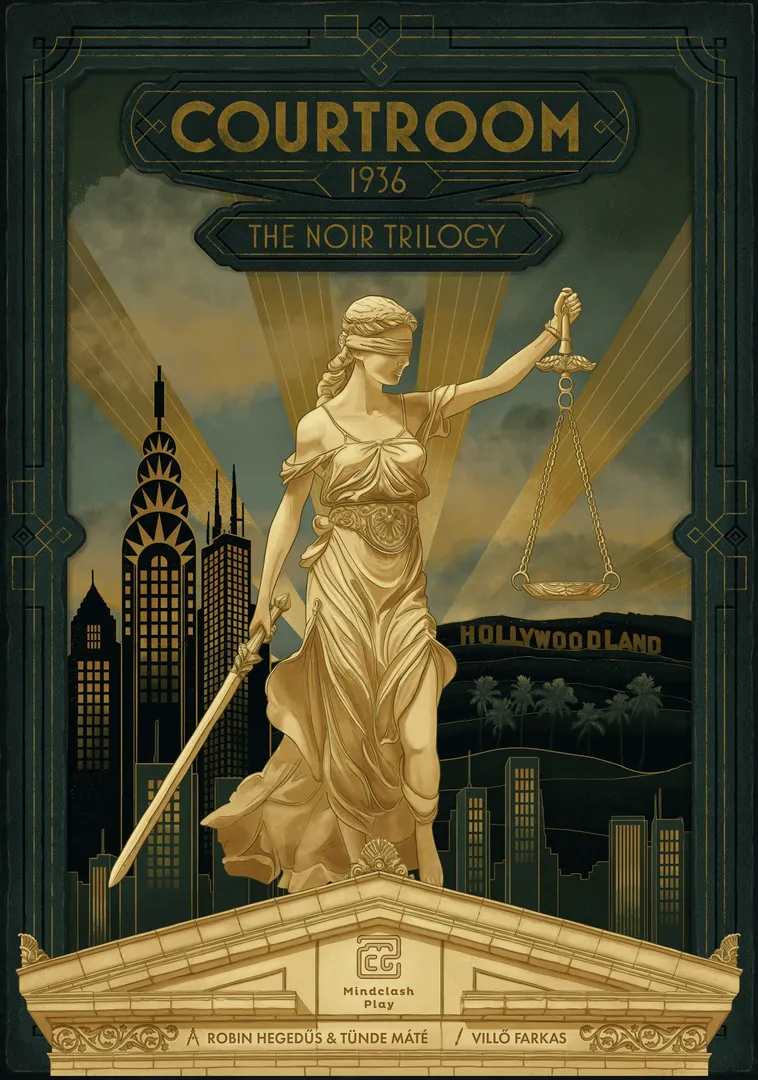
Courtroom: The Noir Trilogy is a board game released in 2026 for 2–6 players, 90 minutes per game, and ages 14 and up. It was designed by Robin Hegedűs and Tünde Máté and its main mechanics are Deduction, Storytelling, and Team-Based Game.
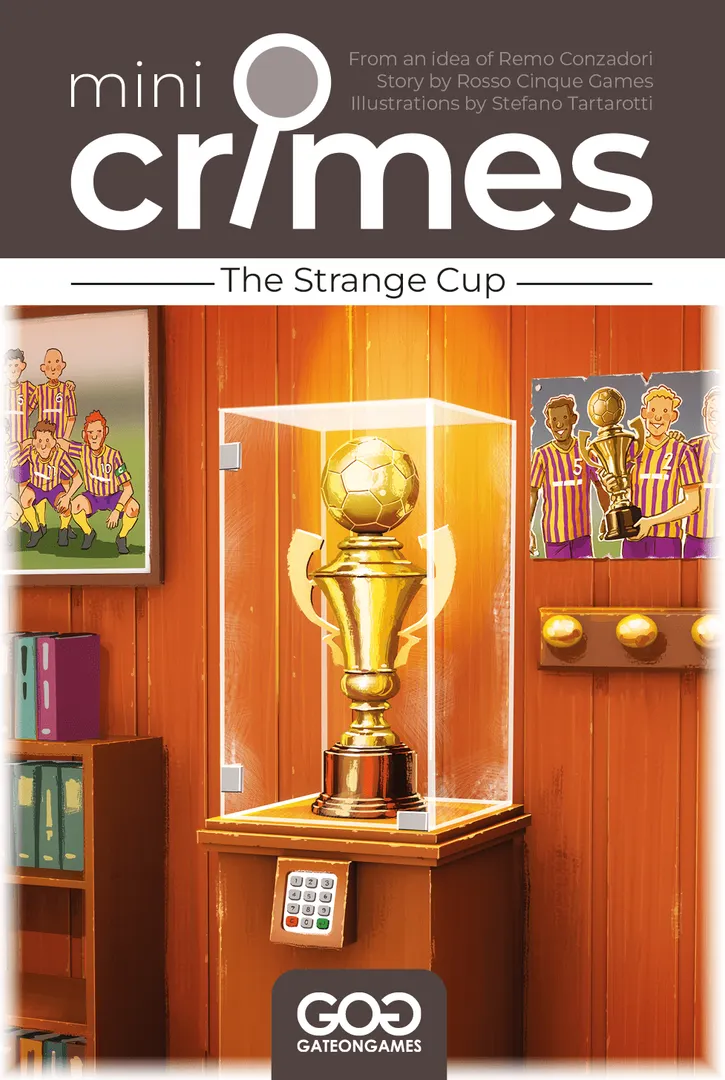
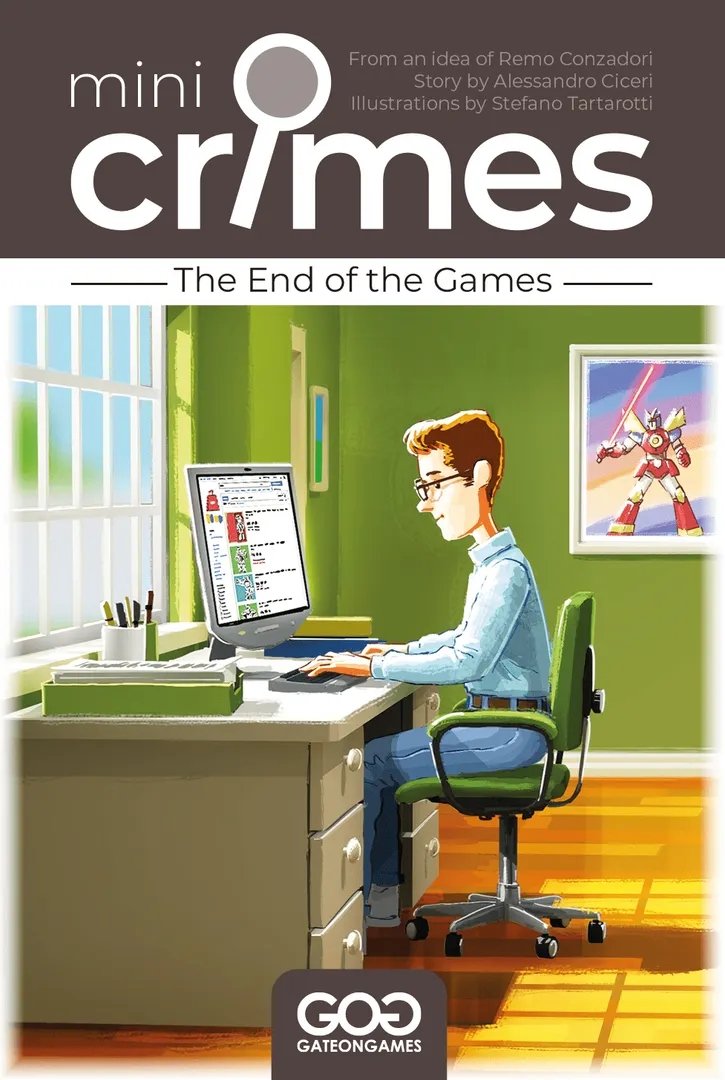


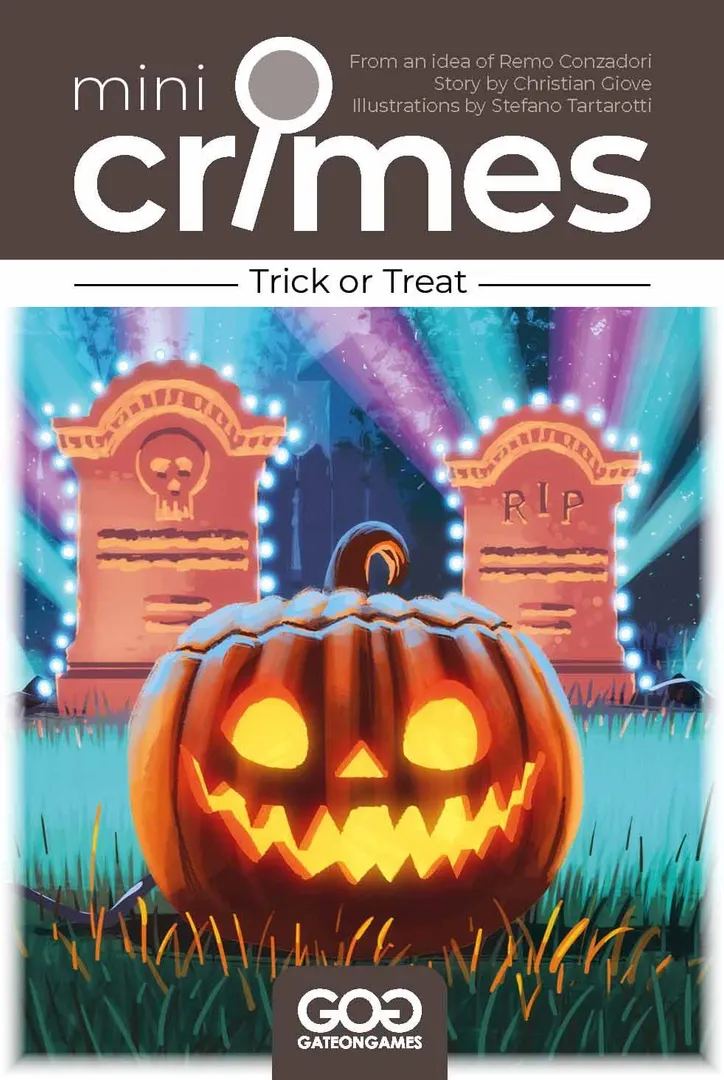


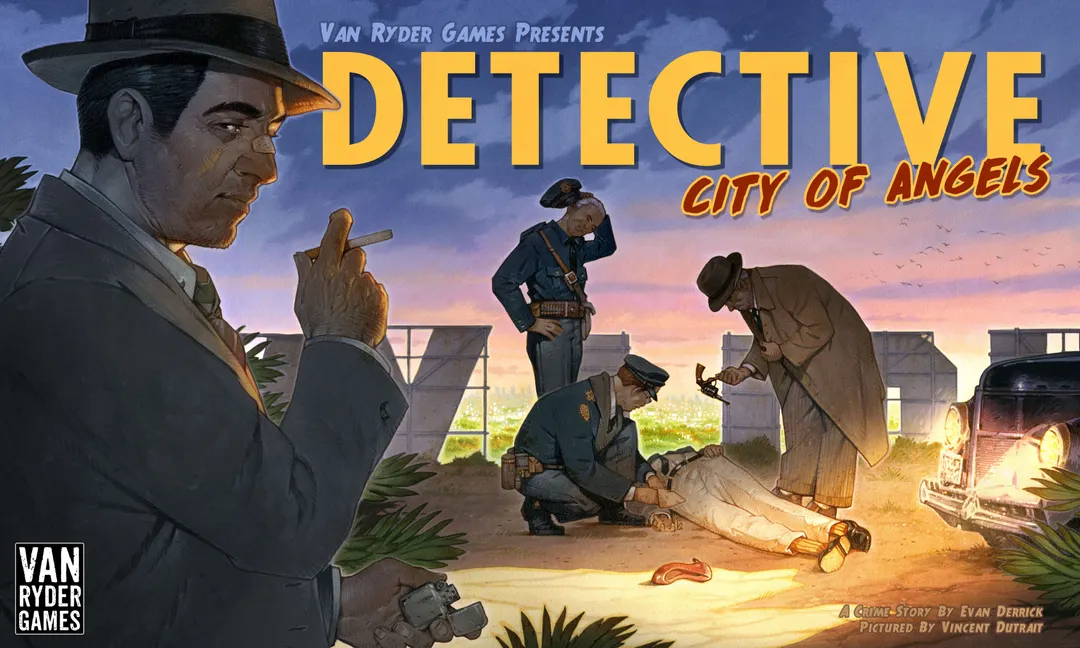
A defendant stands trial, but the facts do not speak for themselves. The Prosecution must convince the jury of the defendant's guilt, while the Defense fights for an acquittal. Courtroom: The Noir Trilogy is a competitive, team-based deduction game in a noir-inspired setting. Players divide into the Prosecution and the Defense, then investigate the same case from opposing perspectives. The teams take turns selecting evidence, keeping some discoveries private while revealing others, so each side must build its case from a different combination of shared and secret information. During the testimony phase, both teams secretly choose which evidence to present to each witness, then reveal their choices simultaneously. Each side has limited opportunities to object and force the opposition to change its question, or to press a witness for an additional response. Once all witnesses have been heard, the teams organize their evidence and testimony into coherent accounts of events that support their own positions and anticipate the other side's claims. One speaker from each team then delivers a closing argument. An evaluator from the opposing team checks the speech against case-specific key points and details that may persuade undecided jurors. Covering these points earns victory points, and the team with the higher score wins the trial. Courtroom includes three standalone cases, each with its own story and investigative twist. —description from the publisher
Courtroom: The Noir Trilogy supports 2–6 players according to the catalogue. This range comes from the publisher’s listed player count, so the game can be set up for any group size within it. Some setups, rules and scoring details may still vary by player count, so check your edition’s rulebook for the exact configuration.
The listed playing time for Courtroom: The Noir Trilogy is 90 minutes. This is the publisher’s estimate for a full game. The actual duration depends on the group, the player count and familiarity with the rules: first sessions usually run longer, while experienced groups often finish faster. Setup and teaching time are not included in this estimate.
The catalogue lists Courtroom: The Noir Trilogy for ages 14 and up. This is the publisher’s recommendation and reflects reading demands, rule complexity and small components rather than theme alone. Younger players can often join with help from an adult, so check the age guidance on your edition and consider your group’s experience with board games.
Courtroom: The Noir Trilogy belongs to these categories: Card Game, Deduction, and Murder / Mystery. Its main mechanics are Deduction, Storytelling, and Team-Based Game. Categories describe the theme and setting of a game, while mechanics describe what players actually do on their turns. Each mechanic links to a catalogue hub with similar games, which helps when you want something comparable.
The credited designers of Courtroom: The Noir Trilogy are: Robin Hegedűs and Tünde Máté. These credits come from the published game data and name the people responsible for the game’s design, not its illustrators or publishers. Designer pages on MeepleRules collect other titles by the same designers, which helps when you enjoy a game and want to find similar ones.
The catalogue lists Courtroom: The Noir Trilogy as a base game. It can be played on its own with the components in the box and does not require any other title. Expansions, if any exist, add new content or rules on top of it and are listed separately in the catalogue with a link back to this base game.


