
- BGG rank
- BGG #14,030
- BGG rating
- 7.0
Austerlitz 20
- 2 players
- 45 min
- Complexity 1.9/5
- 2009
2012
Rules assistance for Danube 20: The Battles of Aspern-Essling & Wagram 1809
Plain-language explanations of turns, card effects and disputed situations, with official source references and saved question history.
For 1 player
What would you like to know?
Answers come from the official rulebook, with the page to check.
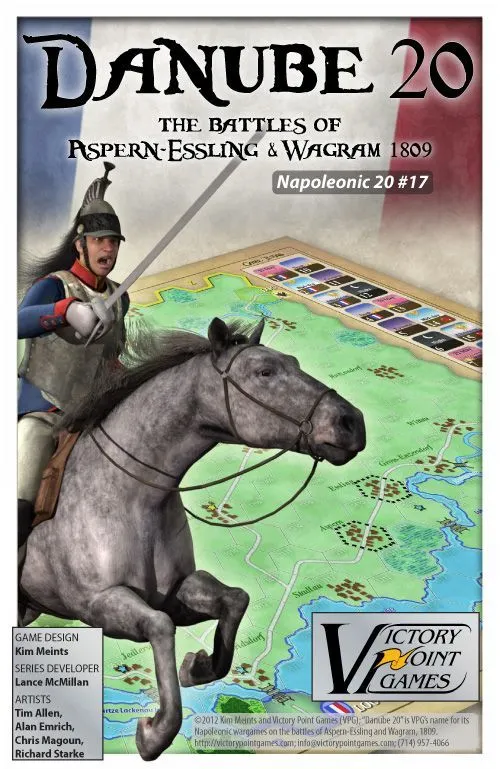
Danube 20: The Battles of Aspern-Essling & Wagram 1809 is a board game released in 2012 for 1–2 players, 60 minutes per game, and ages 12 and up. It was designed by Kim Meints and its main mechanics are Dice Rolling and Hexagon Grid.
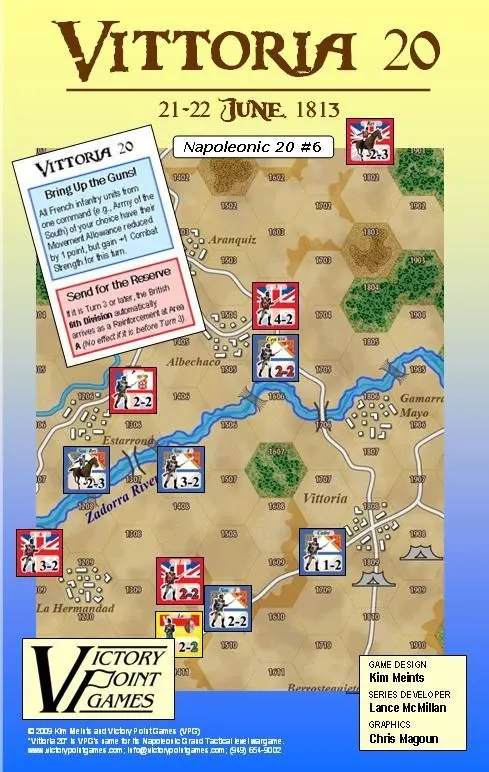
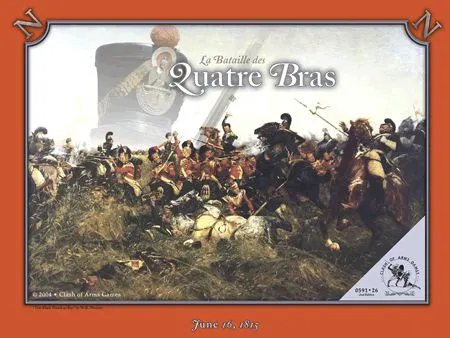

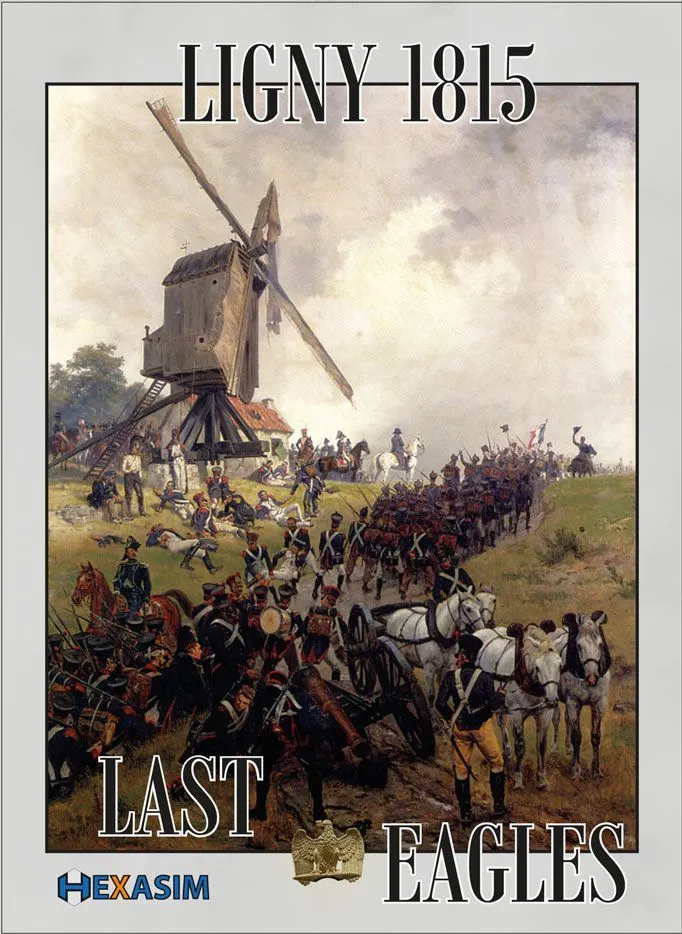
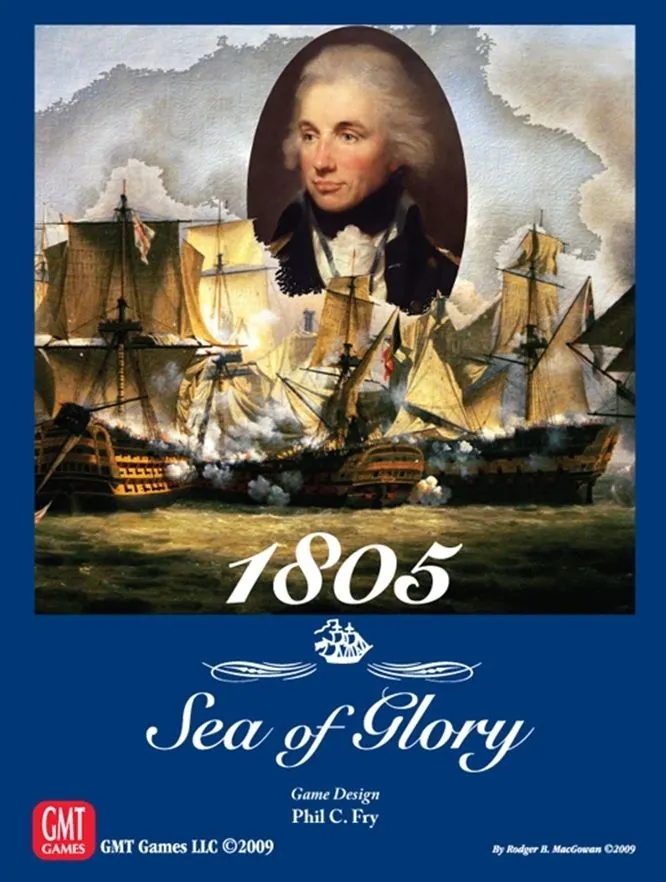
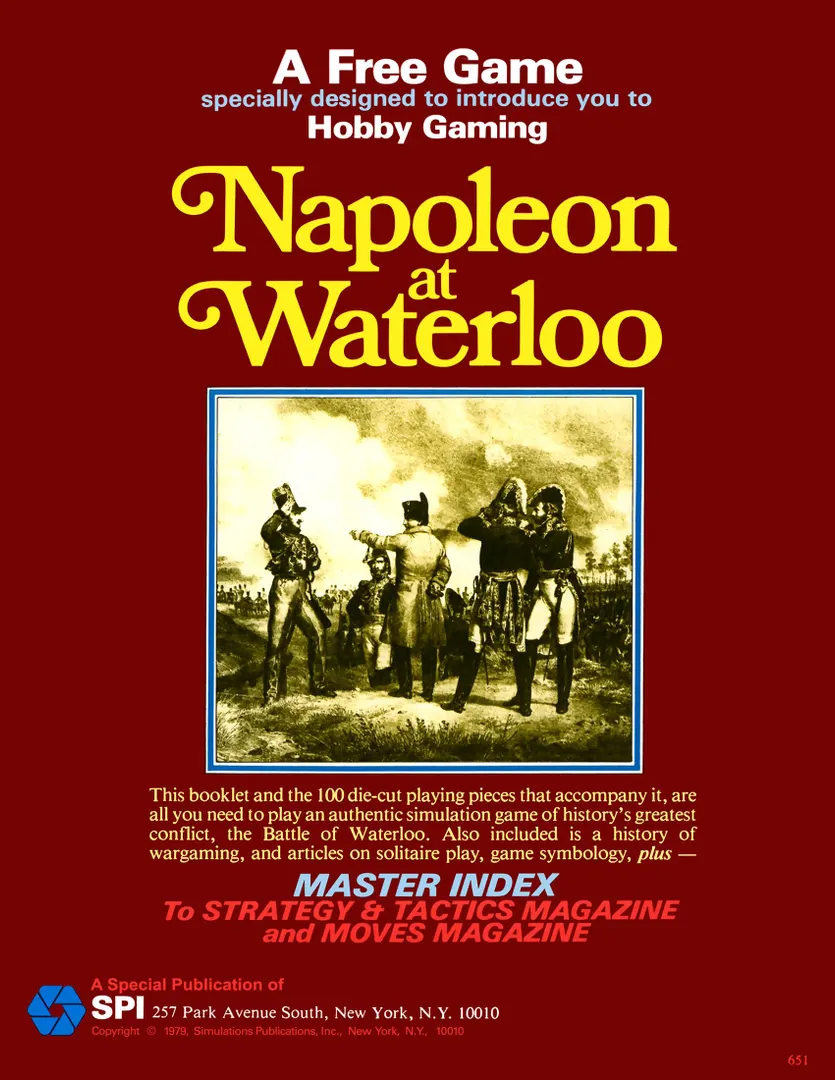
Napoleonic 20 #17 When the capture of Vienna failed to bring the Austrians to the bargaining table, Napoleon sought more direct means of ending the War of the Fifth Coalition. His first attempt was a nearly impromptu effort to force a crossing of the Danube, then in full spring flood, with the handful of forces that were immediately available. Almost predictably, the resulting battle of Aspern-Essling resulted in a crushing French defeat. Stung by the setback, Napoleon then spent the next month and a half preparing for another assault at the same site, this time concentrating all available troops to ensure his success. In the ensuing battle of Wagram, the second largest engagement of the Napoleonic era, Napoleon managed to defeat the Austrians but failed to achieve the decisive result he'd hoped for, forcing him to acknowledge that his foes were "no longer the enemy of old." Danube 20 features in a Twin game combo games both the battles of Aspern-Essling and Wagram, allowing players to examine this pair of critical battles fought just across the Danube from Vienna. Featuring low unit density (twenty or fewer pieces) and modest complexity, the game focuses on dramatic, fast-playing turns and creating a strong historical narrative. The use of "story-driven" random event cards and the tracking of army morale provide for operational pauses and the "friction of war" to give players a great feel for the parry-and-thrust of a Napoleonic grand battle as the armies close to bayonet-point to see which will break first! Game Data: Complexity: 5 on a 9 scale Solitaire Suitability: 5 on a 9 scale Scale: Each unit is 1 corps, each hex about 1200 meters, and each turn roughly 3.5 daylight hours (8 hours at night).
Danube 20: The Battles of Aspern-Essling & Wagram 1809 supports 1–2 players according to the catalogue. This range comes from the publisher’s listed player count, so the game can be set up for any group size within it. Some setups, rules and scoring details may still vary by player count, so check your edition’s rulebook for the exact configuration.
The listed playing time for Danube 20: The Battles of Aspern-Essling & Wagram 1809 is 60 minutes. This is the publisher’s estimate for a full game. The actual duration depends on the group, the player count and familiarity with the rules: first sessions usually run longer, while experienced groups often finish faster. Setup and teaching time are not included in this estimate.
The catalogue lists Danube 20: The Battles of Aspern-Essling & Wagram 1809 for ages 12 and up. This is the publisher’s recommendation and reflects reading demands, rule complexity and small components rather than theme alone. Younger players can often join with help from an adult, so check the age guidance on your edition and consider your group’s experience with board games.
Danube 20: The Battles of Aspern-Essling & Wagram 1809 has a complexity rating of 2.0 out of 5 from BoardGameGeek players, which makes it a medium-light game. The rating reflects how much rules knowledge, planning and decision-making a typical game demands. Expect a longer first teach for heavier games, and use a preparation guide before game night.
Danube 20: The Battles of Aspern-Essling & Wagram 1809 belongs to these categories: Wargame and Napoleonic. Its main mechanics are Dice Rolling and Hexagon Grid. Categories describe the theme and setting of a game, while mechanics describe what players actually do on their turns. Each mechanic links to a catalogue hub with similar games, which helps when you want something comparable.
The credited designers of Danube 20: The Battles of Aspern-Essling & Wagram 1809 are: Kim Meints. These credits come from the published game data and name the people responsible for the game’s design, not its illustrators or publishers. Designer pages on MeepleRules collect other titles by the same designers, which helps when you enjoy a game and want to find similar ones.
The catalogue lists Danube 20: The Battles of Aspern-Essling & Wagram 1809 as a base game. It can be played on its own with the components in the box and does not require any other title. Expansions, if any exist, add new content or rules on top of it and are listed separately in the catalogue with a link back to this base game.