
- BGG rank
- BGG #14,699
- BGG rating
- 6.2
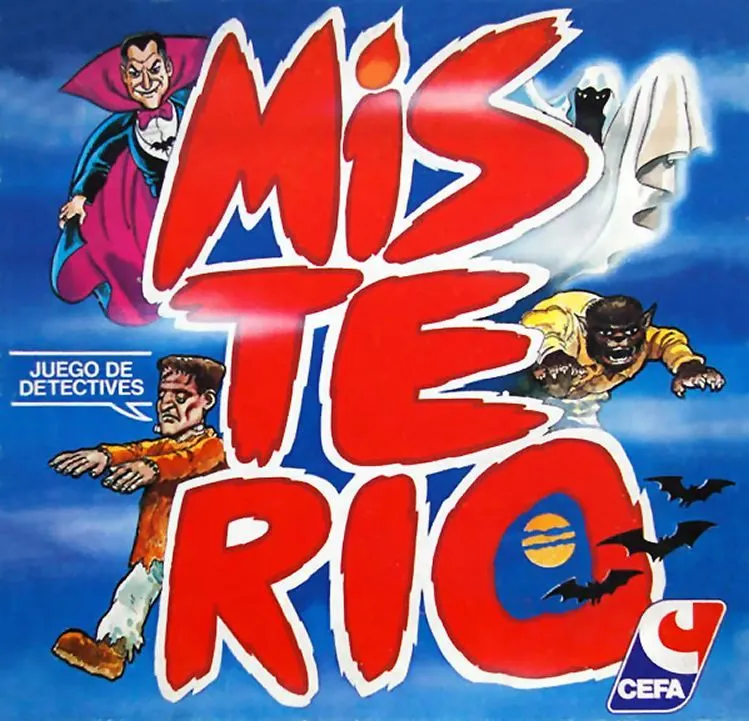
Misterio
- 2–6 players
- 60 min
- Complexity 1.1/5
- 1984
1986
Rules assistance for Dracula: El Vampiro del Castillo
Plain-language explanations of turns, card effects and disputed situations, with official source references and saved question history.
For 2 players
What would you like to know?
Answers come from the official rulebook, with the page to check.
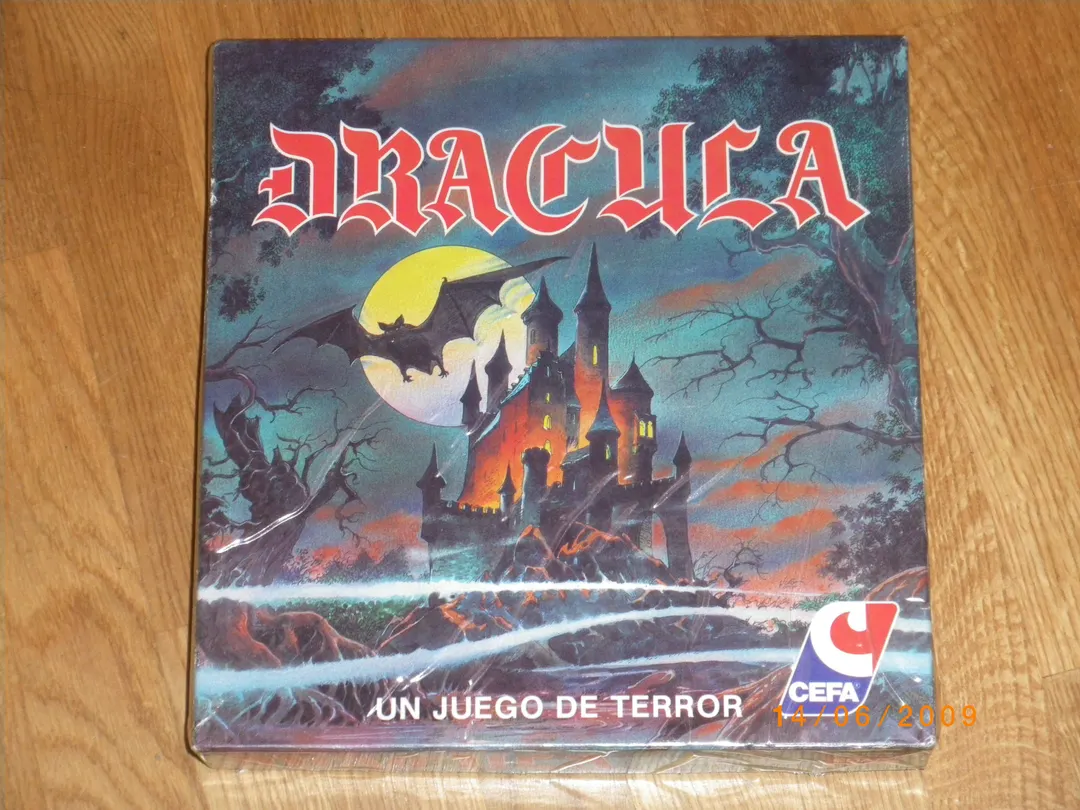
Dracula: El Vampiro del Castillo is a board game released in 1986 for 2–4 players and 30 minutes per game. It was designed by Pepe Pineda and its main mechanics are Memory, Secret Unit Deployment, and Rock-Paper-Scissors.
As stated in the box: " El país legendario del vampiro se halla en el Este de Europa, especialmente en Rumania. Allí se encuentra, en la provincia de Transilvania, el lugar que el autor británico Bram Stoker eligió para su famosa historia de Drácula. La historia se remonta a la Edad Media, donde un cauidillo llamado Vlad Tapes, que significa 'Vlad el empalador', tenía el sangriento hábito de empalar a sus enemigos en estacas y beber su sangre, de ahí su similitud con Drácula. Cuenta la leyenda que toda persona mordidad por un vampiro se convierte en vampiro. Sólo hay una forma de acabar con él: clavándole una estaca en el corazón' Drácula (El vampiro del castillo) es un juego de terror para jugadores de 9 a 90 años, en el que pueden participar de 2 a 4 jugadores. Translation: "The legendary country of the vampire exists on Eastern Europe, exactly in Romania. There is the province of Transylvania, place that inspired the British author Bram Stoker to create his famous Dracula. The story starts on the middle ages, where a local Lord called Vlad Tapes, meaning 'Vlad the Impaler', had the bloody habit of impaling his enemies and drinking their blood, from there the similarities with Dracula. The legend tells that anybody bitten by a vampire will become a vampire. There is only one way to finish it, that is by nailing a stake through its heart". Dracula is a game of terror for players Ages 9 and up, and for 2 to 4 players. The game comes with: - A board game - 24 vampires - 24 plastic bases
Dracula: El Vampiro del Castillo supports 2–4 players according to the catalogue. This range comes from the publisher’s listed player count, so the game can be set up for any group size within it. Some setups, rules and scoring details may still vary by player count, so check your edition’s rulebook for the exact configuration.
The listed playing time for Dracula: El Vampiro del Castillo is 30 minutes. This is the publisher’s estimate for a full game. The actual duration depends on the group, the player count and familiarity with the rules: first sessions usually run longer, while experienced groups often finish faster. Setup and teaching time are not included in this estimate.
Dracula: El Vampiro del Castillo has a complexity rating of 1.8 out of 5 from BoardGameGeek players, which makes it a light game. The rating reflects how much rules knowledge, planning and decision-making a typical game demands. Expect a longer first teach for heavier games, and use a preparation guide before game night.
Dracula: El Vampiro del Castillo belongs to these categories: Deduction, Horror, and Bluffing. Its main mechanics are Memory, Secret Unit Deployment, and Rock-Paper-Scissors. Categories describe the theme and setting of a game, while mechanics describe what players actually do on their turns. Each mechanic links to a catalogue hub with similar games, which helps when you want something comparable.
The credited designers of Dracula: El Vampiro del Castillo are: Pepe Pineda. These credits come from the published game data and name the people responsible for the game’s design, not its illustrators or publishers. Designer pages on MeepleRules collect other titles by the same designers, which helps when you enjoy a game and want to find similar ones.
The catalogue lists Dracula: El Vampiro del Castillo as a base game. It can be played on its own with the components in the box and does not require any other title. Expansions, if any exist, add new content or rules on top of it and are listed separately in the catalogue with a link back to this base game.