
- BGG rank
- BGG #5,418
- BGG rating
- 7.9
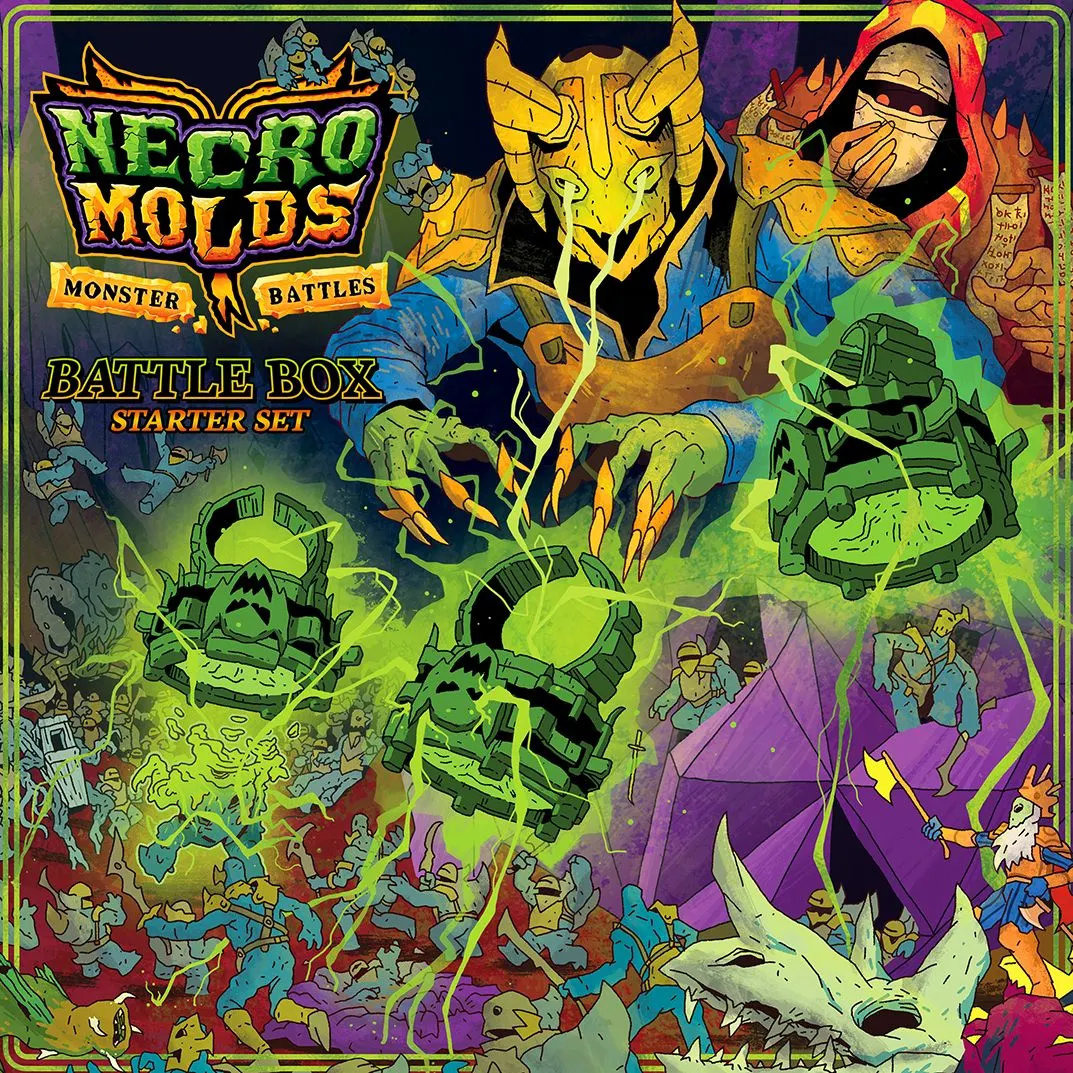
Necromolds: Monster Battles
- 2–4 players
- 30–45 min
- Complexity 1.9/5
- 2021
2011
Rules assistance for Dreadfleet
Plain-language explanations of turns, card effects and disputed situations, with official source references and saved question history.
For 2 players
What would you like to know?
Answers come from the official rulebook, with the page to check.
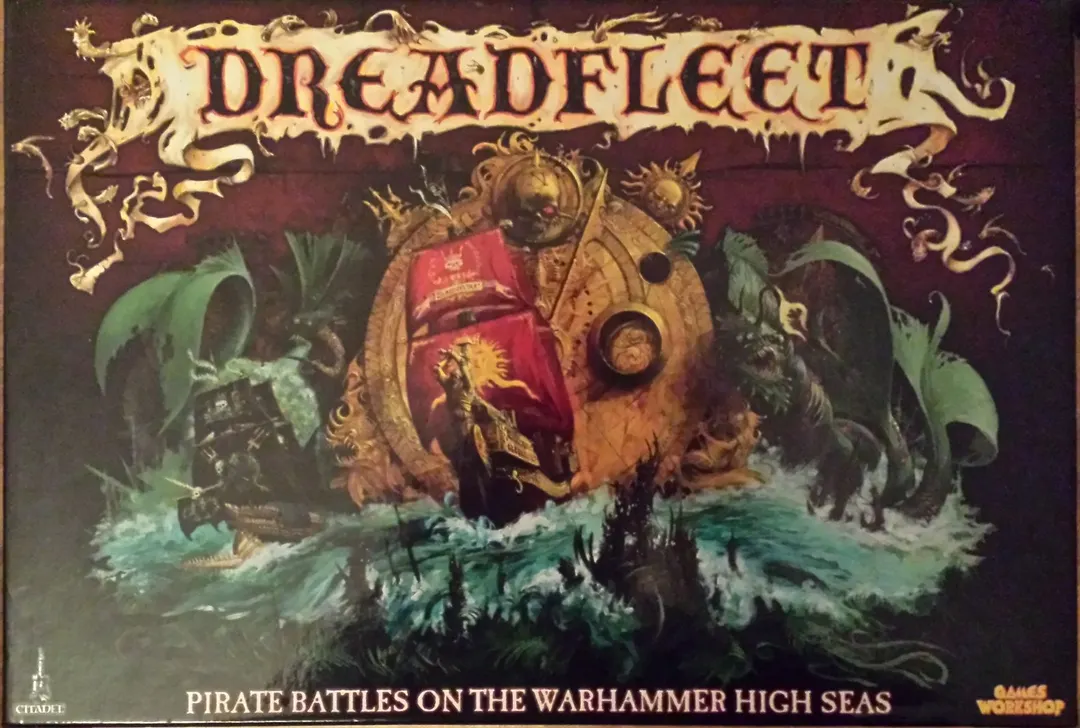
Dreadfleet is a board game released in 2011 for 2–10 players, 60 minutes per game, and ages 12 and up. It was designed by Phil Kelly and its main mechanics are Dice Rolling, Events, and Scenario / Mission / Campaign Game.


Game description from the publisher: For two bleak decades the Undead reavers of Count Noctilus have plagued the oceans of the world. After each raid, the Dreadfleet disappears into its lair as quickly and silently as it appeared, far from the reach of Man. And yet there remains hope. Captain Jaego Roth of the Heldenhammer has vowed to hunt down and destroy Count Noctilus and his Undead captains once and for all. With him sail the most notorious and cunning of the pirate lords of Sartosa, each borne to battle upon a giant warship bristling with cannons, organ guns and bolt throwers. At the stroke of midnight on Geheimnisnacht, most forsaken of nights, the Heldenhammer and her companions sail into the realm of undeath known as the Galleon's Graveyard. One by one, Count Noctilus and his vile allies move in to stop them. Dreadfleet is a boxed game for two (or more) players that includes everything you need to make war on the turbulent seas of the Warhammer world. At your command are two fleets of ships: the Dreadfleet led by the Vampire Count Noctilus, aboard his gargantuan sea-hulk the Bloody Reaver; and the Grand Alliance commanded by the Pirate Captain Jaego Roth, who recently stole the Heldenhammer – the pride of the Imperial Fleet, and one of the largest galleons to ever sail the high seas. As your ships engage in furious battle, it's down to you, the fleet captain, to make important split-second decisions. Do you bring all guns to bear on the closest enemy warship, or do you sail into position for a furious broadside? What happens when the warship catches fire, or worse, the powder kegs ignite? Exactly how much punishment can your warship take before it sinks without a trace? Are those Undead seagulls or flying piranha fish? And, when all else fails, do you have the courage to ram your foe, board their ship, and engage them in a duel to the death?
Dreadfleet supports 2–10 players according to the catalogue. This range comes from the publisher’s listed player count, so the game can be set up for any group size within it. Some setups, rules and scoring details may still vary by player count, so check your edition’s rulebook for the exact configuration.
The listed playing time for Dreadfleet is 60 minutes. This is the publisher’s estimate for a full game. The actual duration depends on the group, the player count and familiarity with the rules: first sessions usually run longer, while experienced groups often finish faster. Setup and teaching time are not included in this estimate.
The catalogue lists Dreadfleet for ages 12 and up. This is the publisher’s recommendation and reflects reading demands, rule complexity and small components rather than theme alone. Younger players can often join with help from an adult, so check the age guidance on your edition and consider your group’s experience with board games.
Dreadfleet has a complexity rating of 3.0 out of 5 from BoardGameGeek players, which makes it a medium-light game. The rating reflects how much rules knowledge, planning and decision-making a typical game demands. Expect a longer first teach for heavier games, and use a preparation guide before game night.
Dreadfleet belongs to these categories: Fantasy, Fighting, and Wargame. Its main mechanics are Dice Rolling, Events, and Scenario / Mission / Campaign Game. Categories describe the theme and setting of a game, while mechanics describe what players actually do on their turns. Each mechanic links to a catalogue hub with similar games, which helps when you want something comparable.
The credited designers of Dreadfleet are: Phil Kelly. These credits come from the published game data and name the people responsible for the game’s design, not its illustrators or publishers. Designer pages on MeepleRules collect other titles by the same designers, which helps when you enjoy a game and want to find similar ones.
The catalogue lists Dreadfleet as a base game. It can be played on its own with the components in the box and does not require any other title. Expansions, if any exist, add new content or rules on top of it and are listed separately in the catalogue with a link back to this base game.