
- BGG rating
- 7.5
Fief: France 1429 – Crusades
- 3–6 players
- 120 min
- Complexity 3.7/5
- 2015
2023
Rules assistance for Fief: France
Plain-language explanations of turns, card effects and disputed situations, with official source references and saved question history.
For 3 players
What would you like to know?
Answers come from the official rulebook, with the page to check.
Fief: France is a board game released in 2023 for 3–6 players, 120–180 minutes per game, and ages 14 and up. It was designed by Philippe Mouchebeuf and its main mechanics are Hand Management, Race, and Player Elimination.
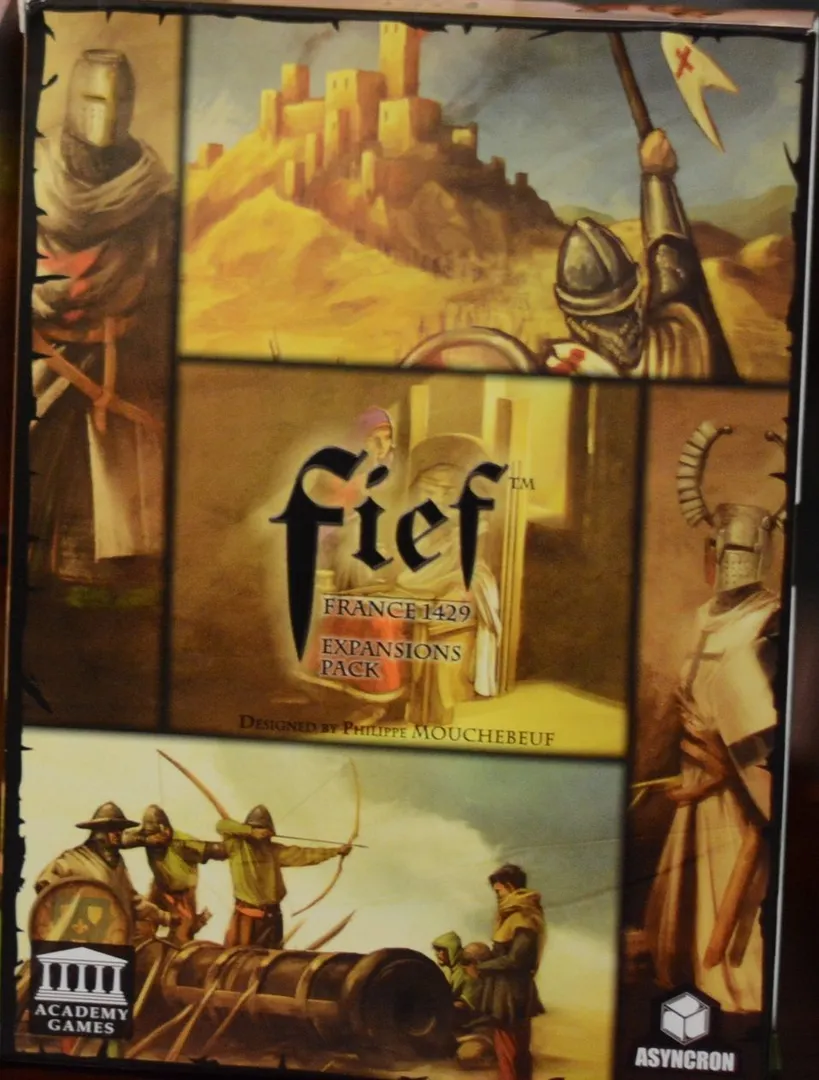
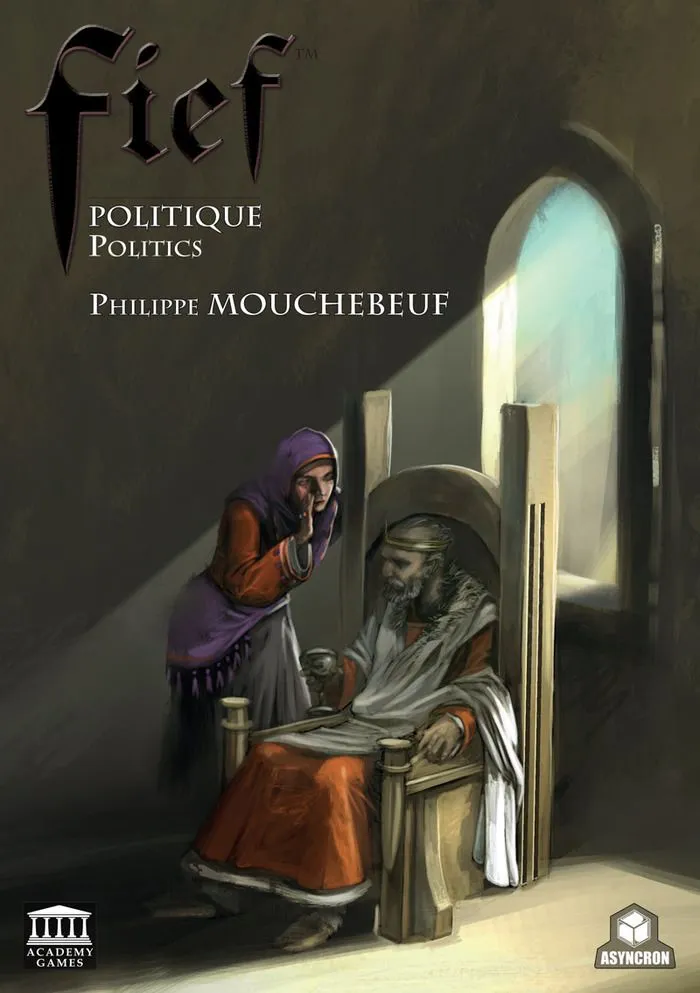
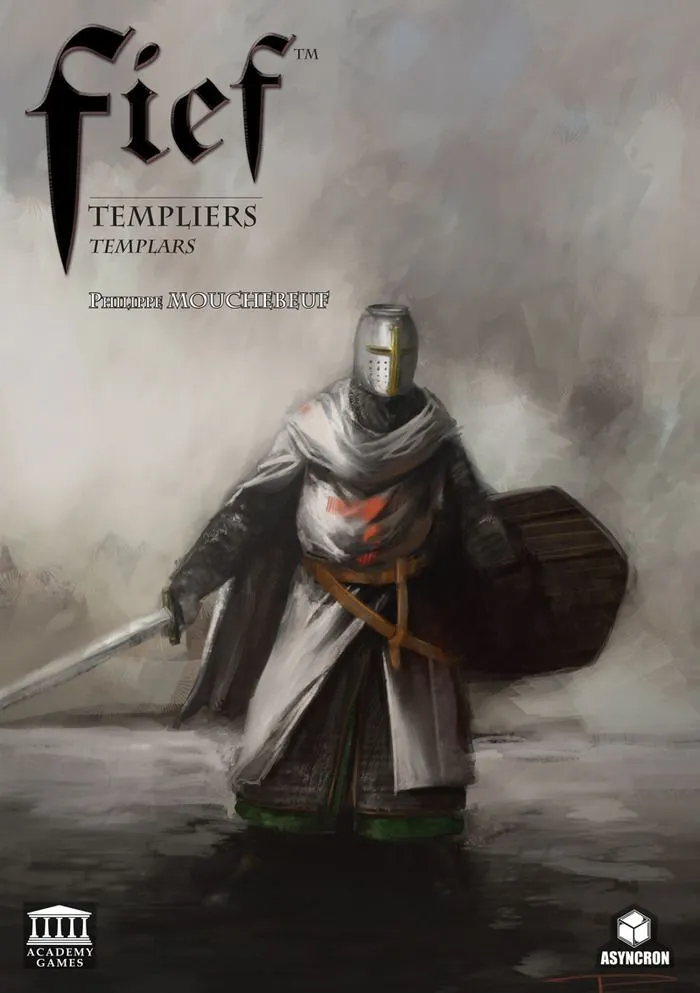
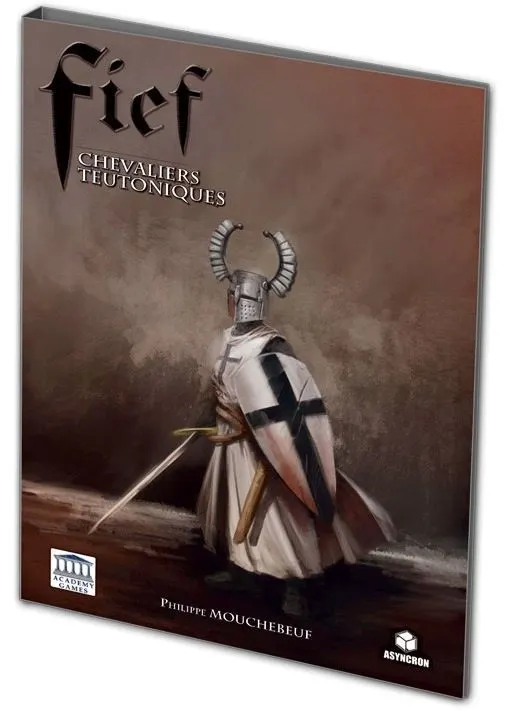
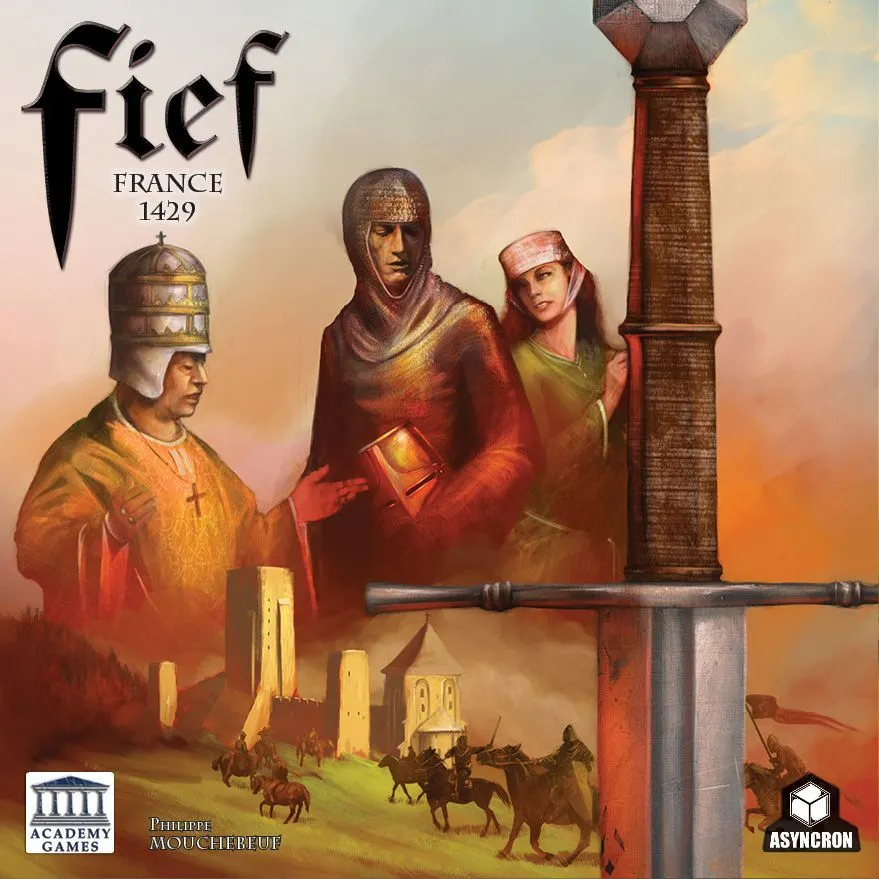
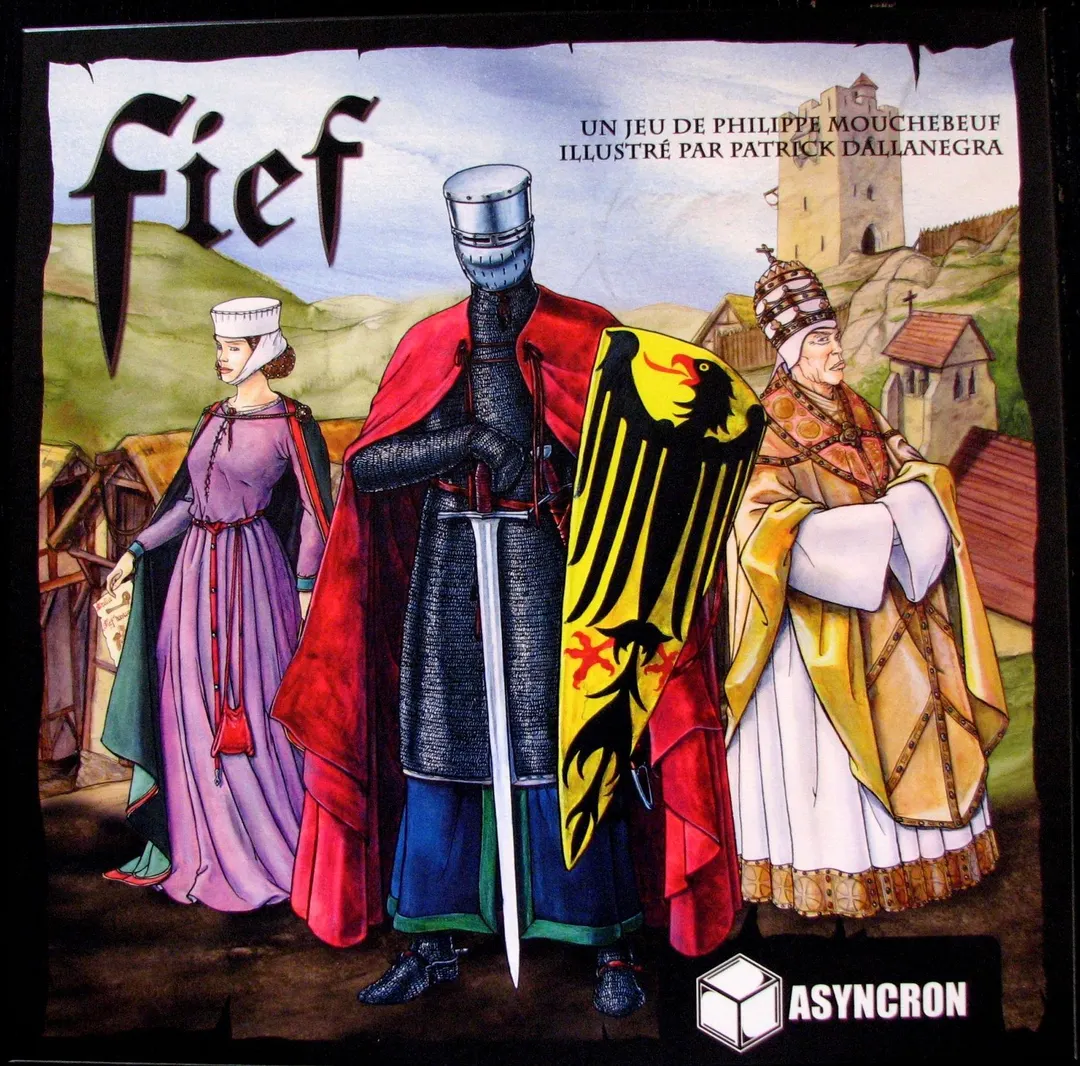




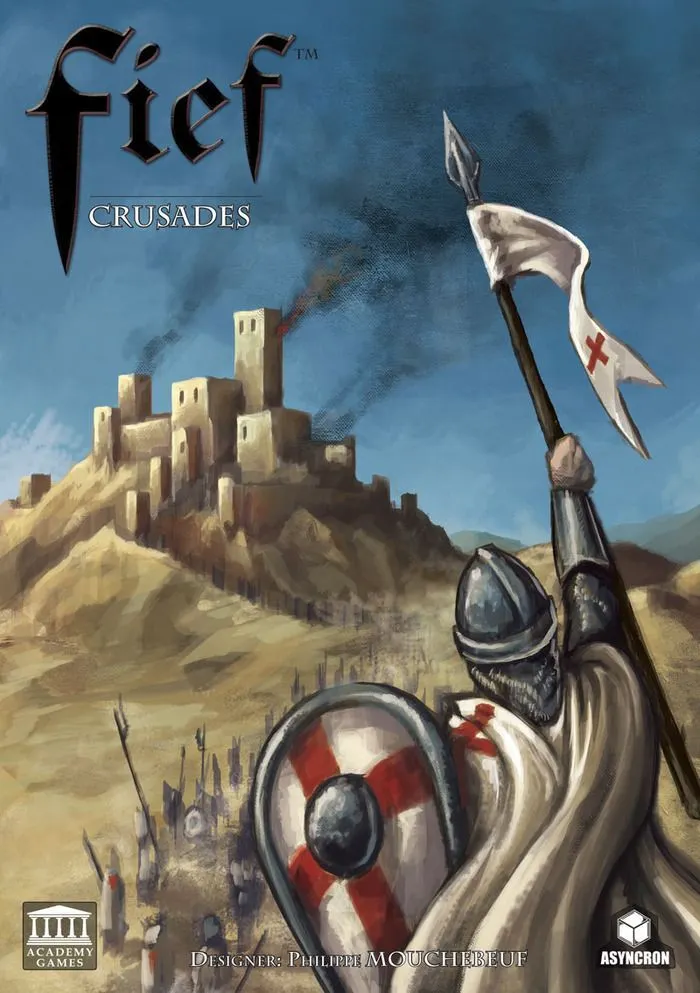
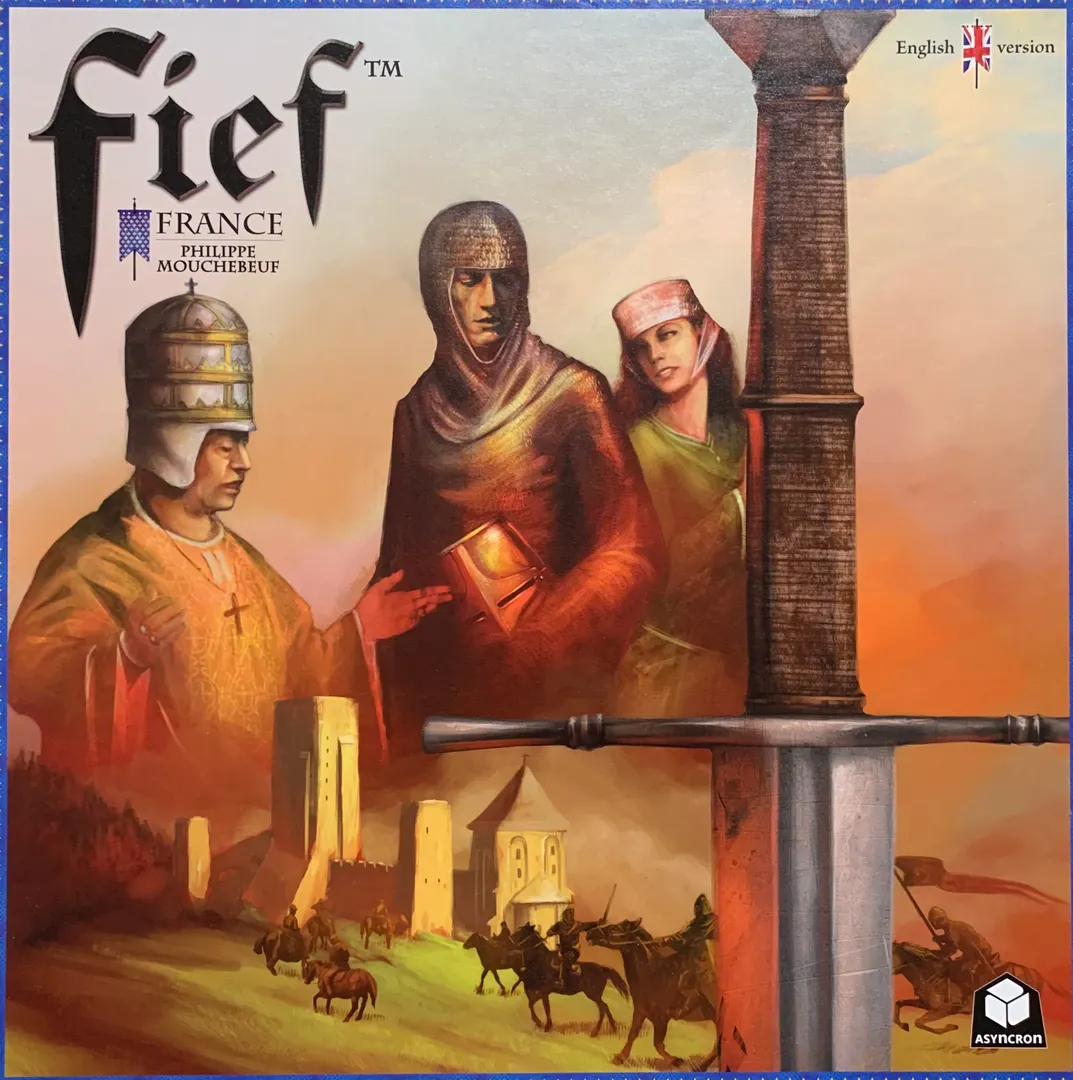
FIEF: France is a game of dynastic ambition in which players assume the roles of nobles in the 15th century kingdom of France. Each player strives to become the most powerful ruling force in the kingdom by gaining control of Fiefs and Bishoprics. In turn, they acquire Royal and Ecclesiastical (church) titles which give their families influence to elect the next Pope and King. Players strengthen their positions by negotiating marriage alliances between their families, setting the stage for love, treachery, and deception! FIEF is a classic game and this edition includes a new board (Fief: France 1429 – France Gameboard)! The game board represents the Kingdom of France in the Middle Ages. Villages have square outlines that are connected by roads that allow Lord and Troop movement. The villages are grouped into eight colored background areas that represent individual Fiefs, which are domains given to Lords to preside over. Fiefs have different colored backgrounds. Each village also belongs to one of five church Bishoprics; each Bishopric is outlined with a heavy border line and is numbered between 1-5 along the edge of the board inside a Bishop's Mitre. Bishoprics include several different Fiefs' villages. Each player controls up to four family members, comprised of male and female nobles. These family members will rise in power by gaining Royal and Ecclesiastic Titles. In FIEF France edition, a player may attempt to gain control of all the villages in a Fief to gain the Royal Title of Baron, Earl, or Duke. For each Fief a player controls, they gain 1 VP. These Titled Lords may now take part in the election for the next King. They may even be a candidate to become King, thus bringing 1 VP and more power to the family! Other members of your family may follow the calling of the Church to gain the Ecclesiastical Titles of Bishop and then Cardinal. These titles allow you to Tithe Bishoprics, taking the Church's (i.e. "your") fair share of income from other Fief Lords! The highest goal your clerical family member can attain is to be elected Pope, bringing 1 VP and special privileges to your family! You win the game as soon as you have 3 VPs. This is easier said than done and you may need to form alliances with other players through diplomacy and marriage to attain your goal. When one of your family members marries a noble of another family, the two of you become allied. You now win the game together with 4 VPs and cannot win alone, unless your marriage is annulled by the Pope or your spouse is "mysteriously" murdered or dies by some other foul means! In addition to being wary of your fellow players, you draw event cards that can quickly change your destiny. Bounty Event cards are beneficial to the Player and include "Good Harvest", "Good Weather", and "Added Taxes" cards. But some cards are Disaster Cards that can randomly affect all players in specific Bishoprics. These include "The Plague", "Heavy Rain", "Famine", and "Peasant Uprising"! Income can be increased by players imposing church tithes on their opponent's villages or taxing their own Fiefs. Players may purchase new Fief titles, improve their village incomes with mills, and fortify their cities. Players will also need to protect their land and castles. Men-at-Arms and Knights can be purchased, as well as Archers and Bombards. If you feel that other players are not running their Fiefs as well as you can, you may try to invade their territories! But you must risk one of your family members to lead the troops into possible battle, where they might be killed or taken prisoner. If two opposing armies are in the same village square, a Battle may be initiated. The players assess the size and strength of their armies, which determine the number of Battle Dice each may roll. Each "f" rolled is a hit. Men-at-Arms are defeated with one hit, while Knights require three hits to be removed from the battle. -description from publisher
Fief: France supports 3–6 players according to the catalogue. This range comes from the publisher’s listed player count, so the game can be set up for any group size within it. Some setups, rules and scoring details may still vary by player count, so check your edition’s rulebook for the exact configuration.
The listed playing time for Fief: France is 120–180 minutes. This is the publisher’s estimate for a full game. The actual duration depends on the group, the player count and familiarity with the rules: first sessions usually run longer, while experienced groups often finish faster. Setup and teaching time are not included in this estimate.
The catalogue lists Fief: France for ages 14 and up. This is the publisher’s recommendation and reflects reading demands, rule complexity and small components rather than theme alone. Younger players can often join with help from an adult, so check the age guidance on your edition and consider your group’s experience with board games.
Fief: France has a complexity rating of 3.9 out of 5 from BoardGameGeek players, which makes it a heavy game. The rating reflects how much rules knowledge, planning and decision-making a typical game demands. Expect a longer first teach for heavier games, and use a preparation guide before game night.
Fief: France belongs to these categories: Economic, Territory Building, and Medieval. Its main mechanics are Hand Management, Race, and Player Elimination. Categories describe the theme and setting of a game, while mechanics describe what players actually do on their turns. Each mechanic links to a catalogue hub with similar games, which helps when you want something comparable.
The credited designers of Fief: France are: Philippe Mouchebeuf. These credits come from the published game data and name the people responsible for the game’s design, not its illustrators or publishers. Designer pages on MeepleRules collect other titles by the same designers, which helps when you enjoy a game and want to find similar ones.
The catalogue lists Fief: France as a base game. It can be played on its own with the components in the box and does not require any other title. Expansions, if any exist, add new content or rules on top of it and are listed separately in the catalogue with a link back to this base game.