
- BGG rank
- BGG #285
- BGG rating
- 7.6
Near and Far
- 2–4 players
- 90–120 min
- Complexity 2.9/5
- 2017
2022
Rules assistance for First Ascent
Plain-language explanations of turns, card effects and disputed situations, with official source references and saved question history.
For 2 players
What would you like to know?
Answers come from the official rulebook, with the page to check.
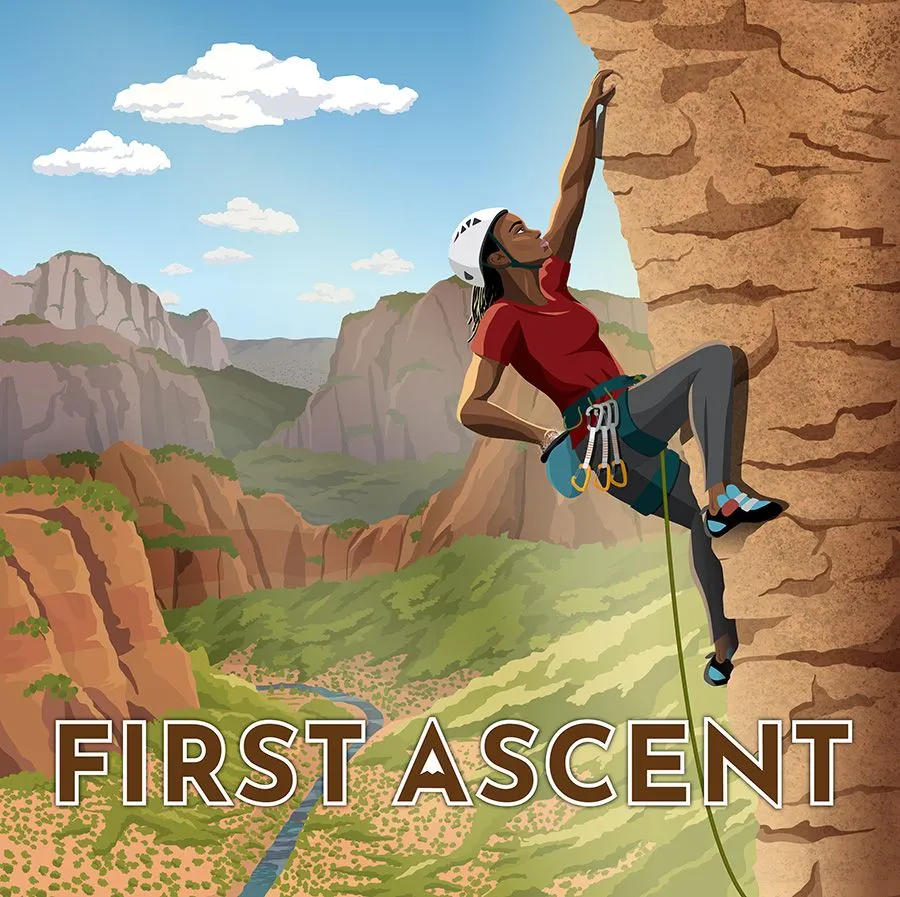
First Ascent is a board game released in 2022 for 2–5 players, 45–90 minutes per game, and ages 14 and up. It was designed by Kate Otte and its main mechanics are Variable Player Powers, Hand Management, and Set Collection.







First Ascent is a rock climbing-themed strategic board game. The goal in this medium weight, competitive game is to gain the most points by climbing the best route up the mountain and becoming the most skilled climber! Each player assumes the role of a unique asymmetric character, and throughout the game they will be building their route up the mountain, managing resources, achieving objectives, and increasing their efficiency by accumulating skills and gear! This game is for 2-5 players and takes 45-90 minutes to play. Gameplay overview: In First Ascent, the goal is to gain the most points by creating the best route! Points are gained in four ways: 1) Climbing pitches — use your climbing skills, gear, water, and psych to pay the requirements to move on to a tile "climb the pitch". Draw a climbing card and resolve the events that may involve resource management, board manipulation, or selfish vs altruistic decisions. Each tile is worth 1-5 points with higher point value tiles requiring more resources. 2) Objectives — achieve shared and personal objectives that relate to the path of your route. Plan carefully and manage resources to execute the path that will contribute towards achieving your objectives. 3) Technique bonuses — the climbing skills and gear cards contain symbols representing climbing techniques of precision, power, balance, and pain tolerance. Match three technique symbols on the cards you play to climb a tile and earn +2 bonus points. These can add up significantly, so choose your resources wisely. 4) Summit — reaching the top of the mountain is great, but climbing is about the journey. Gain +1 summit bonus point for reaching a peak. If you don't have the required resources to climb, you can "risk it" by rolling the risk dice to climb a tile for one less resource. You may get away with a check mark and succeed without consequence, roll minus two cards and give them to another player, or roll minus one card and one psych which you give to another player. As long as you have the assets to lose, you will climb the tile, but at a price. When you begin to ascend the mountain start in any tile on the first row. Next climb to any adjacent tile and leave your rope behind to mark the route you've climbed. Two climbers can not occupy the same tile, except for a summit, so you may compete with other climbers on the mountain for the prime locations. As you climb the mountain you will practice your skills and become a more efficient climber. The engine building component of this game grants you an "earned asset" after you play four cards of a specific skill type or gear. These tokens stay on your climber asset board and count towards fulfilling the required assets of future tiles. This isn't a race to the top, its about creating a strategic route that will reward your cunning and planning. The game ends when a player has used all seven rope lengths and climbed their eighth tile. Do you have what it takes to create the greatest First Ascent?
First Ascent supports 2–5 players according to the catalogue. This range comes from the publisher’s listed player count, so the game can be set up for any group size within it. Some setups, rules and scoring details may still vary by player count, so check your edition’s rulebook for the exact configuration.
The listed playing time for First Ascent is 45–90 minutes. This is the publisher’s estimate for a full game. The actual duration depends on the group, the player count and familiarity with the rules: first sessions usually run longer, while experienced groups often finish faster. Setup and teaching time are not included in this estimate.
The catalogue lists First Ascent for ages 14 and up. This is the publisher’s recommendation and reflects reading demands, rule complexity and small components rather than theme alone. Younger players can often join with help from an adult, so check the age guidance on your edition and consider your group’s experience with board games.
First Ascent has a complexity rating of 2.9 out of 5 from BoardGameGeek players, which makes it a medium-light game. The rating reflects how much rules knowledge, planning and decision-making a typical game demands. Expect a longer first teach for heavier games, and use a preparation guide before game night.
First Ascent belongs to these categories: Humor, Adventure, and Environmental. Its main mechanics are Variable Player Powers, Hand Management, and Set Collection. Categories describe the theme and setting of a game, while mechanics describe what players actually do on their turns. Each mechanic links to a catalogue hub with similar games, which helps when you want something comparable.
The credited designers of First Ascent are: Kate Otte. These credits come from the published game data and name the people responsible for the game’s design, not its illustrators or publishers. Designer pages on MeepleRules collect other titles by the same designers, which helps when you enjoy a game and want to find similar ones.
The catalogue lists First Ascent as a base game. It can be played on its own with the components in the box and does not require any other title. Expansions, if any exist, add new content or rules on top of it and are listed separately in the catalogue with a link back to this base game.