
- BGG rank
- BGG #844
- BGG rating
- 8.0
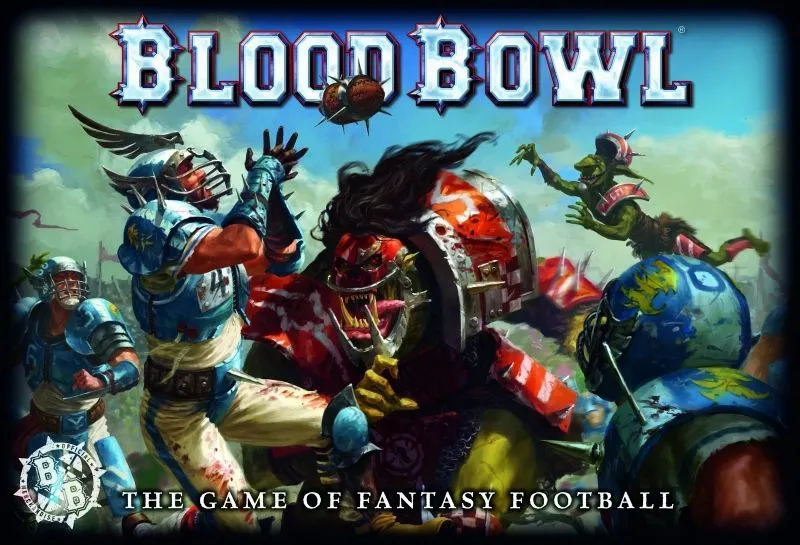
Blood Bowl (2016 Edition)
- 2 players
- 60–180 min
- Complexity 3.6/5
- 2016
2016
Rules assistance for Gorechosen
Plain-language explanations of turns, card effects and disputed situations, with official source references and saved question history.
For 2 players
What would you like to know?
Answers come from the official rulebook, with the page to check.
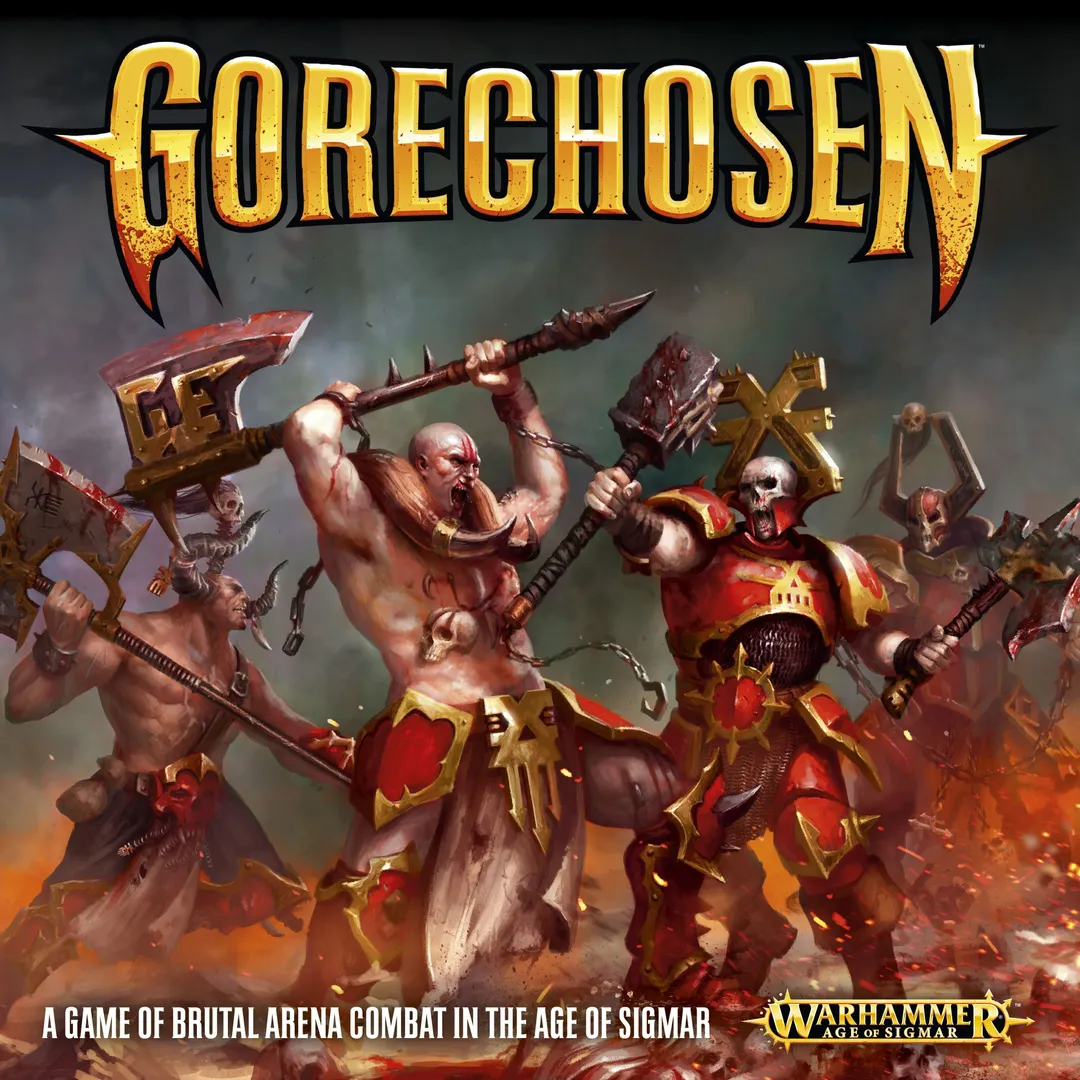
Gorechosen is a board game released in 2016 for 2–4 players and 25–75 minutes per game. It was designed by James M. Hewitt and its main mechanics are Take That, Dice Rolling, and Grid Movement.

From the publisher: Are you ready to prove yourself Khorne’s mightiest, most ruthless champion? Gorechosen gives you the chance! This brand-new boxed game from Games Workshop lets four players slug it out for brutal supremacy in brutal pit fights. The box includes four plastic multi-part Citadel miniatures: the Exalted Deathbringer of Khorne, the Skullgrinder, the Slaughterpriest and the Aspiring Deathbringer with Goreaxe and Skullhammer – four iconic champions of Khorne. The game itself is a simple, cunning and laugh-out-loud mix of subtle strategy and straightforward brutal combat, and four players can play through a game in about an hour. 24 action cards let your chosen fighter pick from a variety of painful attacks and gambits (our favourite being the humble Shove, should your victim happen to be standing next to one of the fire pits present on the game’s board) while 16 injury cards present, in gruesome detail, the inevitable results of standing in a spiked pit with three other crazed madmen. And the fun doesn’t stop with the feuding – players who have been knocked out can still influence the game thanks to special Fate of the Slain rules. Full rules for these fighters are presented on four fighter sheets, and rules for four more (with miniatures available separately from Games Workshop) are included inside the game’s rulebook. Each fighter has a unique Kill Zone which dictates what they can hit, and how powerfully. The Slaughterpriest in the box, for example, has enormous reach forwards with his axe (because it’s flipping massive) but is weaker when to the sides. (You can imagine an overhead chop, rather than a sweep around him.) Each fighter also keeps track of his wrath using the Wrath Track. Wrath can be spent to make actions, and is usually accrued when fighters are wounded – injury cards, which are received when combatants are damaged, affect wrath in this way. Wrath also has an effect on who goes first, because the angrier fighters are, the more chance there is they will act first! Each turn, fighters put in a number of initiative cards equal to their wrath (each player has a unique design of initiative card), then the top initiative card is turned over, dictating who will act. After that player has made an action, the next initiative card is turned over, and so on and so forth.
Gorechosen supports 2–4 players according to the catalogue. This range comes from the publisher’s listed player count, so the game can be set up for any group size within it. Some setups, rules and scoring details may still vary by player count, so check your edition’s rulebook for the exact configuration.
The listed playing time for Gorechosen is 25–75 minutes. This is the publisher’s estimate for a full game. The actual duration depends on the group, the player count and familiarity with the rules: first sessions usually run longer, while experienced groups often finish faster. Setup and teaching time are not included in this estimate.
Gorechosen has a complexity rating of 1.9 out of 5 from BoardGameGeek players, which makes it a light game. The rating reflects how much rules knowledge, planning and decision-making a typical game demands. Expect a longer first teach for heavier games, and use a preparation guide before game night.
Gorechosen belongs to these categories: Fantasy, Fighting, and Dice. Its main mechanics are Take That, Dice Rolling, and Grid Movement. Categories describe the theme and setting of a game, while mechanics describe what players actually do on their turns. Each mechanic links to a catalogue hub with similar games, which helps when you want something comparable.
The credited designers of Gorechosen are: James M. Hewitt. These credits come from the published game data and name the people responsible for the game’s design, not its illustrators or publishers. Designer pages on MeepleRules collect other titles by the same designers, which helps when you enjoy a game and want to find similar ones.
The catalogue lists Gorechosen as a base game. It can be played on its own with the components in the box and does not require any other title. Expansions, if any exist, add new content or rules on top of it and are listed separately in the catalogue with a link back to this base game.