
- BGG rating
- 7.7
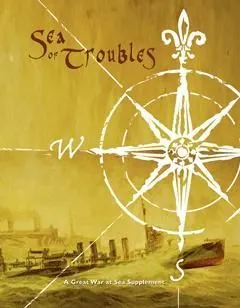
Great War at Sea: Sea of Troubles
- 2 players
- 120 min
- Complexity 2.9/5
- 2007

2006
Rules assistance for Great War at Sea: Jutland
Plain-language explanations of turns, card effects and disputed situations, with official source references and saved question history.
For 2 players
What would you like to know?
Answers come from the official rulebook, with the page to check.
Great War at Sea: Jutland is a board game released in 2006 for 2 players, 30–120 minutes per game, and ages 12 and up. It was designed by Michael Bennighof and Doug McNair and its main mechanics are Dice Rolling, Secret Unit Deployment, and Paper-and-Pencil.
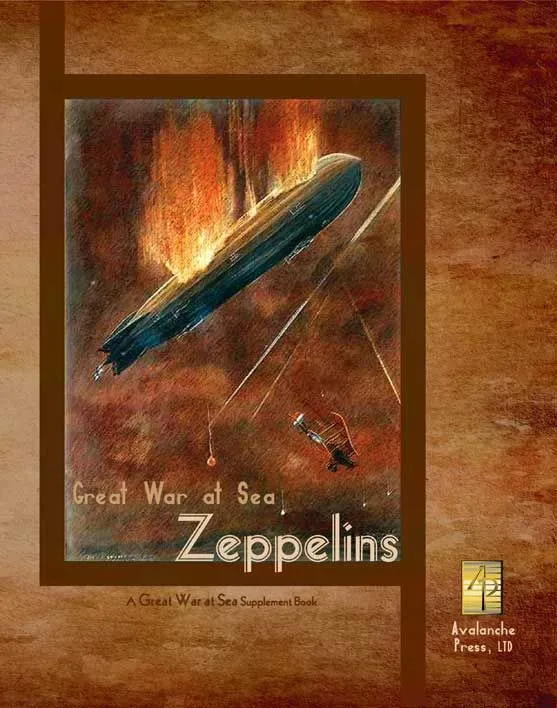
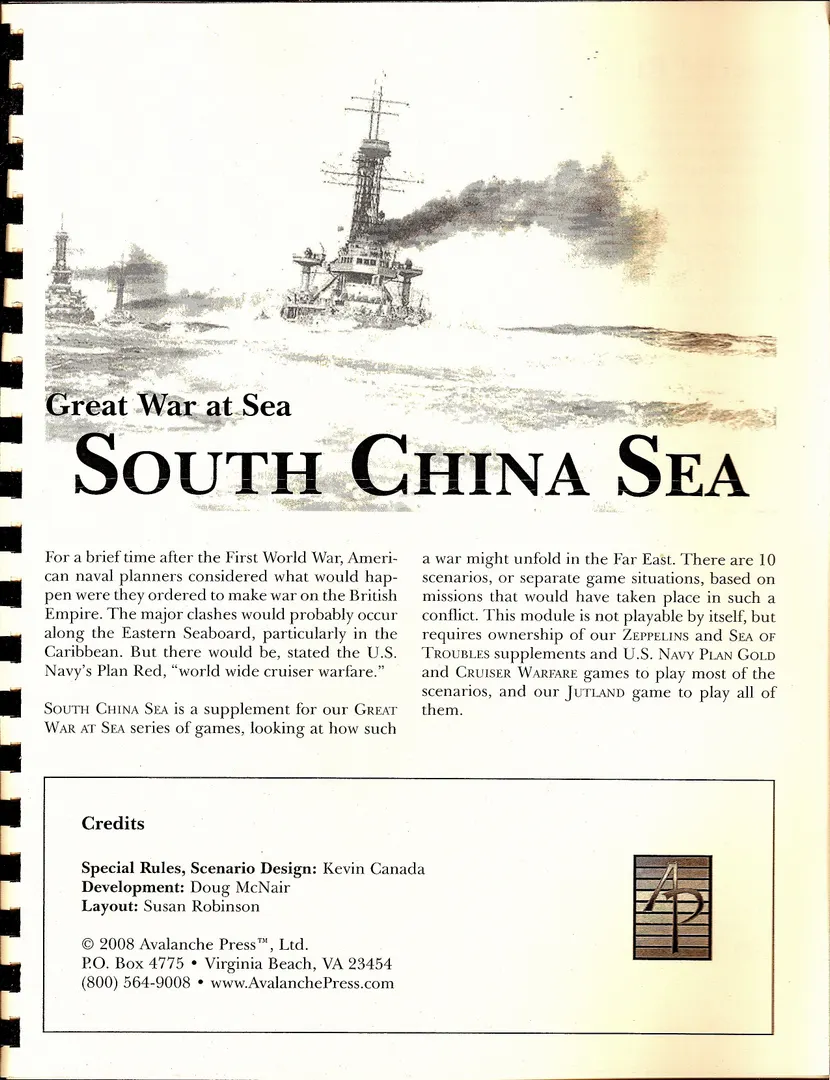
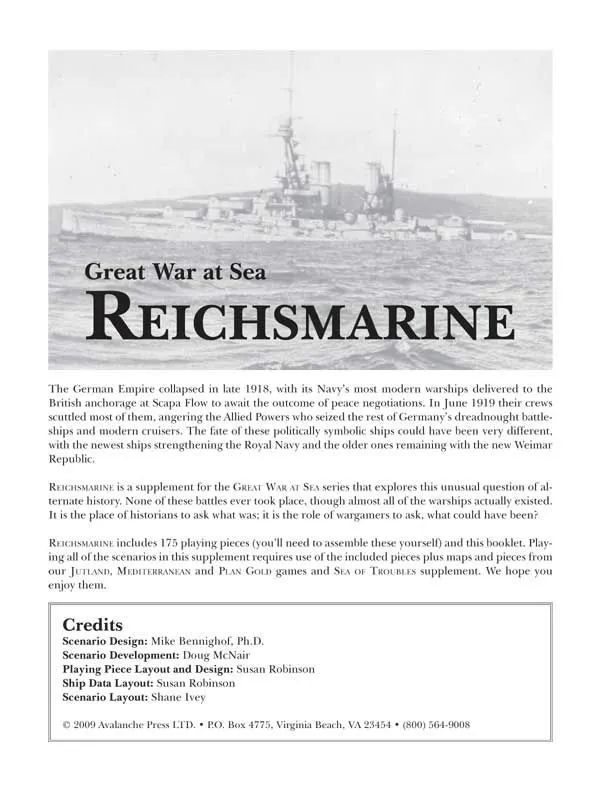
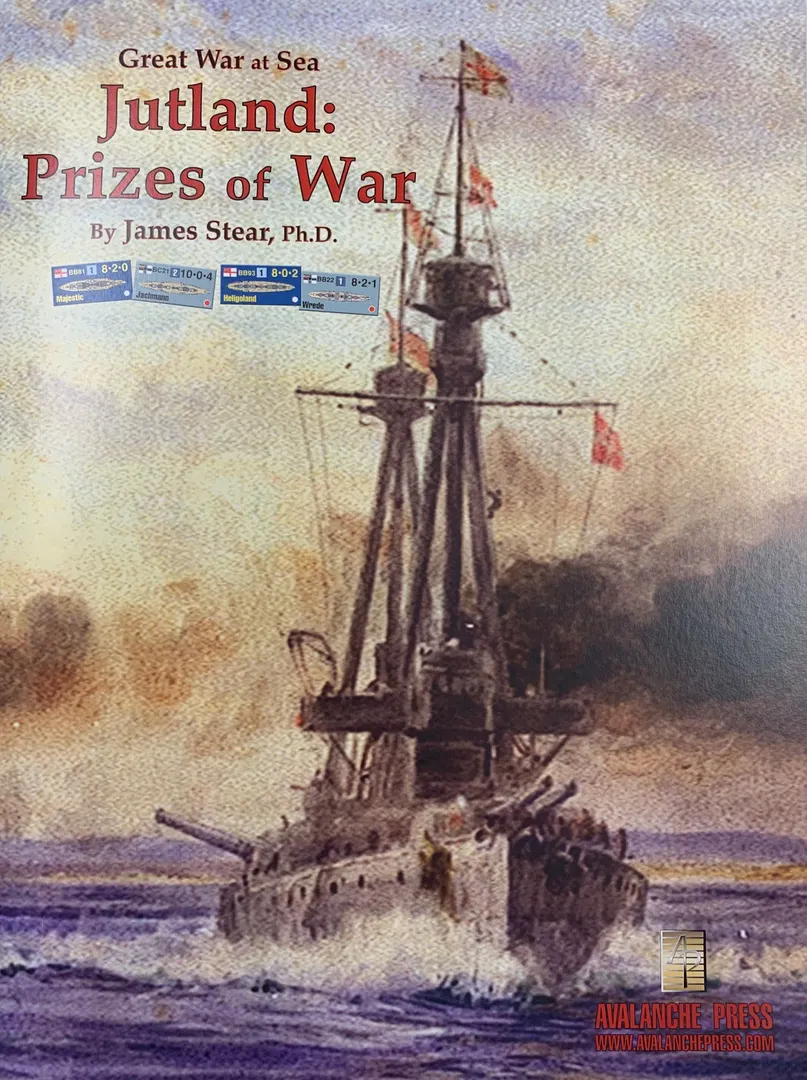
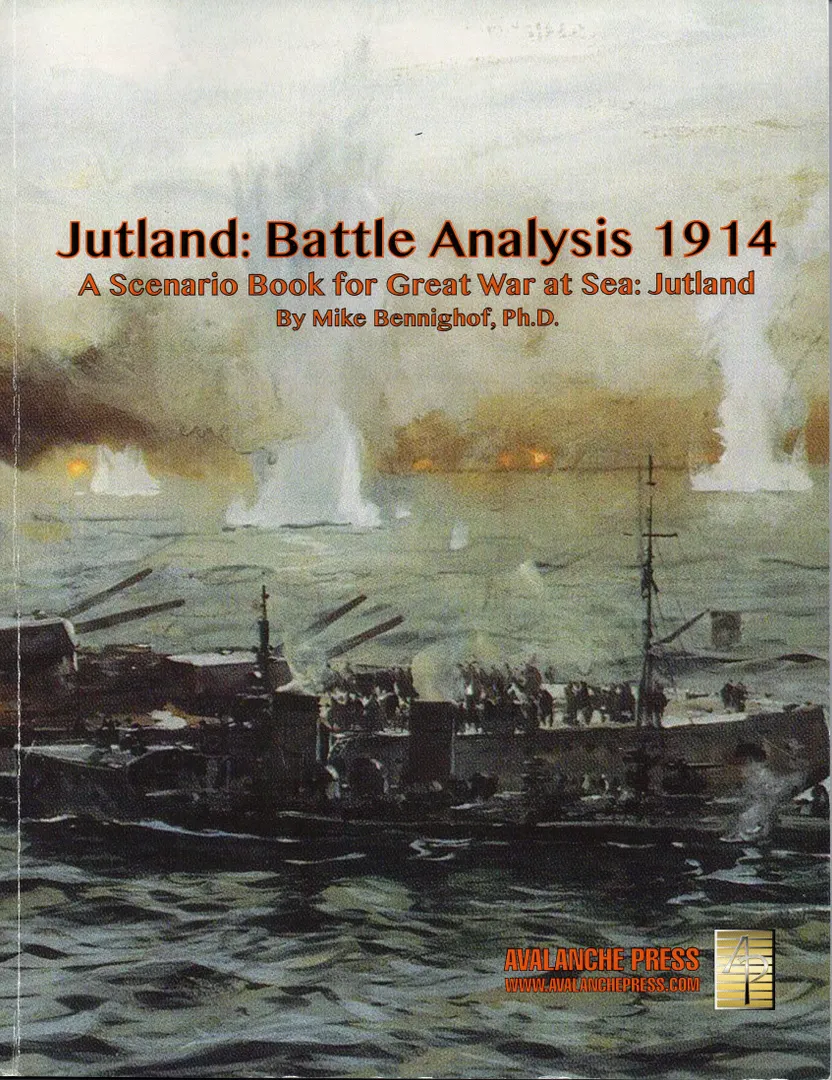
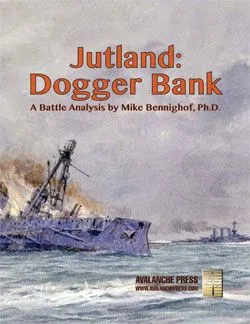
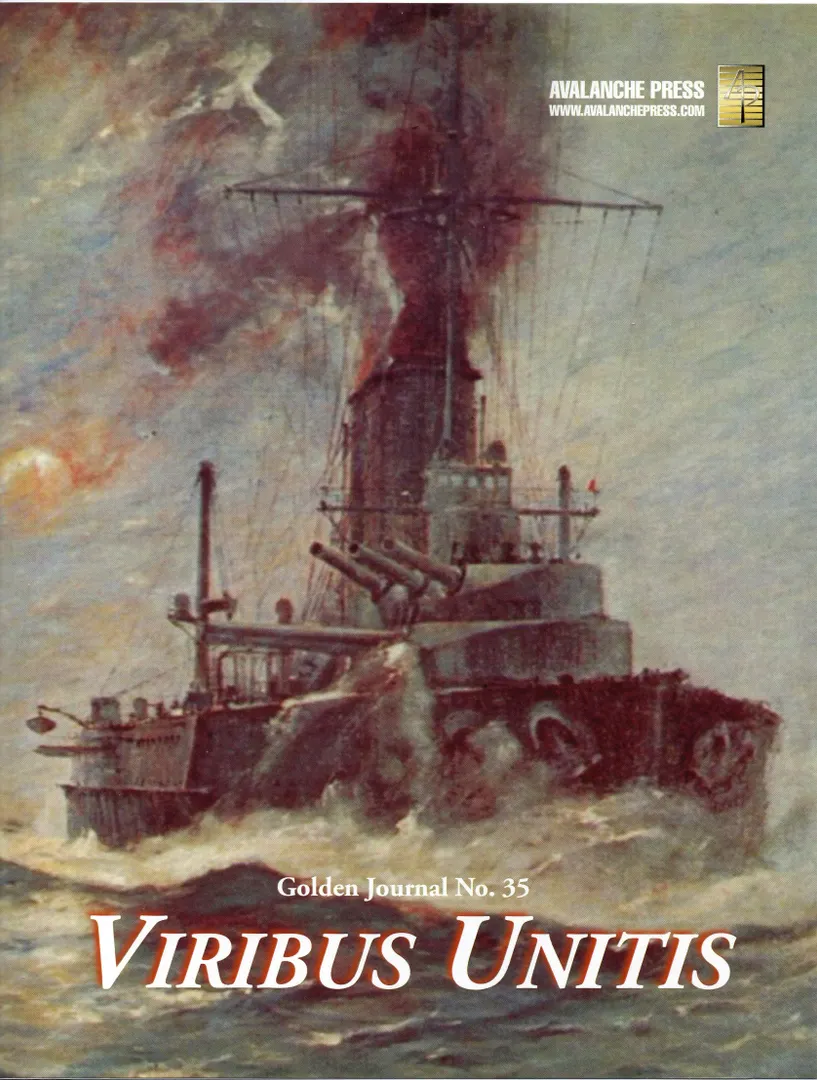
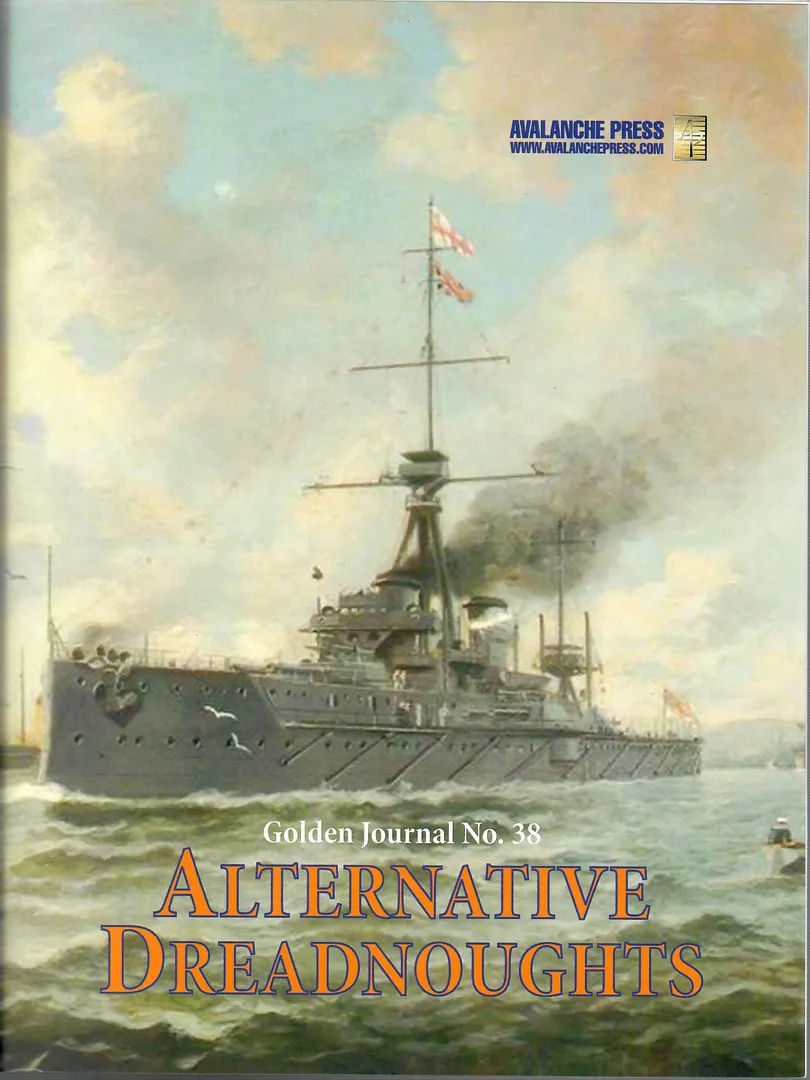
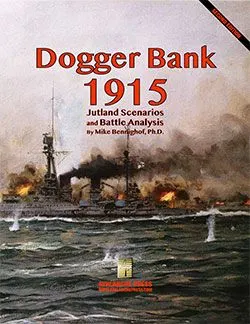
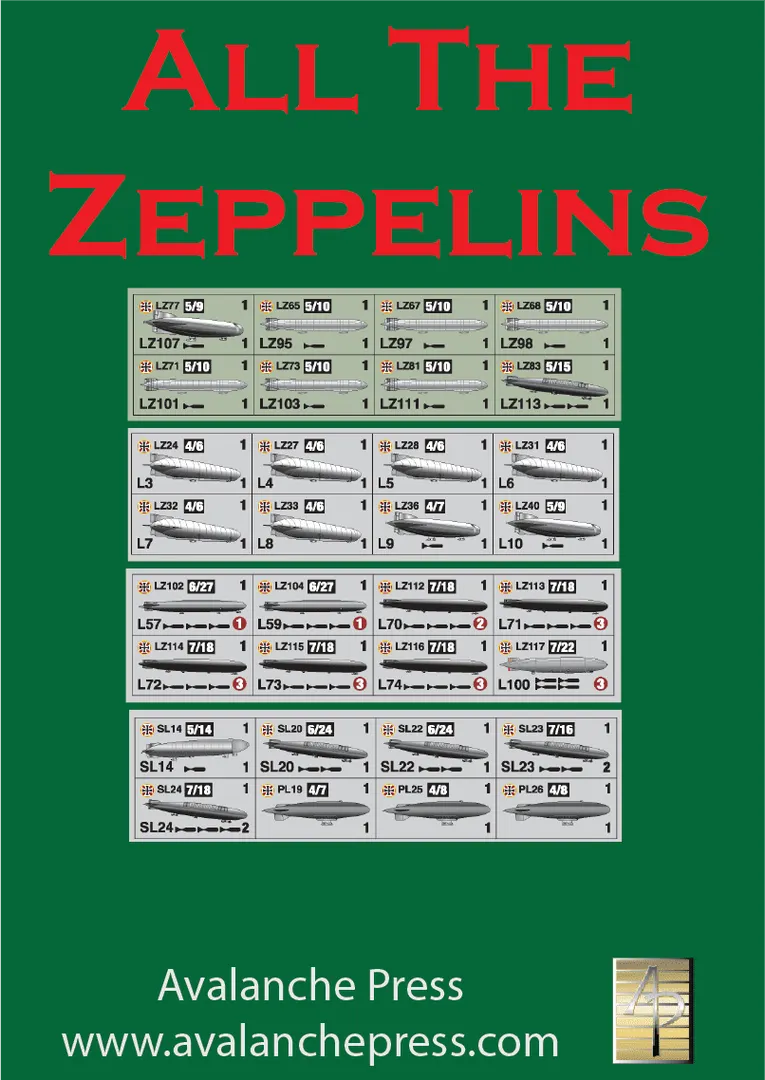










From the Avalanche Press website: History’s best-known naval battle was just one part of the ongoing four-year struggle to control the seas around Germany’s coasts. If the German High Seas Fleet could catch and destroy a portion of the much larger British Grand Fleet, the blockade suffocating Imperial Germany might finally be broken. Great War at Sea: Jutland is an extensively updated version of the earlier GWAS Vol. II: The North and Baltic Seas published in 1998. It covers not only the signature battle, but also the many other sorties of the High Seas Fleet like the Scarborough, Lowestoft and Gorleston Raids, the Battle of Dogger Bank and Helgoland Bight. Like all games in the Series: Great War at Sea (Avalanche Press) series, this one is packed with scenarios. Along with the operations in the North Sea, the game also includes the bitterly-fought naval war in the Baltic Sea. Here the roles are reversed, with the smaller Imperial Russian Navy aggressively seeking an advantage against the larger German forces. The Russian cruiser raids are all covered, as well as the climactic Battle of Moon Sound. The scenario book includes not only more than 40 scenarios, it’s packed with the background information about the ships, the men and the battles. The map covers the North and Baltic Seas, as well as the waters around the British Isles; it’s a bit larger than the map in the previous edition. The smaller navies of the region are all represented as well: Sweden, Norway, Denmark, the Netherlands. But it’s the major powers that get most of the ships. The Royal Navy is huge, with ships ranging from ancient paddle-driven minesweepers to modern battle cruisers like Repulse and Renown. Famous ships like the battleships Dreadnought and Iron Duke, the inaptly-named battle cruiser Invincible, and early aircraft carriers like Engadine and Argus are all here. The German High Seas Fleet has all the ships that challenged England, from the tiny coast defense ship Siegfried up to the huge battleships Sachsen and Württemburg. The Germans have zeppelins and submarines to help redress the balance somewhat, but it will take skilled play to overcome Britain’s sea dogs. Russia has modern dreadnoughts, but will depend on her armored cruisers and a squadron of older battleships for most missions. As with other games in the series, the tactical map is a generic blue field of hexagons, used to resolve surface combat. There, ships maneuver and fight using their gunnery and torpedo factors. Each player rolls a number of dice according to the ship’s capabilities, hitting on a result of 6. Gunnery and torpedo damage tables give the results: ships can suffer damage to engines, hull or armament. 32 miles/sea zone campaign scale 420 1-inch counters, 420 1/2-inch counters 34" x 22" operational map 24" x 24" tactical map 16 page rules, 128 page scenario book
Great War at Sea: Jutland supports 2 players according to the catalogue. This is the publisher’s listed player count, so the game is designed for exactly that number of participants. Variants for other group sizes, if any, are described in the rulebook of your edition, so check it before setting up a different configuration.
The listed playing time for Great War at Sea: Jutland is 30–120 minutes. This is the publisher’s estimate for a full game. The actual duration depends on the group, the player count and familiarity with the rules: first sessions usually run longer, while experienced groups often finish faster. Setup and teaching time are not included in this estimate.
The catalogue lists Great War at Sea: Jutland for ages 12 and up. This is the publisher’s recommendation and reflects reading demands, rule complexity and small components rather than theme alone. Younger players can often join with help from an adult, so check the age guidance on your edition and consider your group’s experience with board games.
Great War at Sea: Jutland has a complexity rating of 3.1 out of 5 from BoardGameGeek players, which makes it a medium-weight game. The rating reflects how much rules knowledge, planning and decision-making a typical game demands. Expect a longer first teach for heavier games, and use a preparation guide before game night.
Great War at Sea: Jutland belongs to these categories: Wargame, Nautical, and World War I. Its main mechanics are Dice Rolling, Secret Unit Deployment, and Paper-and-Pencil. Categories describe the theme and setting of a game, while mechanics describe what players actually do on their turns. Each mechanic links to a catalogue hub with similar games, which helps when you want something comparable.
The credited designers of Great War at Sea: Jutland are: Michael Bennighof and Doug McNair. These credits come from the published game data and name the people responsible for the game’s design, not its illustrators or publishers. Designer pages on MeepleRules collect other titles by the same designers, which helps when you enjoy a game and want to find similar ones.
The catalogue lists Great War at Sea: Jutland as a base game. It can be played on its own with the components in the box and does not require any other title. Expansions, if any exist, add new content or rules on top of it and are listed separately in the catalogue with a link back to this base game.