
- BGG rank
- BGG #16,199
- BGG rating
- 7.2
Great War at Sea / Second World War at Sea: Cone of Fire
- 2–4 players
- Complexity 2.9/5
- 2008
2010
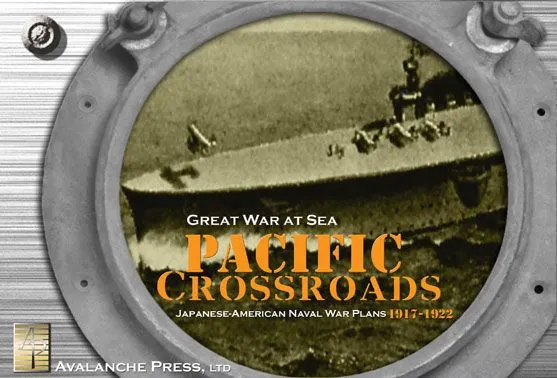
Rules assistance for Great War at Sea: Pacific Crossroads
Plain-language explanations of turns, card effects and disputed situations, with official source references and saved question history.
For 2 players
What would you like to know?
Answers come from the official rulebook, with the page to check.
Great War at Sea: Pacific Crossroads is a board game released in 2010 for 2 players and 30 minutes per game. It was designed by Michael Bennighof and its main mechanics are Hexagon Grid.


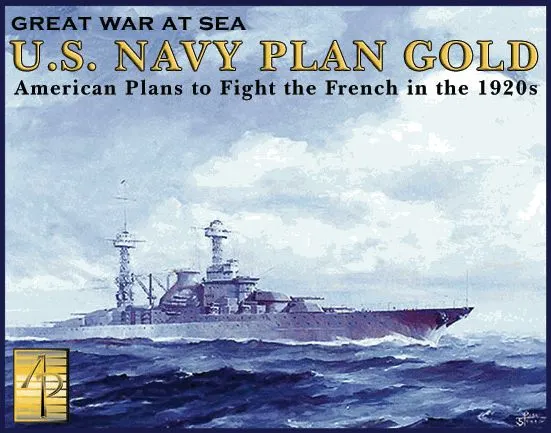
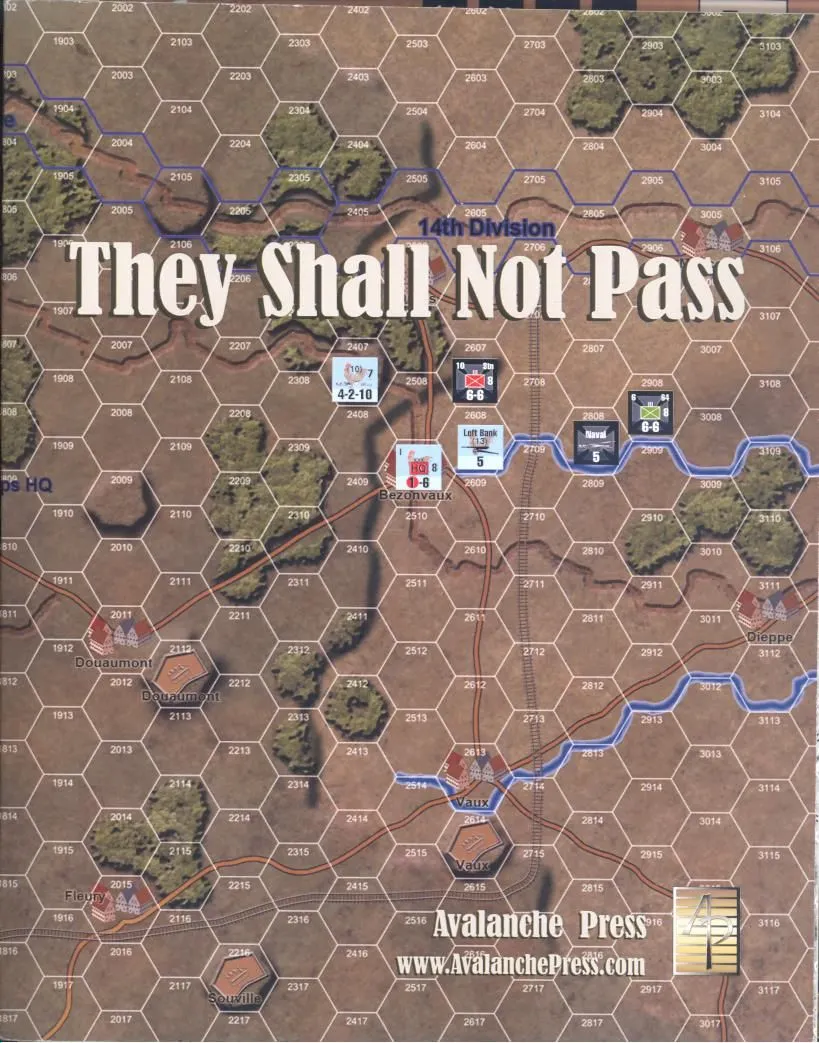

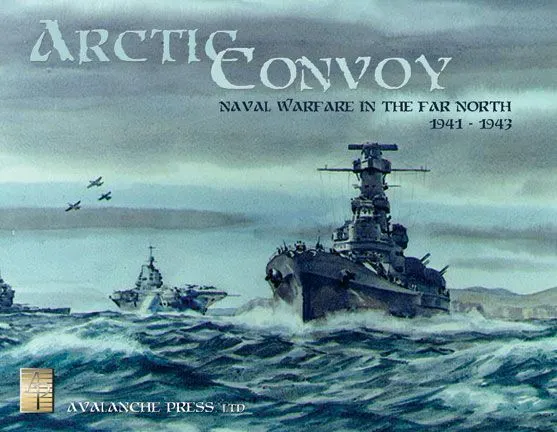

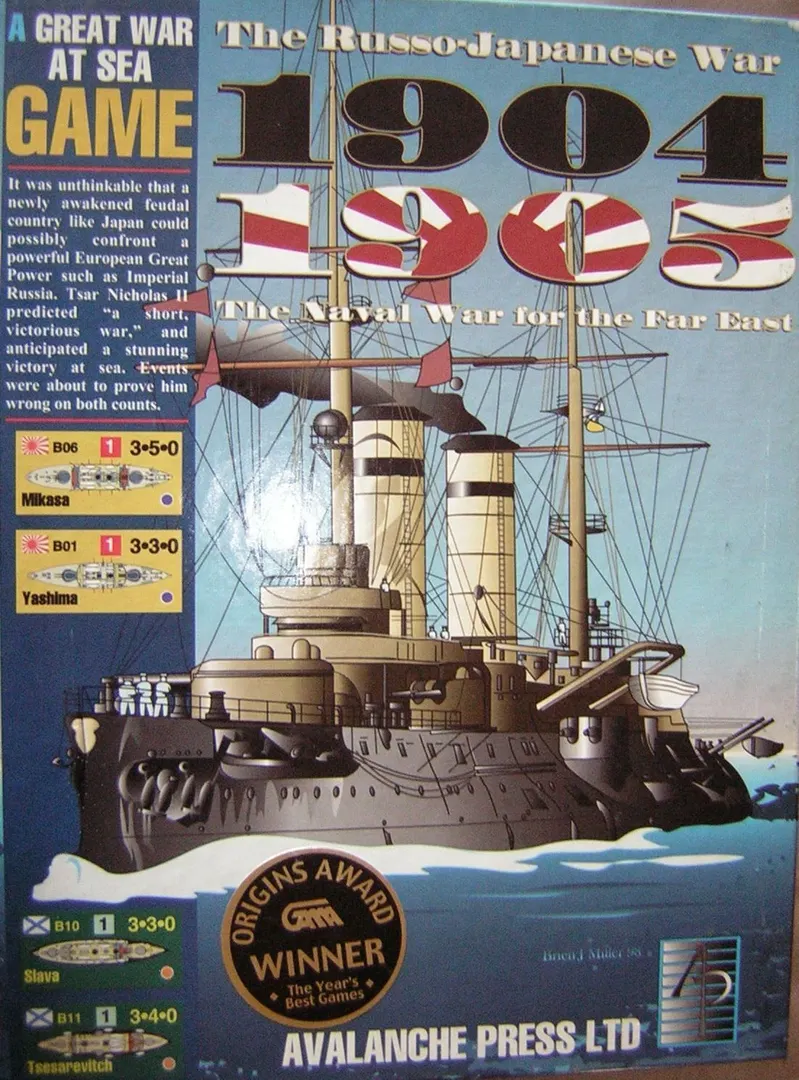
During the first half of the 20th century, the United States and the Japanese Empire constantly made plans for a naval war against the other rising power. Each believed that the U.S. Navy would fight its way across the Pacific Ocean, with important clashes taking places in island chains like the Marianas and the Carolines. Pacific Crossroads is the new introductory boxed game for the Great War at Sea series. It's based on the actual plans of both the United States and Japan for naval conflict at the close of World War I and immediately afterwards. Players try to seize and hold bases to either enable or stop the American drive across the Pacific. While the game is intended for new players, there's plenty here for old salts, too. New ships like the American 1910 battle cruiser design are present, as are the battle cruisers the Americans feared Japan would acquire from the Royal Navy. There's a lot of naval warfare in this small package, which also ushers in a new edition of the series rules. The 22x17-inch operational map covers waters around the Mariana and Caroline Islands and the coast of northern New Guinea. Players maneuver their fleets on this map and search for one another with aircraft, submarines and surface ships. When contact is made, player moves to the tactical map. The tactical map is a generic blue field of hexagons, used to resolve surface combat. There, ships maneuver and fight using their gunnery and torpedo factors. Each player rolls a number of dice according to the ship’s capabilities, hitting on a result of 6. Gunnery and torpedo damage tables give the results: ships can suffer damage to engines, hull or armament. The combat systems yield results rapidly but in a historically accurate fashion, giving a good balance of fun and insight.
Great War at Sea: Pacific Crossroads supports 2 players according to the catalogue. This is the publisher’s listed player count, so the game is designed for exactly that number of participants. Variants for other group sizes, if any, are described in the rulebook of your edition, so check it before setting up a different configuration.
The listed playing time for Great War at Sea: Pacific Crossroads is 30 minutes. This is the publisher’s estimate for a full game. The actual duration depends on the group, the player count and familiarity with the rules: first sessions usually run longer, while experienced groups often finish faster. Setup and teaching time are not included in this estimate.
Great War at Sea: Pacific Crossroads has a complexity rating of 2.6 out of 5 from BoardGameGeek players, which makes it a medium-light game. The rating reflects how much rules knowledge, planning and decision-making a typical game demands. Expect a longer first teach for heavier games, and use a preparation guide before game night.
Great War at Sea: Pacific Crossroads belongs to these categories: Wargame, Nautical, and World War I. Its main mechanics are Hexagon Grid. Categories describe the theme and setting of a game, while mechanics describe what players actually do on their turns. Each mechanic links to a catalogue hub with similar games, which helps when you want something comparable.
The credited designers of Great War at Sea: Pacific Crossroads are: Michael Bennighof. These credits come from the published game data and name the people responsible for the game’s design, not its illustrators or publishers. Designer pages on MeepleRules collect other titles by the same designers, which helps when you enjoy a game and want to find similar ones.
The catalogue lists Great War at Sea: Pacific Crossroads as a base game. It can be played on its own with the components in the box and does not require any other title. Expansions, if any exist, add new content or rules on top of it and are listed separately in the catalogue with a link back to this base game.