
- BGG rank
- BGG #3,216
- BGG rating
- 7.7
The Great Battles of Alexander: Deluxe Edition
- 1–4 players
- 240 min
- Complexity 3.6/5
- 1995
1987
Rules assistance for Hastings, 1066
Plain-language explanations of turns, card effects and disputed situations, with official source references and saved question history.
For 2 players
What would you like to know?
Answers come from the official rulebook, with the page to check.
Hastings, 1066 is a board game released in 1987 for 2 players, 300 minutes per game, and ages 12 and up. It was designed by Richard H. Berg and its main mechanics are Dice Rolling, Hexagon Grid, and Simulation.
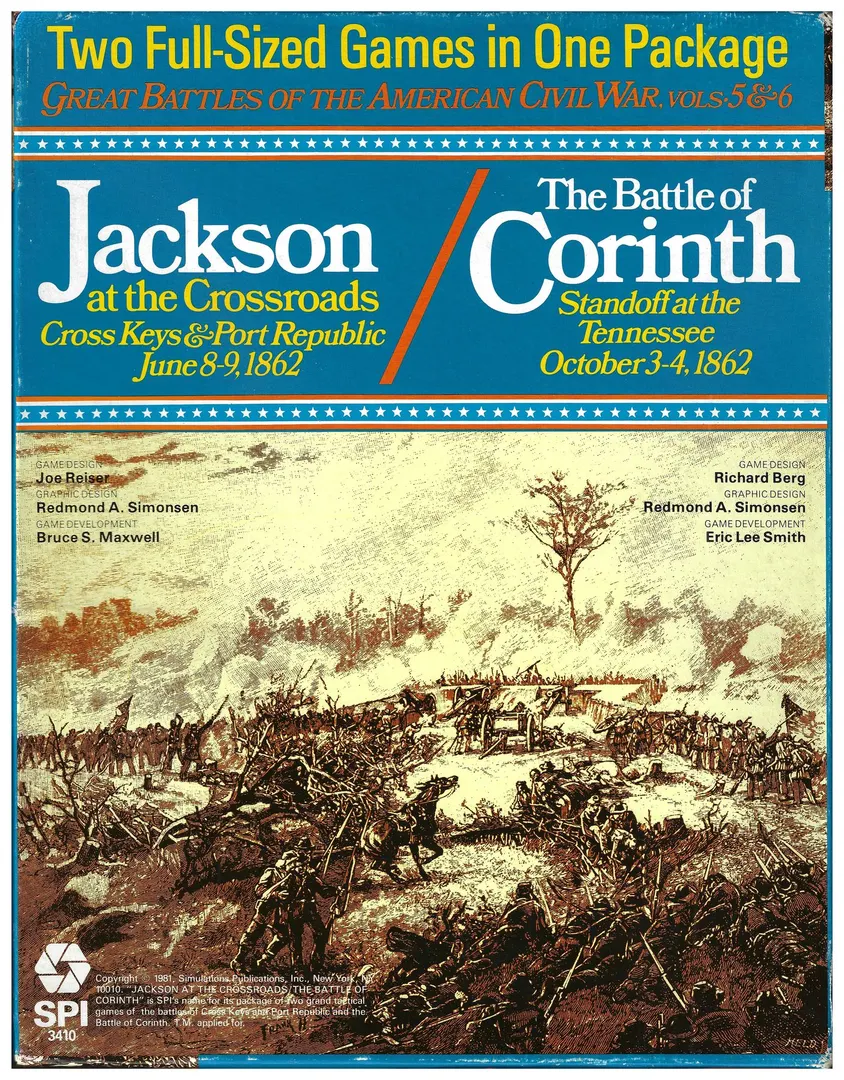
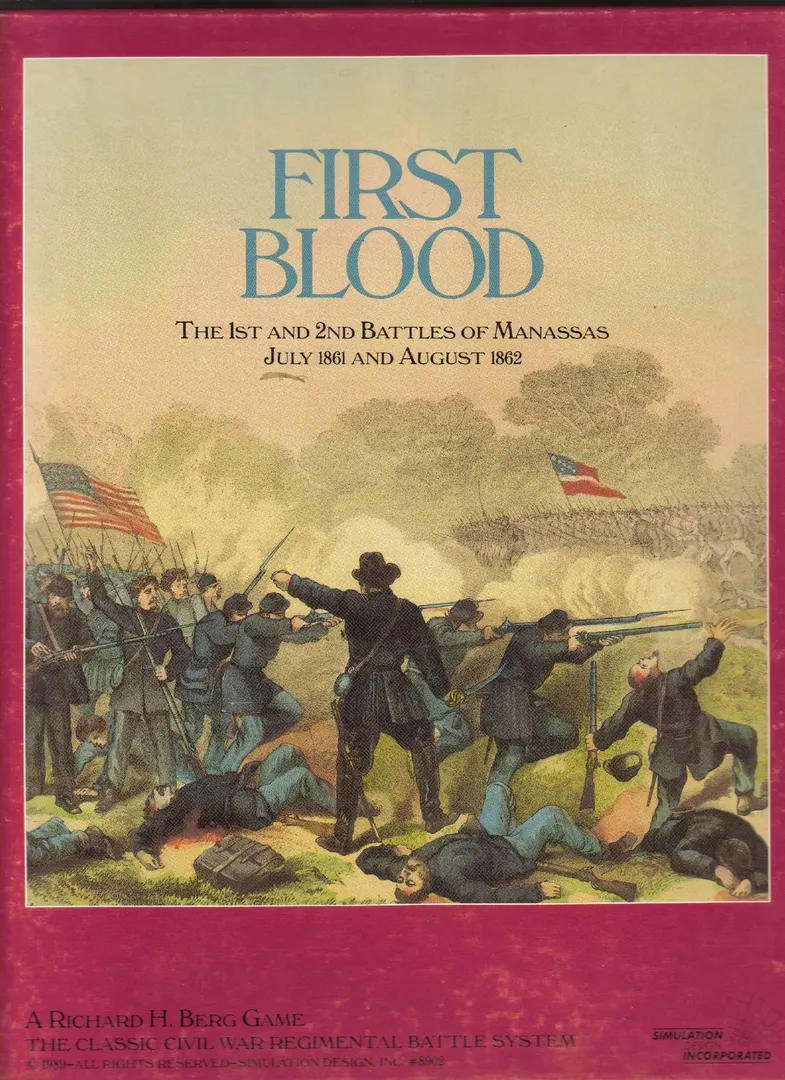
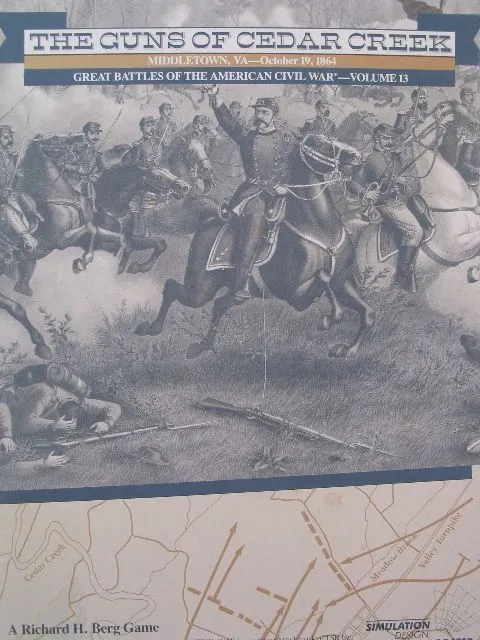

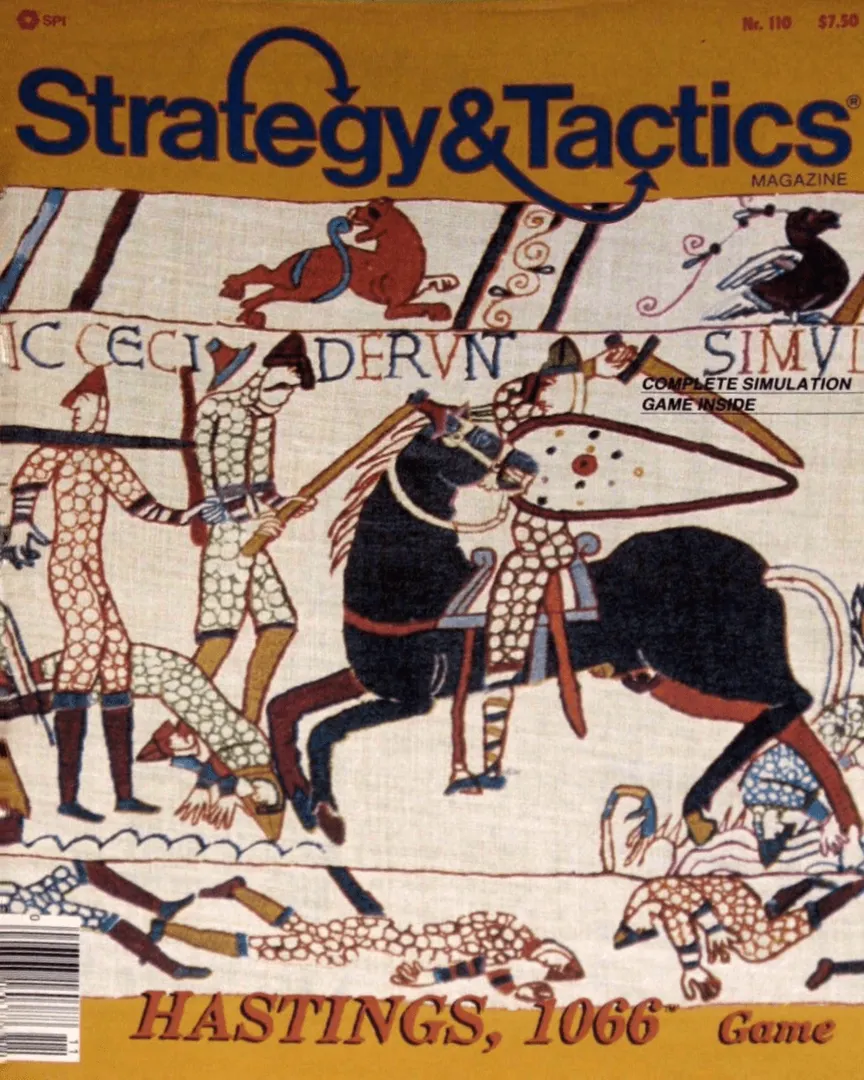
First published in Strategy & Tactics magazine #110, Hastings, 1066 is a tactical simulation of the confrontation between William the Bastard, Duke of Normandy, and King Harold Godwineson of Wessex... a battle that forever changed the face of the world, as the victor became King. The game includes a 12 page rulebook, 200 counters and a 22"X34" mapsheet, which includes player displays, charts, and tables. The Norman's objective was to reach and take London. Harold's army blocked the only road. If the Norman player controls all of the road hexes on Senlac Hill, they win a Strategic victory. The Normans also win if they can eliminate all of the Saxon housecarle units. If neither of these victory conditions occur by the end of the second assault phase, the Saxon player wins.
Hastings, 1066 supports 2 players according to the catalogue. This is the publisher’s listed player count, so the game is designed for exactly that number of participants. Variants for other group sizes, if any, are described in the rulebook of your edition, so check it before setting up a different configuration.
The listed playing time for Hastings, 1066 is 300 minutes. This is the publisher’s estimate for a full game. The actual duration depends on the group, the player count and familiarity with the rules: first sessions usually run longer, while experienced groups often finish faster. Setup and teaching time are not included in this estimate.
The catalogue lists Hastings, 1066 for ages 12 and up. This is the publisher’s recommendation and reflects reading demands, rule complexity and small components rather than theme alone. Younger players can often join with help from an adult, so check the age guidance on your edition and consider your group’s experience with board games.
Hastings, 1066 has a complexity rating of 2.5 out of 5 from BoardGameGeek players, which makes it a medium-light game. The rating reflects how much rules knowledge, planning and decision-making a typical game demands. Expect a longer first teach for heavier games, and use a preparation guide before game night.
Hastings, 1066 belongs to these categories: Wargame and Medieval. Its main mechanics are Dice Rolling, Hexagon Grid, and Simulation. Categories describe the theme and setting of a game, while mechanics describe what players actually do on their turns. Each mechanic links to a catalogue hub with similar games, which helps when you want something comparable.
The credited designers of Hastings, 1066 are: Richard H. Berg. These credits come from the published game data and name the people responsible for the game’s design, not its illustrators or publishers. Designer pages on MeepleRules collect other titles by the same designers, which helps when you enjoy a game and want to find similar ones.
The catalogue lists Hastings, 1066 as a base game. It can be played on its own with the components in the box and does not require any other title. Expansions, if any exist, add new content or rules on top of it and are listed separately in the catalogue with a link back to this base game.