
- BGG rank
- BGG #14,920
- BGG rating
- 7.6
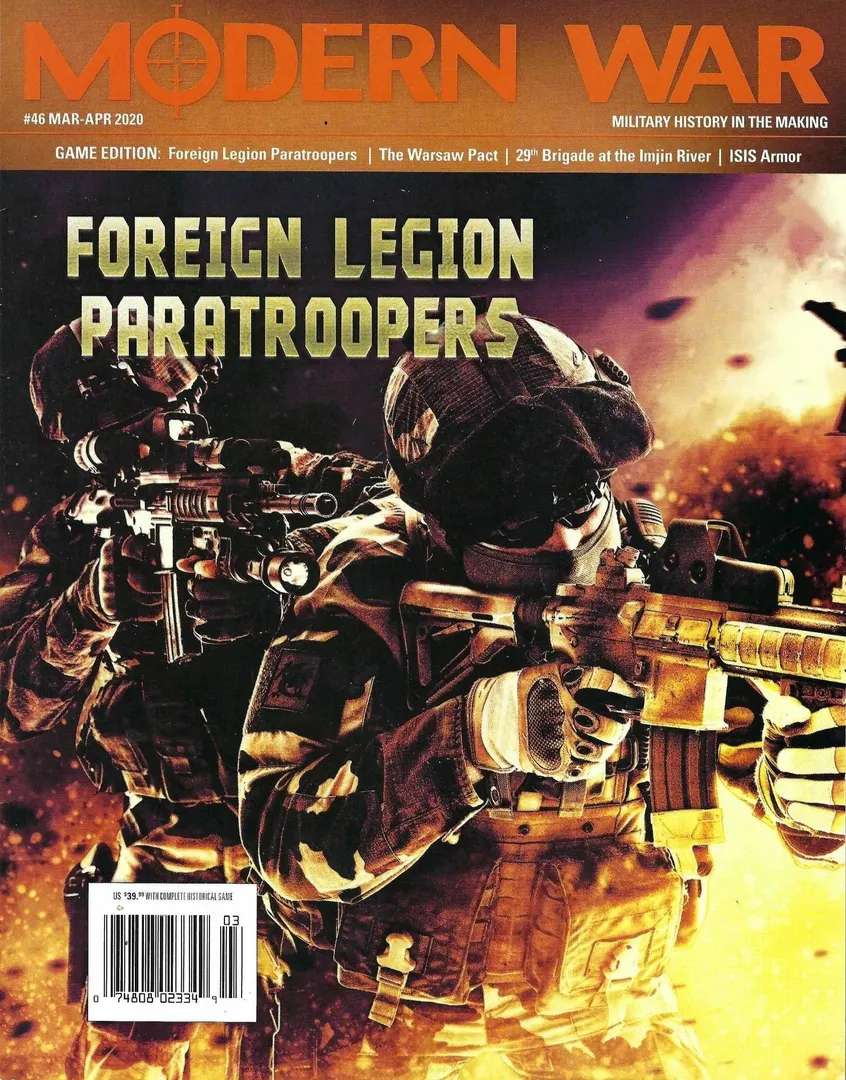
Foreign Legion Paratroopers: Rapid Response Force
- 1–2 players
- Complexity 3.2/5
- 2020
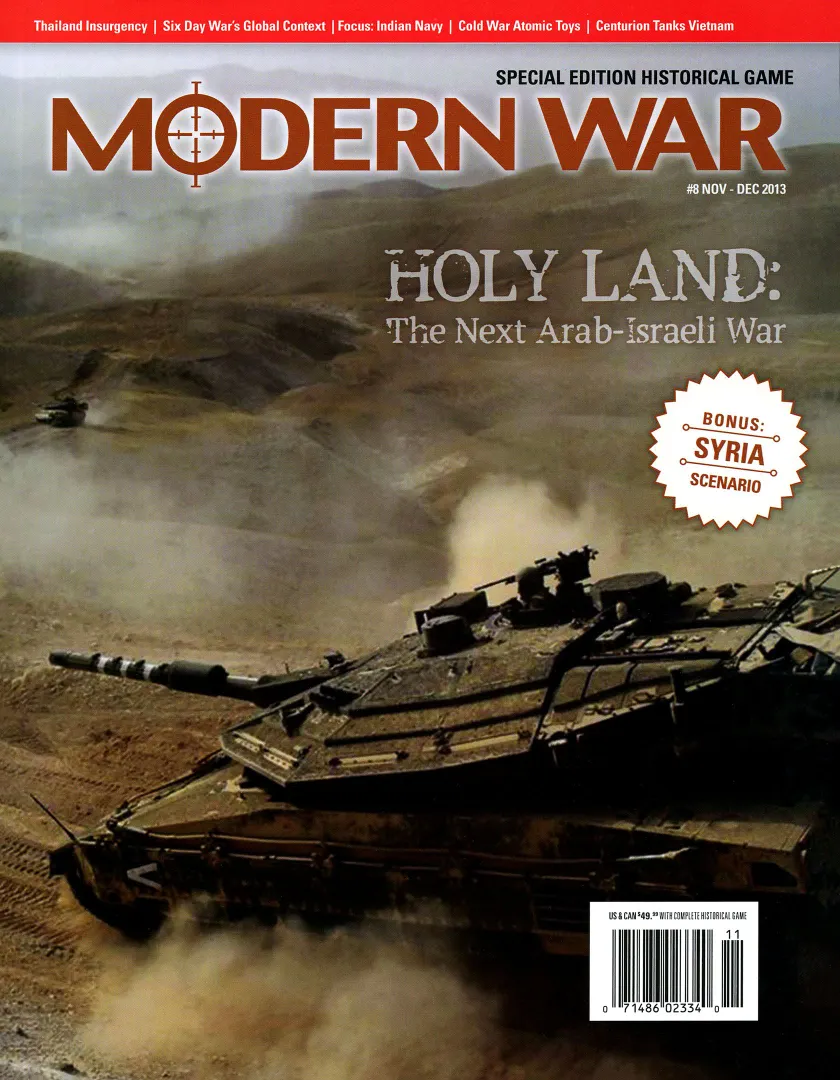
2013
Rules assistance for Holyland: Full Spectrum Warfare in the Middle East
Plain-language explanations of turns, card effects and disputed situations, with official source references and saved question history.
For 1 player
What would you like to know?
Answers come from the official rulebook, with the page to check.
Holyland: Full Spectrum Warfare in the Middle East is a board game released in 2013 for 1–3 players. It was designed by Joseph Miranda and its main mechanics are Dice Rolling, Point to Point Movement, and Simulation.

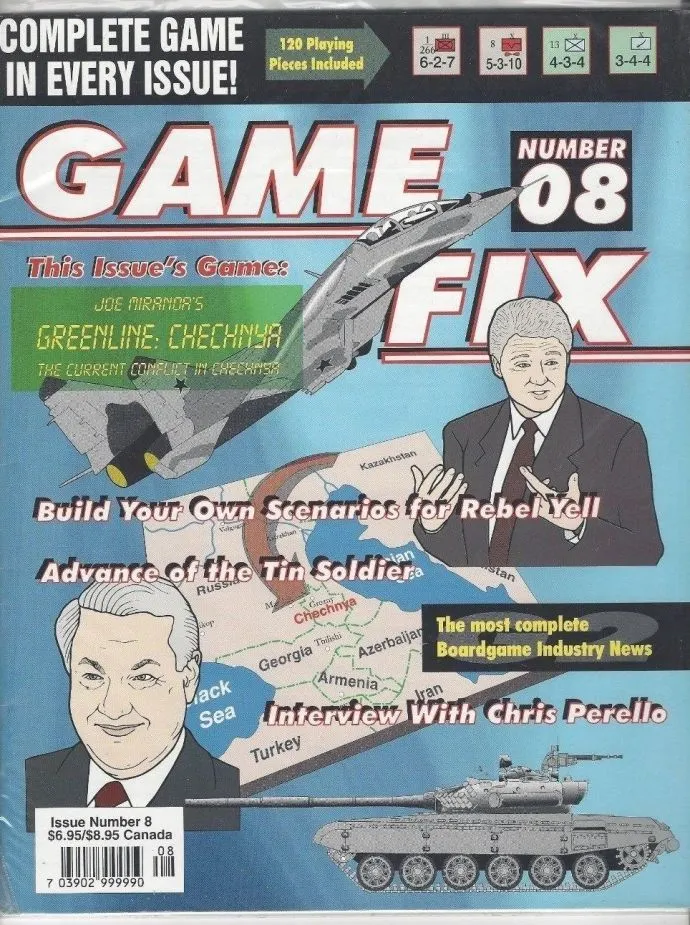
From the editor's website: The premise of Holy Land is that there is a revitalization of the militant Arab world. They then challenge the Israelis, using not only conventional military forces, but also the full spectrum of conflict, including insurgency and terrorism. The game includes several possible scenario options for different types of conflict. Holy Land game shows some of the major factors involved. The Holy Land game system is based upon Decision: Iraq; there are two players in Holy Land, various Arab powers and foreign fighters, the latter possibly including Al Qaeda and Iranian support, among others, and the Israelis, with possible coalition support. Both players have a set of pieces that represent both conventional and unconventional forces. Players move their pieces across the spaces on the map and engage in various kinds of conflict in order to destroy enemy forces, seize critical objectives, and change the Netwar Index, which is an index used to indicate how successful each side has been in meeting their goals. Furthermore, one unique feature of the Holy Land is that as units engage in combat, their effectiveness may increase or decrease as they gain experience in fighting, or become demoralized. The game map shows Israel and adjoining countries, divided into large rectangular boxes known as regions, representing the general geography of the area. Players deploy their units into region boxes, into the “Open” area. Each region box The game includes two maps (22x34”) and 352 counters.
Holyland: Full Spectrum Warfare in the Middle East supports 1–3 players according to the catalogue. This range comes from the publisher’s listed player count, so the game can be set up for any group size within it. Some setups, rules and scoring details may still vary by player count, so check your edition’s rulebook for the exact configuration.
Holyland: Full Spectrum Warfare in the Middle East has a complexity rating of 3.0 out of 5 from BoardGameGeek players, which makes it a medium-weight game. The rating reflects how much rules knowledge, planning and decision-making a typical game demands. Expect a longer first teach for heavier games, and use a preparation guide before game night.
Holyland: Full Spectrum Warfare in the Middle East belongs to these categories: Wargame and Modern Warfare. Its main mechanics are Dice Rolling, Point to Point Movement, and Simulation. Categories describe the theme and setting of a game, while mechanics describe what players actually do on their turns. Each mechanic links to a catalogue hub with similar games, which helps when you want something comparable.
The credited designers of Holyland: Full Spectrum Warfare in the Middle East are: Joseph Miranda. These credits come from the published game data and name the people responsible for the game’s design, not its illustrators or publishers. Designer pages on MeepleRules collect other titles by the same designers, which helps when you enjoy a game and want to find similar ones.
The catalogue lists Holyland: Full Spectrum Warfare in the Middle East as a base game. It can be played on its own with the components in the box and does not require any other title. Expansions, if any exist, add new content or rules on top of it and are listed separately in the catalogue with a link back to this base game.