
- BGG rank
- BGG #9,186
- BGG rating
- 8.1
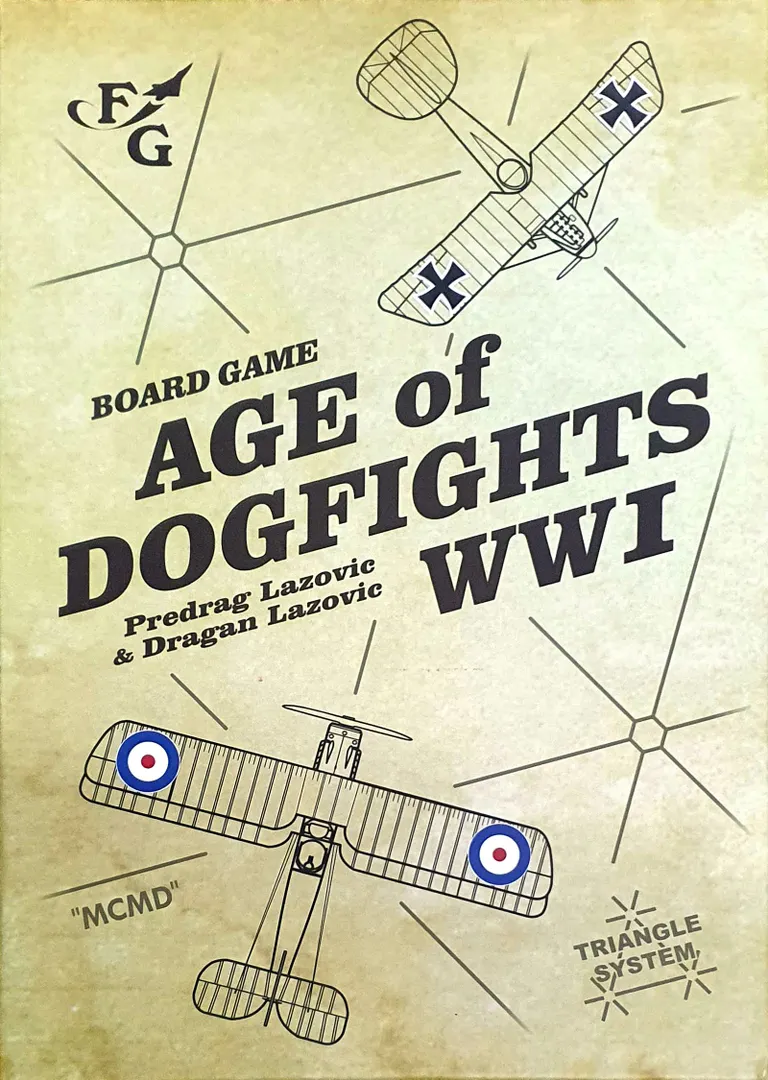
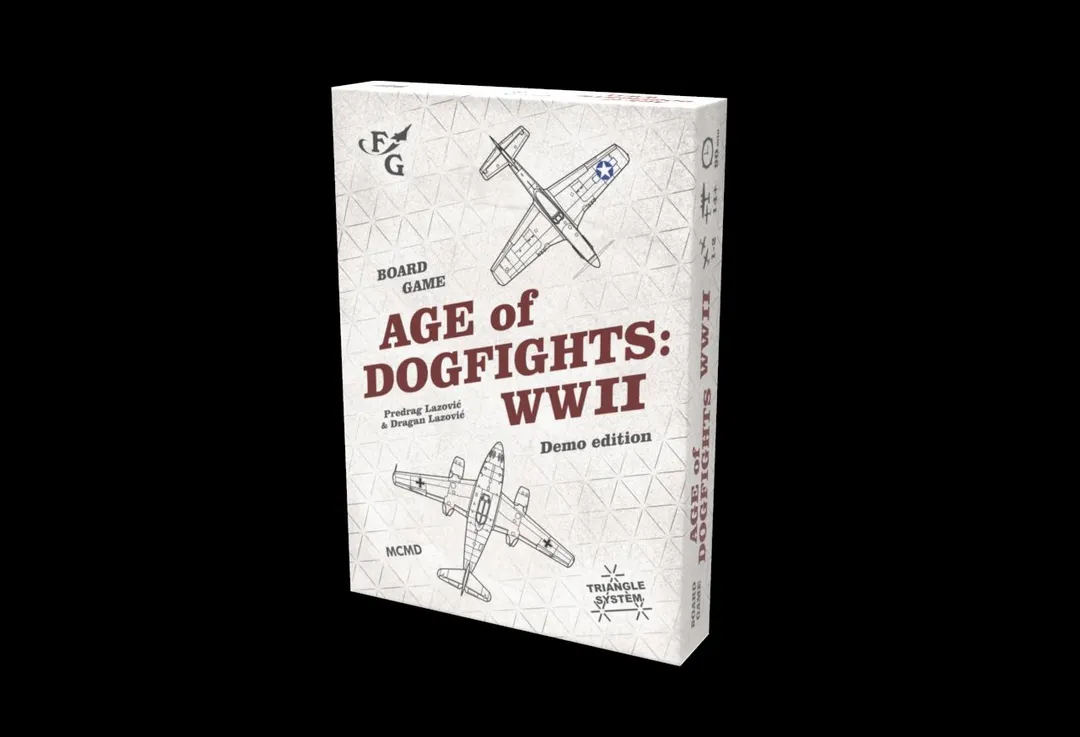
Age of Dogfights: WW1
- 1–4 players
- 30–120 min
- Complexity 2.3/5
- 2020
1987
Rules assistance for Knights of the Air
Plain-language explanations of turns, card effects and disputed situations, with official source references and saved question history.
For 1 player
What would you like to know?
Answers come from the official rulebook, with the page to check.
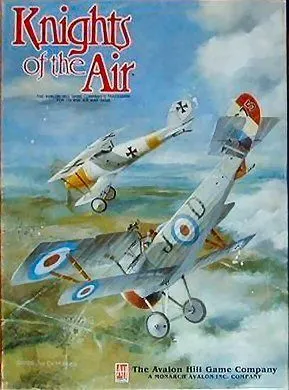
Knights of the Air is a board game released in 1987 for 1–6 players, 30–150 minutes per game, and ages 12 and up. It was designed by Mick Uhl and its main mechanics are Variable Player Powers, Dice Rolling, and Variable Set-up.
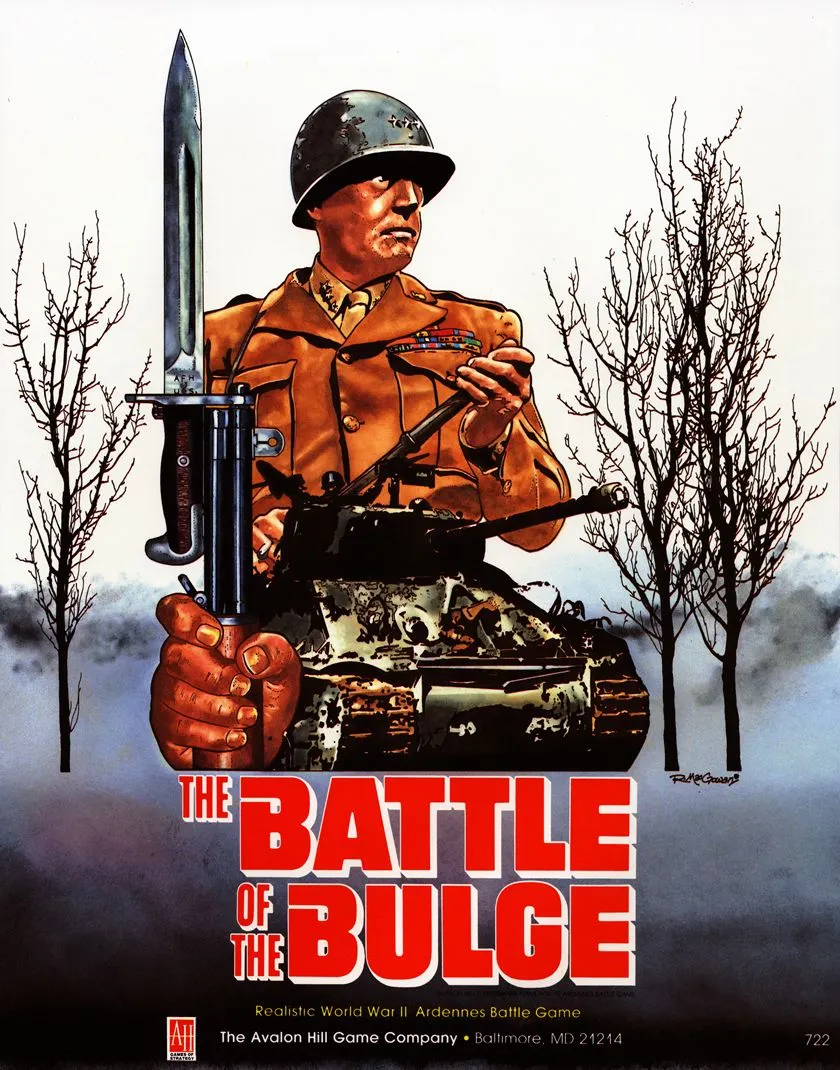



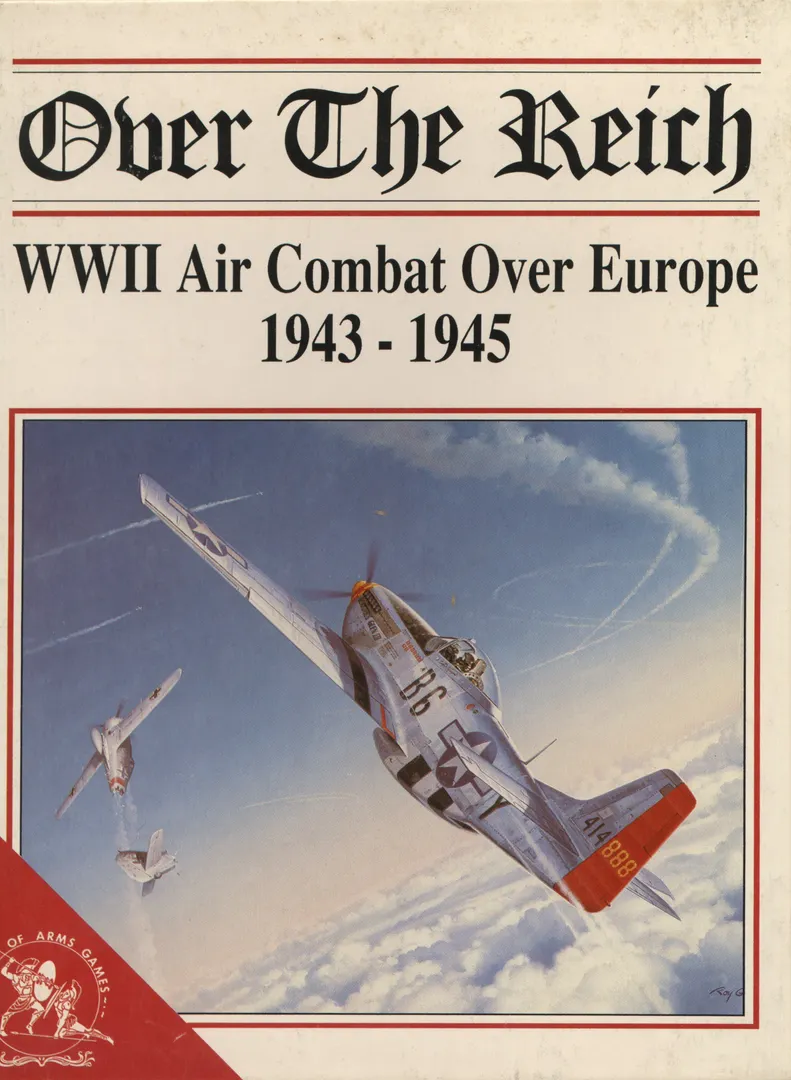
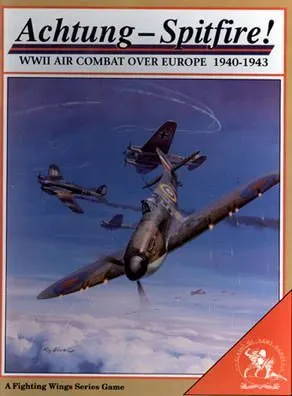
[From the back of the Avalon Hill game box] They were a part of Europe's “next Generation”, asked to march to war before they had tasted of life's joys and sorrows. They were cut from a special cloth, singled out to do a job that demanded intelligence, endurance, steadiness and coordination of the highest order. They dueled to the death in fragile machines, only just invented ten years before, miles above the earth. They were brave soldiers to their comrades in arms and heroes to their public. They were the fighter pilots of the Great War – THE KNIGHTS OF THE AIR. Avalon Hill's game, KNIGHTS OF THE AIR, recreates the deadly combat of the World War I air war. You learn to fly the great airplanes of the period much in the same way the Aces did – rig in the cockpit using control stick, throttle and rudder pedals. Each kind of warplane included in the game has been carefully researched to present the same strengths, weaknesses and idiosyncrasies it demonstrated in real life. Once you have learned the tricks of your aircraft, you can dare to risk all in a dogfight. Air combat is conducted in a series of maneuvers as each pilot tries to position his plane for the killing run. With experience, new and more complicated maneuvers become available so that the ace can barrel roll and loop rings around the novice. Your success will depend upon your ability to master your plane and to exploit the weaknesses of your enemy's. Some Features: - Your Abilities to improve with experience, An Ace can react quicker, aim his gunfire more accurately, and undertake more complicated maneuvers than a novice can. - Each kind of airplane in the game has been designed to perform just like its real-life counterpart. Rates of climb and dive, maximum and stall speeds, and turning abilities all compare favorably with test flight results. -You guide your airplane on the gameboard using real controls. You adjust speed with the control stick and the rates of dive and climb with the throttle. - Special attention was directed, during the design, to develop a simple method of allowing one plane to tail another. The reflexes of both airplane and pilot are a crucial factor in this procedure. - With the wide choice of airplanes included, a practically unlimited variety of dogfights may be staged. Many of the greatest warplanes are there the Sopwith Camel, SE 5a, SPAD, Nieuport, Bristol Fighter, Fokker Triplane, Fokker DVII, Albatros, Pfalz, Roland and more. - Special solitaire scenarios have been created to restage attacks against Zeppelin airships and two-seater warplanes. Complexity: Medium Solitaire Suitability: High Each game contains: - A 22”x32” full-color gameboard depicting a section of trenchline on the Western Front. Actual battlefield photographs were consulted during the construction. - Hundreds f die-cut playing pieces representing all of the airplanes and various markers needed for record-keeping. - Six sets of maneuver cards. Each card contains a diagram of a specific maneuver just as it was actually flown. - A set of Airplane Performance Cards. A different card has been prepared for each airplane. - Three six-sided dice
Knights of the Air supports 1–6 players according to the catalogue. This range comes from the publisher’s listed player count, so the game can be set up for any group size within it. Some setups, rules and scoring details may still vary by player count, so check your edition’s rulebook for the exact configuration.
The listed playing time for Knights of the Air is 30–150 minutes. This is the publisher’s estimate for a full game. The actual duration depends on the group, the player count and familiarity with the rules: first sessions usually run longer, while experienced groups often finish faster. Setup and teaching time are not included in this estimate.
The catalogue lists Knights of the Air for ages 12 and up. This is the publisher’s recommendation and reflects reading demands, rule complexity and small components rather than theme alone. Younger players can often join with help from an adult, so check the age guidance on your edition and consider your group’s experience with board games.
Knights of the Air has a complexity rating of 3.5 out of 5 from BoardGameGeek players, which makes it a medium-weight game. The rating reflects how much rules knowledge, planning and decision-making a typical game demands. Expect a longer first teach for heavier games, and use a preparation guide before game night.
Knights of the Air belongs to these categories: Wargame, Aviation / Flight, and World War I. Its main mechanics are Variable Player Powers, Dice Rolling, and Variable Set-up. Categories describe the theme and setting of a game, while mechanics describe what players actually do on their turns. Each mechanic links to a catalogue hub with similar games, which helps when you want something comparable.
The credited designers of Knights of the Air are: Mick Uhl. These credits come from the published game data and name the people responsible for the game’s design, not its illustrators or publishers. Designer pages on MeepleRules collect other titles by the same designers, which helps when you enjoy a game and want to find similar ones.
The catalogue lists Knights of the Air as a base game. It can be played on its own with the components in the box and does not require any other title. Expansions, if any exist, add new content or rules on top of it and are listed separately in the catalogue with a link back to this base game.