
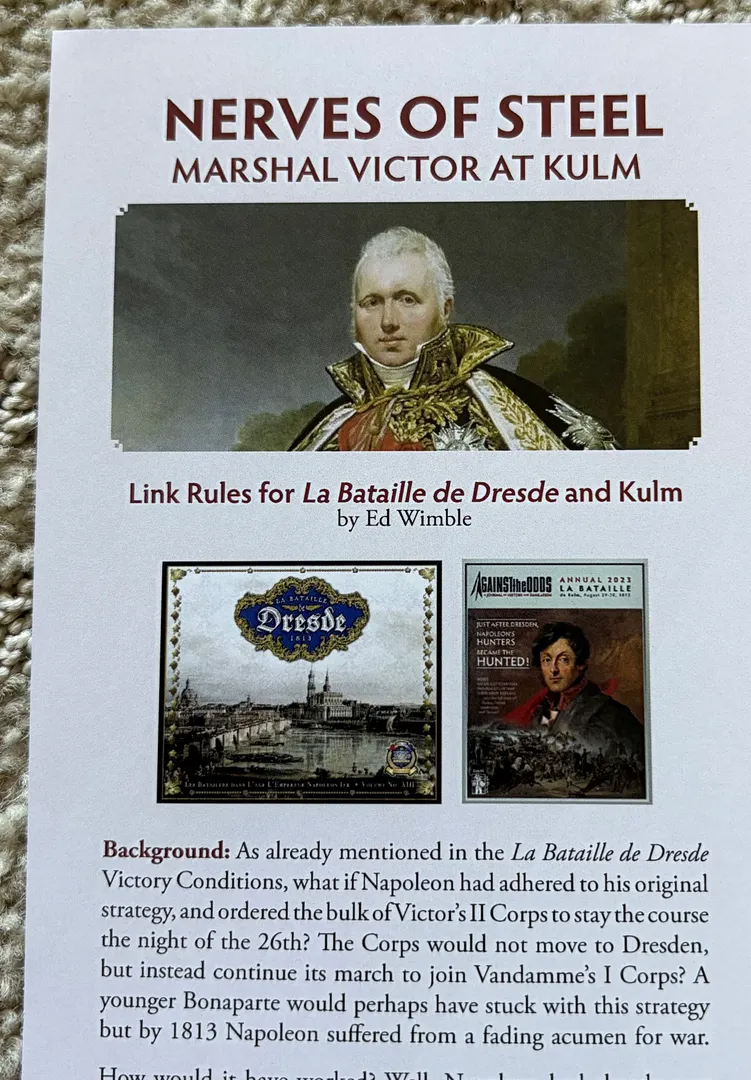
Nerves of Steel: Marshal Victor at Kulm
- 2025
2015
Rules assistance for La Bataille de Dresde
Plain-language explanations of turns, card effects and disputed situations, with official source references and saved question history.
For 2 players
What would you like to know?
Answers come from the official rulebook, with the page to check.
La Bataille de Dresde is a board game released in 2015 for 2–8 players, 720 minutes per game, and ages 12 and up. It was designed by Ed Wimble, Dennis A. Spors, and Monte Mattson and its main mechanics are Dice Rolling, Hexagon Grid, and Line of Sight.
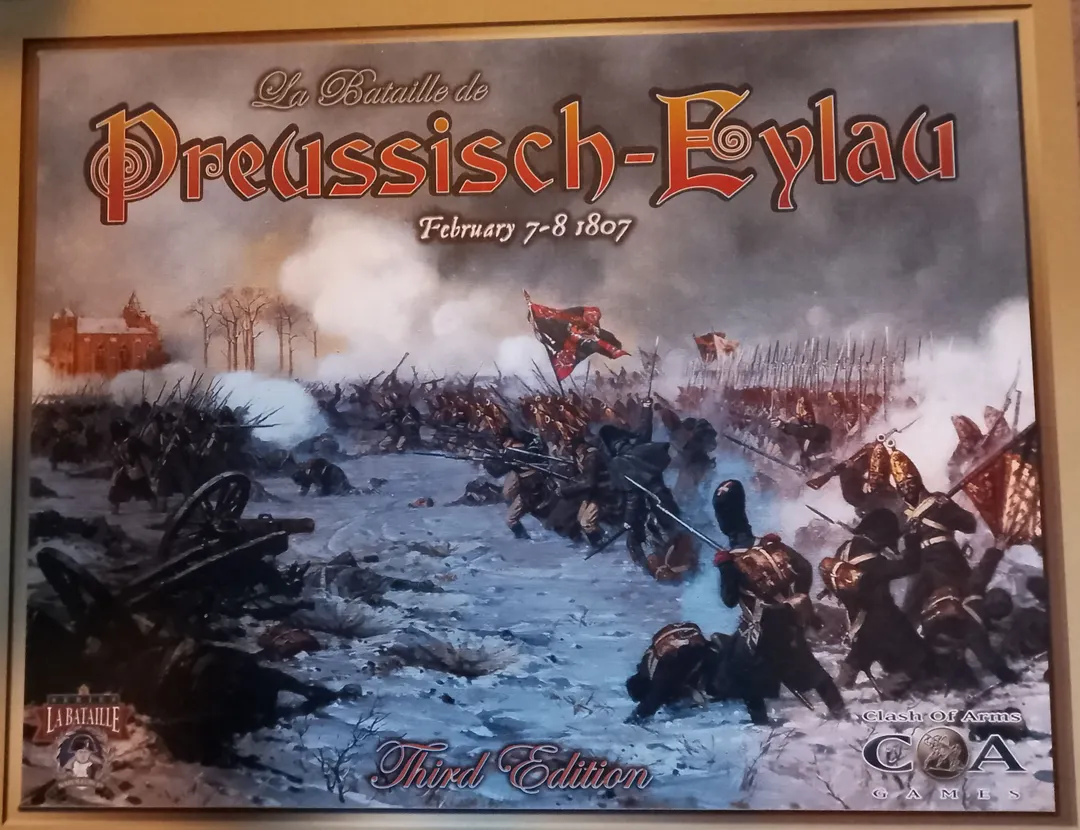
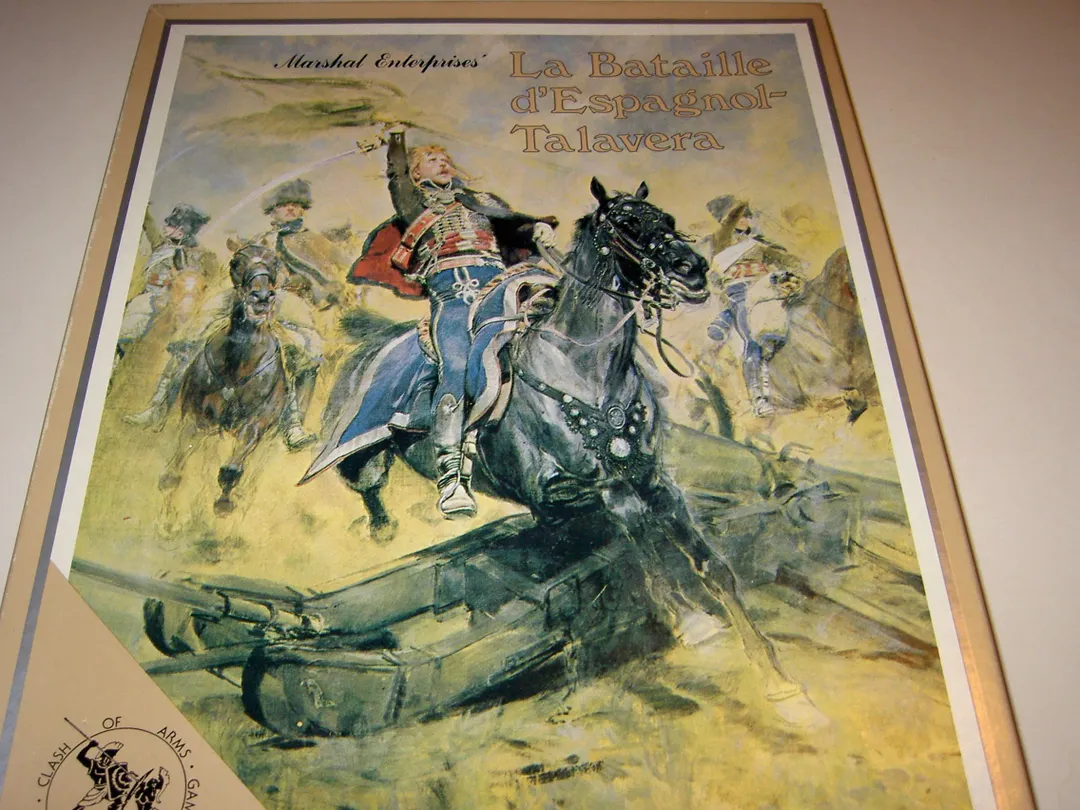
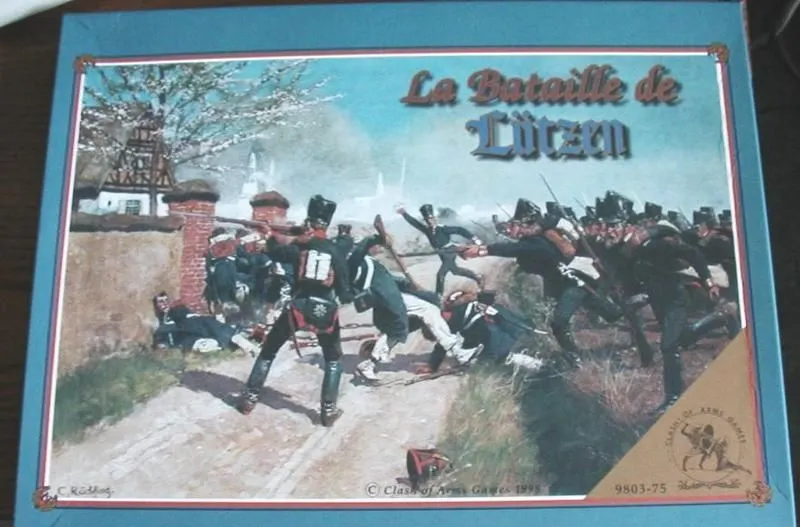
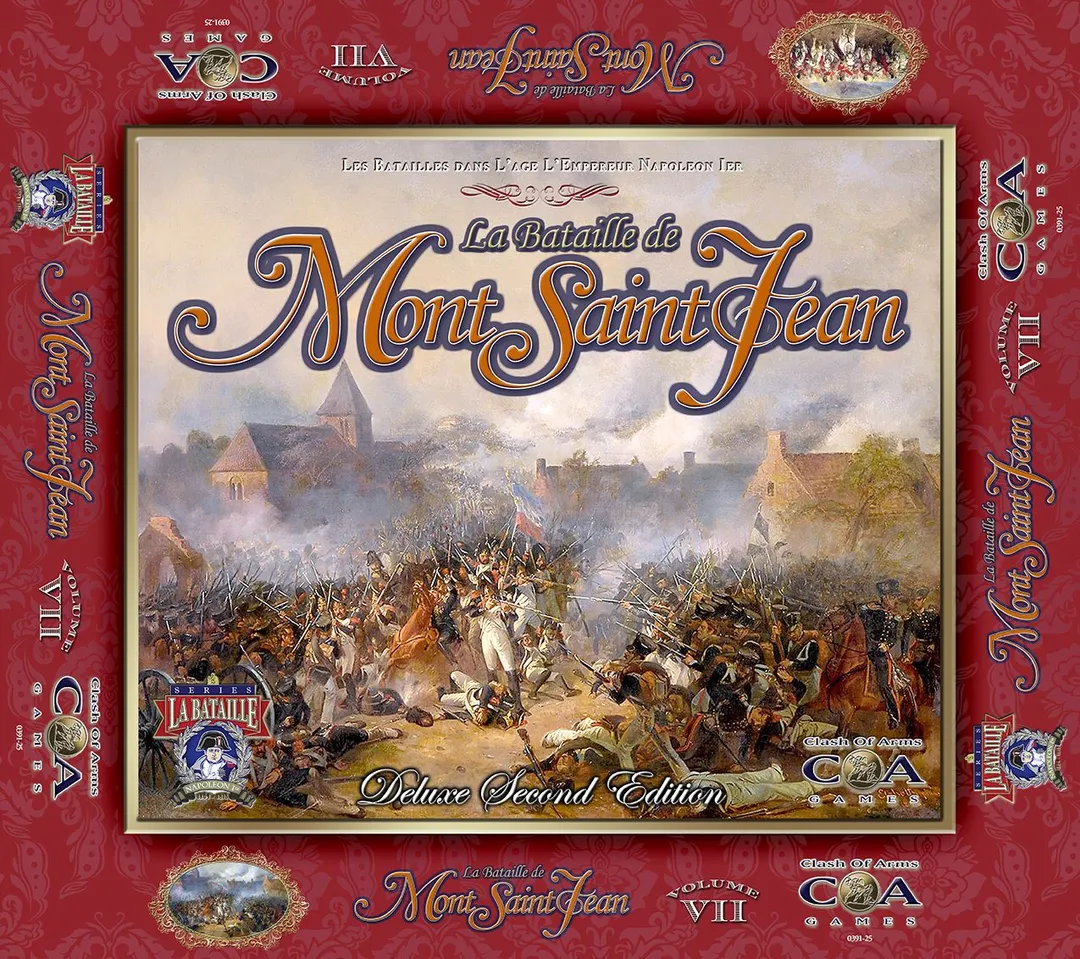


August 1813: Austria ends its neutrality and enters the VIth Coalition against France. After joining contingents of the Russian and Prussian armies, this new army marches north out of Bohemia nearly two hundred thousand strong. They march along the west bank of the Elbe into Saxony, this army's large lumbering columns stretched across the Erz mountains. From where he has been pursuing enemy forces to the east, Napoleon sees this new threat aimed at his line of communications and the city of Dresden, the main supply depot for his army. Only a single French Corps stands in its way. Outnumbered nearly ten-to-one, it cannot hold. In a flurry of orders, Napoleon redirects his guard and several corps to march to its rescue. La Bataille de Dresde details the titanic battle that ensued on August 25th and raged through the 27th. Up to four players control the Prussian, Austrian and Russian forces commanded by Feldmarschall Carl zu Schwarzenberg, while up to a further four command such French personages as Marshals Ney, Marmont, Mortier, Victor, St. Cyr, or Napoleon himself. Every battalion of infantry, squadron of cavalry or battery of artillery that was present at the battle is included...and are at the players' command.
La Bataille de Dresde supports 2–8 players according to the catalogue. This range comes from the publisher’s listed player count, so the game can be set up for any group size within it. Some setups, rules and scoring details may still vary by player count, so check your edition’s rulebook for the exact configuration.
The listed playing time for La Bataille de Dresde is 720 minutes. This is the publisher’s estimate for a full game. The actual duration depends on the group, the player count and familiarity with the rules: first sessions usually run longer, while experienced groups often finish faster. Setup and teaching time are not included in this estimate.
The catalogue lists La Bataille de Dresde for ages 12 and up. This is the publisher’s recommendation and reflects reading demands, rule complexity and small components rather than theme alone. Younger players can often join with help from an adult, so check the age guidance on your edition and consider your group’s experience with board games.
La Bataille de Dresde has a complexity rating of 4.4 out of 5 from BoardGameGeek players, which makes it a heavy game. The rating reflects how much rules knowledge, planning and decision-making a typical game demands. Expect a longer first teach for heavier games, and use a preparation guide before game night.
La Bataille de Dresde belongs to these categories: Wargame and Napoleonic. Its main mechanics are Dice Rolling, Hexagon Grid, and Line of Sight. Categories describe the theme and setting of a game, while mechanics describe what players actually do on their turns. Each mechanic links to a catalogue hub with similar games, which helps when you want something comparable.
The credited designers of La Bataille de Dresde are: Ed Wimble, Dennis A. Spors, and Monte Mattson. These credits come from the published game data and name the people responsible for the game’s design, not its illustrators or publishers. Designer pages on MeepleRules collect other titles by the same designers, which helps when you enjoy a game and want to find similar ones.
The catalogue lists La Bataille de Dresde as a base game. It can be played on its own with the components in the box and does not require any other title. Expansions, if any exist, add new content or rules on top of it and are listed separately in the catalogue with a link back to this base game.