
- BGG rank
- BGG #9,591
- BGG rating
- 7.4
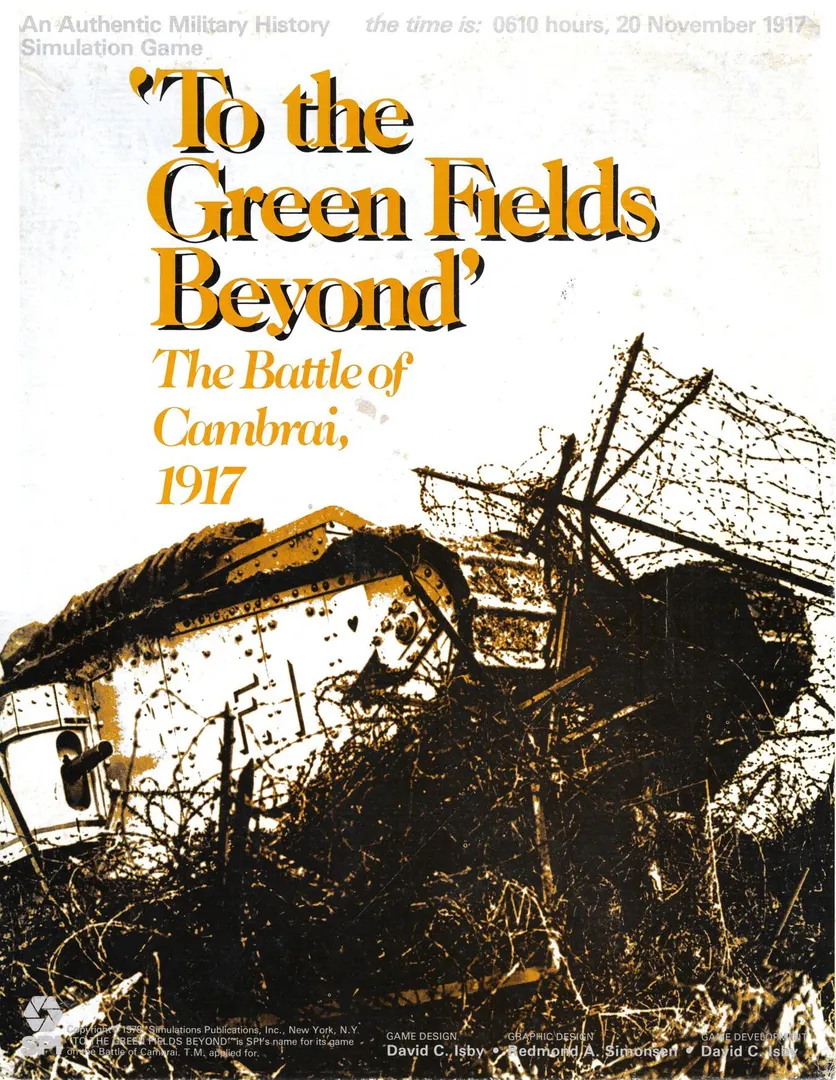
To the Green Fields Beyond: The Battle of Cambrai, 1917
- 2 players
- 240–1020 min
- Complexity 3.6/5
- 1978

1974
Rules assistance for Lee vs. Meade: The Battle of Gettysburg
Plain-language explanations of turns, card effects and disputed situations, with official source references and saved question history.
For 2 players
What would you like to know?
Answers come from the official rulebook, with the page to check.
Lee vs. Meade: The Battle of Gettysburg is a board game released in 1974 for 2 players, 360 minutes per game, and ages 12 and up. It was designed by Phil Orbanes Sr. and David C. Isby and its main mechanics are Square Grid and Simulation.

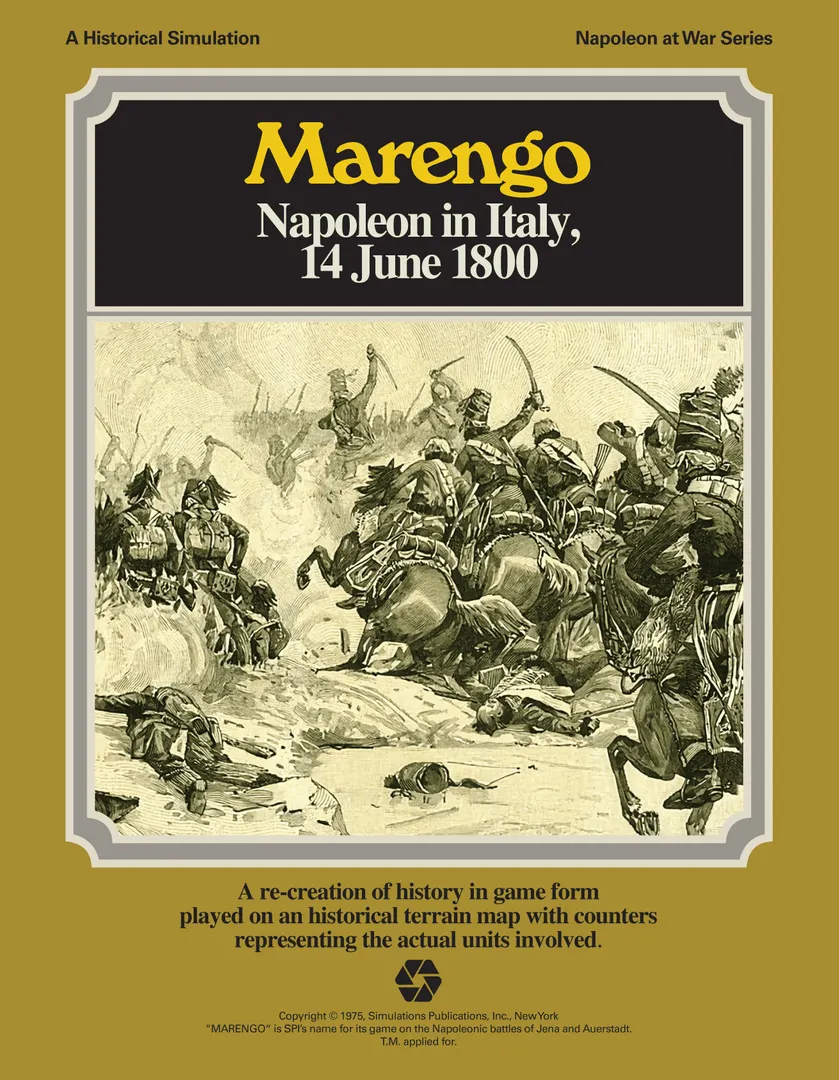



The Battle of Gettysburg was fought in July 1, 1863 until July 3rd of the same year. It took place in and around the town of Gettysburg, Pennsylvania. It was the battle with the largest number of casualties in the American Civil War and is often described as the war's turning point. Union Major General George Gordon Meade's Army of the Potomac defeated attacks by Confederate General Robert E. Lee's Army of Northern Virginia. This battle put an end to Lee's plans for an invasion of the North. Lee vs Meade is a game that covers the Battle of Gettysburg. It was the first game in a series of games put out by Rand known as the 'Command Series Volume I'. The later version put out by Gamut of Games featured a mounted map-board while the original Rand Games version had a map on heavy paper. Lee vs. Meade has a 17"X17" map 72 counters(36 for each player) combat charts and turn records charts along with a rulebook. The scale used is 1/2 mile per square and each unit is considered to be an entire division. The two-color map is mainly green but there are also some hills and ridges. There is a clearly shown road network of the area as well as terrain that are suitable for defensive outposts. The map of the Gettysburg area is broken up into a 12x12 square grid. This grid system was used in several of the games developed by Rand Game Associates and was called the Time/Space Grid. Movement costs necessary to go from one square to the next are visible on the grid at the edges and corners between the squares making it easier to move without the use of a movement chart. Unlike some games that use a square grid, diagonal movement is permitted. Another feature common to most of the games offered by Rand Games was fairly elaborate combat sub-routine in which the attacker and defender would each pick a combat method from a 6x6 matrix called the Tactical Analysis Chart and draw the appropriate "Tac Card." These "Tac Cards" are numbered from 1 to 6. The cell on the Tactical Analysis Chart that corresponds to the intersection of the two players' combat methods determines which combat results table is used. There are 6 different types of CRT used in this game. The turn sequence is easy. Firstly the Confederate army moves.Any combat resulting is resolved and then the Union army moves and any combat is resolved. In order to initiate a combat you have to move your units onto a square edge that contains enemy units. There are four different scenarios in the game. A different time of the battle is used in each one and different victory conditions are required for each one.
Lee vs. Meade: The Battle of Gettysburg supports 2 players according to the catalogue. This is the publisher’s listed player count, so the game is designed for exactly that number of participants. Variants for other group sizes, if any, are described in the rulebook of your edition, so check it before setting up a different configuration.
The listed playing time for Lee vs. Meade: The Battle of Gettysburg is 360 minutes. This is the publisher’s estimate for a full game. The actual duration depends on the group, the player count and familiarity with the rules: first sessions usually run longer, while experienced groups often finish faster. Setup and teaching time are not included in this estimate.
The catalogue lists Lee vs. Meade: The Battle of Gettysburg for ages 12 and up. This is the publisher’s recommendation and reflects reading demands, rule complexity and small components rather than theme alone. Younger players can often join with help from an adult, so check the age guidance on your edition and consider your group’s experience with board games.
Lee vs. Meade: The Battle of Gettysburg has a complexity rating of 2.0 out of 5 from BoardGameGeek players, which makes it a medium-light game. The rating reflects how much rules knowledge, planning and decision-making a typical game demands. Expect a longer first teach for heavier games, and use a preparation guide before game night.
Lee vs. Meade: The Battle of Gettysburg belongs to these categories: Wargame and American Civil War. Its main mechanics are Square Grid and Simulation. Categories describe the theme and setting of a game, while mechanics describe what players actually do on their turns. Each mechanic links to a catalogue hub with similar games, which helps when you want something comparable.
The credited designers of Lee vs. Meade: The Battle of Gettysburg are: Phil Orbanes Sr. and David C. Isby. These credits come from the published game data and name the people responsible for the game’s design, not its illustrators or publishers. Designer pages on MeepleRules collect other titles by the same designers, which helps when you enjoy a game and want to find similar ones.
The catalogue lists Lee vs. Meade: The Battle of Gettysburg as a base game. It can be played on its own with the components in the box and does not require any other title. Expansions, if any exist, add new content or rules on top of it and are listed separately in the catalogue with a link back to this base game.