

- BGG rank
- BGG #6,965
- BGG rating
- 7.4
Stalingrad: Inferno on the Volga
- 1–3 players
- 30–60 min
- Complexity 2.3/5
- 2018
2017
Rules assistance for Leningrad '41
Plain-language explanations of turns, card effects and disputed situations, with official source references and saved question history.
For 1 player
What would you like to know?
Answers come from the official rulebook, with the page to check.
Leningrad '41 is a board game released in 2017 for 1–2 players, 30–120 minutes per game, and ages 10 and up. It was designed by Emanuele Santandrea and its main mechanics are Area Movement, Dice Rolling, and Area Majority / Influence.
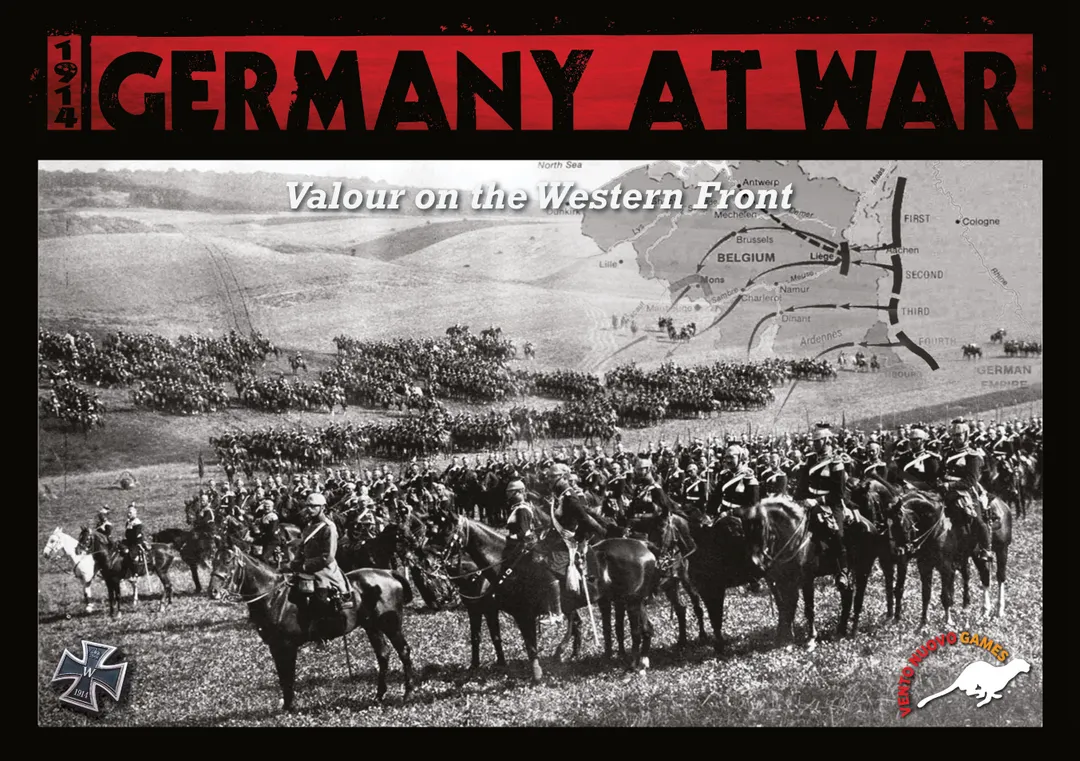

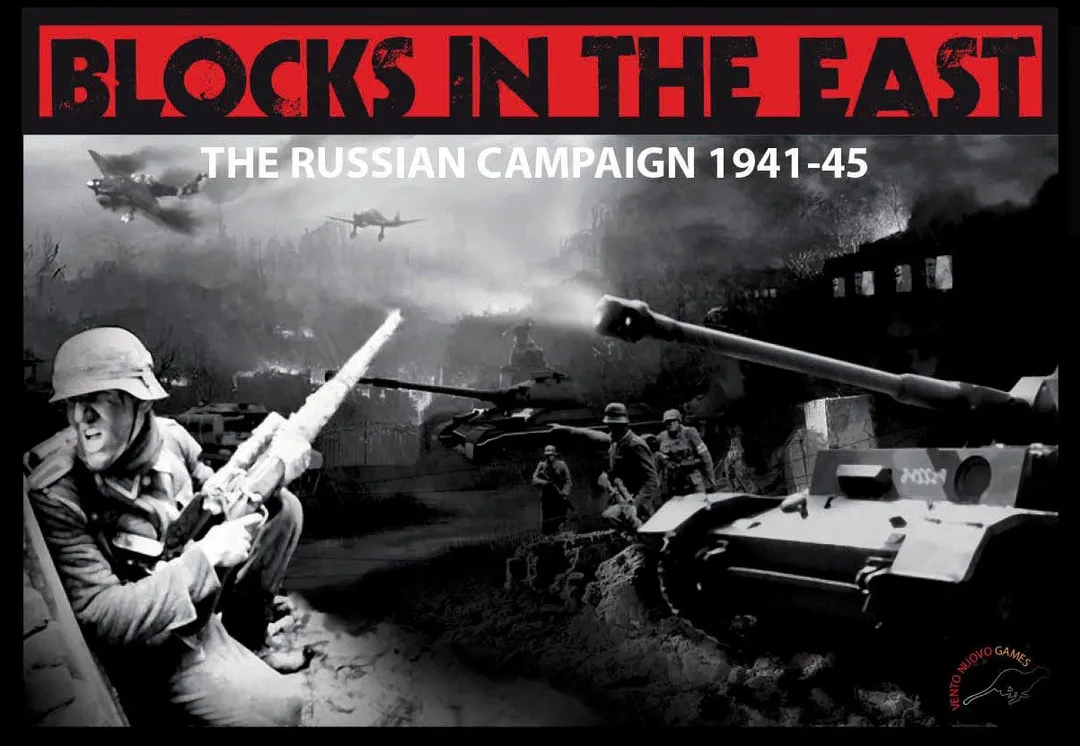
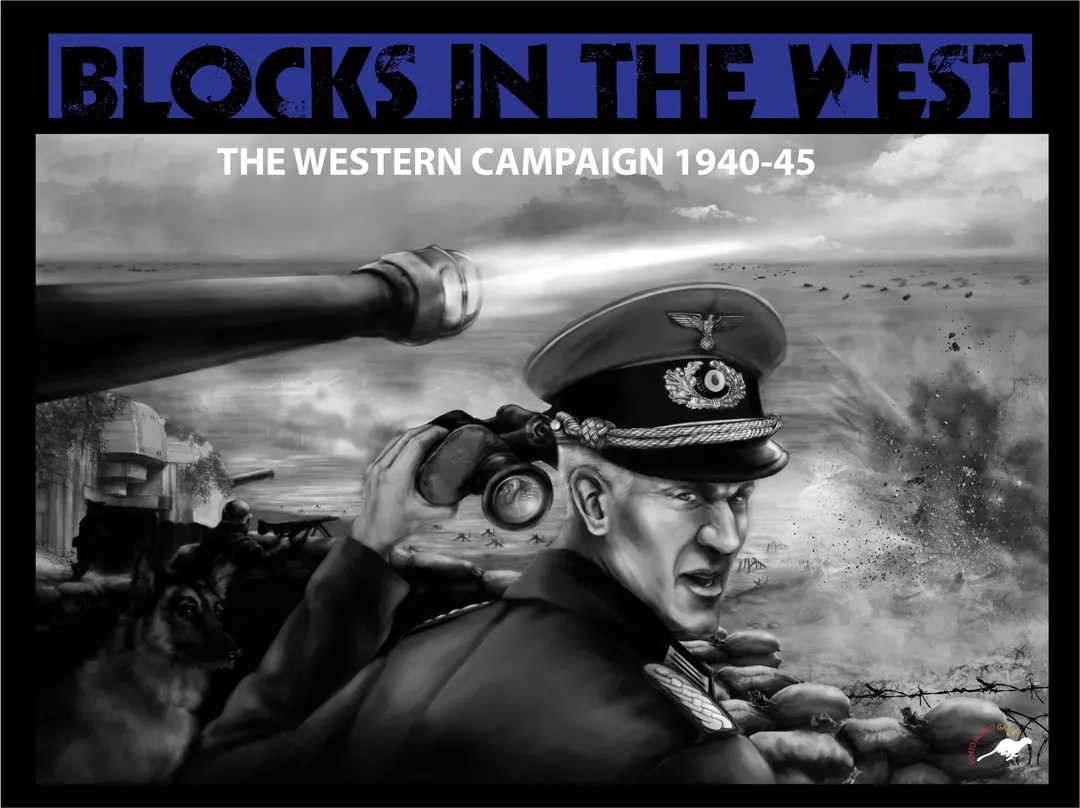

This is VentoNuovo's continuation of the system created for Moscow '41, now looking at the campaign of Army Group North in Barbarossa. The final chapter of the Trilogy is Kiev '41. Players take either the German or Soviet Union forces and use colorful wooden blocks to simulate the forces they have involved. Leningrad '41 uses the same basic game engine of Moscow '41, with a few tweaks and changes to suit the differing conditions in the north. The game brings new wrinkles in as well because the Germans have "allies" as part of their forces-- the small but powerful Finnish Army which sought to recover territory lost in the "Winter War" but did not fully match the ambitions of Germany at destroying the U.S.S.R. Four weeks after the commencement of Barbarossa, Hitler visited the headquarters of Army Group North. The Führer’s words were dutifully noted in the army group’s war diary, and culminated in the following observation: “…the loss of Leningrad might result in a complete collapse.” By the end of the third week in July the capture of Leningrad did indeed seem inevitable. The Germans had already covered more than half the distance to the city. And yet, as they advanced into the vastness of Russia, it appeared that everyone on the Axis side of things had a different plan; and as time went by, those plans had a habit of changing. Hitler did not want his tanks entering the city; but then, he did not want his infantry engaged in prolonged street fighting either. So, after another think about things, the Führer decided the city should be simply cut off and starved, or relentlessly bombarded and starved… or the Finns would be welcome to breach Lake Lagoda and flood it. Whatever the means, the Führer purposed that the “Cradle of Bolshevism” was to be wiped off the face of the earth, and its population left to dwindle away to nothing. The problem was, despite the rush of victories, or perhaps because of them, the Germans had precious little idea what to do next. Halder wrote that July: “…there seem to certain differences in von Leeb’s and Hoepner’s views of what the next moves should be.” They waited to be told what to do, or argued between themselves. Manstein, commanding one of Army Group North’s panzer corps, knew what to do, but he was not in charge of the operation. Delays accrued, brought on by lack of supply and the first recovery of Soviet forces. Already within one short drive of Leningrad, the Finns were meant to help, but the Finns had their own plans; and, for the time being, they did not involve doing more than reclaiming what they had lost in the Winter War. And what of Stalin? Beyond the speeches, the threats and the executions, he sent Zhukov to the city in early September 1941, and there the man who would eventually oversee the fall of Berlin organized the workers’ militias and planned a defence that was meant to face the expected German onslaught - an onslaught, which as the weeks went by, never actually came. As the German player, in reaching for a victory that will have meaning, you are up against the clock, the terrain, and alongside Soviet resistance, the loss of units that some other bright idea from somewhere else will impose upon you. The forces of Army Group North are not huge, so you must act to avoid your units being dispersed, and have victory in your grasp before another plan takes the panzers away from you. As the Soviet player you must know what to defend and what to abandon. You cannot be strong everywhere. Limited time is the best ally of those defending with limited forces. Encourage the Germans to use their time up.
Leningrad '41 supports 1–2 players according to the catalogue. This range comes from the publisher’s listed player count, so the game can be set up for any group size within it. Some setups, rules and scoring details may still vary by player count, so check your edition’s rulebook for the exact configuration.
The listed playing time for Leningrad '41 is 30–120 minutes. This is the publisher’s estimate for a full game. The actual duration depends on the group, the player count and familiarity with the rules: first sessions usually run longer, while experienced groups often finish faster. Setup and teaching time are not included in this estimate.
The catalogue lists Leningrad '41 for ages 10 and up. This is the publisher’s recommendation and reflects reading demands, rule complexity and small components rather than theme alone. Younger players can often join with help from an adult, so check the age guidance on your edition and consider your group’s experience with board games.
Leningrad '41 has a complexity rating of 2.6 out of 5 from BoardGameGeek players, which makes it a medium-light game. The rating reflects how much rules knowledge, planning and decision-making a typical game demands. Expect a longer first teach for heavier games, and use a preparation guide before game night.
Leningrad '41 belongs to these categories: Wargame and World War II. Its main mechanics are Area Movement, Dice Rolling, and Area Majority / Influence. Categories describe the theme and setting of a game, while mechanics describe what players actually do on their turns. Each mechanic links to a catalogue hub with similar games, which helps when you want something comparable.
The credited designers of Leningrad '41 are: Emanuele Santandrea. These credits come from the published game data and name the people responsible for the game’s design, not its illustrators or publishers. Designer pages on MeepleRules collect other titles by the same designers, which helps when you enjoy a game and want to find similar ones.
The catalogue lists Leningrad '41 as a base game. It can be played on its own with the components in the box and does not require any other title. Expansions, if any exist, add new content or rules on top of it and are listed separately in the catalogue with a link back to this base game.