
- BGG rank
- BGG #1,310
- BGG rating
- 7.6
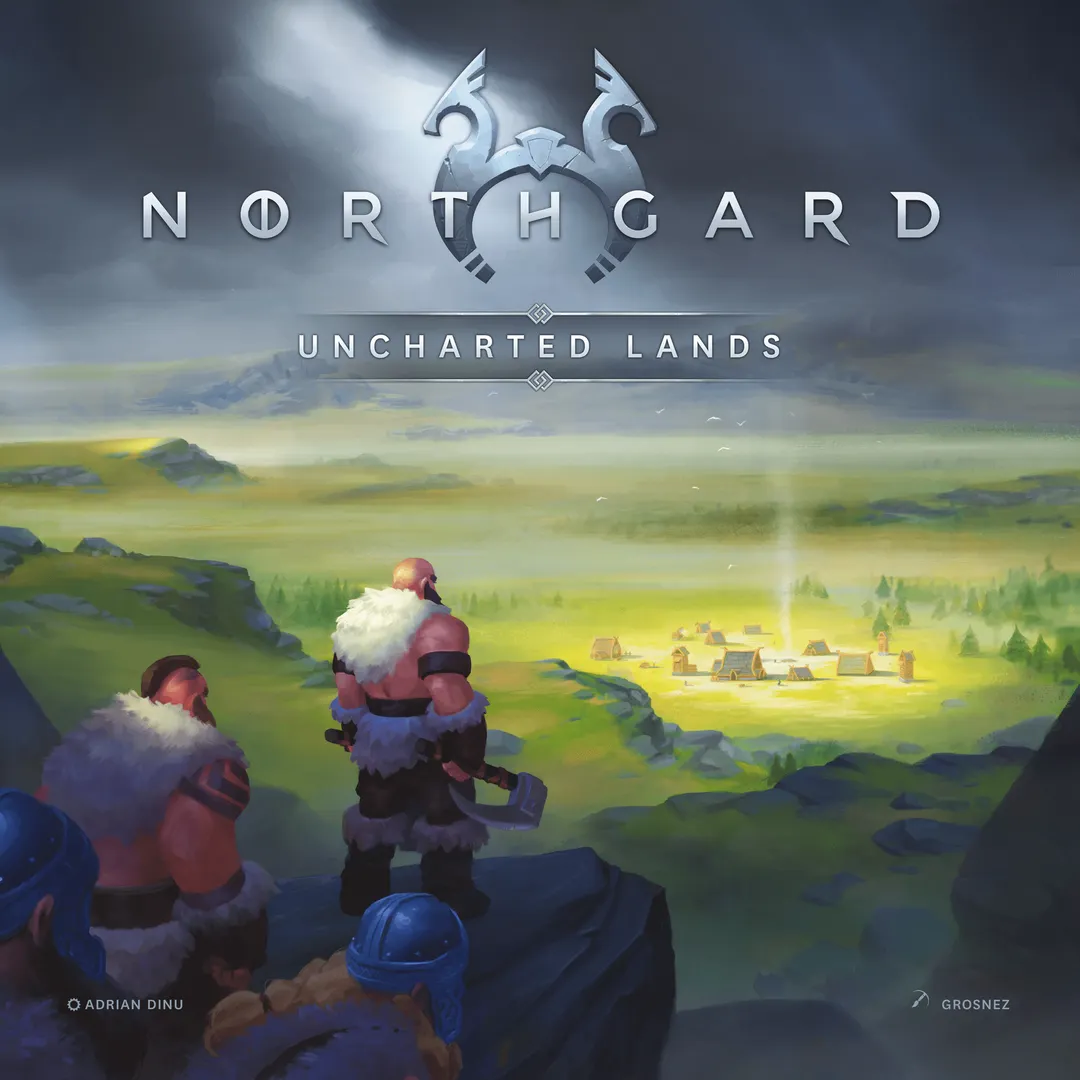
Northgard: Uncharted Lands
- 2–5 players
- 45–90 min
- Complexity 2.8/5
- 2022
2007
Rules assistance for Moai
Plain-language explanations of turns, card effects and disputed situations, with official source references and saved question history.
What would you like to know?
Answers come from the official rulebook, with the page to check.
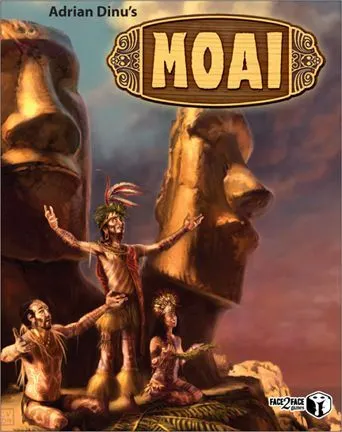
Moai is a board game released in 2007 for 2–5 players, 75 minutes per game, and ages 12 and up. It was designed by Adrian Dinu and its main mechanics are Take That, Auction / Bidding, and Open Drafting.






Easter Island is a tiny triangular speck of land at the eastern edge of Polynesia in the middle of the Pacific Ocean. The island has fascinated travelers, mystics, and scientists for years as people have wondered how such a small, isolated area could have been home to a society that created the world's most spectacular outdoor museum. In the 1940s, Norwegian archeologist Thor Heyerdahl sailed the reed boat Kon-Tiki from South America to Easter Island to show that the technology available made it possible for Polynesia to be settled from the Americas. In the 1970s, Erich Van Daniken popularized the idea that the world was visited by ancient astronauts and the beautiful and enormous stone statutes, the Moai, of Easter Island were used as some of his "evidence." Today, scientists around the world generally agree that Easter Island was settled from other Polynesian islands to its west, and the extreme culture that produced hundreds of stone Moai is related to other cultures in the region. The history of the island is a history of constraint, and the carving of the Moai, the rapid deforestation of the island, and the limited food sources available all worked together to build an extreme culture that became the victim of its own consumption. In this way, Easter Island today represents more than just a wonderful place to travel, but also is a reminder of the greater resource limits of our entire planet. As populations continue to grow and we put further strains on sources of fuel and food, are we heading toward the same fate that this small island suffered hundreds of years ago? The island today is owned by Chile, and the small population thrives with a few weekly flights to mainland South America and the occasional cargo ship visit. Moai is a game that closely follows the developments and excesses of the island until the arrival of Dutch Admiral Jacob Roggeveen, the first European to discover the island and name it for the day of his discovery. Combining many of the historical features of the island's culture in an exciting and well-playing strategic game, players can have fun reliving the dramatic history of this exciting little island.
Moai supports 2–5 players according to the catalogue. This range comes from the publisher’s listed player count, so the game can be set up for any group size within it. Some setups, rules and scoring details may still vary by player count, so check your edition’s rulebook for the exact configuration.
The listed playing time for Moai is 75 minutes. This is the publisher’s estimate for a full game. The actual duration depends on the group, the player count and familiarity with the rules: first sessions usually run longer, while experienced groups often finish faster. Setup and teaching time are not included in this estimate.
The catalogue lists Moai for ages 12 and up. This is the publisher’s recommendation and reflects reading demands, rule complexity and small components rather than theme alone. Younger players can often join with help from an adult, so check the age guidance on your edition and consider your group’s experience with board games.
Moai has a complexity rating of 2.7 out of 5 from BoardGameGeek players, which makes it a medium-light game. The rating reflects how much rules knowledge, planning and decision-making a typical game demands. Expect a longer first teach for heavier games, and use a preparation guide before game night.
Moai belongs to these categories: Ancient. Its main mechanics are Take That, Auction / Bidding, and Open Drafting. Categories describe the theme and setting of a game, while mechanics describe what players actually do on their turns. Each mechanic links to a catalogue hub with similar games, which helps when you want something comparable.
The credited designers of Moai are: Adrian Dinu. These credits come from the published game data and name the people responsible for the game’s design, not its illustrators or publishers. Designer pages on MeepleRules collect other titles by the same designers, which helps when you enjoy a game and want to find similar ones.
The catalogue lists Moai as a base game. It can be played on its own with the components in the box and does not require any other title. Expansions, if any exist, add new content or rules on top of it and are listed separately in the catalogue with a link back to this base game.