
- BGG rank
- BGG #3,632
- BGG rating
- 6.5
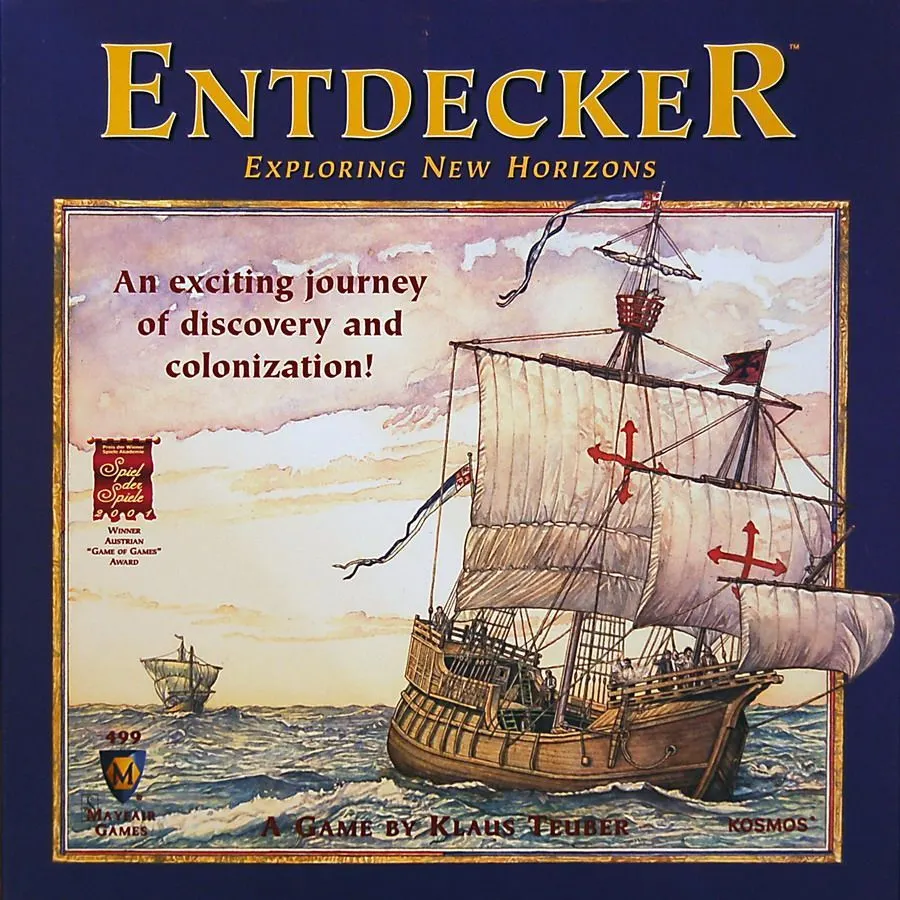
Entdecker: Exploring New Horizons
- 2–4 players
- 90 min
- Complexity 2.4/5
- 2001
2023
Rules assistance for Nomad
Plain-language explanations of turns, card effects and disputed situations, with official source references and saved question history.
What would you like to know?
Answers come from the official rulebook, with the page to check.
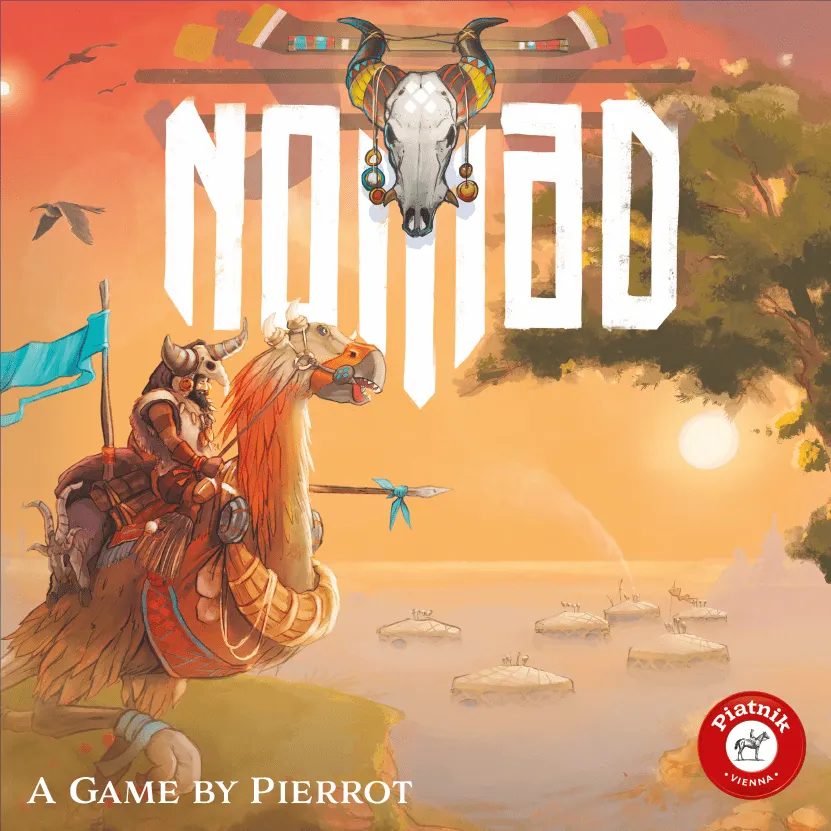
Nomad is a board game released in 2023 for 2–4 players, 60 minutes per game, and ages 10 and up. It was designed by Pierrot and its main mechanics are Tile Placement, End Game Bonuses, and Grid Movement.


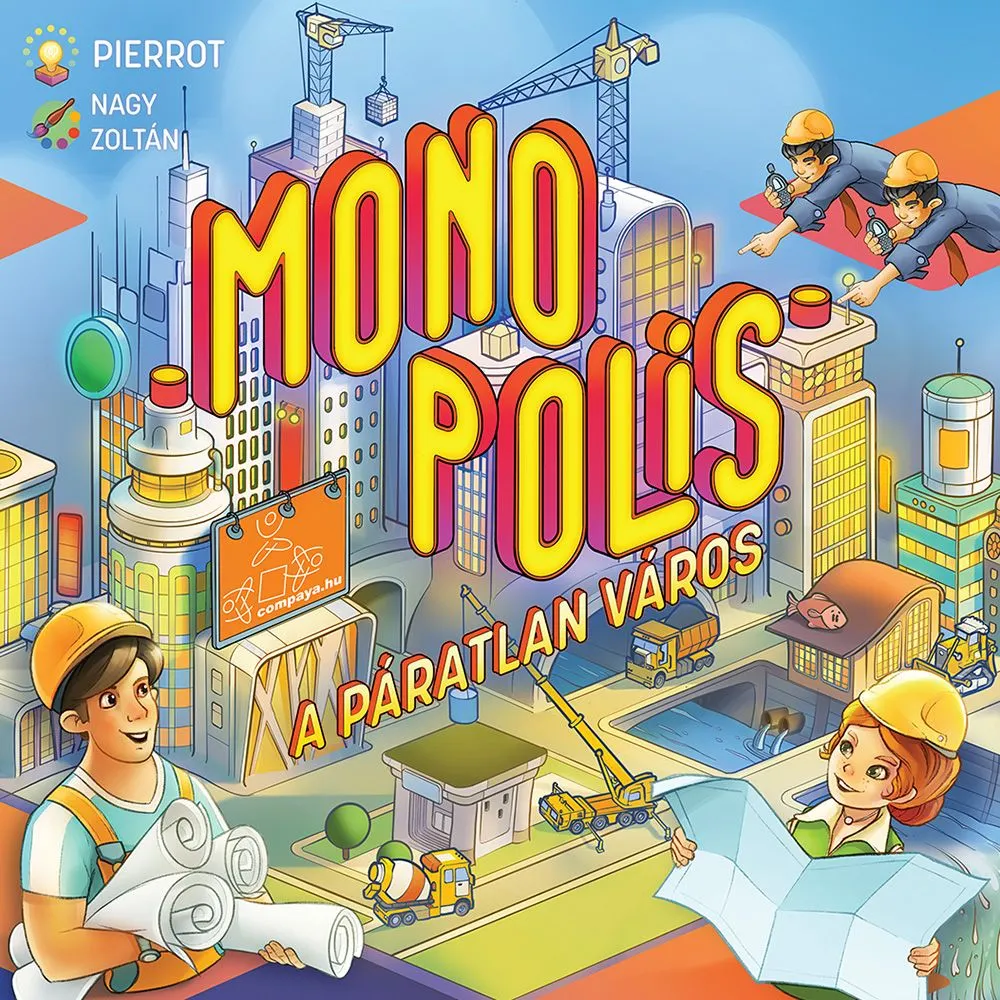



Nomad is a family game for more experienced players. A nomadic tribe decides to move their camp to a remote but more suitable land. The chief hunter sets off to explore the unknown area and find the best route, and he will also acquire food for the tribe by hunting. However, the outcome of his actions will be largely determined by the prayers of the tribe’s shaman. The game is played in 12 rounds. Players have their own terrain boards where they advance their hunter and move their camp (a yurt) towards the desired location in the farthest corner of the board. At the beginning of each round, the shamans offer sacrifices to the Goddess of Nature on the shaman hill. This will determine the order of players, and therefore the outcome of the next, preparation phase. Finally, players execute their actions: exploration by placing terrain tiles on the board, hunting, or moving their camp further. When the game ends, players add up their scores received for the areas explored, the animals hunted and the distance they have reached with the camp. In addition, they can earn various bonuses for terrain tiles positioned in a smart way. Connected areas of the same terrain type on their board may also give multiple points, depending on size; some of these are easier, some more challenging to build. The player with the highest scores wins. In Nomad, everyone builds the landscape for themselves, but this is by no means a solitary experience. Although there is a good deal of interaction during the first two phases, players make decisions on their own. This game is ideal for 2-4 players, playing time is about 1 hour. —description from the publisher (translated) A Nomad családi játék, gyakorlottabb játékosok számára. Egy nomád törzs elhatározza, hogy átköltözteti a táborát egy távolabbi helyre. Az ismeretlen táj felfedezésére előre küldi a legjobb vadászát, aki megkeresi az optimális utat és élelmet is szerez. Akcióinak kimenetelét azonban nagyban befolyásolja, hogy mennyire eredményesen imádkozik a törzs sámánja a természet istennőjéhez. A játék 12 fordulóból áll. Minden játékos a saját tereptábláján halad előre a vadásszal, és ott mozgatja a tábort jelképező jurtát a leendő táborhely felé a tábla átellenes sarkában. A forduló azzal kezdődik, hogy a sámándombon a törzsek sámánjai áldozatot mutatnak be az istennőnek. Ekkor alakul ki a játékosok sorrendje, mely meghatározza a következő, felkészülő fázis menetét. Majd ezt követik az akciók: a terep felfedezése tereplapkák lehelyezésével, vadászat, vagy a tábor mozgatása. A játék végén a felfedezett területekért, az elejtett vadakért, valamint a táborral megtett távolságért pontokat kapnak a játékosok, sőt a tereplapkák ügyes illesztésével különféle bónuszokat is szerezhetnek. Sok pontot hozhatnak a táblán az összefüggő területek, amelyek közül némelyik könnyebb, másik jóval nehezebb módon építhető ki. Az győz, aki a legtöbb pontot szerzi. A Nomad játékban ugyan mindenki magának építi a tájat, de ez korántsem jelent szoliter élményt. Az első két fázis során épp elegendő interakcióba keverednek a játékosok, azonban a saját táblájuk felett a döntést csak egyedül gyakorolják. A játék 2-4 játékos számára ideális szórakozás, egy játszma kb. 1 órán át tart. —description from the publisher
Nomad supports 2–4 players according to the catalogue. This range comes from the publisher’s listed player count, so the game can be set up for any group size within it. Some setups, rules and scoring details may still vary by player count, so check your edition’s rulebook for the exact configuration.
The listed playing time for Nomad is 60 minutes. This is the publisher’s estimate for a full game. The actual duration depends on the group, the player count and familiarity with the rules: first sessions usually run longer, while experienced groups often finish faster. Setup and teaching time are not included in this estimate.
The catalogue lists Nomad for ages 10 and up. This is the publisher’s recommendation and reflects reading demands, rule complexity and small components rather than theme alone. Younger players can often join with help from an adult, so check the age guidance on your edition and consider your group’s experience with board games.
Nomad has a complexity rating of 2.3 out of 5 from BoardGameGeek players, which makes it a medium-light game. The rating reflects how much rules knowledge, planning and decision-making a typical game demands. Expect a longer first teach for heavier games, and use a preparation guide before game night.
Nomad belongs to these categories: Exploration, Adventure, and Prehistoric. Its main mechanics are Tile Placement, End Game Bonuses, and Grid Movement. Categories describe the theme and setting of a game, while mechanics describe what players actually do on their turns. Each mechanic links to a catalogue hub with similar games, which helps when you want something comparable.
The credited designers of Nomad are: Pierrot. These credits come from the published game data and name the people responsible for the game’s design, not its illustrators or publishers. Designer pages on MeepleRules collect other titles by the same designers, which helps when you enjoy a game and want to find similar ones.
The catalogue lists Nomad as a base game. It can be played on its own with the components in the box and does not require any other title. Expansions, if any exist, add new content or rules on top of it and are listed separately in the catalogue with a link back to this base game.