
- BGG rank
- BGG #16,818
- BGG rating
- 6.4
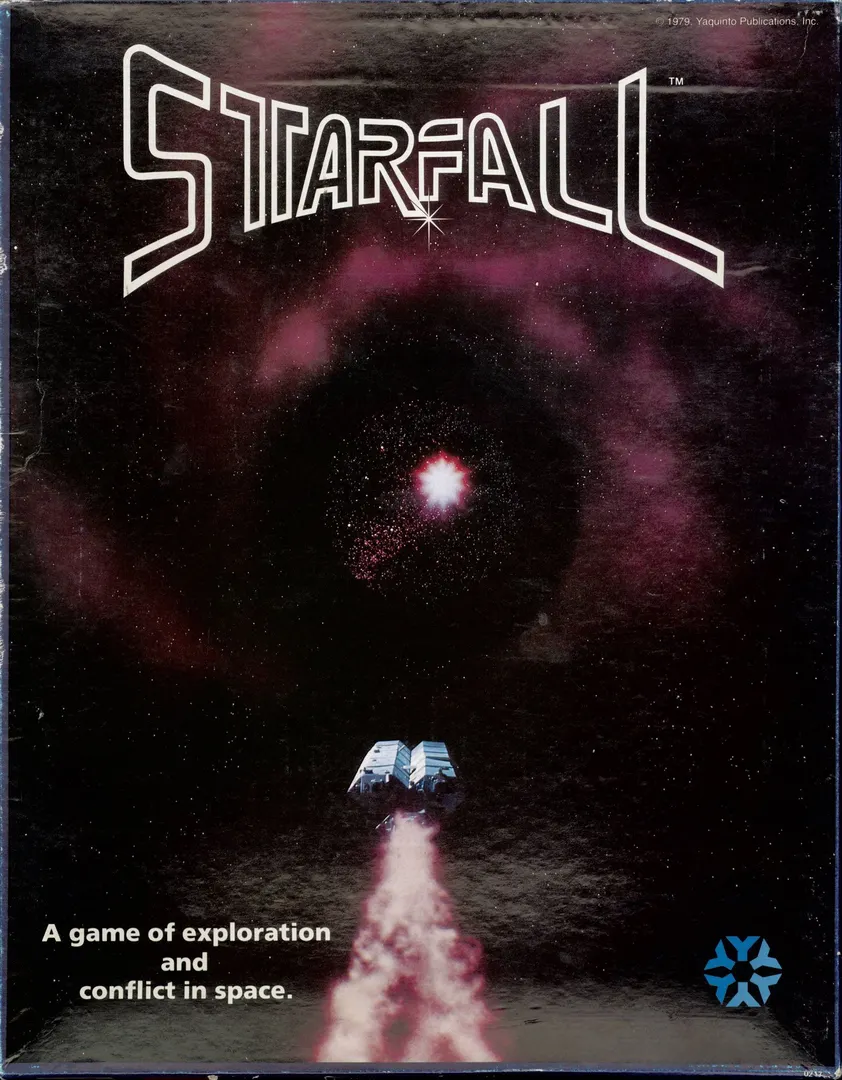
Starfall
- 1–4 players
- 180 min
- Complexity 3.2/5
- 1979
2002
Rules assistance for Oh No, There Goes Tokyo!
Plain-language explanations of turns, card effects and disputed situations, with official source references and saved question history.
What would you like to know?
Answers come from the official rulebook, with the page to check.
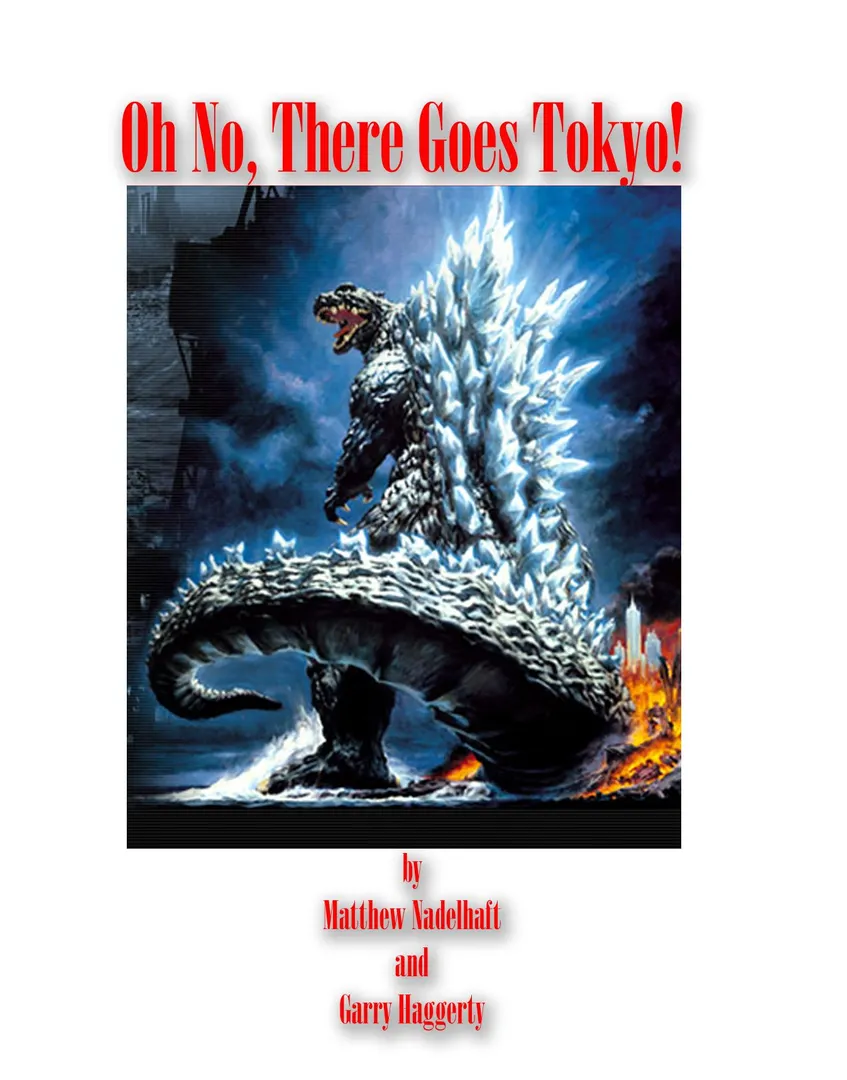
Oh No, There Goes Tokyo! is a board game released in 2002 for 2–4 players, 120 minutes per game, and ages 12 and up. It was designed by Matthew Nadelhaft and Garry Haggerty and its main mechanics are Auction / Bidding, Variable Set-up, and Square Grid.




“Oh No, There Goes Tokyo!” is a multi-player combat game in which each of 2-4 players controls a segment of Tokyo under attack by the dreaded Godran, Self-Appointed Emperor of Monsters. Players must protect their areas from the rampaging monster by deploying units of the national guard while at the same time evacuating tasty populace units. As key production units in each sector are destroyed by Godran, the players’ resources dwindle. Perhaps only a hastily-developed super weapon can save the day! Players have many options in “Oh No, There Goes Tokyo.” Each turn, their remaining production centers generate a number of “Mega-Yen” to be spent in a variety of ways. First, players bid “Mega-Yen” to control Godran. Each turn, Godran could be controlled by a different player. Victory point incentives will keep Godran rampaging - but if you win the bidding, Godran will rampage someplace other than your back yard! Mega-Yen can also be used to activate defense units, to evacuate panicked yet recalcitrant citizenry, and to develop super weapons to combat the mighty Godran. Jury-rig a Death Ray and hope for a quick knockout punch, or undertake the longer and more expensive, but more sure-fire, process of researching Godran’s origins to find his weakness. The Mega-Yen is an imaginary currency whose value, for the purposes of this game, is ridiculously high. “Oh No, There Goes Tokyo!” plays essentially the same with two, three or four players. “Oh No, There Goes Tokyo!” (Also known as ON,TGT!) contains a fold-out map that represents a hypothetical section of downtown Tokyo. It could be any city, but Tokyo seems to be the most attractive to monsters. Players are encouraged to substitute cities they particularly dislike if the urge strikes. The game includes a set of counters representing Godran, destroyed buildings, the national guard in four colors and populace units in four colors. Also included are a small selection of cards - representing potential origin points for Godran and hair brained schemes to control the beast. Relevant charts are included in the back of the rules for ease of access. Play requires the use of multiple six sided dice to resolve combat and scrap paper for record keeping.
Oh No, There Goes Tokyo! supports 2–4 players according to the catalogue. This range comes from the publisher’s listed player count, so the game can be set up for any group size within it. Some setups, rules and scoring details may still vary by player count, so check your edition’s rulebook for the exact configuration.
The listed playing time for Oh No, There Goes Tokyo! is 120 minutes. This is the publisher’s estimate for a full game. The actual duration depends on the group, the player count and familiarity with the rules: first sessions usually run longer, while experienced groups often finish faster. Setup and teaching time are not included in this estimate.
The catalogue lists Oh No, There Goes Tokyo! for ages 12 and up. This is the publisher’s recommendation and reflects reading demands, rule complexity and small components rather than theme alone. Younger players can often join with help from an adult, so check the age guidance on your edition and consider your group’s experience with board games.
Oh No, There Goes Tokyo! has a complexity rating of 2.1 out of 5 from BoardGameGeek players, which makes it a medium-light game. The rating reflects how much rules knowledge, planning and decision-making a typical game demands. Expect a longer first teach for heavier games, and use a preparation guide before game night.
Oh No, There Goes Tokyo! belongs to these categories: Economic, Wargame, and Print & Play. Its main mechanics are Auction / Bidding, Variable Set-up, and Square Grid. Categories describe the theme and setting of a game, while mechanics describe what players actually do on their turns. Each mechanic links to a catalogue hub with similar games, which helps when you want something comparable.
The credited designers of Oh No, There Goes Tokyo! are: Matthew Nadelhaft and Garry Haggerty. These credits come from the published game data and name the people responsible for the game’s design, not its illustrators or publishers. Designer pages on MeepleRules collect other titles by the same designers, which helps when you enjoy a game and want to find similar ones.
The catalogue lists Oh No, There Goes Tokyo! as a base game. It can be played on its own with the components in the box and does not require any other title. Expansions, if any exist, add new content or rules on top of it and are listed separately in the catalogue with a link back to this base game.