
- BGG rank
- BGG #11,680
- BGG rating
- 7.8
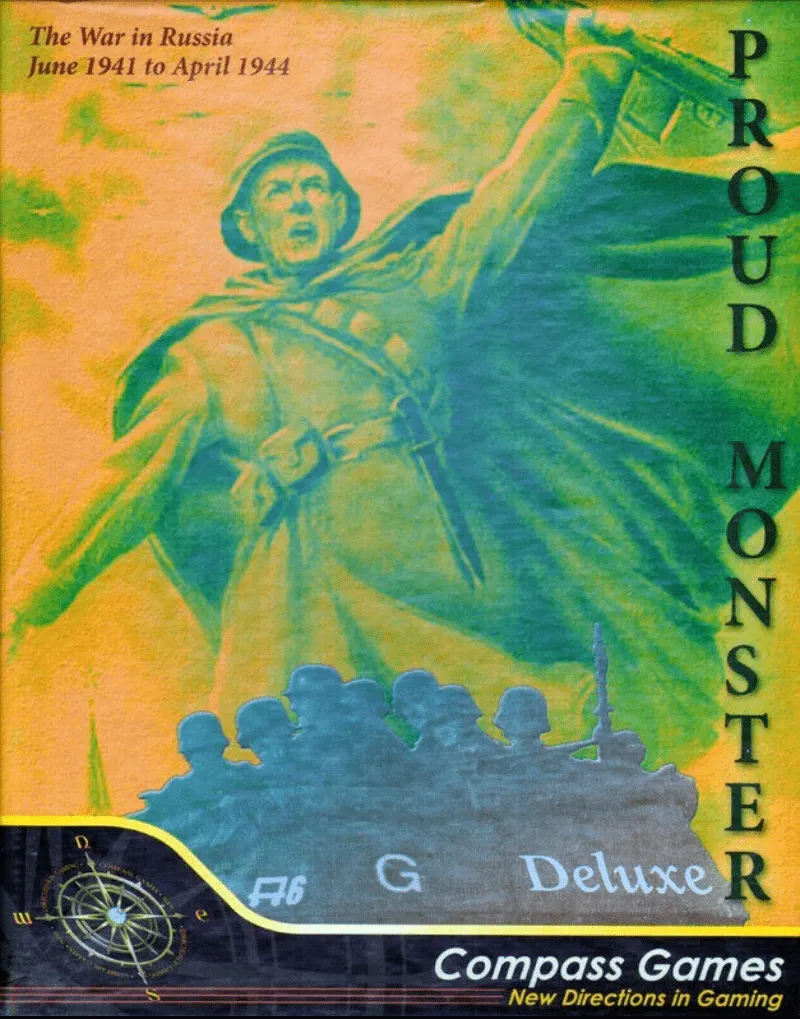
Proud Monster Deluxe
- 2–6 players
- 1500 min
- Complexity 3.5/5
- 2011
2002
Rules assistance for Operation Kremlin
Plain-language explanations of turns, card effects and disputed situations, with official source references and saved question history.
For 2 players
What would you like to know?
Answers come from the official rulebook, with the page to check.
Operation Kremlin is a board game released in 2002 for 2 players, 120 minutes per game, and ages 12 and up. It was designed by Ty Bomba and its main mechanics are Dice Rolling, Hexagon Grid, and Simulation.
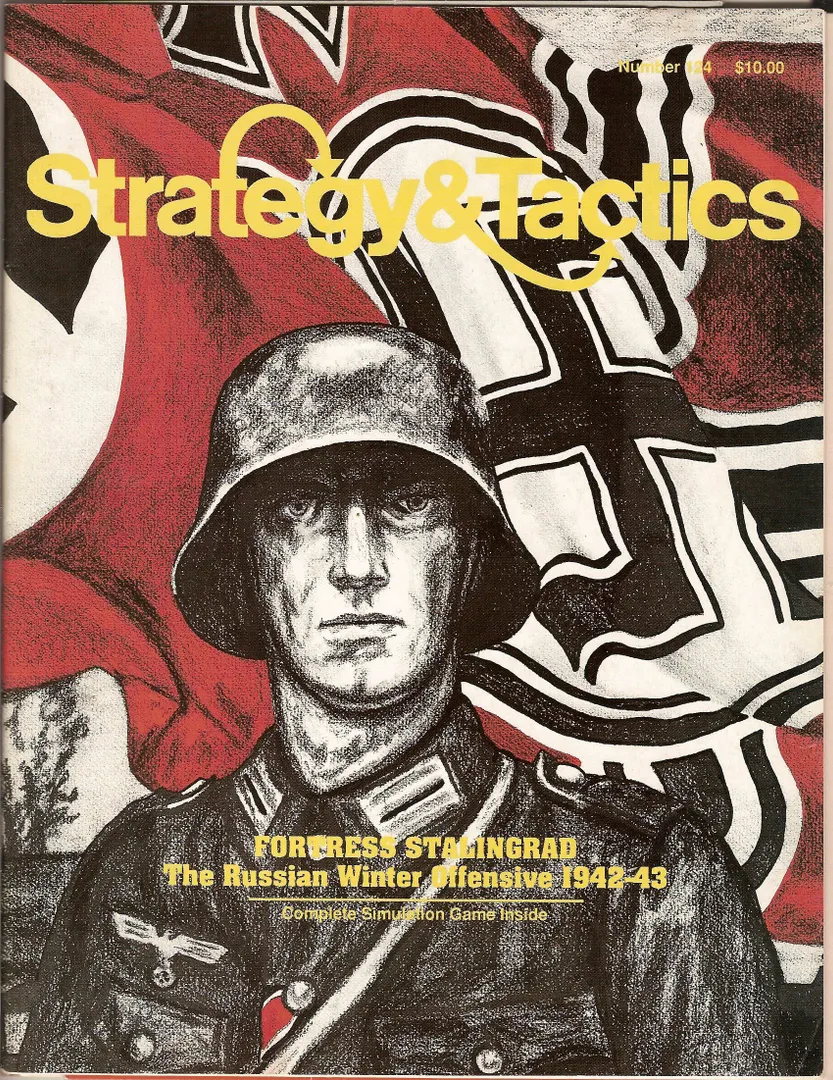
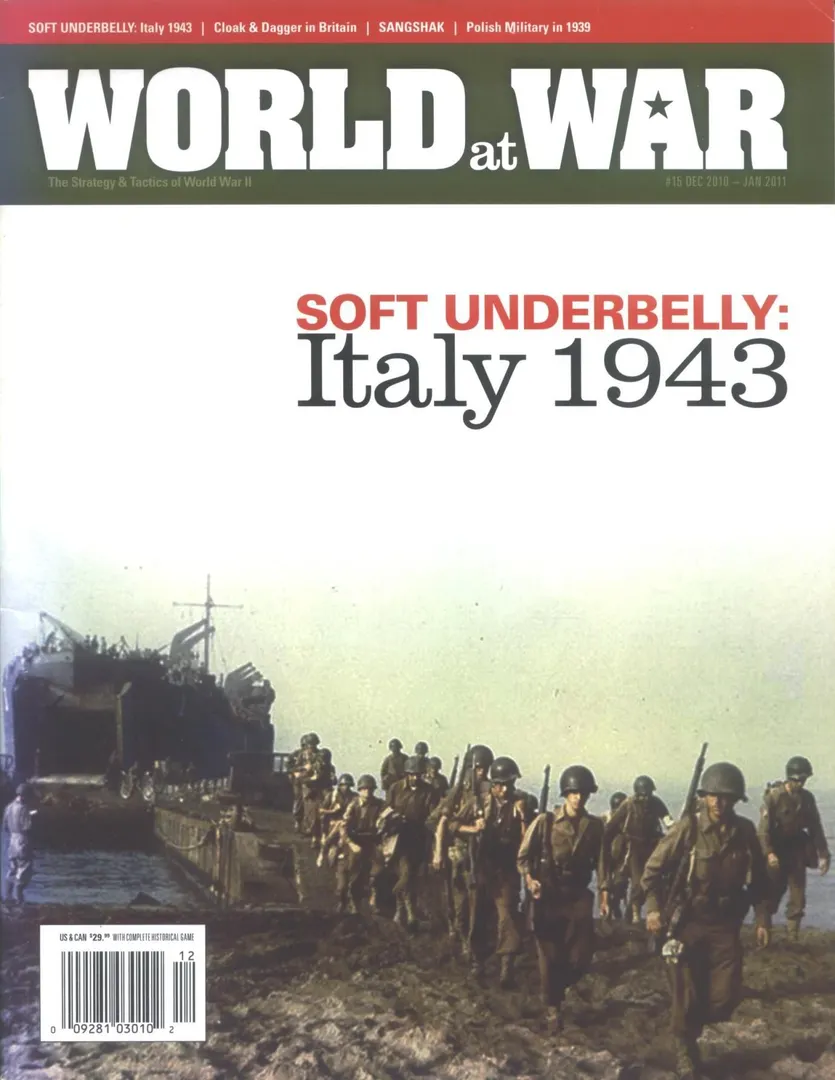
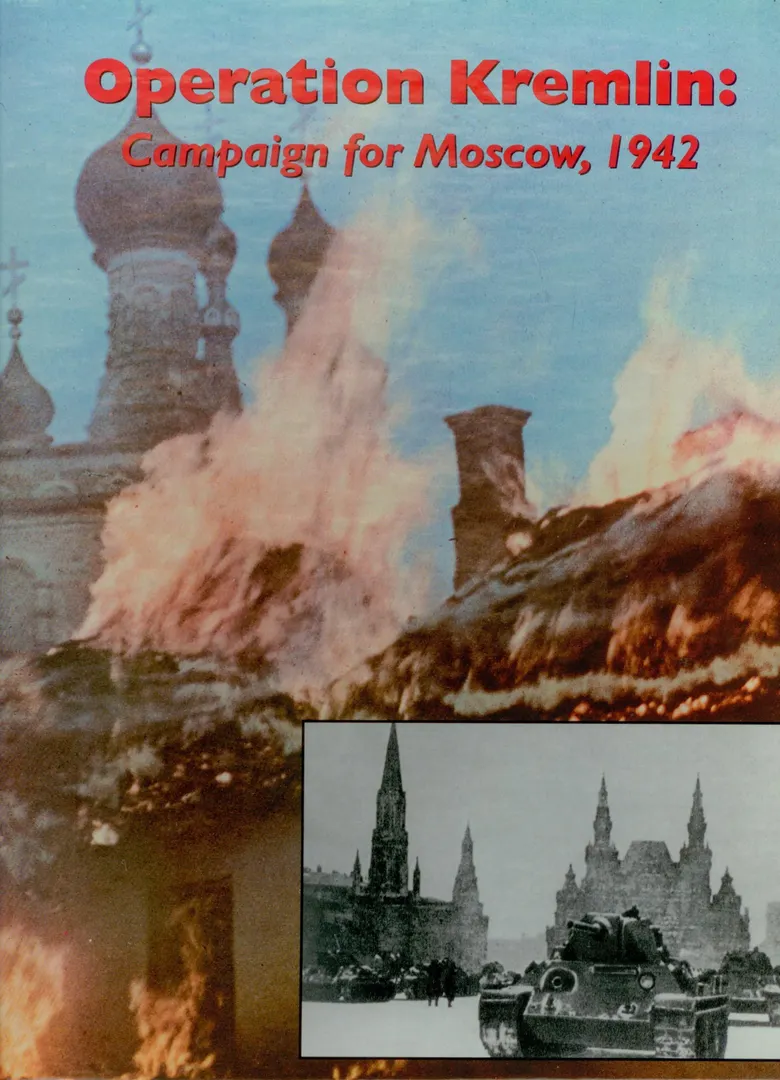
What if Hitler decided to try again for Moscow during the summer of 1942 rather than plunging the Wehrmacht deep into the Caucasus and Stalingrad as he did historically? "Operation Kremlin" uses the corps-army level units that were historically available for this campaign. The German player is on the offensive, seeking to win by controlling Moscow and other key cities. The Soviet player, though mostly defending, must watch for opportunities to deliver counterattacks against the Germans in order to inflict a decisive defeat upon them or upset the Axis alliance. Operation Kremlin's orders of battle are extrapolated from both sides' historic organizational charts of mid to late 1942. The Germans have the units which composed Army Group Center on 28 June 1942, along with all the panzer corps that were deployed elsewhere on the Russian Front. Manstein's 11th Army enters as reinforcement once Sevastopol falls. The Germans also have the Axis satellite armies, on the assumption that their own governments would have wanted to be able to claim participation in this "final and decisive" campaign in Russia. The Soviet order of battle is based on their front line deployment of 28 June, along with all their Operational and Strategic reserves, plus just about everything they generated in the way of replacements and reinforcements during the time period of the historic Stalingrad campaign. Each hex represents approximately 10 miles (16.2 kilometers) from side to side. Airpower is represented abstractly, representing the effects of one side or the other having local air superiority. Each full game turn represents one week. Operation Kremlin gives wargamers the opportunity to discover what would have happened had the Germans struck for Moscow in 1942. Was this the last great chance for the Third Reich to win in the East? Or would it have led to an even greater "Stalingrad?"
Operation Kremlin supports 2 players according to the catalogue. This is the publisher’s listed player count, so the game is designed for exactly that number of participants. Variants for other group sizes, if any, are described in the rulebook of your edition, so check it before setting up a different configuration.
The listed playing time for Operation Kremlin is 120 minutes. This is the publisher’s estimate for a full game. The actual duration depends on the group, the player count and familiarity with the rules: first sessions usually run longer, while experienced groups often finish faster. Setup and teaching time are not included in this estimate.
The catalogue lists Operation Kremlin for ages 12 and up. This is the publisher’s recommendation and reflects reading demands, rule complexity and small components rather than theme alone. Younger players can often join with help from an adult, so check the age guidance on your edition and consider your group’s experience with board games.
Operation Kremlin has a complexity rating of 2.2 out of 5 from BoardGameGeek players, which makes it a medium-light game. The rating reflects how much rules knowledge, planning and decision-making a typical game demands. Expect a longer first teach for heavier games, and use a preparation guide before game night.
Operation Kremlin belongs to these categories: Wargame and World War II. Its main mechanics are Dice Rolling, Hexagon Grid, and Simulation. Categories describe the theme and setting of a game, while mechanics describe what players actually do on their turns. Each mechanic links to a catalogue hub with similar games, which helps when you want something comparable.
The credited designers of Operation Kremlin are: Ty Bomba. These credits come from the published game data and name the people responsible for the game’s design, not its illustrators or publishers. Designer pages on MeepleRules collect other titles by the same designers, which helps when you enjoy a game and want to find similar ones.
The catalogue lists Operation Kremlin as a base game. It can be played on its own with the components in the box and does not require any other title. Expansions, if any exist, add new content or rules on top of it and are listed separately in the catalogue with a link back to this base game.