
- BGG rank
- BGG #3,399
- BGG rating
- 6.8
Tao Long: The Way of the Dragon
- 2 players
- 10–30 min
- Complexity 2.7/5
- 2017
550
Rules assistance for Oware
Plain-language explanations of turns, card effects and disputed situations, with official source references and saved question history.
For 2 players
What would you like to know?
Answers come from the official rulebook, with the page to check.
Oware is a board game released in 550 for 2 players, 20 minutes per game, and ages 10 and up. Its main mechanics are Mancala.
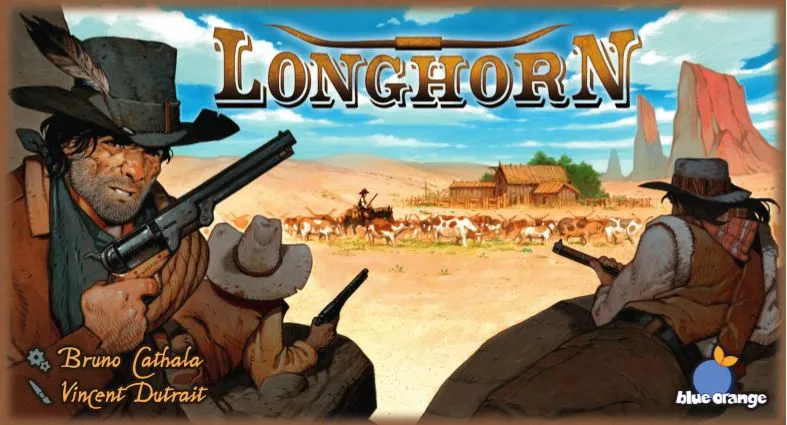
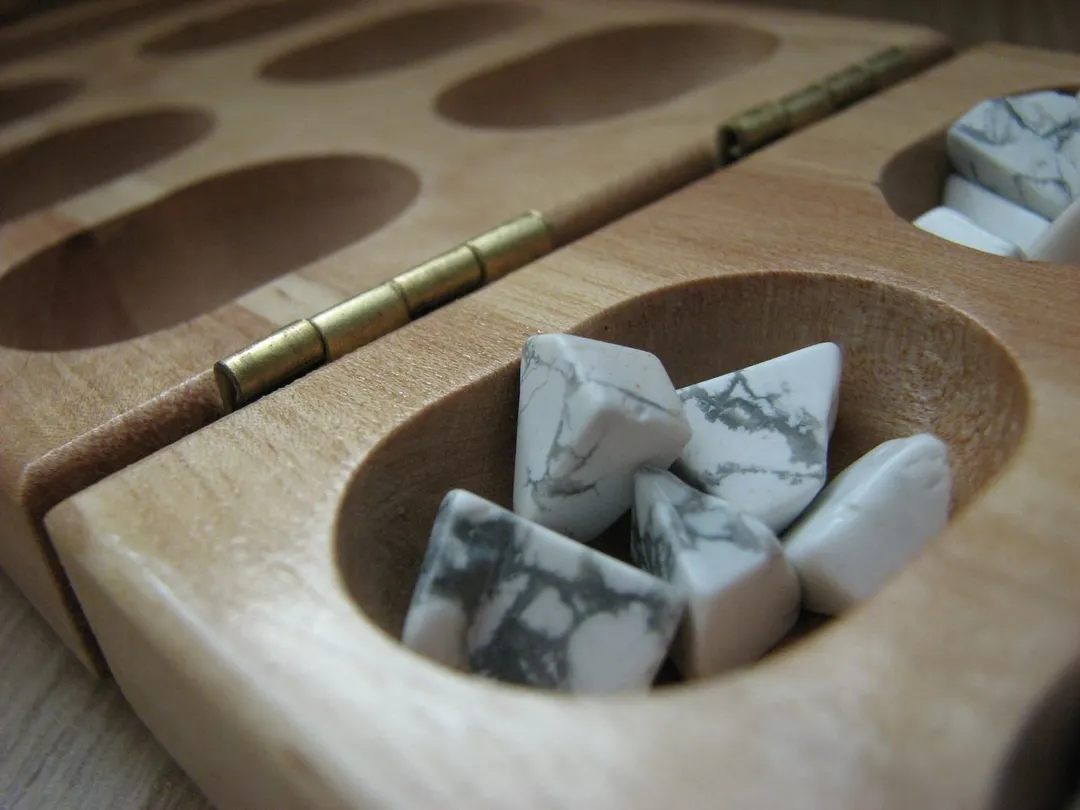

Oware is one of the most played games in the Mancala Family of pit and pebbles games. It is the National game of Ghana and the word "oware" means "He She Marries". The mythology behind the name is believed by many to be the result of a wedding between a man and a woman and the dowry (represented by fields (pits) and seeds. Basically, you're playing for fruitful paddocks. The game as played in Ghana is a social event and is commonly played on the street. Heckling, banging the fist and mocking are all allowed. The game is also used in education among the Asanti children for the development of maths skills. Most of the oware available in Ghana is hand carved and comes with traditional symbols of the Asanti people carved into the wood. The traditional playing seeds are Bonduc seeds, a bright green seed with a hard shell. Stones and sometimes recycled glass are used. As for the other games in the Mancala Family, the rules differ from country to country; however, for Oware there is an international organization which sets the standard. The basic object of the game is to capture more seeds than your opponent. This is done by landing the last seed you are "sowing" in a pit on the opponent's side which already contains one or two seeds. Other rules allow multiple captures and the avoidance of "stalemates". Online Play Yucata (turn-based)
Oware supports 2 players according to the catalogue. This is the publisher’s listed player count, so the game is designed for exactly that number of participants. Variants for other group sizes, if any, are described in the rulebook of your edition, so check it before setting up a different configuration.
The listed playing time for Oware is 20 minutes. This is the publisher’s estimate for a full game. The actual duration depends on the group, the player count and familiarity with the rules: first sessions usually run longer, while experienced groups often finish faster. Setup and teaching time are not included in this estimate.
The catalogue lists Oware for ages 10 and up. This is the publisher’s recommendation and reflects reading demands, rule complexity and small components rather than theme alone. Younger players can often join with help from an adult, so check the age guidance on your edition and consider your group’s experience with board games.
Oware has a complexity rating of 2.0 out of 5 from BoardGameGeek players, which makes it a medium-light game. The rating reflects how much rules knowledge, planning and decision-making a typical game demands. Expect a longer first teach for heavier games, and use a preparation guide before game night.
Oware belongs to these categories: Abstract Strategy. Its main mechanics are Mancala. Categories describe the theme and setting of a game, while mechanics describe what players actually do on their turns. Each mechanic links to a catalogue hub with similar games, which helps when you want something comparable.
The catalogue lists Oware as a base game. It can be played on its own with the components in the box and does not require any other title. Expansions, if any exist, add new content or rules on top of it and are listed separately in the catalogue with a link back to this base game.