
- BGG rank
- BGG #9,069
- BGG rating
- 7.6
Western Desert
- 2 players
- 180–360 min
- Complexity 3.7/5
- 1982
1986
Rules assistance for Persian Gulf: Battle for the Middle East
Plain-language explanations of turns, card effects and disputed situations, with official source references and saved question history.
For 2 players
What would you like to know?
Answers come from the official rulebook, with the page to check.
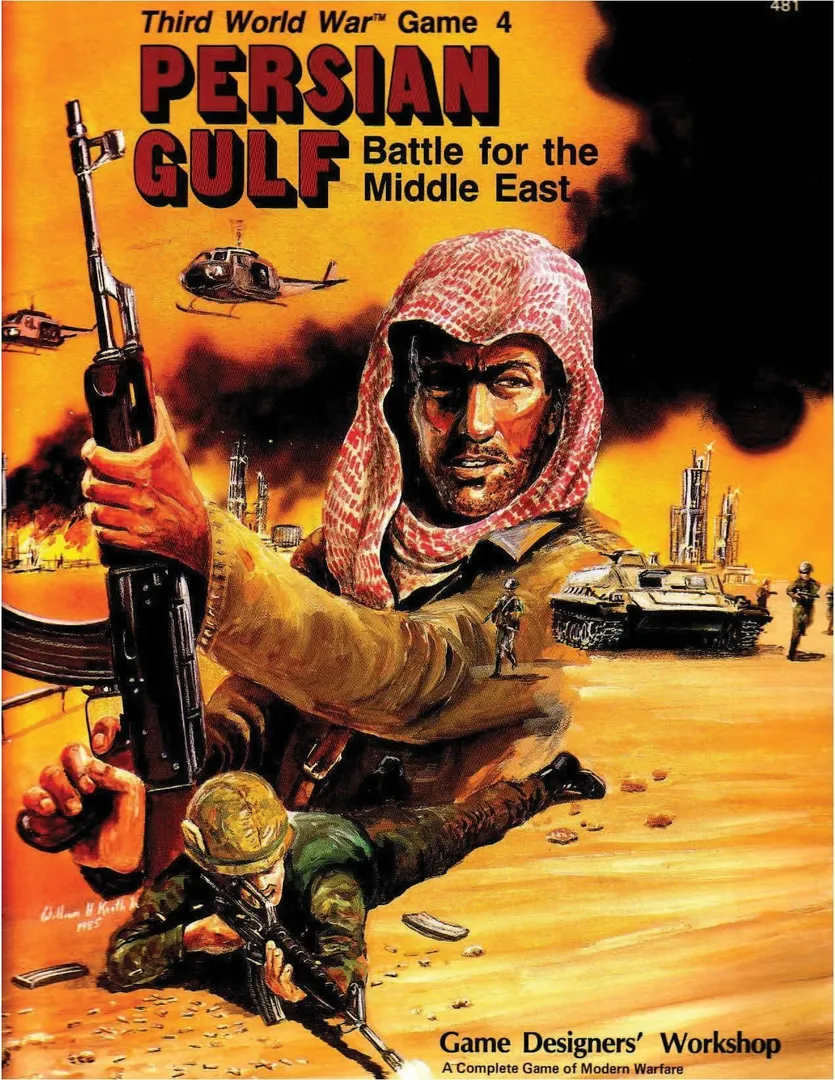
Persian Gulf: Battle for the Middle East is a board game released in 1986 for 2 players, 180–300 minutes per game, and ages 12 and up. It was designed by Frank Chadwick and John Astell and its main mechanics are Dice Rolling, Grid Movement, and Hexagon Grid.
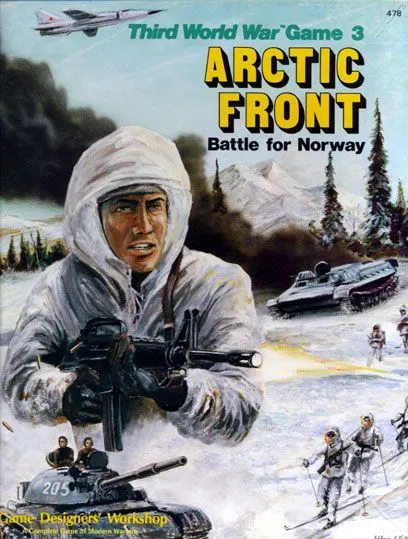
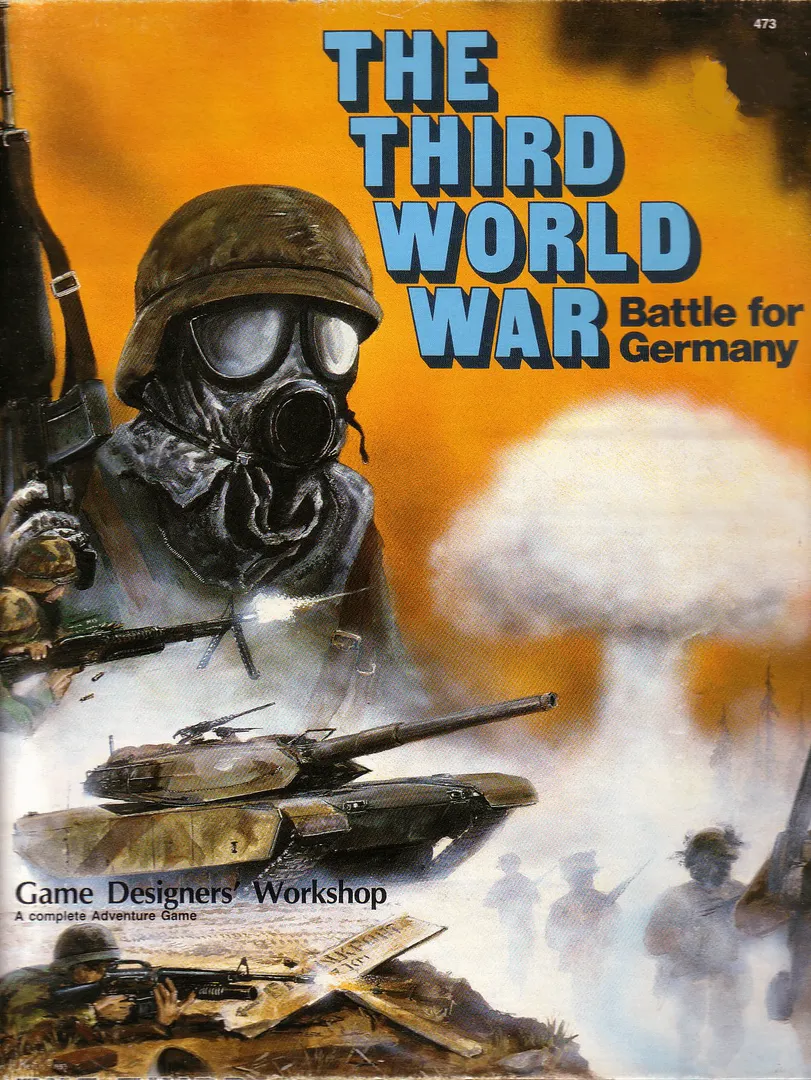
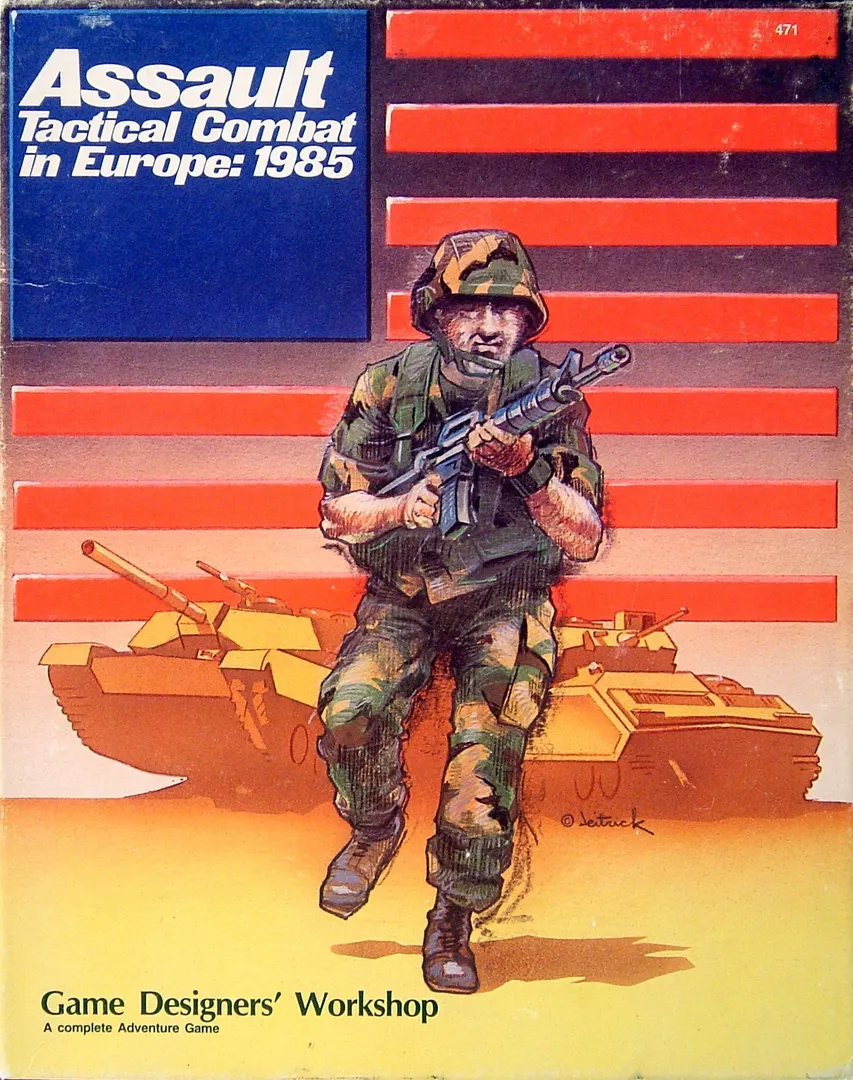
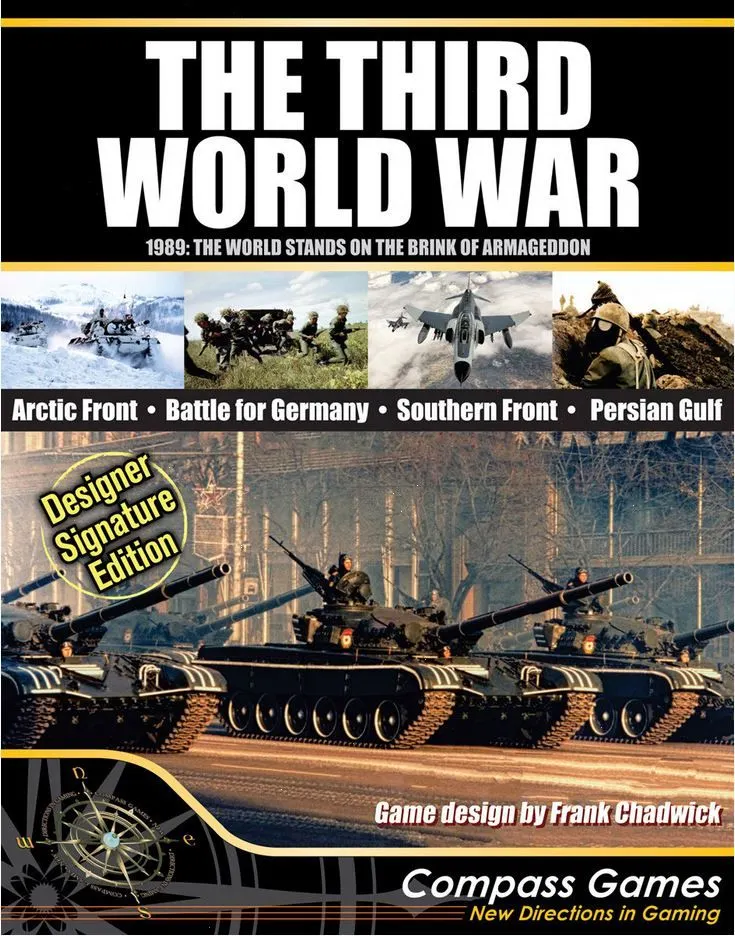
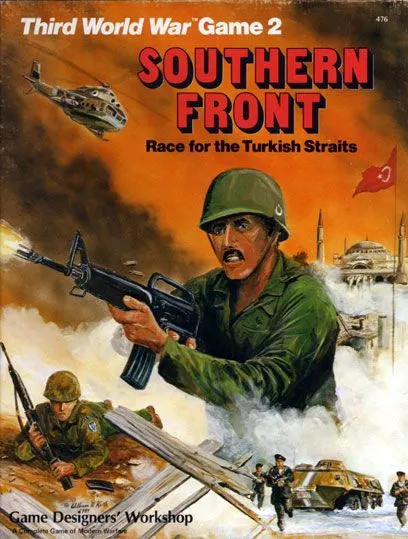
Persian Gulf: Battle for the Middle East: Persian Gulf uses the same rules as the other games in the Third World War series to show a different aspect of modern warfare operations in the deserts and mountains of the middle east. Persian Gulf includes a special "game within a game", covering the diplomatic, political, and military maneuvers by the Soviet Union and the United States in the Middle East before - and leading to - the general outbreak of the Third World War. Both sides try to gain control of the various Iranian factions and influence the other Middle Eastern nations. As the superpowers' confrontation continues, fighting breaks out between committed factions. Either side can decide to send troops to support their factions; the U.S. may send the Rapid Deployment Force while the Soviet Union may use its forces along its southern borders and in Afghanistan. Each move, however, escalates the conflict until the superpowers are directly fighting one another in the Middle East and their alliances in Europe are mobilizing for war. The four game maps cover the Persian Gulf region in detail. Centered on Iran and Iraq, the maps include bordering areas of Turkey, Saudi Arabia, the USSR, and Afghanistan. Mountains and sand dominate this area of the world, and wilderness rules show the effects of the scarcity of roads on military operations. Vying for control of the nations on these maps are the regional forces and those of the superpowers. These forces range greatly in capabilities: from the poorly-equipped and trained Iranian Revolutionary Guards and Soviet-controlled Afghan Army to the capable Turks to the elite Israeli and Jordanian intervention contingents. The Soviets have large forces available in their southern border regions and in Afghanistan. The small but strong U.S. RDF is on hand, and they can call on B-52 strikes for support. The rules cover the special political and military situations of the Middle East and the various Arab and Arab-Israeli rivalries are shown. Victory conditions take account of the oil resources of the Gulf. Additional rules allow Persian Gulf to be combined and played with the other three games in the Third World War series.
Persian Gulf: Battle for the Middle East supports 2 players according to the catalogue. This is the publisher’s listed player count, so the game is designed for exactly that number of participants. Variants for other group sizes, if any, are described in the rulebook of your edition, so check it before setting up a different configuration.
The listed playing time for Persian Gulf: Battle for the Middle East is 180–300 minutes. This is the publisher’s estimate for a full game. The actual duration depends on the group, the player count and familiarity with the rules: first sessions usually run longer, while experienced groups often finish faster. Setup and teaching time are not included in this estimate.
The catalogue lists Persian Gulf: Battle for the Middle East for ages 12 and up. This is the publisher’s recommendation and reflects reading demands, rule complexity and small components rather than theme alone. Younger players can often join with help from an adult, so check the age guidance on your edition and consider your group’s experience with board games.
Persian Gulf: Battle for the Middle East has a complexity rating of 3.5 out of 5 from BoardGameGeek players, which makes it a medium-weight game. The rating reflects how much rules knowledge, planning and decision-making a typical game demands. Expect a longer first teach for heavier games, and use a preparation guide before game night.
Persian Gulf: Battle for the Middle East belongs to these categories: Wargame and Modern Warfare. Its main mechanics are Dice Rolling, Grid Movement, and Hexagon Grid. Categories describe the theme and setting of a game, while mechanics describe what players actually do on their turns. Each mechanic links to a catalogue hub with similar games, which helps when you want something comparable.
The credited designers of Persian Gulf: Battle for the Middle East are: Frank Chadwick and John Astell. These credits come from the published game data and name the people responsible for the game’s design, not its illustrators or publishers. Designer pages on MeepleRules collect other titles by the same designers, which helps when you enjoy a game and want to find similar ones.
The catalogue lists Persian Gulf: Battle for the Middle East as a base game. It can be played on its own with the components in the box and does not require any other title. Expansions, if any exist, add new content or rules on top of it and are listed separately in the catalogue with a link back to this base game.