

- BGG rank
- BGG #18,451
- BGG rating
- 8.1
Durchbruch: The Austro-German attack at Caporetto October 1917
- 2 players
- 120–300 min
- Complexity 3.0/5
- 2019
2021
Rules assistance for Piacenza 1746
Plain-language explanations of turns, card effects and disputed situations, with official source references and saved question history.
For 2 players
What would you like to know?
Answers come from the official rulebook, with the page to check.
Piacenza 1746 is a board game released in 2021 for 2 players and ages 14 and up. It was designed by Enrico Acerbi and its main mechanics are Dice Rolling, Grid Movement, and Hexagon Grid.



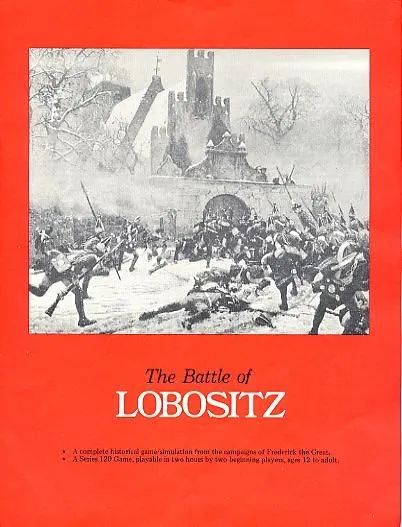
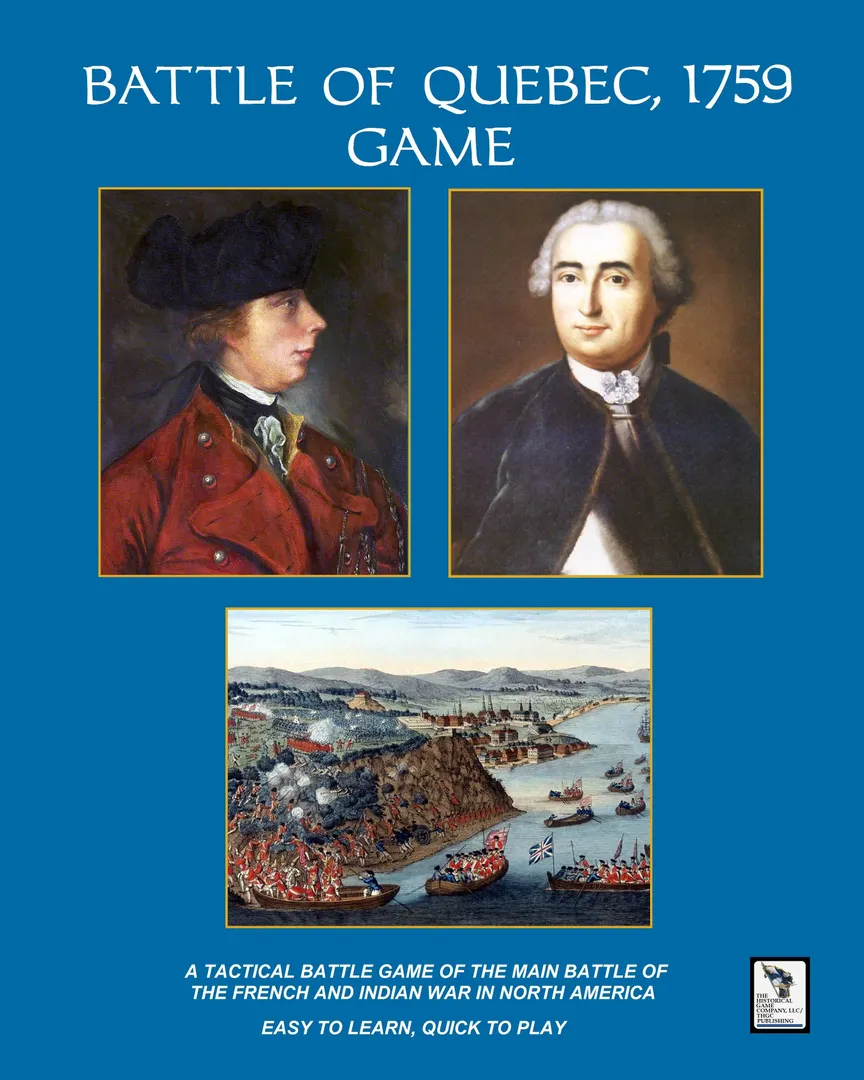
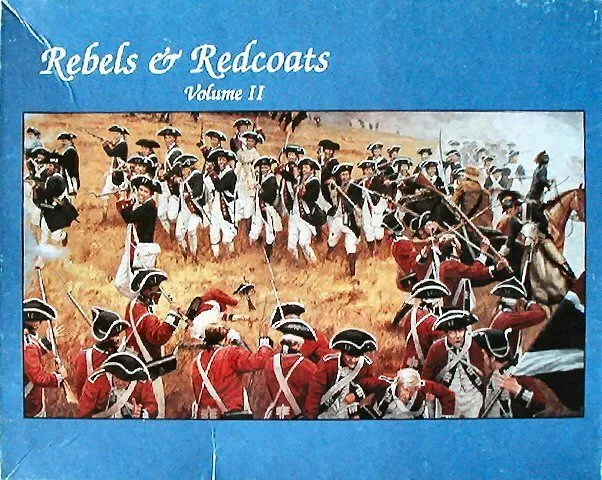
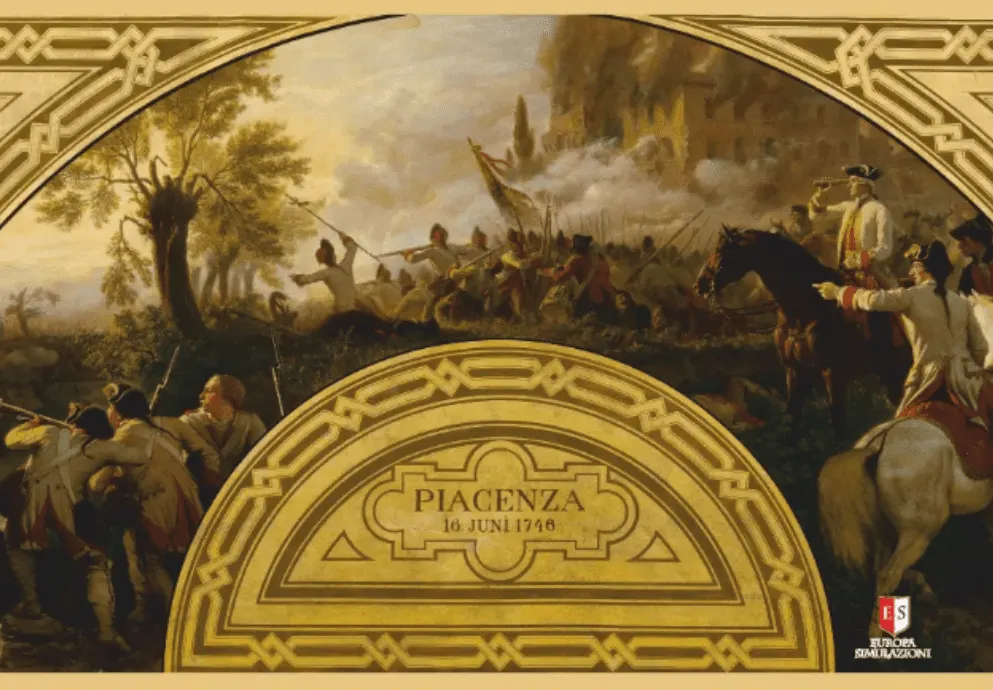
"Piacenza 1746" is Enrico Acerbi's board wargame, published by Europa Simulazioni, which depicts the "Battle of Piacenza" which was fought between a Franco-Spanish army and the Austrian army near Piacenza, in Northern Italy on June 16, 1746. It formed part of later operations in the War of the Austrian Succession. The result was a victory for the Austrian forces, led by Prince Josef Wenzel - Prince Franz Josef I and Louis-Joseph de Montcalm were among the notable combatants. The War of the Austrian Succession (1740 - 1748) was a dynastic war, initiated by the European powers to counter the legitimate claim of Maria Theresa Habsburgs (1717-1780) to maintain control of all her family possessions, when her father, the Emperor Charles VI, died in 1740. Federick II of Prussia was the first to act. He invaded Silesia as he wanted to reach a glorious military success and the beginning of his reign. Maria Theresa reacted prompted, and two alliance sides formed for the war with all the major European countries and many minor states involved. In 1745, the war extended to Italy, where France and Spain were in arms against Austria and her ally, Savoy. After a sound defeat near Alessandria, the following year the Austrian side soundly defeated the French-Spanish army at the Battle of Piacenza, which marked the end of the French-Spain attempts to defeat Maria in Italy: "I want to hope that this event will dispel from the minds of my enemies the desire to totally banish myself from Italy" Highlights: regimental-level warfare in the Age of Reason highly interactive sequence of play, focused on manoeuvre formations move in "linear mode", the typical way of fighting a battle at that time a 22" x 25" fine-art map , based on ancient map of the battle detailed order of battle limited play time Components: 22" x 25" map of Piacenza and its southern area 216 5/8" (large) die-cut counters Rule booklet Charts Boxed
Piacenza 1746 supports 2 players according to the catalogue. This is the publisher’s listed player count, so the game is designed for exactly that number of participants. Variants for other group sizes, if any, are described in the rulebook of your edition, so check it before setting up a different configuration.
The catalogue lists Piacenza 1746 for ages 14 and up. This is the publisher’s recommendation and reflects reading demands, rule complexity and small components rather than theme alone. Younger players can often join with help from an adult, so check the age guidance on your edition and consider your group’s experience with board games.
Piacenza 1746 has a complexity rating of 2.7 out of 5 from BoardGameGeek players, which makes it a medium-light game. The rating reflects how much rules knowledge, planning and decision-making a typical game demands. Expect a longer first teach for heavier games, and use a preparation guide before game night.
Piacenza 1746 belongs to these categories: Wargame and Age of Reason. Its main mechanics are Dice Rolling, Grid Movement, and Hexagon Grid. Categories describe the theme and setting of a game, while mechanics describe what players actually do on their turns. Each mechanic links to a catalogue hub with similar games, which helps when you want something comparable.
The credited designers of Piacenza 1746 are: Enrico Acerbi. These credits come from the published game data and name the people responsible for the game’s design, not its illustrators or publishers. Designer pages on MeepleRules collect other titles by the same designers, which helps when you enjoy a game and want to find similar ones.
The catalogue lists Piacenza 1746 as a base game. It can be played on its own with the components in the box and does not require any other title. Expansions, if any exist, add new content or rules on top of it and are listed separately in the catalogue with a link back to this base game.