
%2Fpic31468.jpg@webp)
- BGG rank
- BGG #18,037
- BGG rating
- 7.8
Principles of War: 19th Century
- 2–8 players
- 180 min
- 1995
2000
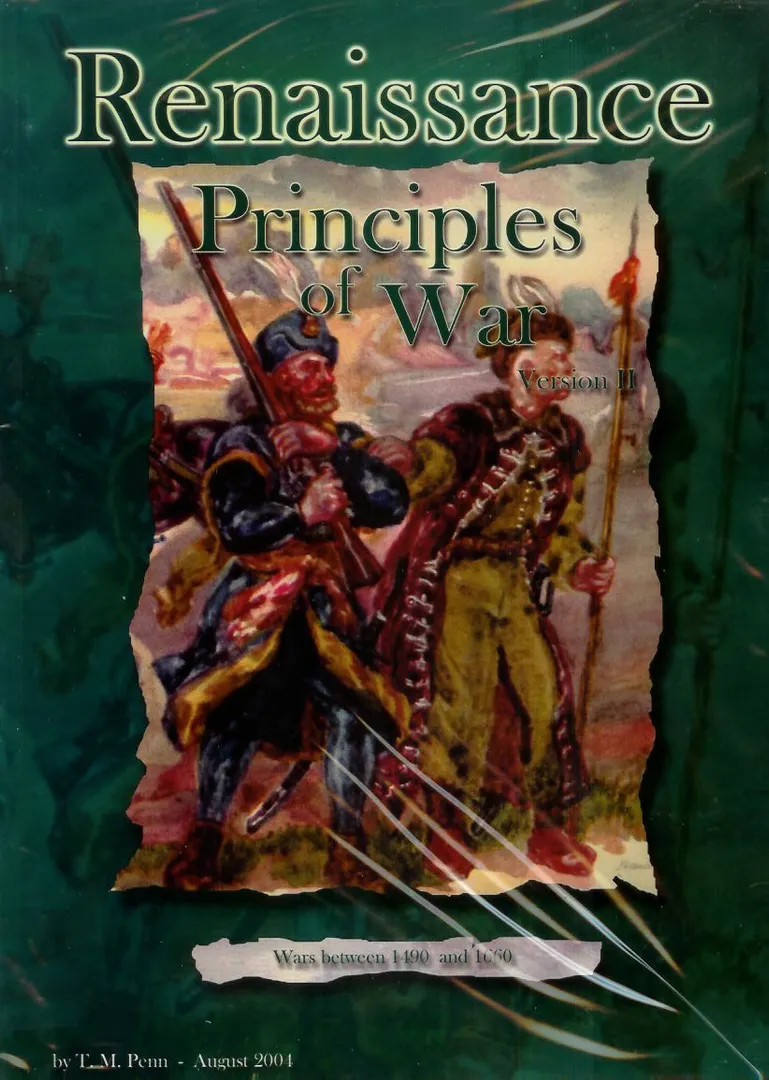
Rules assistance for Principles of War: Renaissance – Wars Between 1490 and 1660
Plain-language explanations of turns, card effects and disputed situations, with official source references and saved question history.
For 2 players
What would you like to know?
Answers come from the official rulebook, with the page to check.
Principles of War: Renaissance – Wars Between 1490 and 1660 is a board game released in 2000 for 2 players and ages 12 and up. It was designed by Tom Penn and its main mechanics are Dice Rolling, Simulation, and Measurement Movement.

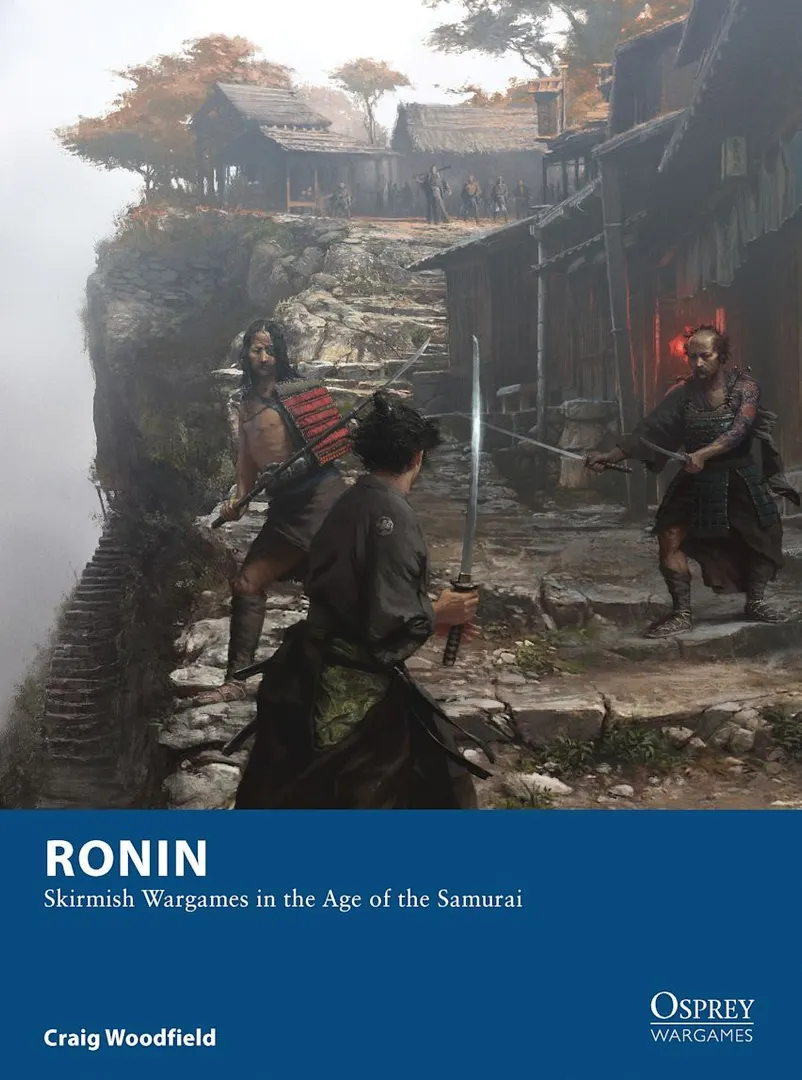
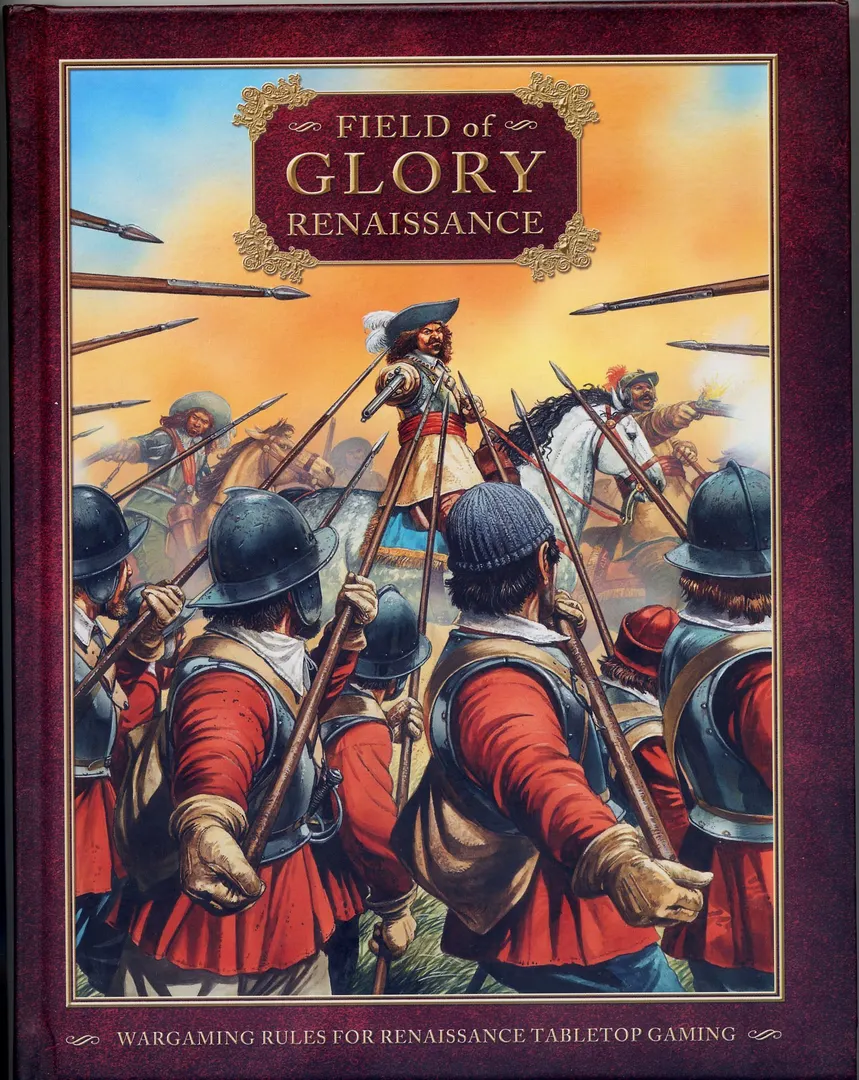
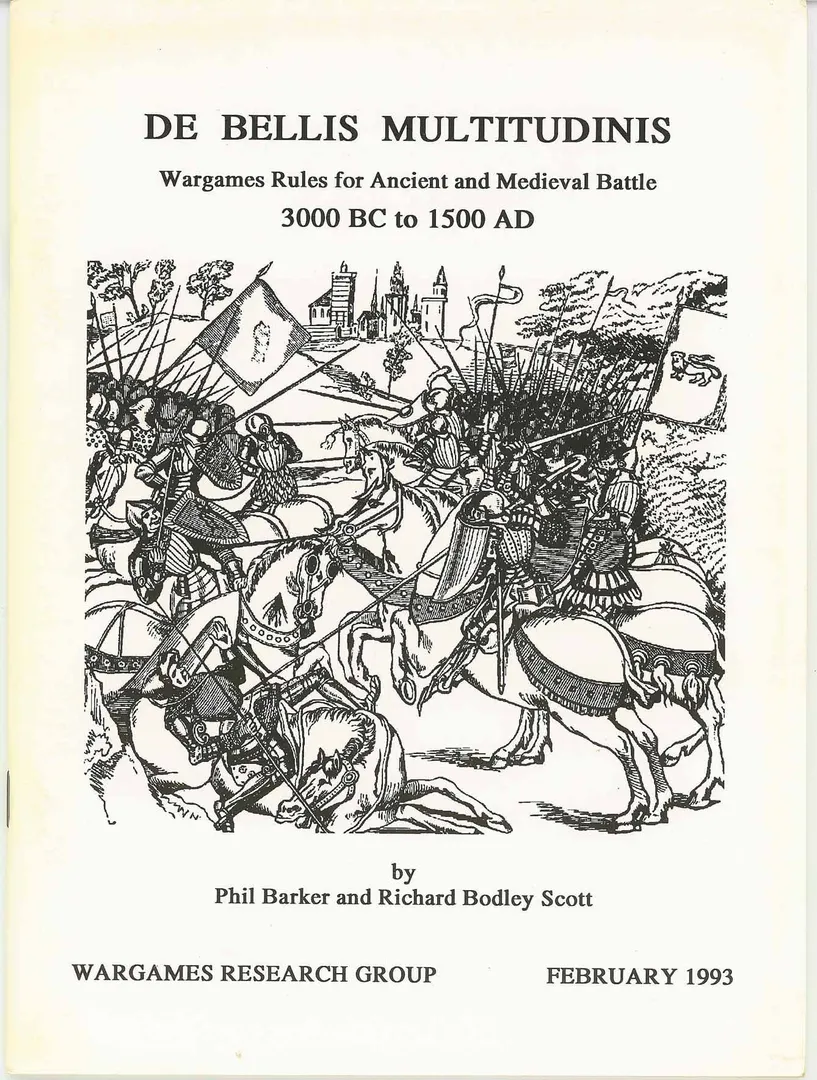
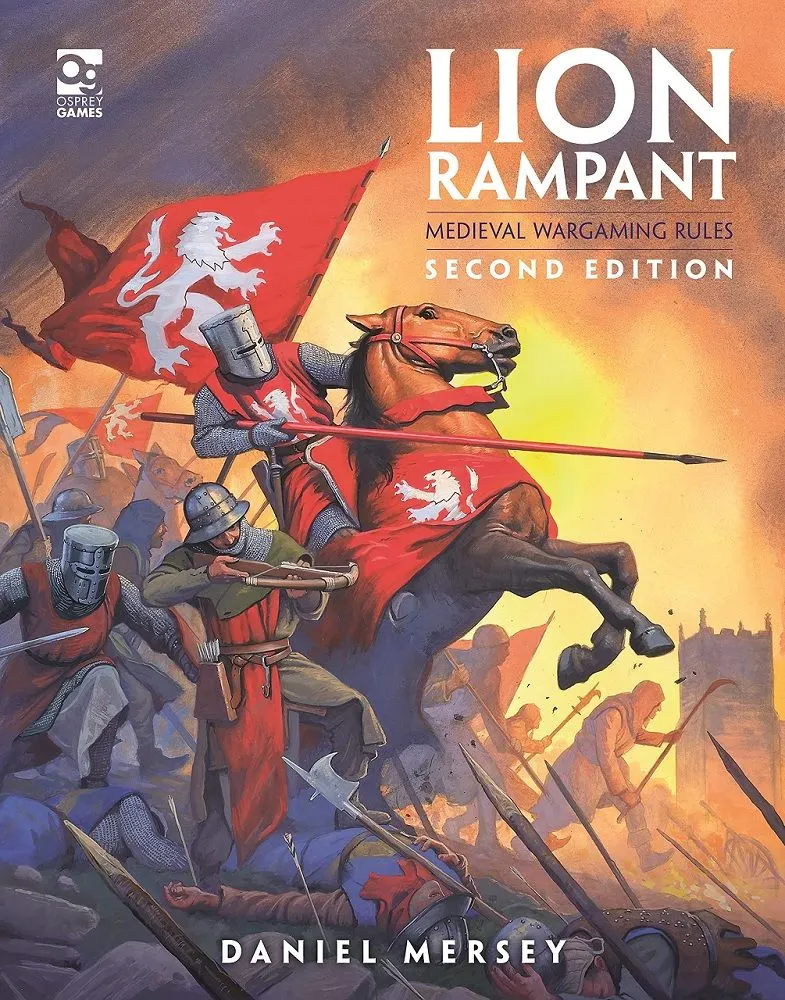


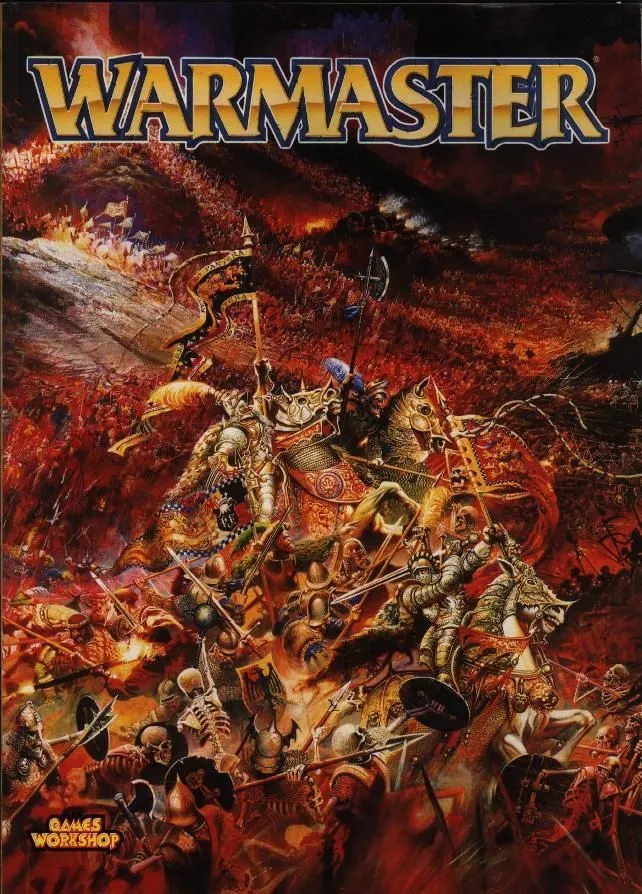
The period starts in 1496 with the French invasion of Italy and ends in 1660 prior to the wars of Louis XIV. The beginning of the period saw the pike as the main weapon to enable a foot soldier to stand against mounted opponents. The pike was used throughout the period supported by or supporting an increasing number of shot troops, only falling into disuse when the introduction of the bayonet merged the fire and shock capability of the infantry into one man. This period saw the development of the gunpowder weapons from simple handguns and bombards of the middle ages to the mobile cannon and muskets that ruled the battlefield until the 19th century. Like all the Principles of War rules, these rules have a simple mechanism with the emphasis on leaders' command and control. This is to represent the problems of commanding troops in battle which confronted kings, princes and mercenary leaders., rather than how many casualties each unit was taking at each stage of the battle. Major European conflicts ( including the English Civil war and Thirty Years war) covered in the 64 army lists. Now includes armies for Asia including Japan and Korea.
Principles of War: Renaissance – Wars Between 1490 and 1660 supports 2 players according to the catalogue. This is the publisher’s listed player count, so the game is designed for exactly that number of participants. Variants for other group sizes, if any, are described in the rulebook of your edition, so check it before setting up a different configuration.
The catalogue lists Principles of War: Renaissance – Wars Between 1490 and 1660 for ages 12 and up. This is the publisher’s recommendation and reflects reading demands, rule complexity and small components rather than theme alone. Younger players can often join with help from an adult, so check the age guidance on your edition and consider your group’s experience with board games.
Principles of War: Renaissance – Wars Between 1490 and 1660 belongs to these categories: Wargame, Miniatures, and Renaissance. Its main mechanics are Dice Rolling, Simulation, and Measurement Movement. Categories describe the theme and setting of a game, while mechanics describe what players actually do on their turns. Each mechanic links to a catalogue hub with similar games, which helps when you want something comparable.
The credited designers of Principles of War: Renaissance – Wars Between 1490 and 1660 are: Tom Penn. These credits come from the published game data and name the people responsible for the game’s design, not its illustrators or publishers. Designer pages on MeepleRules collect other titles by the same designers, which helps when you enjoy a game and want to find similar ones.
The catalogue lists Principles of War: Renaissance – Wars Between 1490 and 1660 as a base game. It can be played on its own with the components in the box and does not require any other title. Expansions, if any exist, add new content or rules on top of it and are listed separately in the catalogue with a link back to this base game.