
- BGG rank
- BGG #3,340
- BGG rating
- 6.7
Tesla vs. Edison: War of Currents
- 2–5 players
- 90 min
- Complexity 3.2/5
- 2015
2012
Rules assistance for Road to Enlightenment
Plain-language explanations of turns, card effects and disputed situations, with official source references and saved question history.
For 2 players
What would you like to know?
Answers come from the official rulebook, with the page to check.
Road to Enlightenment is a board game released in 2012 for 2–7 players, 150 minutes per game, and ages 12 and up. It was designed by Dirk Knemeyer and its main mechanics are Hand Management, Auction / Bidding, and Open Drafting.

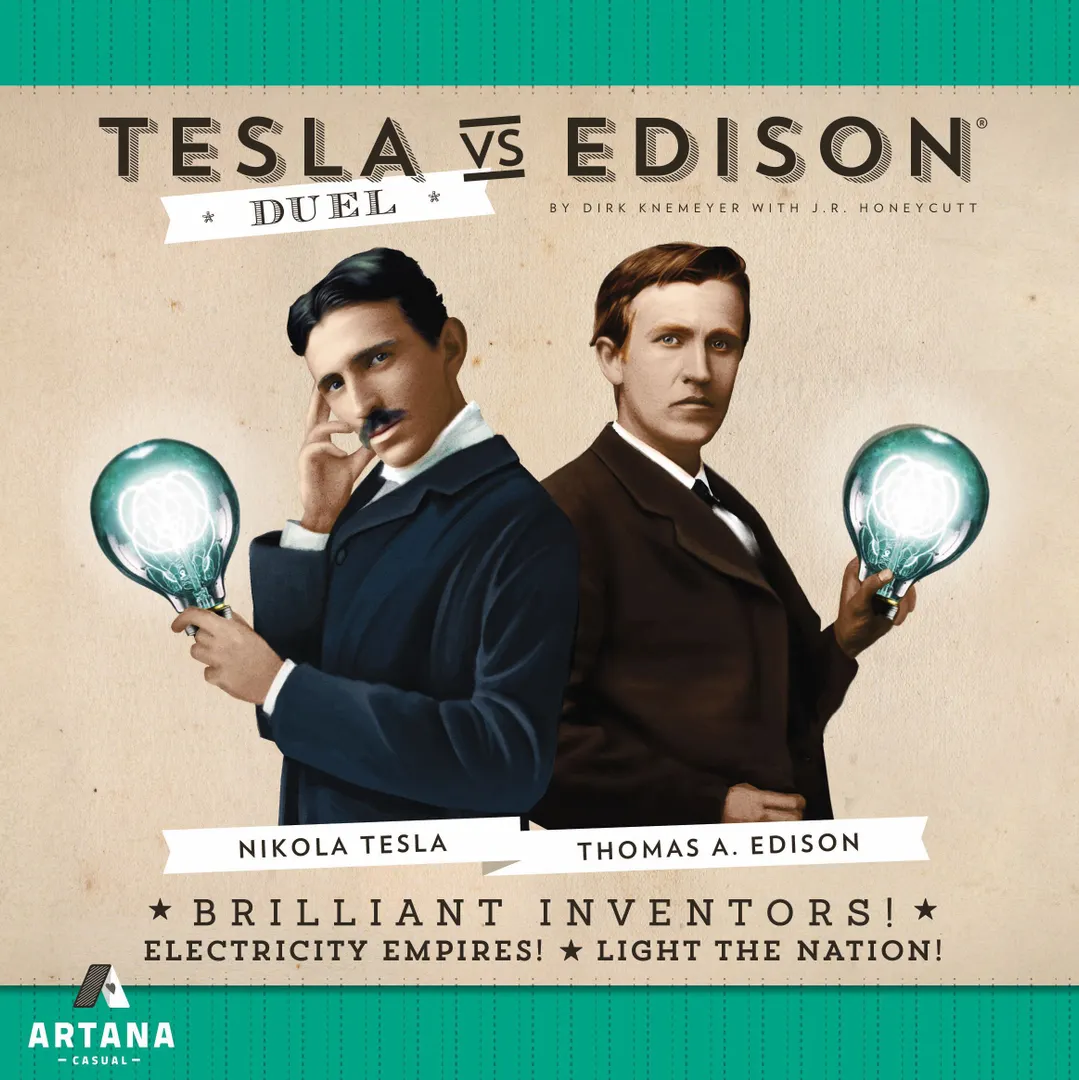

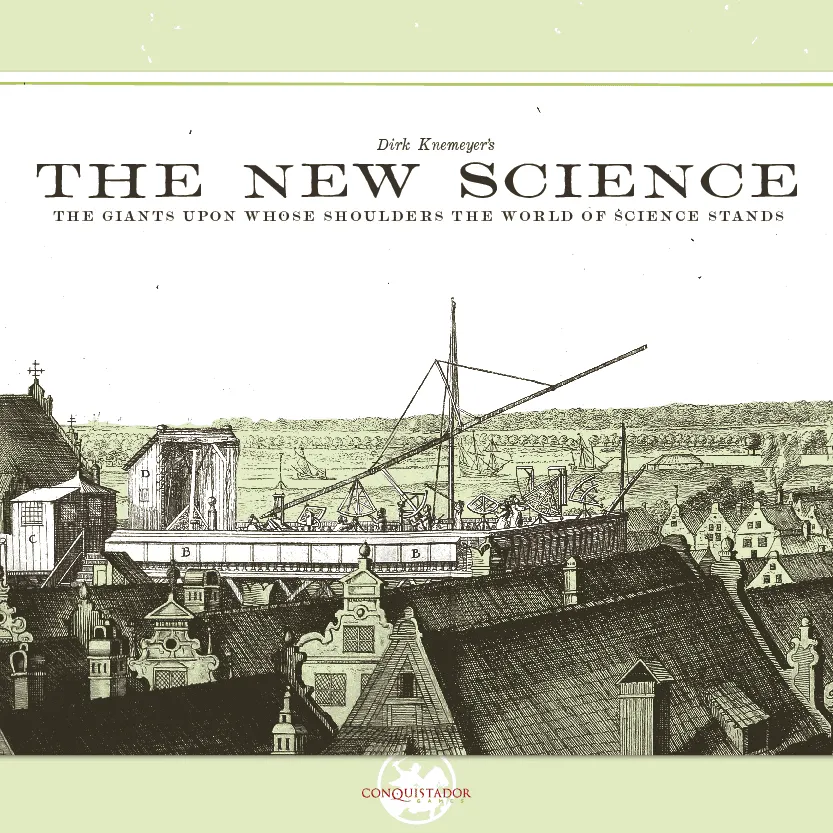
Road to Enlightenment gives players control of great scientists, artists, philosophers, religious leaders, politicians, and military leaders, bringing them uniquely and individually to life. You play as one of the great monarchs from 17th and early 18th century Europe representing one of the seven top powers of the era: Austria, England, France, Poland, Russia, Spain, or Sweden. Your objective is to be recognized as the most prestigious monarch by producing the most admired art and culture, lead the continent in scientific innovations, spread or resist the spread of Catholicism, and attempt military expansion beyond your historical borders. All of this is accomplished by marshaling 134 historical "luminaries" – important historical figures covering every relevant domain of human achievement during the period. The luminaries are rated in between one and seven different areas of endeavour: military, politics, religion, ideas, science, art, or wealth. Additionally, each luminary has a unique Action, Enhancement, or Response based on their real historical achievements to be brought to bear in service of your nation. Consider the difference between Rembrandt and Vermeer: Both are important and wonderful artists, but in the real-life Dutch Republic, Rembrandt was famous and well-patronized, composing hundreds of celebrated portraits in his career. Vermeer was obscure and produced an order of magnitude less art in his career. In Road to Enlightenment, Rembrandt has higher ratings and gives you a benefit every single time another luminary is removed from the game, reflecting the influence and nature of his portraiture. On the other hand, Vermeer provides only a modest benefit to reflect the limited impact his career had at the time. Invading other countries in the 17th century was a complex mix of cultural, religious, and logistical considerations. These have all been baked into the various territories on the map, making it quick and easy to make decisions around where to try to attack: You can attempt to invade only those territories that have your nation's colour on the top of the circle. Those are the only nations that could have even possibly successfully invaded that territory in real-life. The number associated with each nation's colour indicates how difficult it would be to successfully conquer. In the case of London, it is very difficult for Spain, France, or Sweden to conquer it. The religious symbol in the lower left corner lets the player know whether the territory is primarily Catholic, primarily Anti-Catholic (Protestant, Russian Orthodox, and other Christian branches), or primarily Islamic. If it is successfully invaded by a nation with a different religious affiliation, it has an impact on the continental struggle between religions. The lines connecting into London, and the anchor with an "A" in the lower right corner, indicate which territories need to be held by a player before they have access to attack. The anchor with an "A" indicates that any player who already owns another Atlantic port territory is connected and could choose to attack over the water. With Road to Enlightenment, all of the intricacies related to managing military expansion have been baked into these easy-to-use board mechanisms. In order to create a game that simulates the battle between nations for prestige – covering war, politics, religion, science, and art – while focusing on many of the diverse people of history, we've mashed up aspects from wargames, Euro games, deck-building games, and statistical sports simulations. While it is an eclectic mix, this broad spectrum approach to the game's design enabled this diverse and richly detailed set of conditions to come together in a game that is epic in scale but doesn't take all day to play. The full game is for 3-7 players; the pocket version is for 2-4.
Road to Enlightenment supports 2–7 players according to the catalogue. This range comes from the publisher’s listed player count, so the game can be set up for any group size within it. Some setups, rules and scoring details may still vary by player count, so check your edition’s rulebook for the exact configuration.
The listed playing time for Road to Enlightenment is 150 minutes. This is the publisher’s estimate for a full game. The actual duration depends on the group, the player count and familiarity with the rules: first sessions usually run longer, while experienced groups often finish faster. Setup and teaching time are not included in this estimate.
The catalogue lists Road to Enlightenment for ages 12 and up. This is the publisher’s recommendation and reflects reading demands, rule complexity and small components rather than theme alone. Younger players can often join with help from an adult, so check the age guidance on your edition and consider your group’s experience with board games.
Road to Enlightenment has a complexity rating of 3.2 out of 5 from BoardGameGeek players, which makes it a medium-weight game. The rating reflects how much rules knowledge, planning and decision-making a typical game demands. Expect a longer first teach for heavier games, and use a preparation guide before game night.
Road to Enlightenment belongs to these categories: Card Game, Economic, and Bluffing. Its main mechanics are Hand Management, Auction / Bidding, and Open Drafting. Categories describe the theme and setting of a game, while mechanics describe what players actually do on their turns. Each mechanic links to a catalogue hub with similar games, which helps when you want something comparable.
The credited designers of Road to Enlightenment are: Dirk Knemeyer. These credits come from the published game data and name the people responsible for the game’s design, not its illustrators or publishers. Designer pages on MeepleRules collect other titles by the same designers, which helps when you enjoy a game and want to find similar ones.
The catalogue lists Road to Enlightenment as a base game. It can be played on its own with the components in the box and does not require any other title. Expansions, if any exist, add new content or rules on top of it and are listed separately in the catalogue with a link back to this base game.