
- BGG rating
- 8.4
Root: The Riverfolk Expansion
1–6 players60–90 min2018
Complexity 3.9/5

2018
Rules assistance for Root
Plain-language explanations of turns, card effects and disputed situations, with official source references and saved question history.
What would you like to know?
Answers come from the official rulebook, with the page to check.
Reach 30 points first, or win by meeting your activated dominance card’s condition at the start of Birdsong.
About 8 min · 8 steps
Step 1 of 8
The first player to reach 30 points wins immediately. Dominance cards can create an alternate victory condition.
Have more combined warriors and buildings there than each other player. Tokens and pawns do not count; a tie means nobody rules it.
Yes, if you rule the destination. You must rule the origin, destination, or both.
The attacker uses the higher roll and the defender the lower; rolled hits are capped by that side’s warriors.
The side taking hits chooses. It must remove its warriors there before its buildings or tokens.
No, unless a rule explicitly treats them as paths.
Bird cards are wild when treating a card as another suit. A prompted bird card cannot be substituted with another suit.
Root is a board game released in 2018 for 2–4 players, 60–90 minutes per game, and ages 14 and up. It was designed by Cole Wehrle and its main mechanics are Variable Player Powers, Hand Management, and Take That. MeepleRules offers a rules assistant for Root that explains turns, card effects and disputed situations in plain language.
1–6 players60–90 min2018
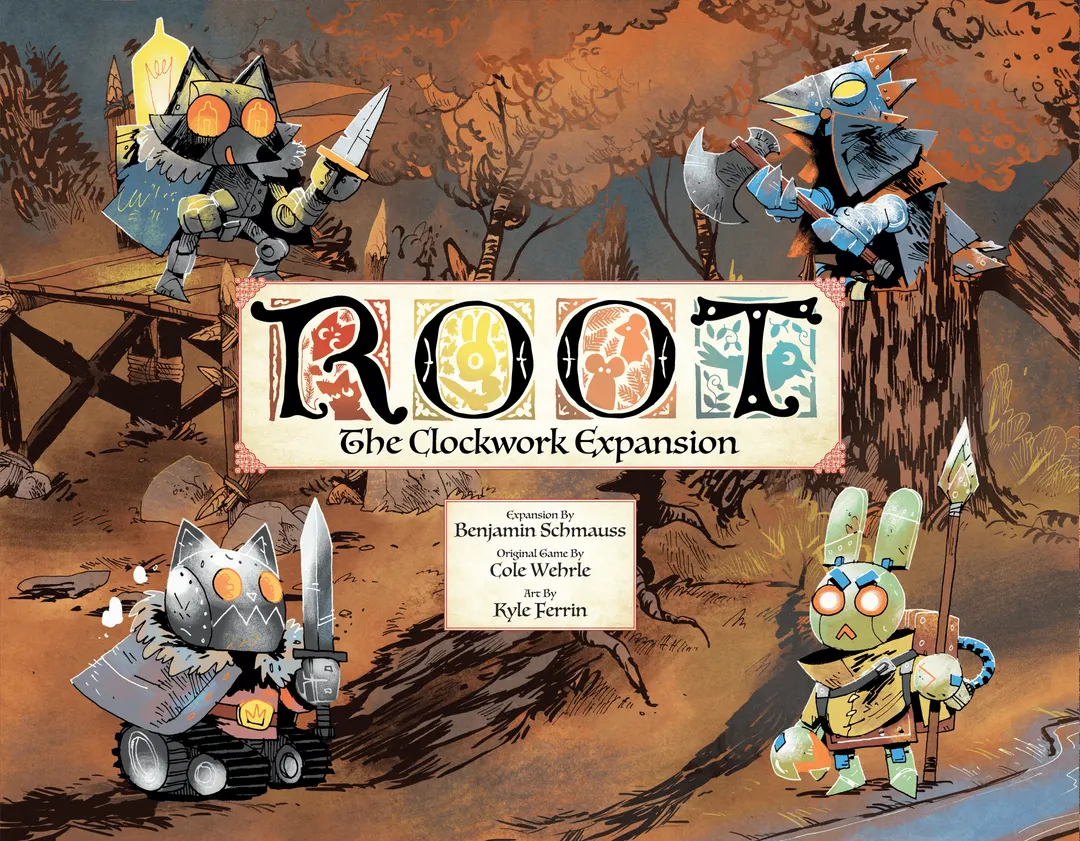
1–4 players60–90 min2020

2–6 players2020
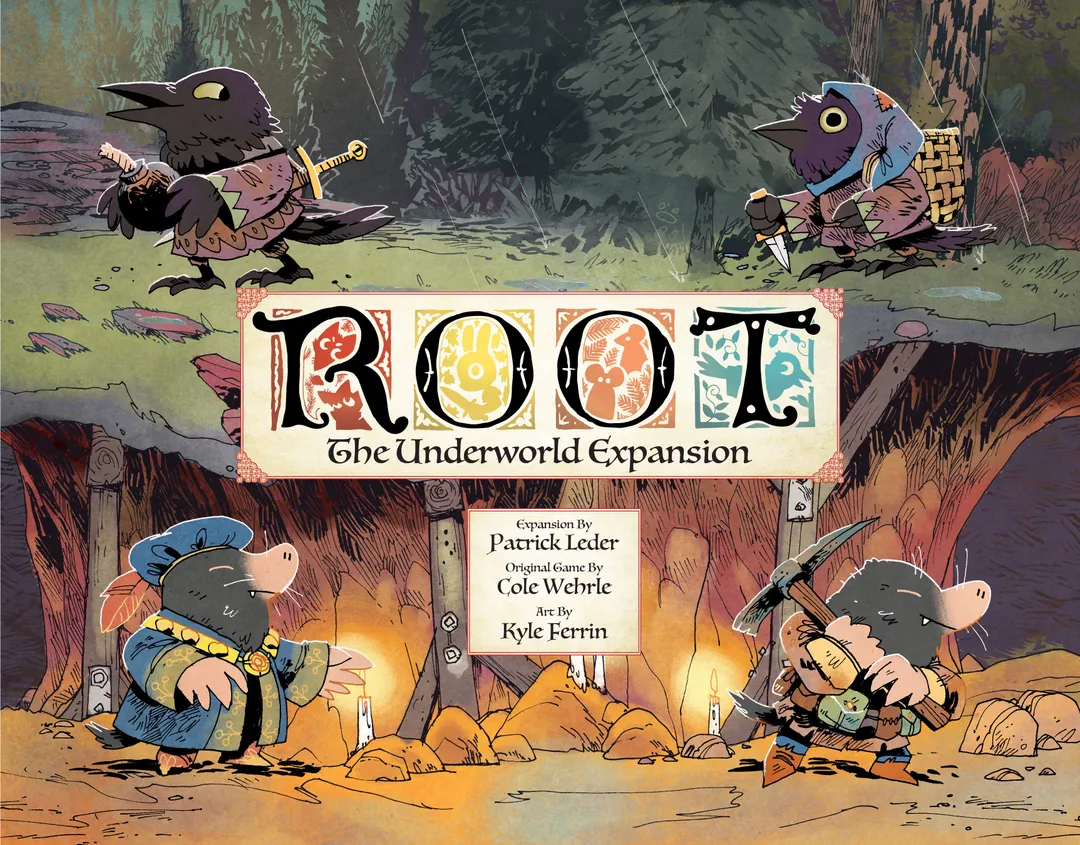
2–6 players60–90 min2020
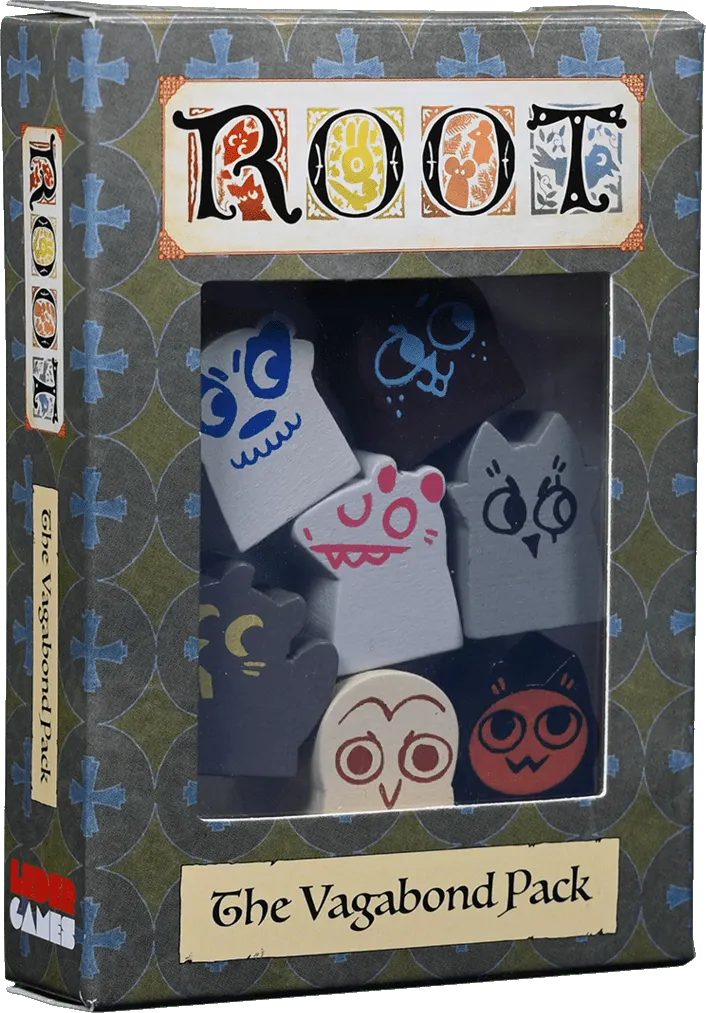
1–4 players60–90 min2020

2–4 players60–90 min2022
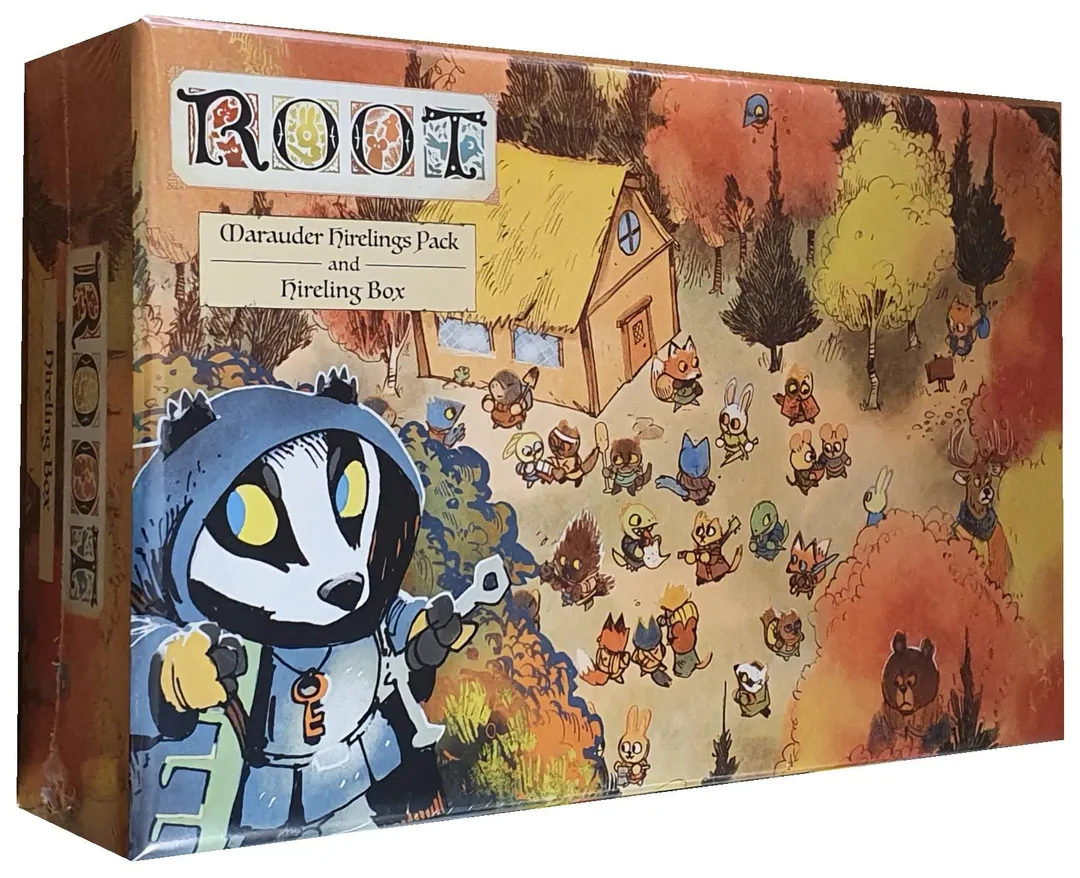
2–4 players60–90 min2022
2–4 players60–90 min2022
1–4 players60–90 min2022
2–6 players60–90 min2022
2–4 players60–90 min2022

2–4 players2026
1–6 players45–150 min2021
2 players30 min2024

1–5 players45–120 min2019
2–4 players60–120 min2024

1–4 players45–60 min2025
3–6 players120–240 min2011
2–6 players45 min2018

1–6 players60–180 min2026
3–5 players90–120 min2018
2–4 players120–180 min2026

2–4 players60–180 min2025

2–4 players60–120 min2024
Root is a game of adventure and war in which 2 to 4 (1 to 6 with the 'Riverfolk' expansion, 2-6 with the 'Underworld', or 'Marauder' expansions) players battle for control of a vast wilderness. Like Vast: The Crystal Caverns, each player in Root has unique capabilities and a different victory condition. Now, with the aid of gorgeous, multi-use cards, a truly asymmetric design has never been more accessible. The nefarious Marquise de Cat has seized the great woodland, intent on harvesting its riches. Under her rule, the many creatures of the forest have banded together. This Alliance will seek to strengthen its resources and subvert the rule of Cats. In this effort, the Alliance may enlist the help of the wandering Vagabonds who are able to move through the more dangerous woodland paths. Though some may sympathize with the Alliance’s hopes and dreams, these wanderers are old enough to remember the great birds of prey who once controlled the woods. Meanwhile, at the edge of the region, the proud, squabbling Eyrie have found a new commander who they hope will lead their faction to resume their ancient birthright. The stage is set for a contest that will decide the fate of the great woodland. It is up to the players to decide which group will ultimately take root. In Root, players drive the narrative, and the differences between each role create an unparalleled level of interaction and replayability. Leder Games invites you and your family to explore the fantastic world of Root! —description from the publisher
Measured on: Leder Games English eds (2018-2020)
Use the rules assistant for Root to describe a turn, card effect or disputed situation. Get a plain-language explanation with official source references, then return to the question in your saved history. Select your edition when available so the sources match your game.
Ask about the rulesRoot supports 2–4 players according to the catalogue. This range comes from the publisher’s listed player count, so the game can be set up for any group size within it. Some setups, rules and scoring details may still vary by player count, so check your edition’s rulebook for the exact configuration.
The listed playing time for Root is 60–90 minutes. This is the publisher’s estimate for a full game. The actual duration depends on the group, the player count and familiarity with the rules: first sessions usually run longer, while experienced groups often finish faster. Setup and teaching time are not included in this estimate.
The catalogue lists Root for ages 14 and up. This is the publisher’s recommendation and reflects reading demands, rule complexity and small components rather than theme alone. Younger players can often join with help from an adult, so check the age guidance on your edition and consider your group’s experience with board games.
Root has a complexity rating of 3.8 out of 5 from BoardGameGeek players, which makes it a heavy game. The rating reflects how much rules knowledge, planning and decision-making a typical game demands. Expect a longer first teach for heavier games, and use a preparation guide before game night.
Root belongs to these categories: Fantasy, Animals, and Wargame. Its main mechanics are Variable Player Powers, Hand Management, and Take That. Categories describe the theme and setting of a game, while mechanics describe what players actually do on their turns. Each mechanic links to a catalogue hub with similar games, which helps when you want something comparable.
The credited designers of Root are: Cole Wehrle. These credits come from the published game data and name the people responsible for the game’s design, not its illustrators or publishers. Designer pages on MeepleRules collect other titles by the same designers, which helps when you enjoy a game and want to find similar ones.
The catalogue lists Root as a base game. It can be played on its own with the components in the box and does not require any other title. Expansions, if any exist, add new content or rules on top of it and are listed separately in the catalogue with a link back to this base game.


