
- BGG rating
- 8.5
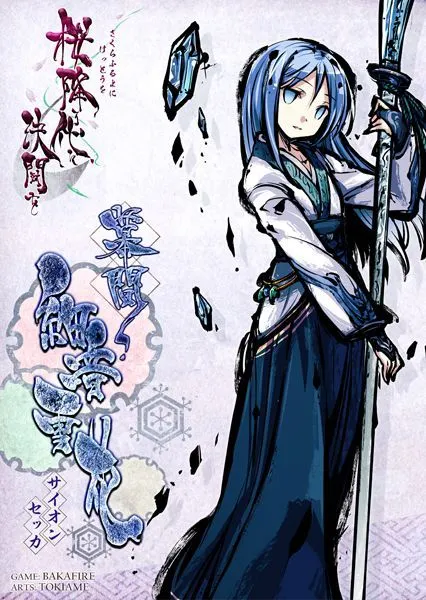
桜降る代に決闘を 幕間:細音雪花 (Intermission to a Duel during the Falling of Cherry Blossoms: Hosooto Snowflake)
- 2 players
- 15–25 min
- Complexity 3.0/5
- 2016
2016
Rules assistance for Sakura Arms
Plain-language explanations of turns, card effects and disputed situations, with official source references and saved question history.
For 2 players
What would you like to know?
Answers come from the official rulebook, with the page to check.
Sakura Arms is a board game released in 2016 for 2 players, 30 minutes per game, and ages 14 and up. It was designed by BakaFire and its main mechanics are Variable Player Powers, Hand Management, and Take That.
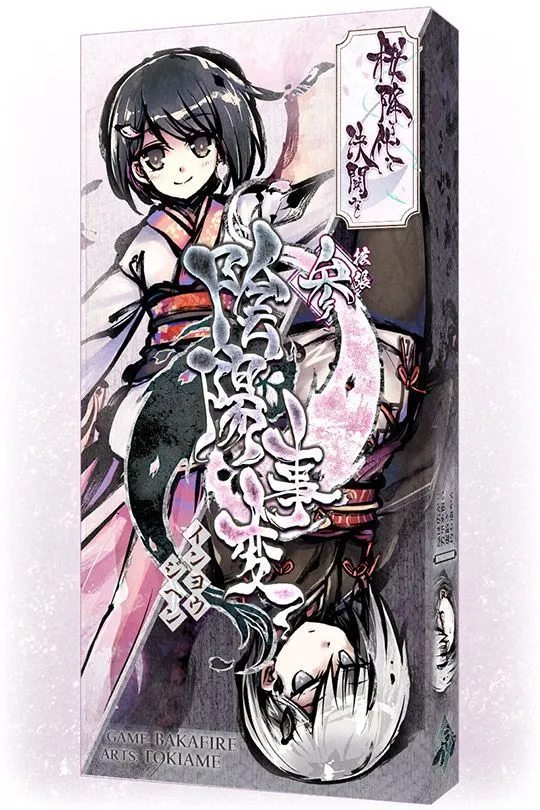
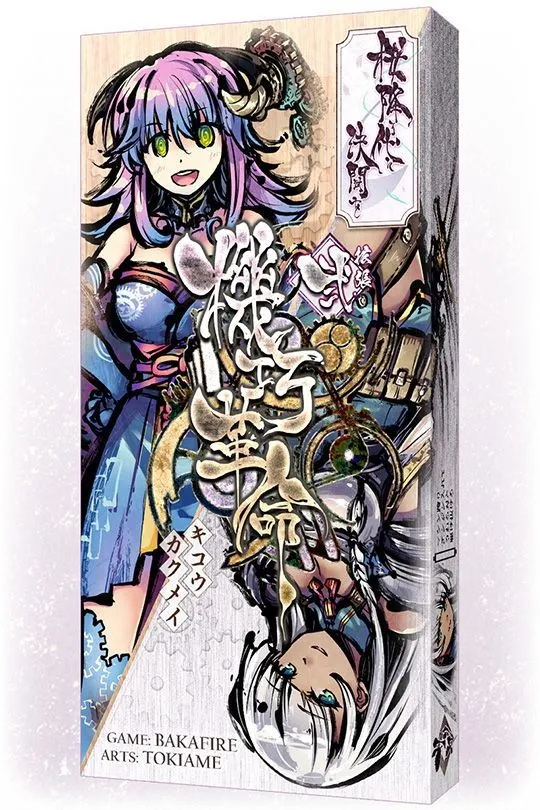
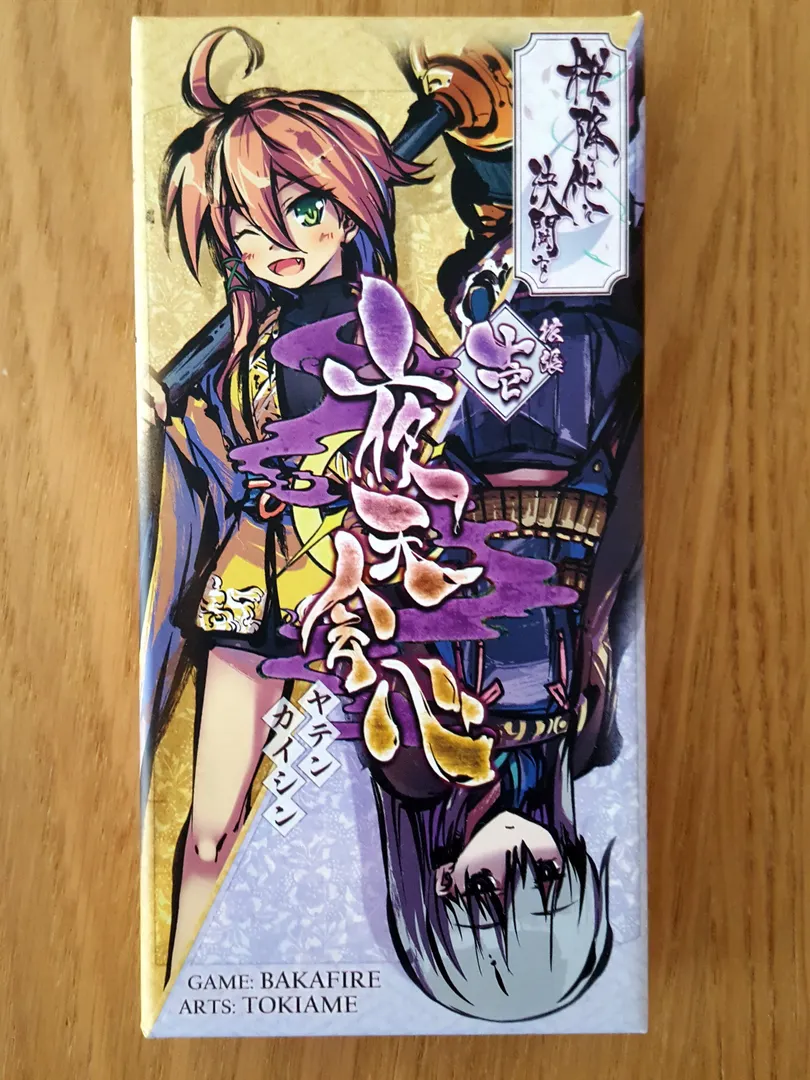
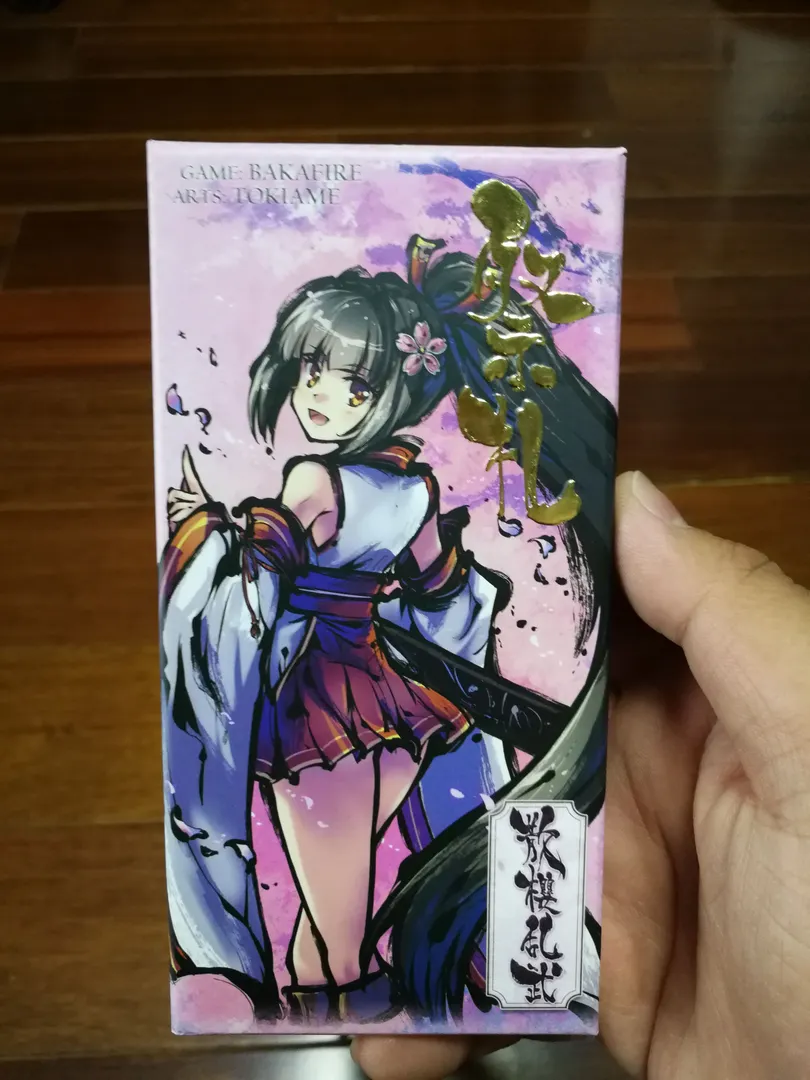
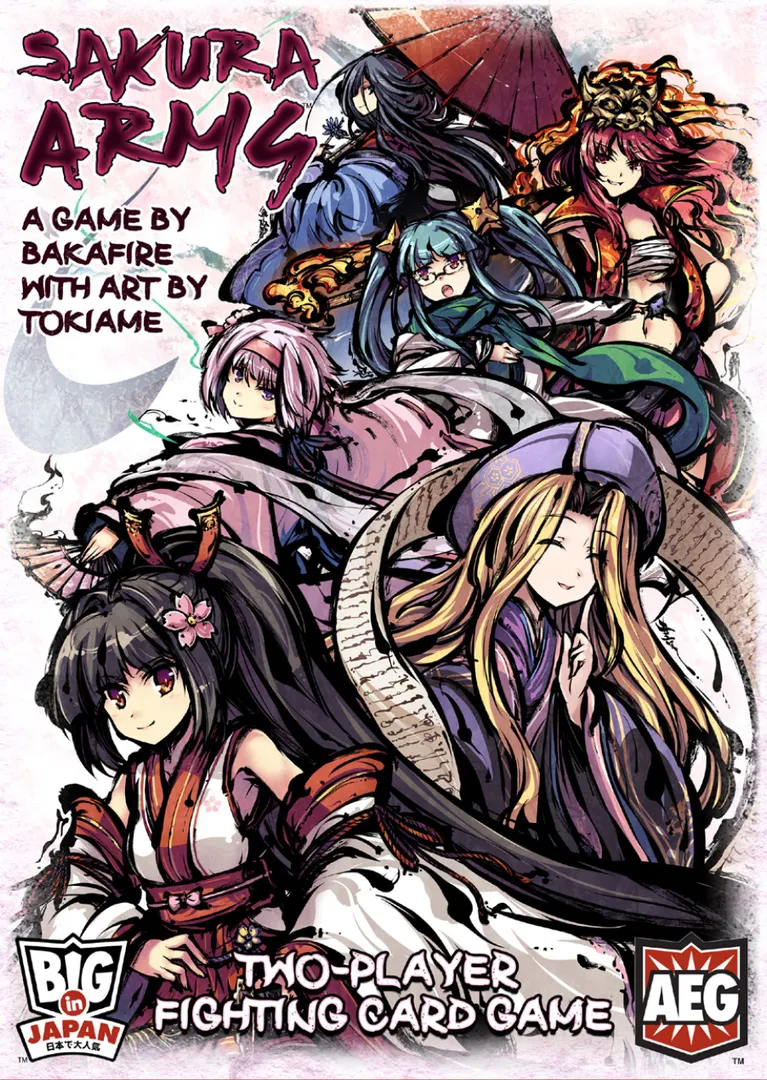
Sakura Duel — known in Japanese as 桜降る代に決闘を and also released as Sakura Arms — is a two-player dueling game in which players first choose two of seven megami (Japanese goddesses), each of which has a different keyword that empowers some of their cards. Players then see what the opponent chose before assembling a deck of ten out of 22 cards, with the players choosing cards both to take advantage of their own megami powers and to exploit their opponent's weaknesses. Players then duel to see who will be victorious. The game uses a single kind of token to represent life, distance, aura (defense), and flare (special energy) based on the zone these tokens occupy. By moving tokens between zones, you attempt to gain the ideal position and set up as many attacks as possible — or be prepared to avoid attacks. The gameplay at its core is simple, and due to its limited environment, it is relatively easy to learn the cards for a deck-building game. Building a deck and playing normally takes less than 20 minutes. This is the first release for the second version of the Sakura Arms game system. A third version, with system changes and balance updates, has since been released.
Sakura Arms supports 2 players according to the catalogue. This is the publisher’s listed player count, so the game is designed for exactly that number of participants. Variants for other group sizes, if any, are described in the rulebook of your edition, so check it before setting up a different configuration.
The listed playing time for Sakura Arms is 30 minutes. This is the publisher’s estimate for a full game. The actual duration depends on the group, the player count and familiarity with the rules: first sessions usually run longer, while experienced groups often finish faster. Setup and teaching time are not included in this estimate.
The catalogue lists Sakura Arms for ages 14 and up. This is the publisher’s recommendation and reflects reading demands, rule complexity and small components rather than theme alone. Younger players can often join with help from an adult, so check the age guidance on your edition and consider your group’s experience with board games.
Sakura Arms has a complexity rating of 3.0 out of 5 from BoardGameGeek players, which makes it a medium-weight game. The rating reflects how much rules knowledge, planning and decision-making a typical game demands. Expect a longer first teach for heavier games, and use a preparation guide before game night.
Sakura Arms belongs to these categories: Card Game and Mythology. Its main mechanics are Variable Player Powers, Hand Management, and Take That. Categories describe the theme and setting of a game, while mechanics describe what players actually do on their turns. Each mechanic links to a catalogue hub with similar games, which helps when you want something comparable.
The credited designers of Sakura Arms are: BakaFire. These credits come from the published game data and name the people responsible for the game’s design, not its illustrators or publishers. Designer pages on MeepleRules collect other titles by the same designers, which helps when you enjoy a game and want to find similar ones.
The catalogue lists Sakura Arms as a base game. It can be played on its own with the components in the box and does not require any other title. Expansions, if any exist, add new content or rules on top of it and are listed separately in the catalogue with a link back to this base game.