

- BGG rank
- BGG #4,659
- BGG rating
- 8.0
Hearts and Minds: Vietnam 1965-1975 (Third Edition)
- 1–2 players
- 45–360 min
- Complexity 3.0/5
- 2019
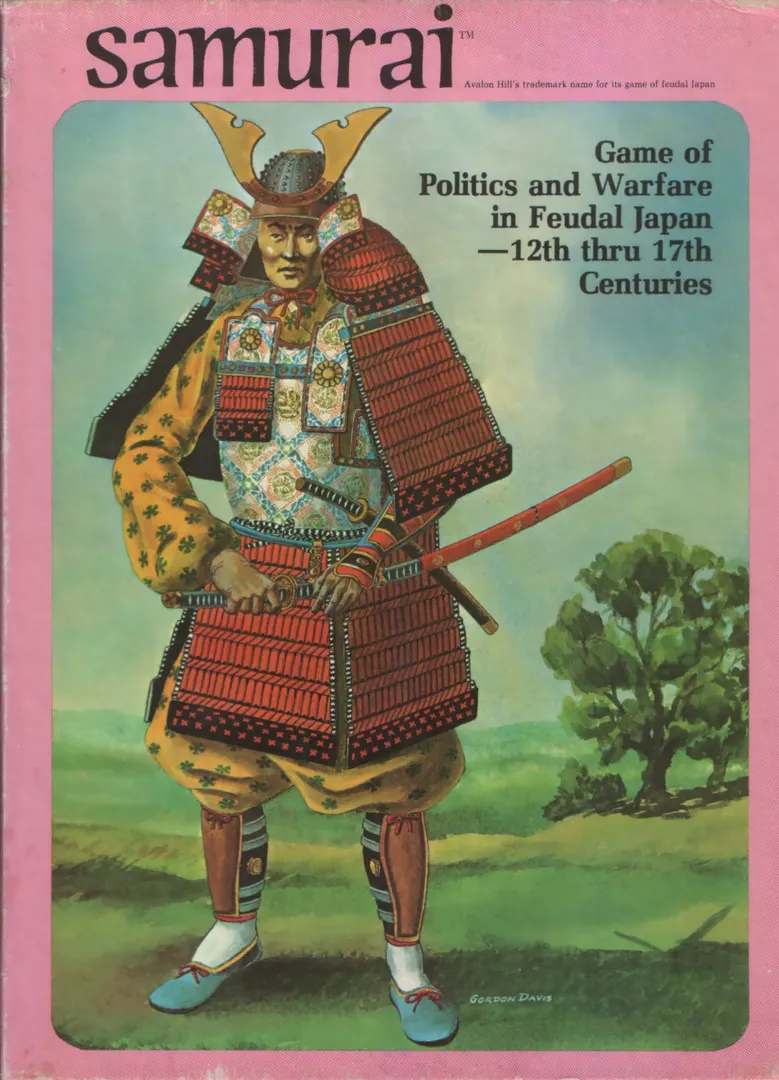
1978
Rules assistance for Samurai: Game of Politics and Warfare in Feudal Japan
Plain-language explanations of turns, card effects and disputed situations, with official source references and saved question history.
For 2 players
What would you like to know?
Answers come from the official rulebook, with the page to check.
Samurai: Game of Politics and Warfare in Feudal Japan is a board game released in 1978 for 2–8 players, 180 minutes per game, and ages 12 and up. It was designed by Dan Campagna and its main mechanics are Area Movement, Dice Rolling, and Simulation.





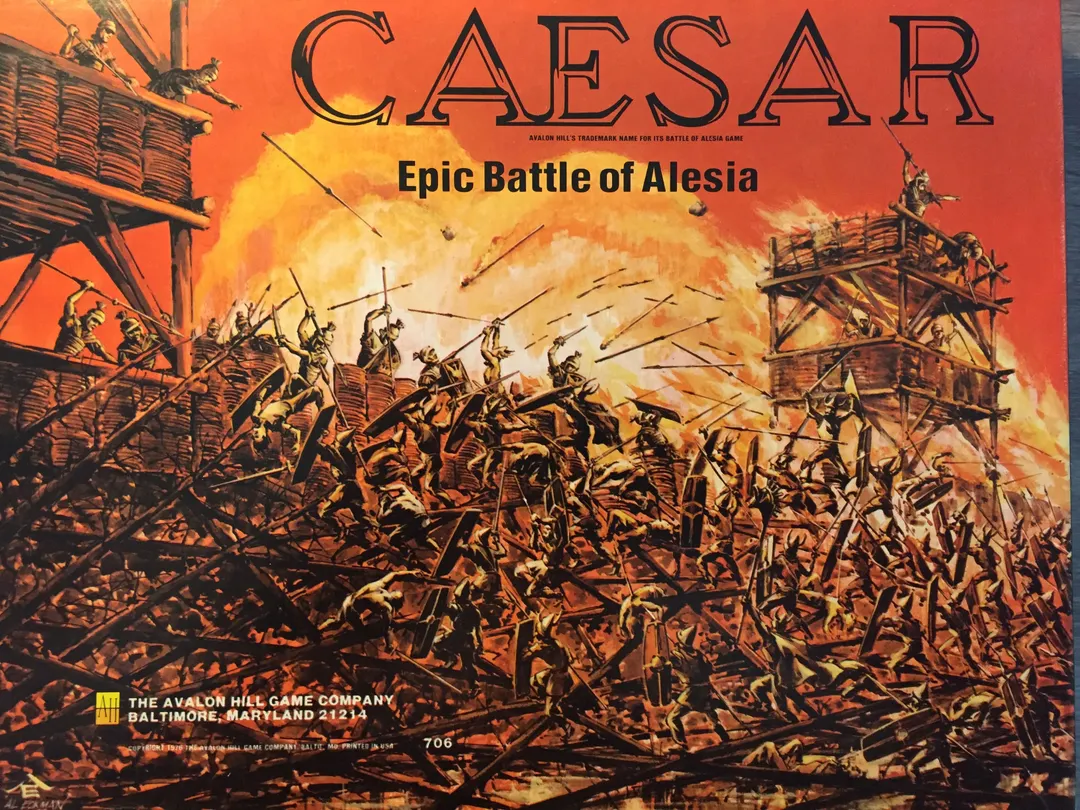
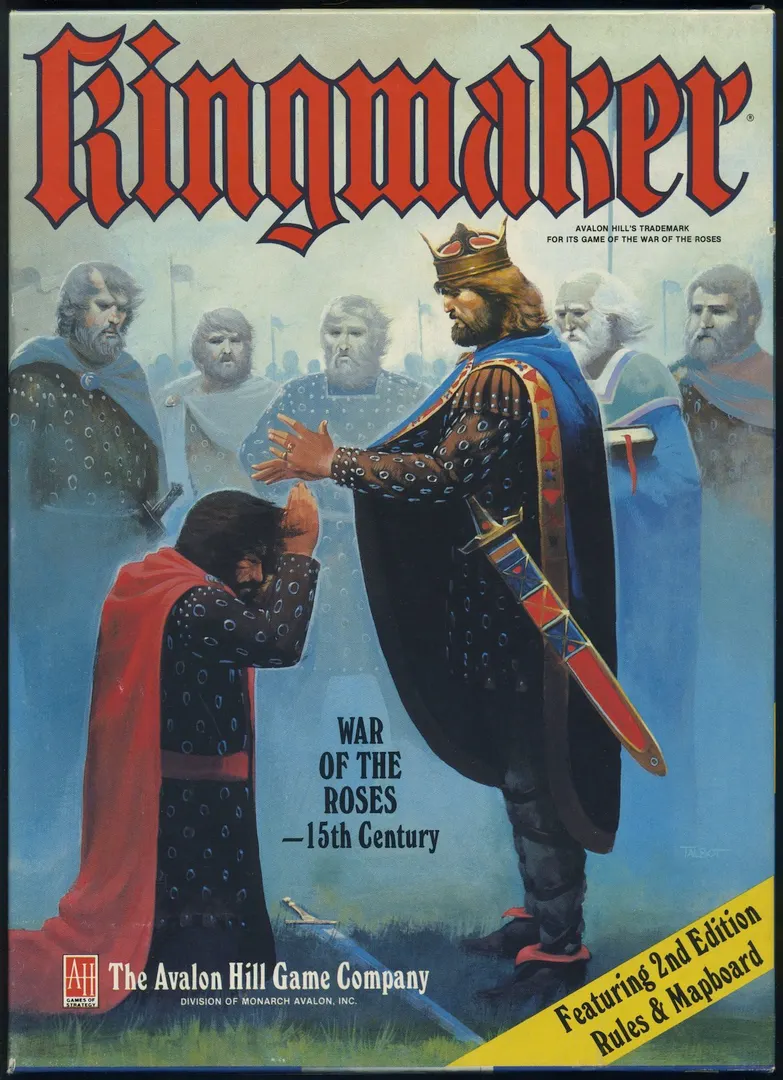

(from the back of the box:) You are now back in time-12th through 17th century Japan, to be exact. Your objective: the exalted title of "Shogun". As "Shogun", you will have the right to enforce the emperor's will, and become the real ruler of Japan. Samurai allows you to take control of Japan. In medieval Japan, the central government of the emperor was dissolved. He become a powerless figurehead while various clans competed to take control of the country. These clans were similar to the noble houses of Europe; and their leaders the equivalent of medieval Dukes, Barons, Counts, and the like. Using formldable samurai warriors, the clans waged endless wars across the major islands of the Japanese archipelago. Concept of Play Each player controls a clan, with one or more lords. Each lord has a province representing his personal "fief" or home, and often has additional holdings of troops, titles, ships, castles, and more provinces. The game is played in 20 turns, each representing a pace of historical events running between a few months to a few years. In each turn, moves are conducted on a mapboard that portrays the three major islands of Japan. The playing pieces-360 in all-include Samurai Lords, clan control markers, holdings and title counters, troops, garrisons, and more; all explained in the easy to-follow prose of the 18-page rules folder. Many Games in One An excellent game for 2 to 8 players. Samurai is suitable for beginning and intermedlate play, with plenty of optional rules and strategic options for even the expert. And for the really hard-core power-politics fanatics, special rules create a nearly "perpetual" game representing tho true ebb and flow of Japanese feudal confilct. Samurai includes a variety of playing aids to make learning and playing the game truly an effortless task. The rules manual contains historical background and designer's notes that offer the player the full flavor and authenticity of what medieval conflict was all about in the age of the "Shogun" struggles. (BGG description:) Samurai is a game about warfare and politics in feudal Japan. The aim of the game is to gain the title "Shogun" by game end. To become Shogun, the player has to gain control of two out of four Imperial Articles scattered across the mapboard. These are: the Emperor, The Heir, The Imperial Regalia and Kyoto Castle. Playing pieces are the samurai lords of various houses. Each lord has a home province which provides him with troops. Additional troops may be added through offices, other provinces, castles, etc.
Samurai: Game of Politics and Warfare in Feudal Japan supports 2–8 players according to the catalogue. This range comes from the publisher’s listed player count, so the game can be set up for any group size within it. Some setups, rules and scoring details may still vary by player count, so check your edition’s rulebook for the exact configuration.
The listed playing time for Samurai: Game of Politics and Warfare in Feudal Japan is 180 minutes. This is the publisher’s estimate for a full game. The actual duration depends on the group, the player count and familiarity with the rules: first sessions usually run longer, while experienced groups often finish faster. Setup and teaching time are not included in this estimate.
The catalogue lists Samurai: Game of Politics and Warfare in Feudal Japan for ages 12 and up. This is the publisher’s recommendation and reflects reading demands, rule complexity and small components rather than theme alone. Younger players can often join with help from an adult, so check the age guidance on your edition and consider your group’s experience with board games.
Samurai: Game of Politics and Warfare in Feudal Japan has a complexity rating of 2.6 out of 5 from BoardGameGeek players, which makes it a medium-light game. The rating reflects how much rules knowledge, planning and decision-making a typical game demands. Expect a longer first teach for heavier games, and use a preparation guide before game night.
Samurai: Game of Politics and Warfare in Feudal Japan belongs to these categories: Wargame, Medieval, and Political. Its main mechanics are Area Movement, Dice Rolling, and Simulation. Categories describe the theme and setting of a game, while mechanics describe what players actually do on their turns. Each mechanic links to a catalogue hub with similar games, which helps when you want something comparable.
The credited designers of Samurai: Game of Politics and Warfare in Feudal Japan are: Dan Campagna. These credits come from the published game data and name the people responsible for the game’s design, not its illustrators or publishers. Designer pages on MeepleRules collect other titles by the same designers, which helps when you enjoy a game and want to find similar ones.
The catalogue lists Samurai: Game of Politics and Warfare in Feudal Japan as a base game. It can be played on its own with the components in the box and does not require any other title. Expansions, if any exist, add new content or rules on top of it and are listed separately in the catalogue with a link back to this base game.