

- BGG rank
- BGG #18,479
- BGG rating
- 6.1
The Outcast Heroes
- 2–4 players
- 30 min
- Complexity 2.7/5
- 2013
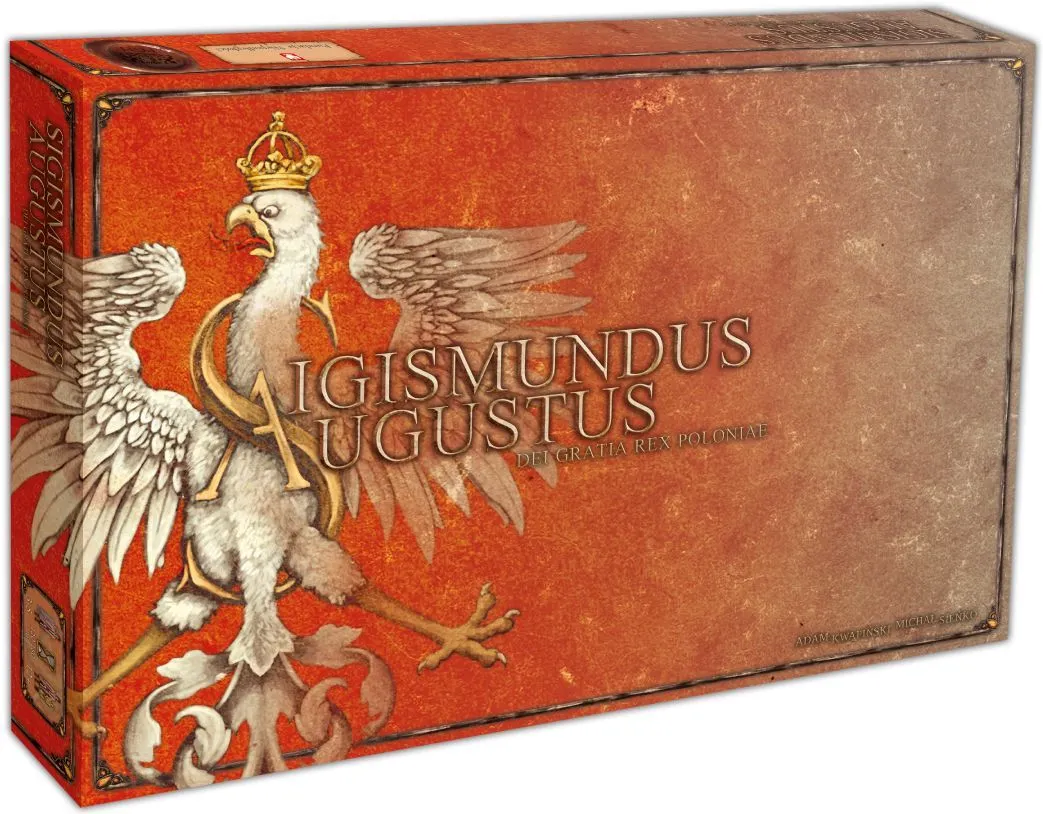
2012
Rules assistance for Sigismundus Augustus: Dei gratia rex Poloniae
Plain-language explanations of turns, card effects and disputed situations, with official source references and saved question history.
For 3 players
What would you like to know?
Answers come from the official rulebook, with the page to check.
Sigismundus Augustus: Dei gratia rex Poloniae is a board game released in 2012 for 3–5 players, 120 minutes per game, and ages 12 and up. It was designed by Adam Kwapiński and Michał Sieńko and its main mechanics are Trading, Dice Rolling, and Area Majority / Influence.

Sigismundus Augustus: Dei gratia rex Poloniae is a board game for 3 to 5 players. During the game, each player rules one of the 16th-century noble families. The aim is to establish the position of the House in Rzeczpospolita and in the international arena. To gain more prestige than other players and win the game, each House has to fight for the influence in Sejm or for authority among neighbors, while also maintaining a strong and effective army. Famous families compete in a game for the title of the first magnate in Rzeczpospolita. Who meets the challenge gains eternal glory and enters the history books! Sigismundus Augustus ist ein Brettspiel für 3 bis 5 Spieler. Die Spieler leiten die Adelsgeschlechter aus dem 16. Jahrhundert. Der Zweck ist die Begründung ihrer Position in Rzeczpospolita und auf internationaler Ebene. Um das zu erzielen, muss jedes Adelsgeschlechtr um den Einfl uss im Sejm und das Gehör bei den Nachbarn kämpfen und eine kräftige und erfolgreiche Armee haben. Im Wettbewerb um den Titel der ersten Magnaten von Rzeczpospolita stehen auch andere Adelsgeschlechte. Wer stellt sich der Herausforderung, verschafft sich ewigen Ruhm und geht in die Geschichte ein? Rzeczpospolita szlachecka w najlepszym wydaniu! Pokieruj jednym z magnackich rodów walcząc o potęgę i wpływy w jednym z największych mocarstw XVI-wiecznej Europy. Dróg do celu jest wiele. Możesz wykazać się żołnierską fantazją, wejść na ścieżkę polityki zagranicznej i pozyskać potężnych sojuszników z innych państw Europy, lub też zyskać sławę i poparcie na sejmach decydując o wewnętrznej polityce Rzeczpospolitej. Nie zaniedbuj jednak kultury - stań się mecenasem sztuki, przyjmując pod swoją opiekę artystów, którzy będą wychwalali Twój ród w swoich nieśmiertelnych dziełach. W walce o tytuł pierwszego magnata Rzeczpospolitej będziesz miał licznych konkurentów. Czy sprostasz wyzwaniu i osiągniesz wieczną chwałę oraz stałe miejsce w historii Rzeczpospolitej? Akcja gry Sigismundus Augustus zaczyna się w 1548 r. od objęcia rządów przez Zygmunta Augusta. Kończy się zaś śmiercią monarchy w 1572 r. W tym czasie graczom przyjdzie decydować o najważniejszych sprawach państwowych dotyczących wewnętrznej sytuacji kraju oraz roli Polski na arenie międzynarodowej. Gra oparta jest na dwóch głównych mechanikach (licytacja oraz worker placement), które znakomicie oddają klimat XVI-wiecznej Polski. W trakcie swojej rundy gracze będą wysyłać klientów swojego rodu, aby wykonywali dla nich najróżniejsze sprawy: od prowadzenia zaciągu, poprzez pozyskiwanie ważnych osobistości i stronników, aż po zagraniczne misje dyplomatyczne. Mechanika licytacji zostanie natomiast wykorzystana podczas rozgrywania kolejnych sejmów, na które szlachta była zwoływana przez panującego władcę. Gracze, w trakcie trwania szlacheckich zjazdów, dzięki pozyskanemu poparciu posłów, senatorów oraz króla, będą walczyć o obsadzenie najważniejszych urzędów w państwie. Zadecydują również o uchwaleniu, lub nie, najistotniejszych dla ówczesnych dziejów RP ustaw. Nie będzie to jednak czysta gra, w której niejednokrotnie złoto odegra istotną rolę w pozyskaniu poparcia. W Sigismundus Augustus występuje także element walki. W grze funkcjonują 3 rodzaje jednostek: piechota, husaria i artyleria. Dzięki użyciu prywatnych armii gracze będą mogli skutecznie zaszkodzić innym graczom porywając ich sprzymierzeńców, grabiąc ich majątek lub też dokonując zajazdu na dwór znienawidzonego rodu.
Sigismundus Augustus: Dei gratia rex Poloniae supports 3–5 players according to the catalogue. This range comes from the publisher’s listed player count, so the game can be set up for any group size within it. Some setups, rules and scoring details may still vary by player count, so check your edition’s rulebook for the exact configuration.
The listed playing time for Sigismundus Augustus: Dei gratia rex Poloniae is 120 minutes. This is the publisher’s estimate for a full game. The actual duration depends on the group, the player count and familiarity with the rules: first sessions usually run longer, while experienced groups often finish faster. Setup and teaching time are not included in this estimate.
The catalogue lists Sigismundus Augustus: Dei gratia rex Poloniae for ages 12 and up. This is the publisher’s recommendation and reflects reading demands, rule complexity and small components rather than theme alone. Younger players can often join with help from an adult, so check the age guidance on your edition and consider your group’s experience with board games.
Sigismundus Augustus: Dei gratia rex Poloniae has a complexity rating of 3.9 out of 5 from BoardGameGeek players, which makes it a heavy game. The rating reflects how much rules knowledge, planning and decision-making a typical game demands. Expect a longer first teach for heavier games, and use a preparation guide before game night.
Sigismundus Augustus: Dei gratia rex Poloniae belongs to these categories: Economic, Negotiation, and Renaissance. Its main mechanics are Trading, Dice Rolling, and Area Majority / Influence. Categories describe the theme and setting of a game, while mechanics describe what players actually do on their turns. Each mechanic links to a catalogue hub with similar games, which helps when you want something comparable.
The credited designers of Sigismundus Augustus: Dei gratia rex Poloniae are: Adam Kwapiński and Michał Sieńko. These credits come from the published game data and name the people responsible for the game’s design, not its illustrators or publishers. Designer pages on MeepleRules collect other titles by the same designers, which helps when you enjoy a game and want to find similar ones.
The catalogue lists Sigismundus Augustus: Dei gratia rex Poloniae as a base game. It can be played on its own with the components in the box and does not require any other title. Expansions, if any exist, add new content or rules on top of it and are listed separately in the catalogue with a link back to this base game.