
- BGG rank
- BGG #17,271
- BGG rating
- 6.2
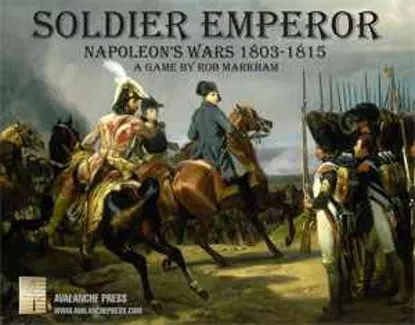
Soldier Emperor: Napoleon's Wars 1803-1815
- 2–7 players
- 240–480 min
- Complexity 2.8/5
- 2003
2004
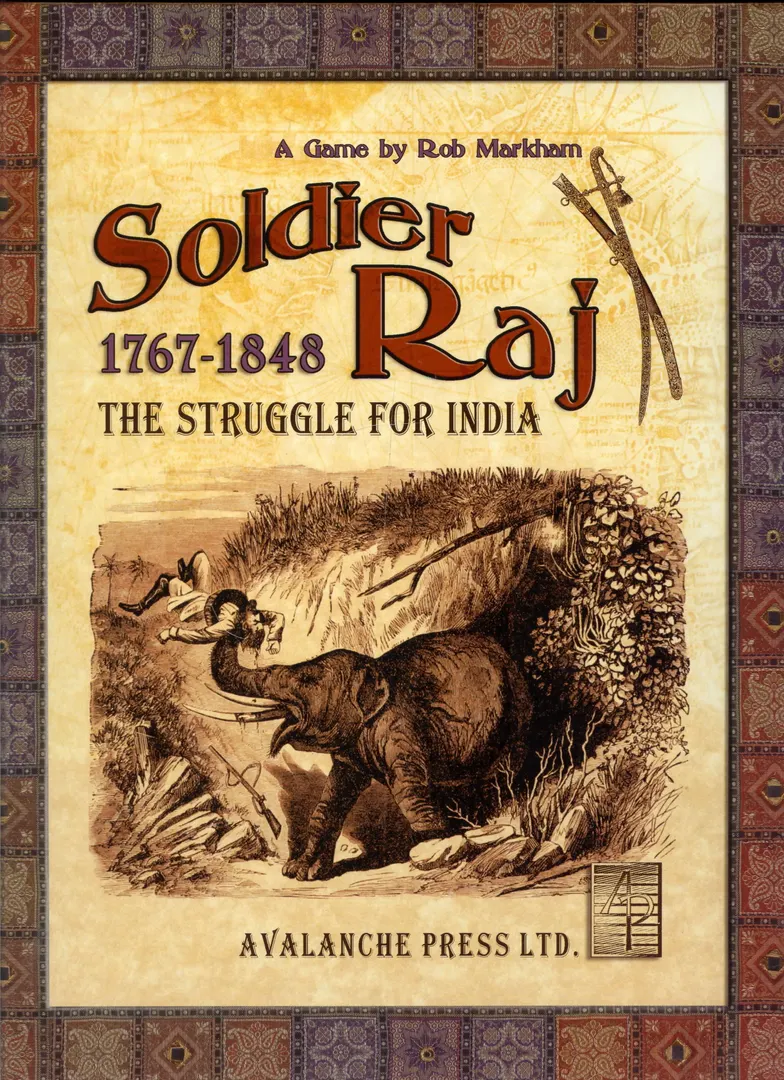
Rules assistance for Soldier Raj: The Struggle for India 1767-1848
Plain-language explanations of turns, card effects and disputed situations, with official source references and saved question history.
For 2 players
What would you like to know?
Answers come from the official rulebook, with the page to check.
Soldier Raj: The Struggle for India 1767-1848 is a board game released in 2004 for 2–5 players and 120–360 minutes per game. It was designed by Robert G. Markham and its main mechanics are Dice Rolling, Point to Point Movement, and Campaign / Battle Card Driven.
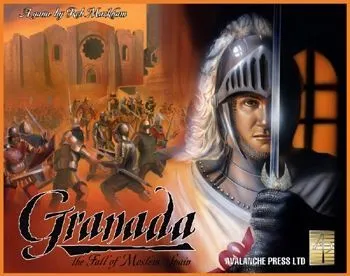
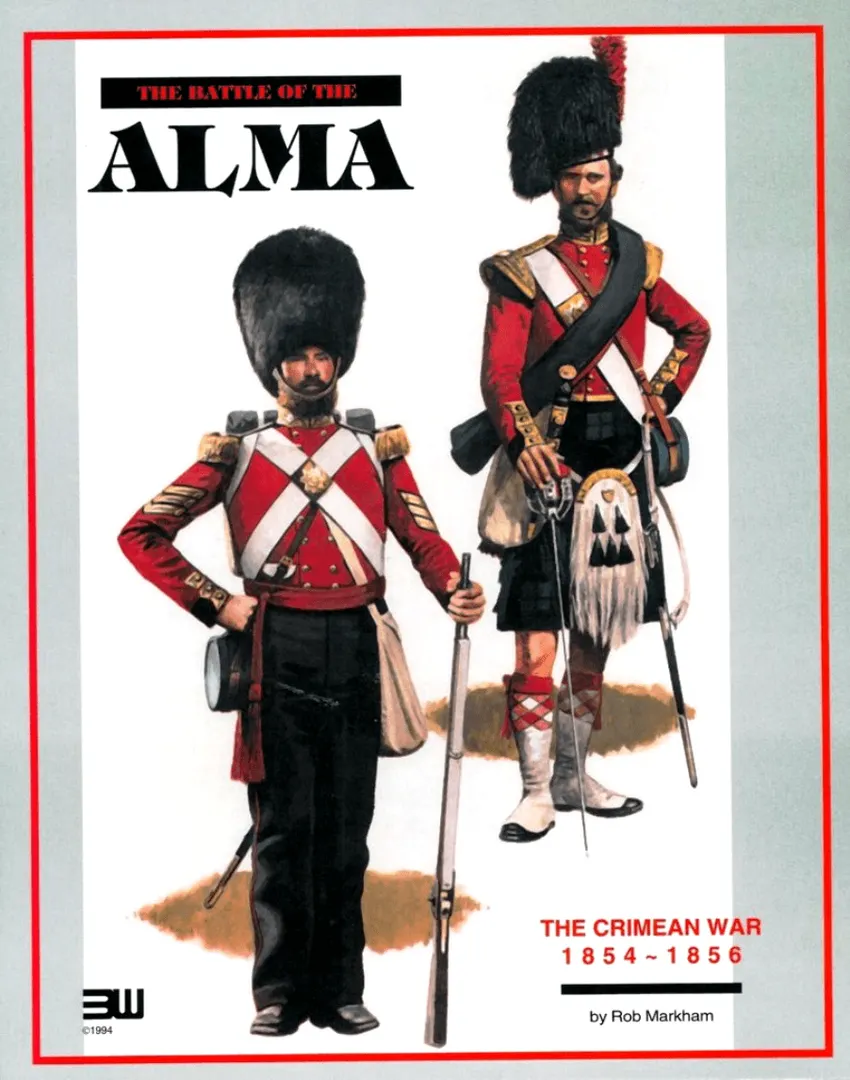
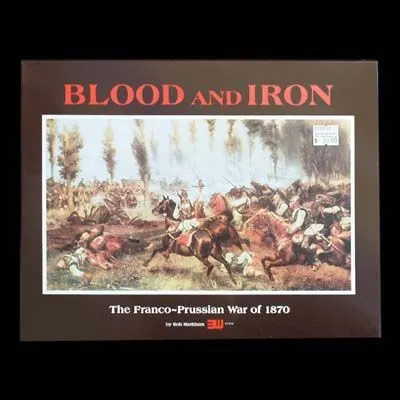
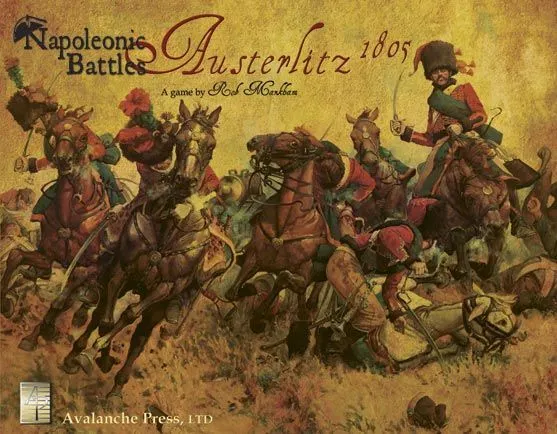
Between 1767 and 1846, war and intrigue dominated the Indian sub-continent. War constantly flared between the Indian kingdoms, both against one another and against the British and French interlopers. The Europeans, meanwhile, also busily fought each other. Rob Markham's Soldier Raj builds on the highly successful model of Soldier Emperor to portray these conflicts. Over a dozen scenarios cover these wars, from Hyder Ali's defeat of the British in the First Mysore War in 1767 to Britain's final conquest of the Sikhs in 1846. Colorful leaders of the time are all present: Hyder Ali and Tippoo of Mysore. Sir Arthur Wellesley, the "sepoy general" who would become Duke of Wellington. The brilliant Madhav Rao of the Marathas. France's Admiral Suffren. Zaman Shah of Afghanistan, and the Sikh ruler Ranjit Singh. These and more lead your armies. The playing pieces are the decadently thick tiles seen in Soldier Emperor and Granada: The Fall of Moslem Spain. Artist Terry Moore Strickland has gone well beyond those games; pieces like the Mysore Tiger Soldier or the Maratha War Elephant are tiny works of art. As in Soldier Emperor, successful card play is a key to victory. Soldier Raj features high-quality playing cards, and includes a new deck of these for use in Soldier Emperor when playing the two games together. Soldier Raj can also be played together with Soldier Emperor: Napoleon's Wars 1803-1815. Players can either add more seats at the table, or assign the Indian kingdoms to players with only European holdings. Britain becomes both more powerful in the combined game, and more vulnerable. As in Soldier Emperor: Napoleon's Wars 1803-1815, players command their nation's military, political and economic destiny. The map is a painting of South Asia, with a network of areas and routes between them laid over it. Generals move their armies along these routes, attempting to conquer territory for their nation. Fleets control the seas around India; the locals have very little seapower, and Britain outnumbers France on the seas. Combat is resolved by dice rolls, with larger armies casting more dice. Good generalship is even more crucial in India than in Europe. Players win by taking the most territory, or by destroying their nation's enemies.
Soldier Raj: The Struggle for India 1767-1848 supports 2–5 players according to the catalogue. This range comes from the publisher’s listed player count, so the game can be set up for any group size within it. Some setups, rules and scoring details may still vary by player count, so check your edition’s rulebook for the exact configuration.
The listed playing time for Soldier Raj: The Struggle for India 1767-1848 is 120–360 minutes. This is the publisher’s estimate for a full game. The actual duration depends on the group, the player count and familiarity with the rules: first sessions usually run longer, while experienced groups often finish faster. Setup and teaching time are not included in this estimate.
Soldier Raj: The Struggle for India 1767-1848 has a complexity rating of 2.3 out of 5 from BoardGameGeek players, which makes it a medium-light game. The rating reflects how much rules knowledge, planning and decision-making a typical game demands. Expect a longer first teach for heavier games, and use a preparation guide before game night.
Soldier Raj: The Struggle for India 1767-1848 belongs to these categories: Wargame, Napoleonic, and Age of Reason. Its main mechanics are Dice Rolling, Point to Point Movement, and Campaign / Battle Card Driven. Categories describe the theme and setting of a game, while mechanics describe what players actually do on their turns. Each mechanic links to a catalogue hub with similar games, which helps when you want something comparable.
The credited designers of Soldier Raj: The Struggle for India 1767-1848 are: Robert G. Markham. These credits come from the published game data and name the people responsible for the game’s design, not its illustrators or publishers. Designer pages on MeepleRules collect other titles by the same designers, which helps when you enjoy a game and want to find similar ones.
The catalogue lists Soldier Raj: The Struggle for India 1767-1848 as a base game. It can be played on its own with the components in the box and does not require any other title. Expansions, if any exist, add new content or rules on top of it and are listed separately in the catalogue with a link back to this base game.