
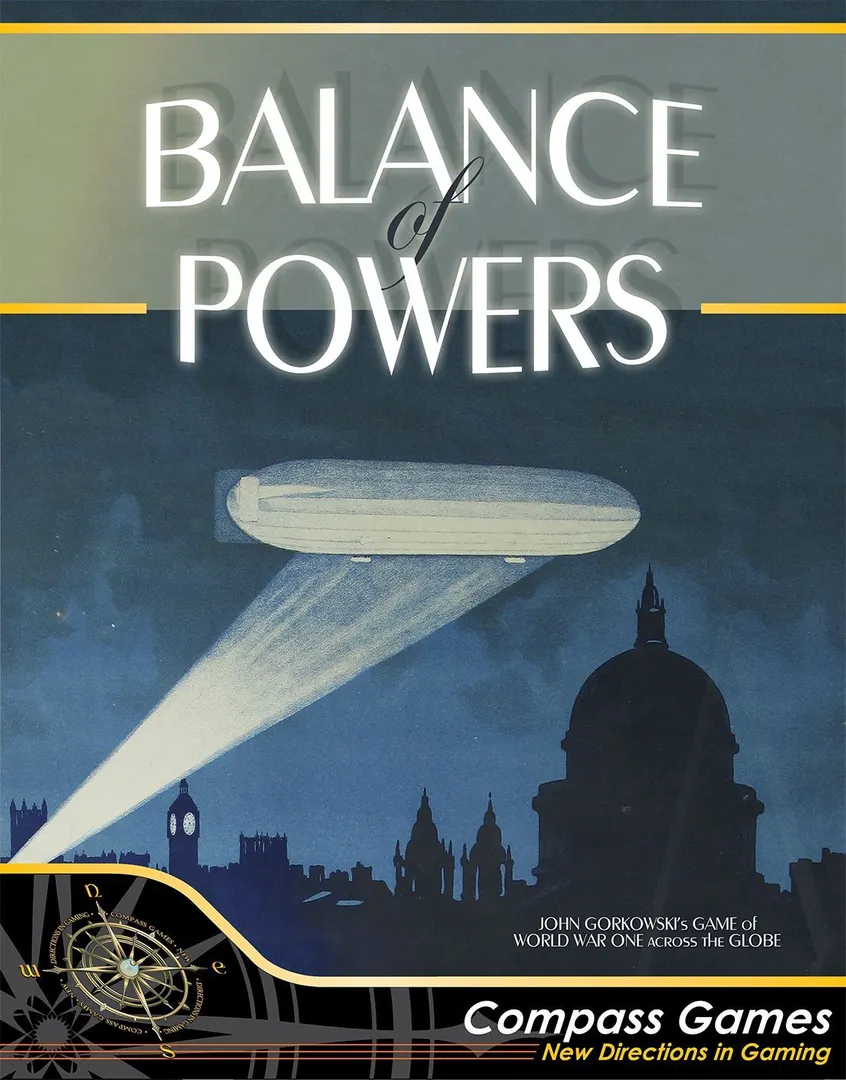
- BGG rank
- BGG #10,789
- BGG rating
- 7.7
Balance of Powers
- 2–7 players
- 120–1440 min
- Complexity 3.4/5
- 2015
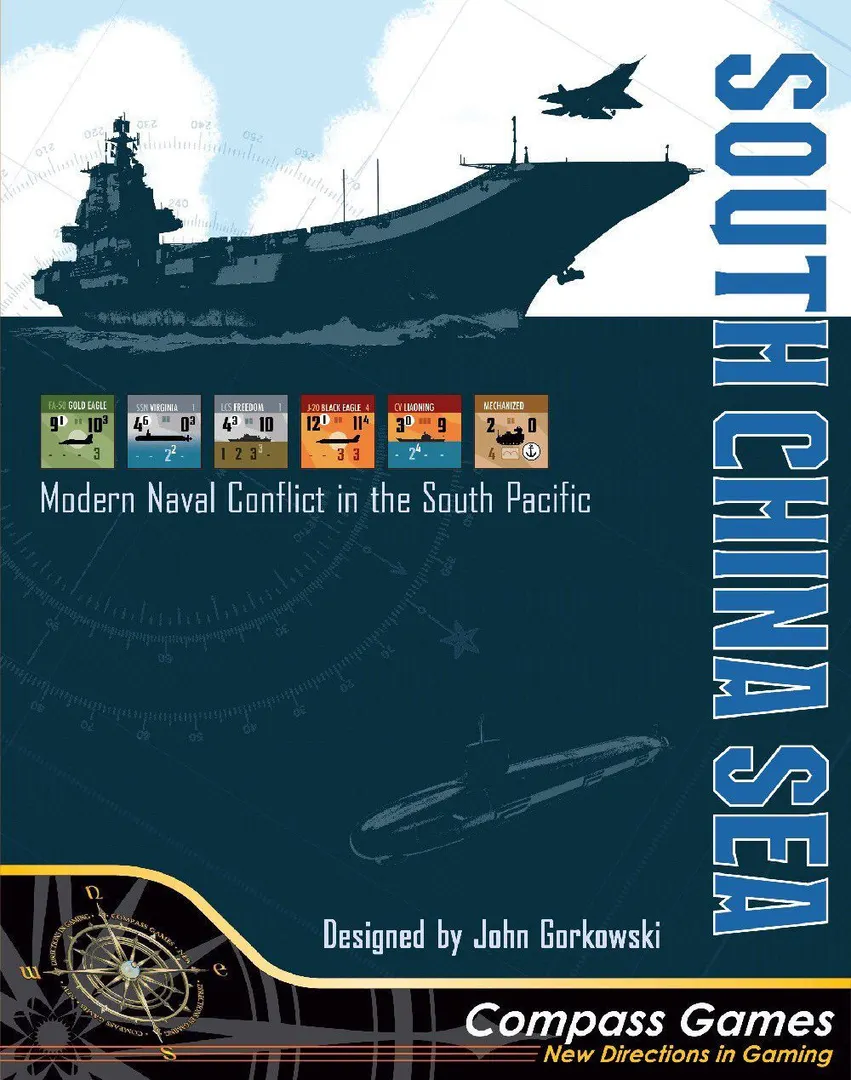
2017
Rules assistance for South China Sea: Modern Naval Conflict in the South Pacific
Plain-language explanations of turns, card effects and disputed situations, with official source references and saved question history.
For 2 players
What would you like to know?
Answers come from the official rulebook, with the page to check.
South China Sea: Modern Naval Conflict in the South Pacific is a board game released in 2017 for 2–3 players, 120–240 minutes per game, and ages 11 and up. It was designed by John Gorkowski and its main mechanics are Dice Rolling, Hexagon Grid, and Simulation.





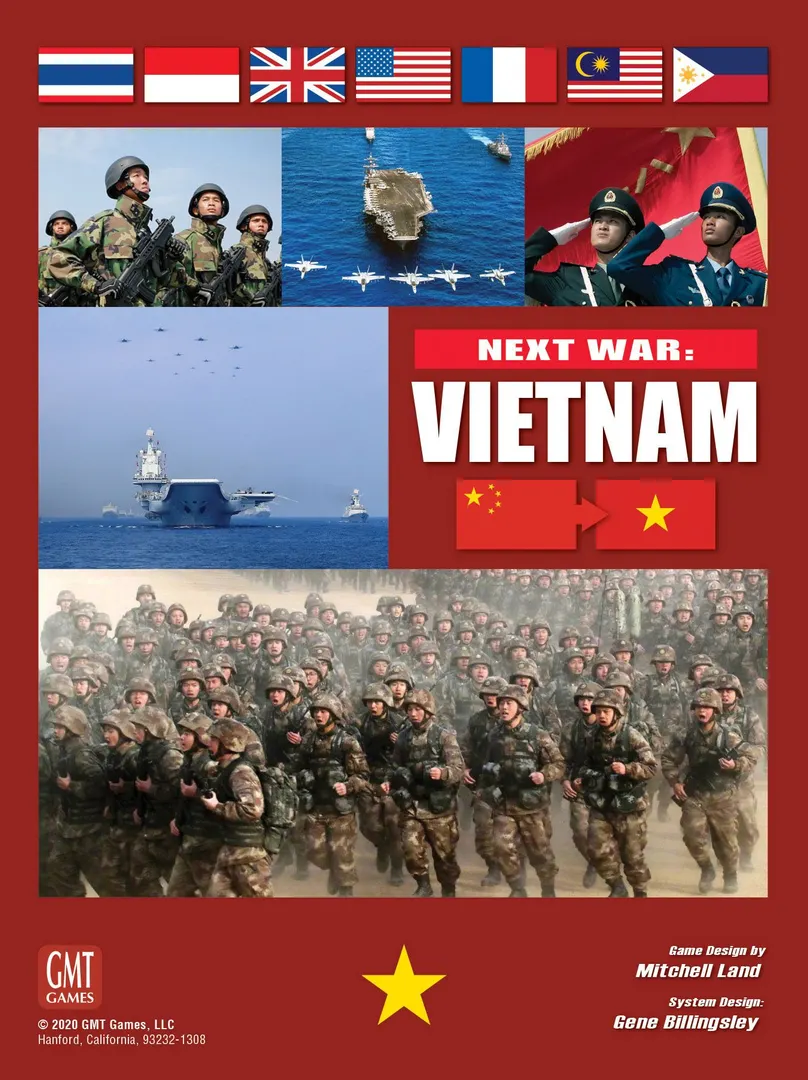
South China Sea (SCS) provides an integrated political-military simulation of near future contention and conflict around the South China Sea. Players take on the roles of China, the United States, Malaysia, the Philippines, and Vietnam. They simulate current political tensions through card play and structured negotiation keyed to real world events in an effort to "move the needle" to their side. Unfortunately, the cards with the greatest chance of moving that needle, such as Chinese Coast Guard and U.S. Freedom of Navigation Exercise, are also most likely to trigger armed conflict. If and when that happens, play transitions to traditional hex-and-counter format on a map scaled at 45 nautical miles (nmi) per hex and turns of 3-7 hours. SCS is derived from Breaking the Chains (BtC), but is definitely a different game. How do the two differ? SCS begins with political turns that can lead to victory without armed conflict. For armed conflict, SCS focuses more closely on the South China Sea (45 nmi per hex) rather than the larger southeast Asian region of BtC (70 nmi per hex) and uses smaller units such as air squadrons, ship pairs, and land battalions. Therefore, the SCS map shows more detail, but less territory. SCS employs streamlined versions of BtC's turn structure and strike mechanisms that expedite play by dispensing with numerous cycles and strike paths. SCS nodded to ergonomics by putting all scores on one side of each counter – less flipping. Most important, SCS allows naval units to move more than one hex in a single turn, but includes a mechanism, based on stealth, that enables the other side to "check" multi-hex moves to create a more dynamic, variable, and volatile environment. This last adjustment allows quick moves at a distance, but prevents close-in ships from "jumping" through the beaten zone of modern anti-ship cruise missiles (ASCM), 290 nmi in some cases. And, every turn has the option for a negotiations phase with some structure to enhance political play if desired.
South China Sea: Modern Naval Conflict in the South Pacific supports 2–3 players according to the catalogue. This range comes from the publisher’s listed player count, so the game can be set up for any group size within it. Some setups, rules and scoring details may still vary by player count, so check your edition’s rulebook for the exact configuration.
The listed playing time for South China Sea: Modern Naval Conflict in the South Pacific is 120–240 minutes. This is the publisher’s estimate for a full game. The actual duration depends on the group, the player count and familiarity with the rules: first sessions usually run longer, while experienced groups often finish faster. Setup and teaching time are not included in this estimate.
The catalogue lists South China Sea: Modern Naval Conflict in the South Pacific for ages 11 and up. This is the publisher’s recommendation and reflects reading demands, rule complexity and small components rather than theme alone. Younger players can often join with help from an adult, so check the age guidance on your edition and consider your group’s experience with board games.
South China Sea: Modern Naval Conflict in the South Pacific has a complexity rating of 2.9 out of 5 from BoardGameGeek players, which makes it a medium-light game. The rating reflects how much rules knowledge, planning and decision-making a typical game demands. Expect a longer first teach for heavier games, and use a preparation guide before game night.
South China Sea: Modern Naval Conflict in the South Pacific belongs to these categories: Wargame, Nautical, and Political. Its main mechanics are Dice Rolling, Hexagon Grid, and Simulation. Categories describe the theme and setting of a game, while mechanics describe what players actually do on their turns. Each mechanic links to a catalogue hub with similar games, which helps when you want something comparable.
The credited designers of South China Sea: Modern Naval Conflict in the South Pacific are: John Gorkowski. These credits come from the published game data and name the people responsible for the game’s design, not its illustrators or publishers. Designer pages on MeepleRules collect other titles by the same designers, which helps when you enjoy a game and want to find similar ones.
The catalogue lists South China Sea: Modern Naval Conflict in the South Pacific as a base game. It can be played on its own with the components in the box and does not require any other title. Expansions, if any exist, add new content or rules on top of it and are listed separately in the catalogue with a link back to this base game.