
- BGG rating
- 8.0
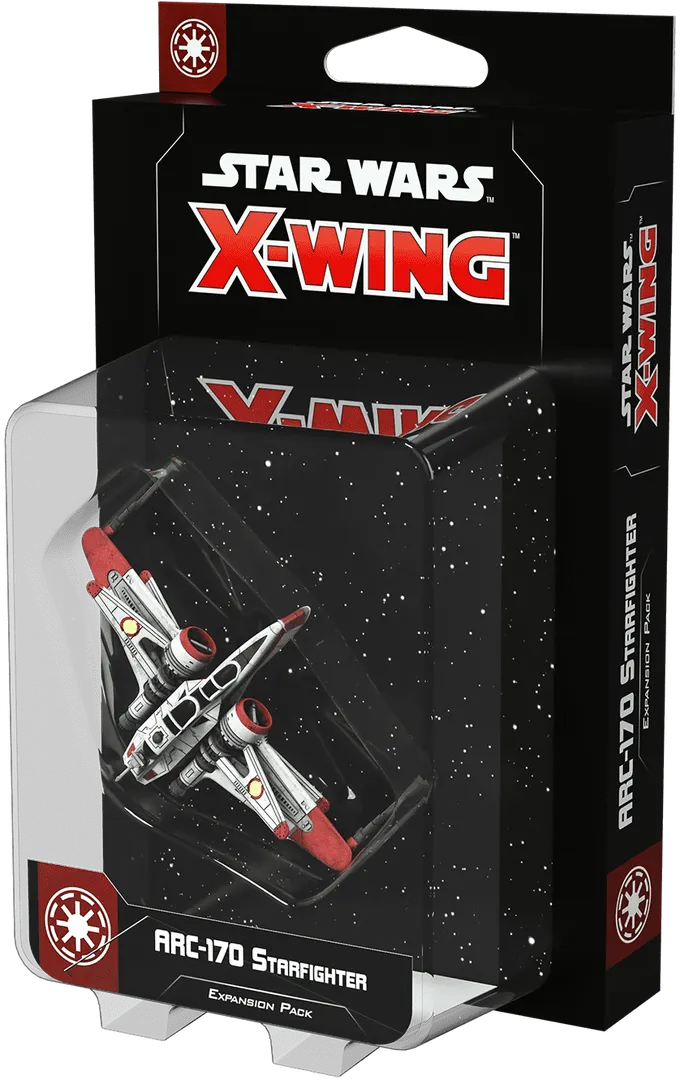
Star Wars: X-Wing (Second Edition) – ARC-170 Starfighter Expansion Pack
- 2 players
- 30–45 min
- 2018
2018
Rules assistance for Star Wars: X-Wing (Second Edition)
Plain-language explanations of turns, card effects and disputed situations, with official source references and saved question history.
For 2 players
What would you like to know?
Answers come from the official rulebook, with the page to check.
Star Wars: X-Wing (Second Edition) is a board game released in 2018 for 2 players, 30–45 minutes per game, and ages 14 and up. It was designed by Jay Little, Frank Brooks, and Max Brooke and its main mechanics are Variable Player Powers, Player Elimination, and Dice Rolling.
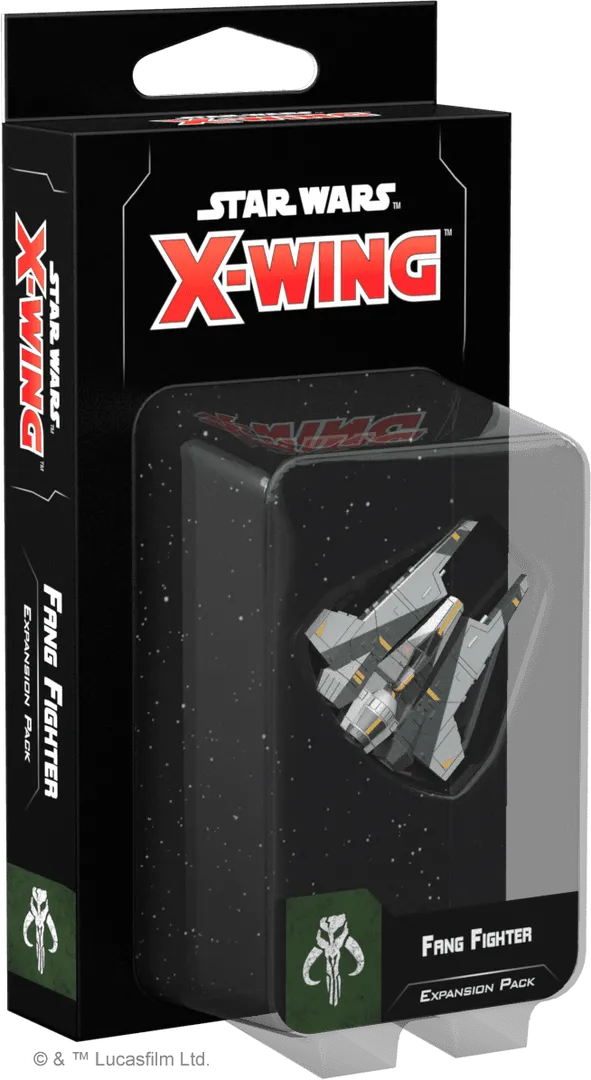
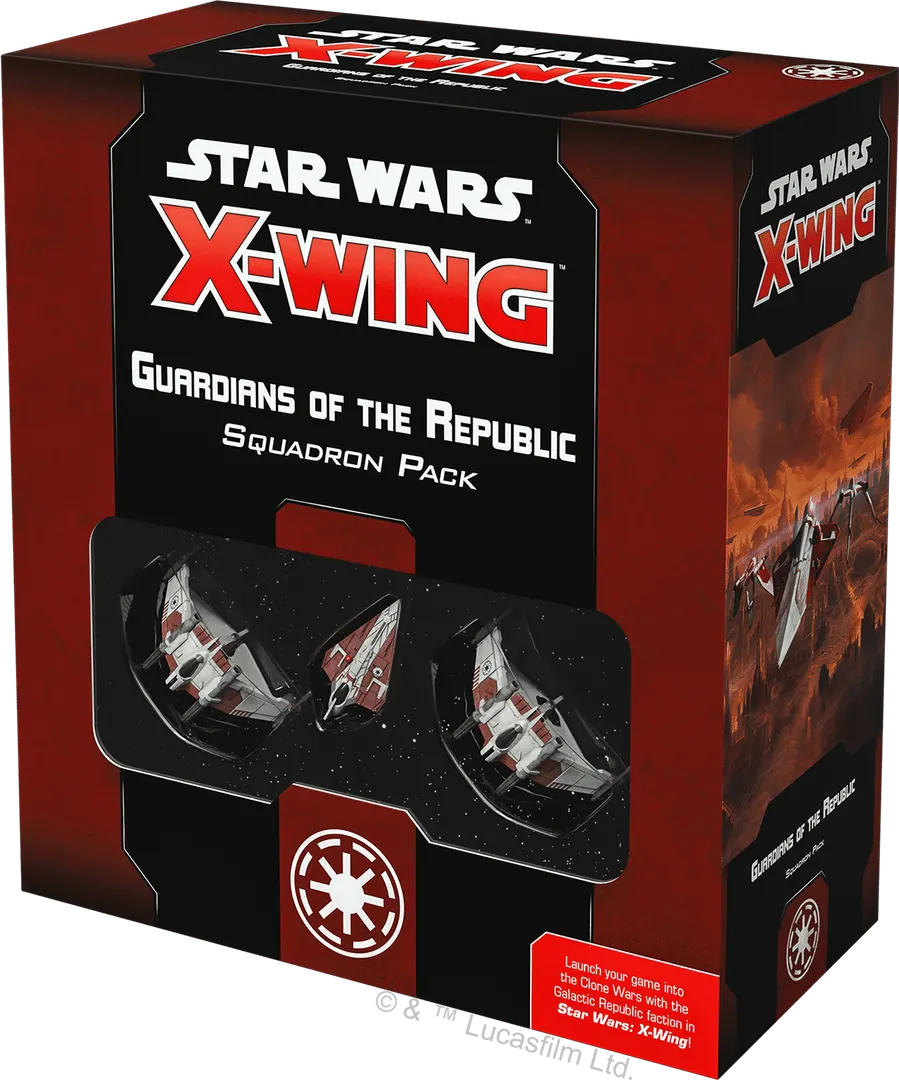
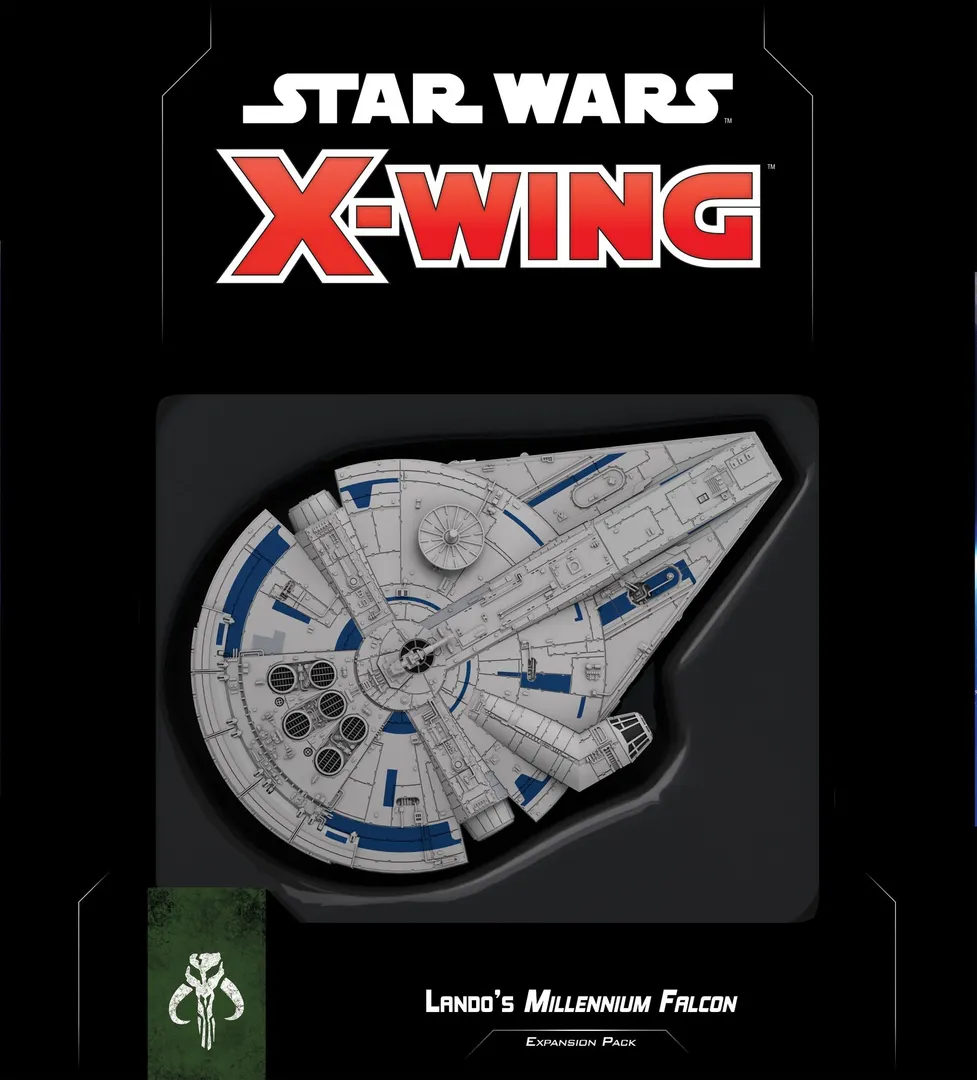
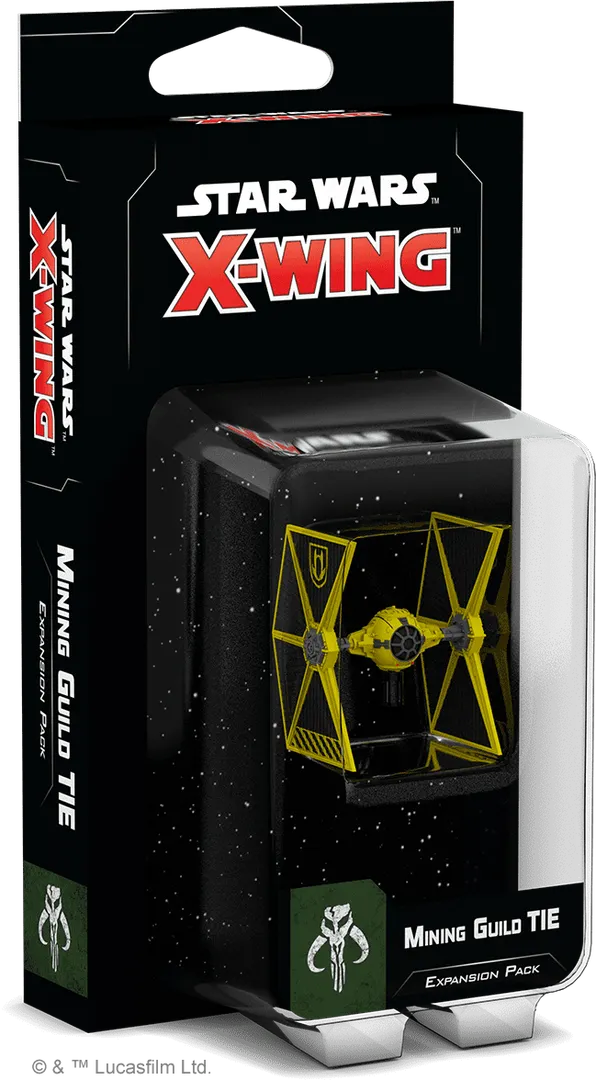
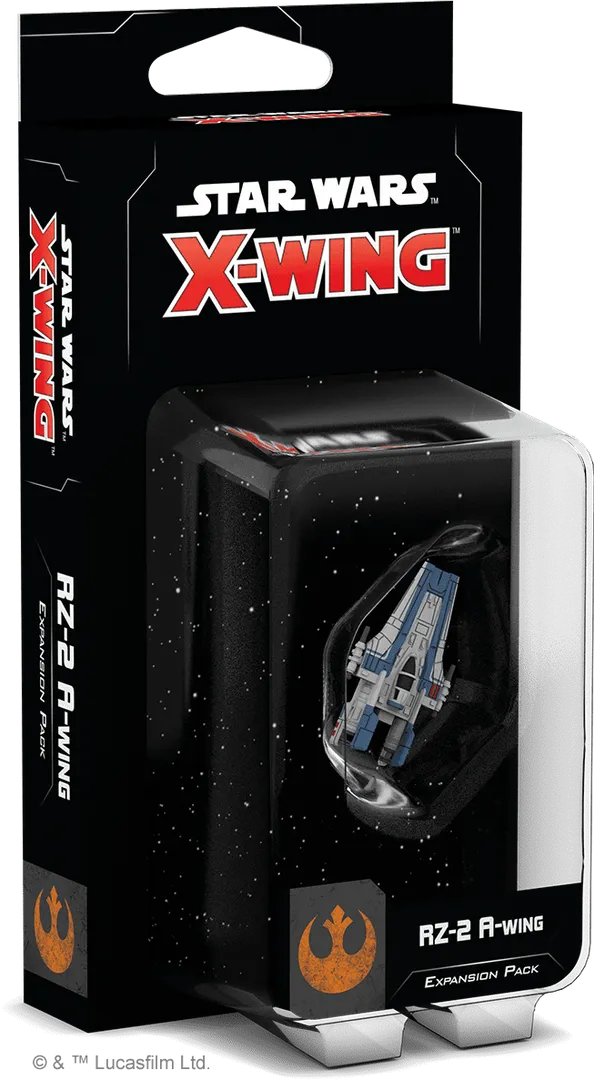
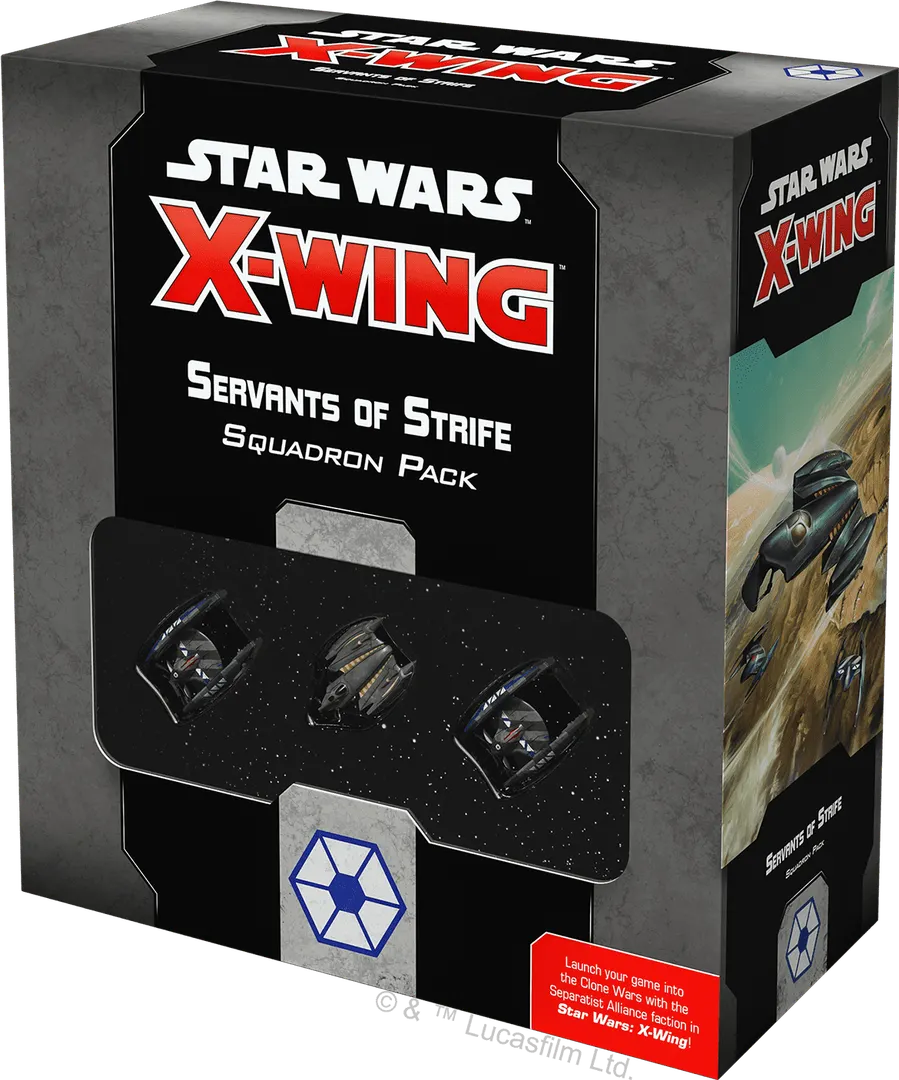
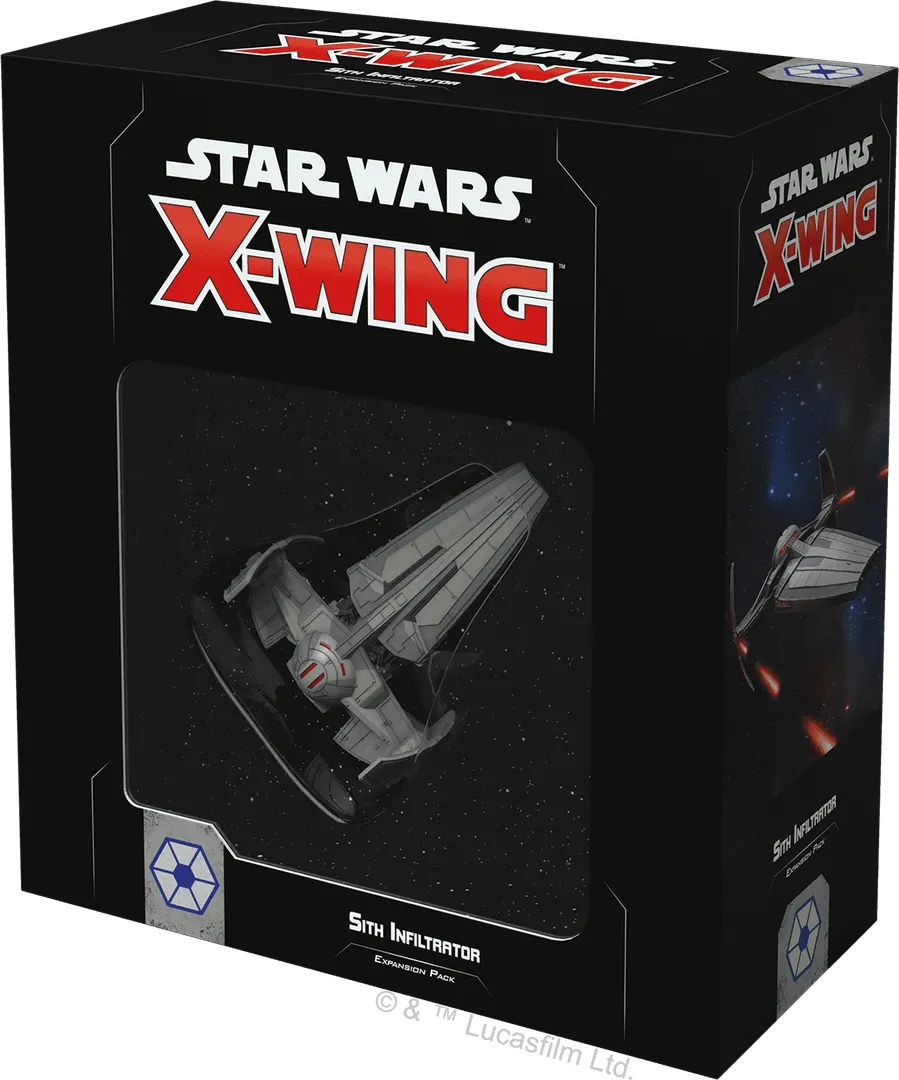
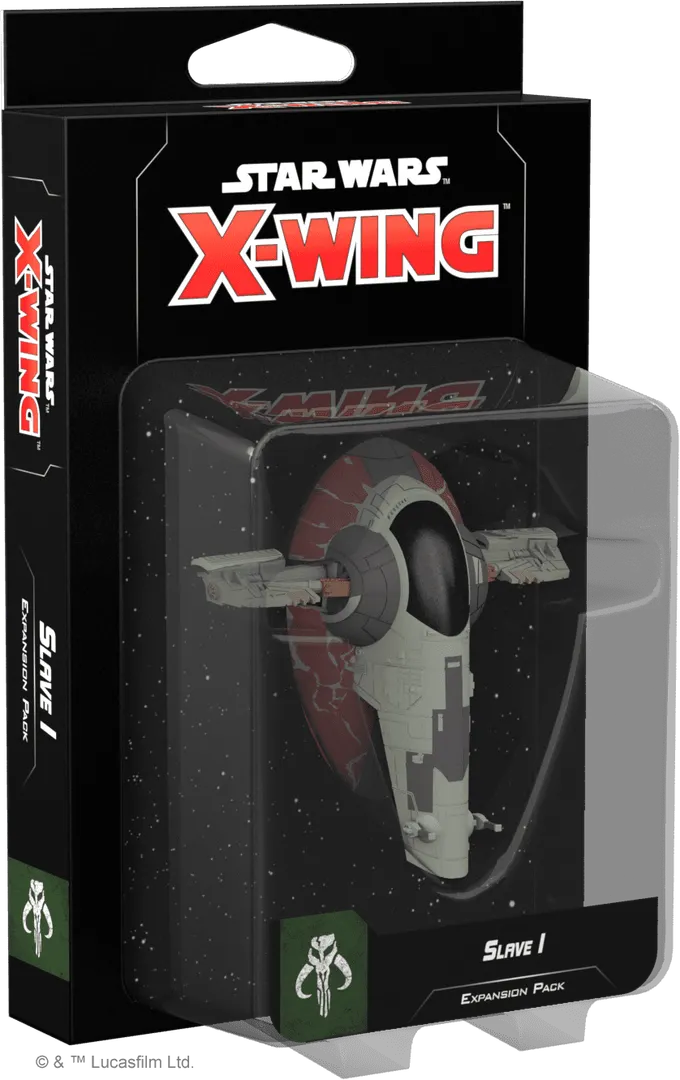
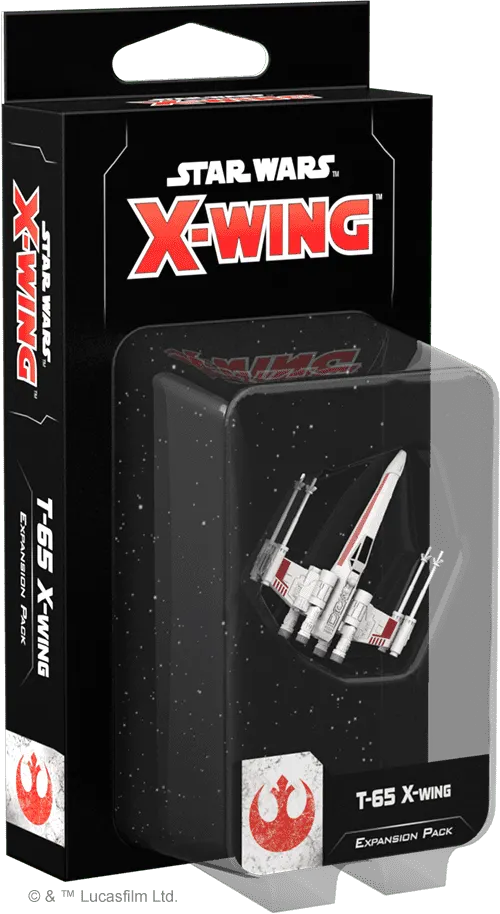
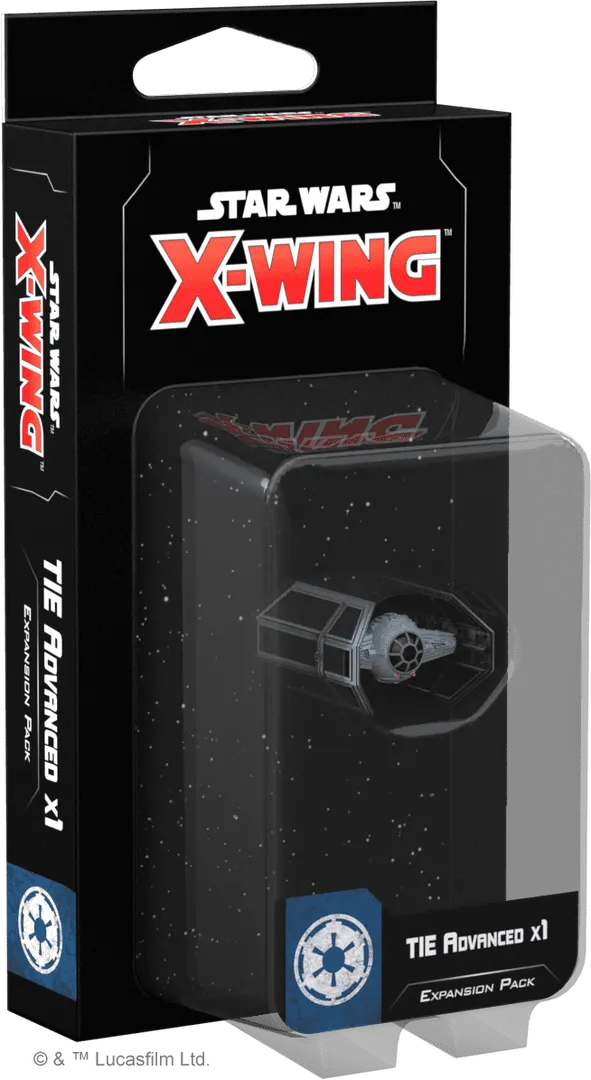
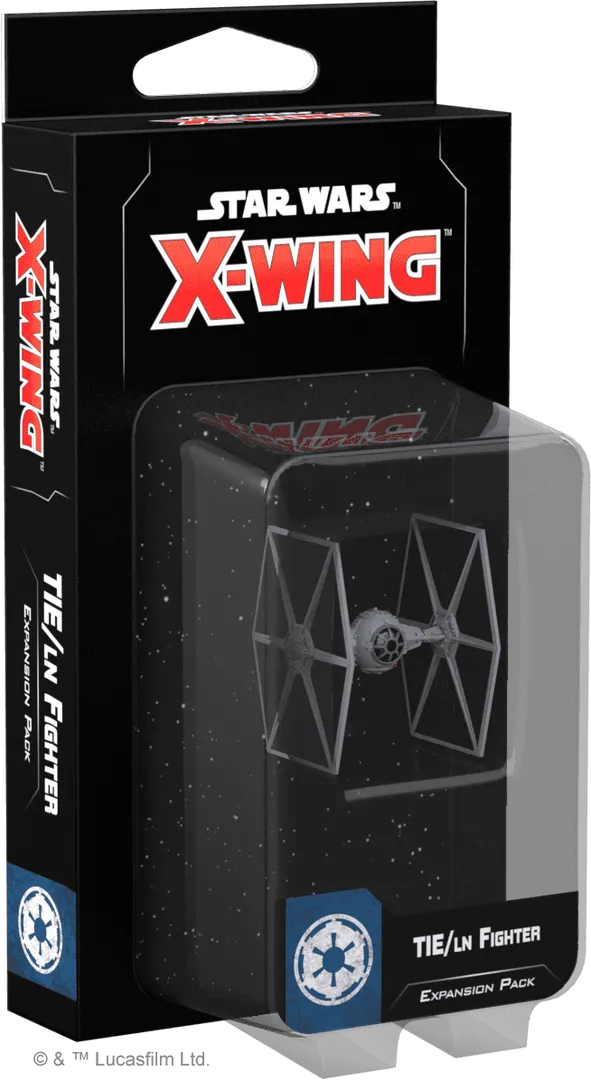
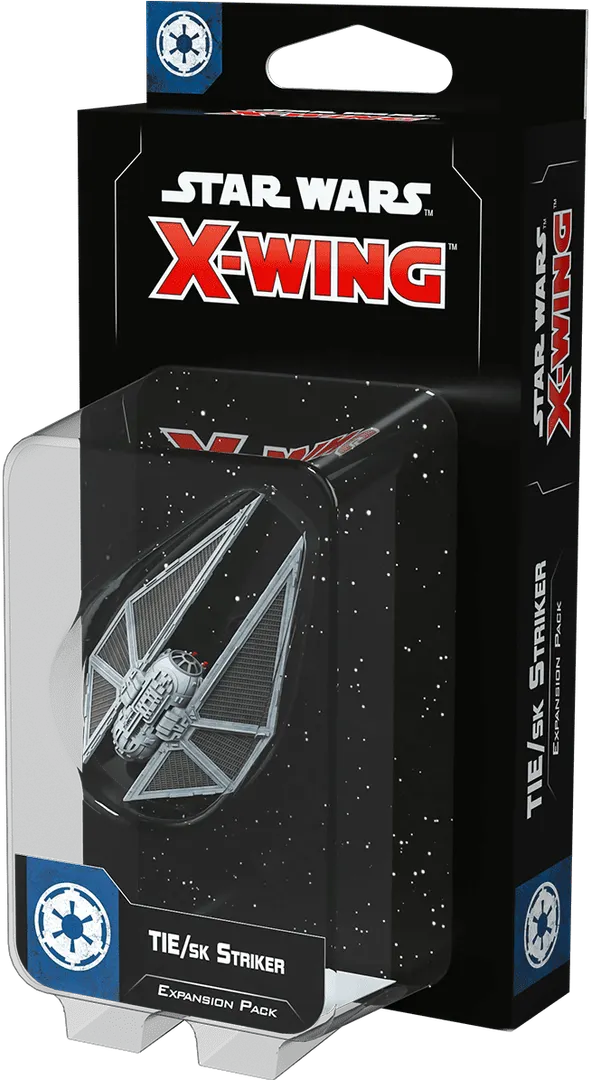
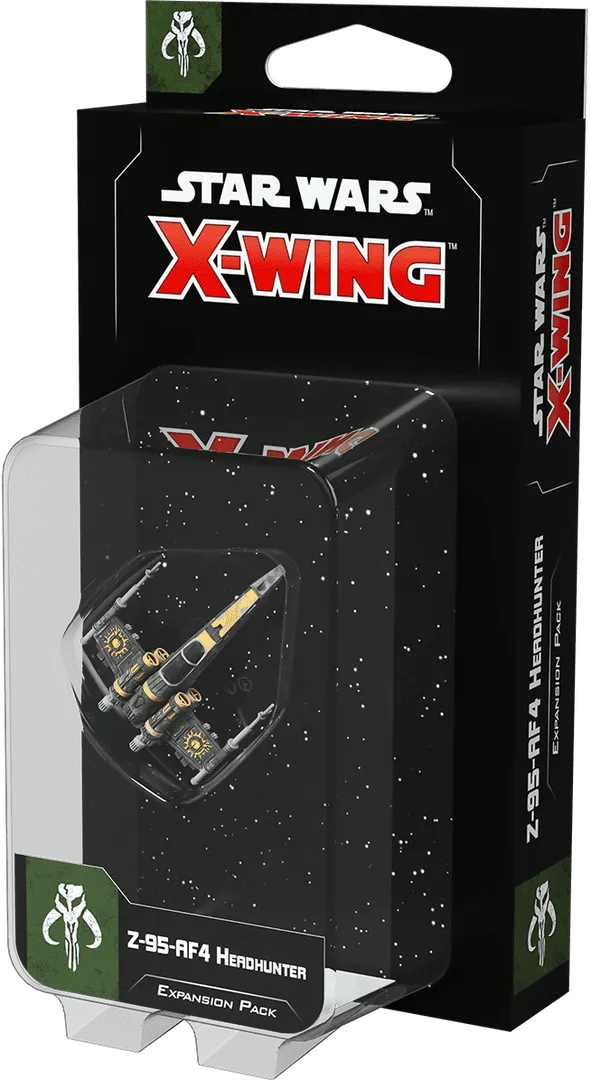
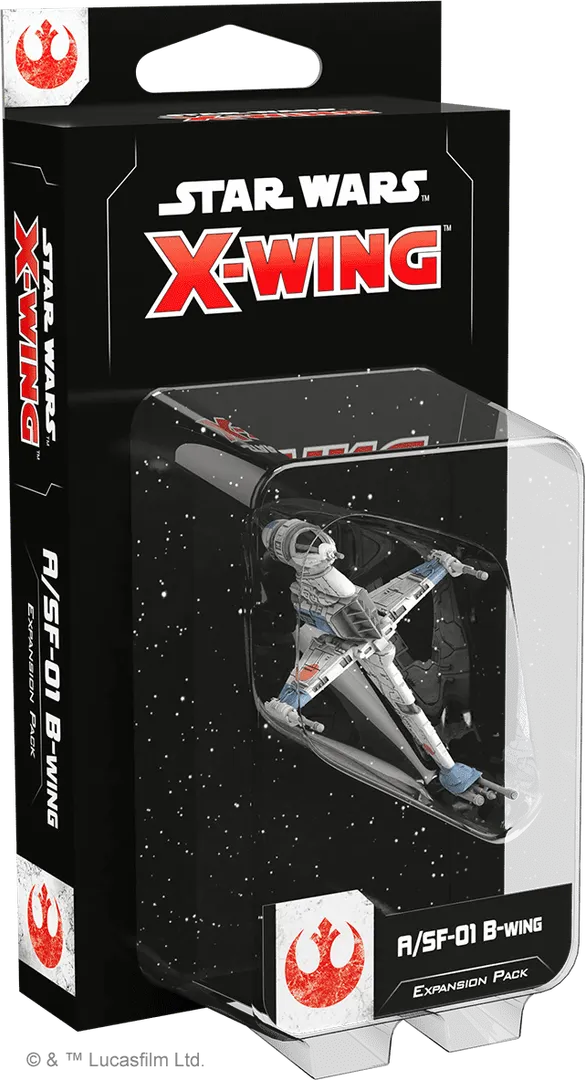
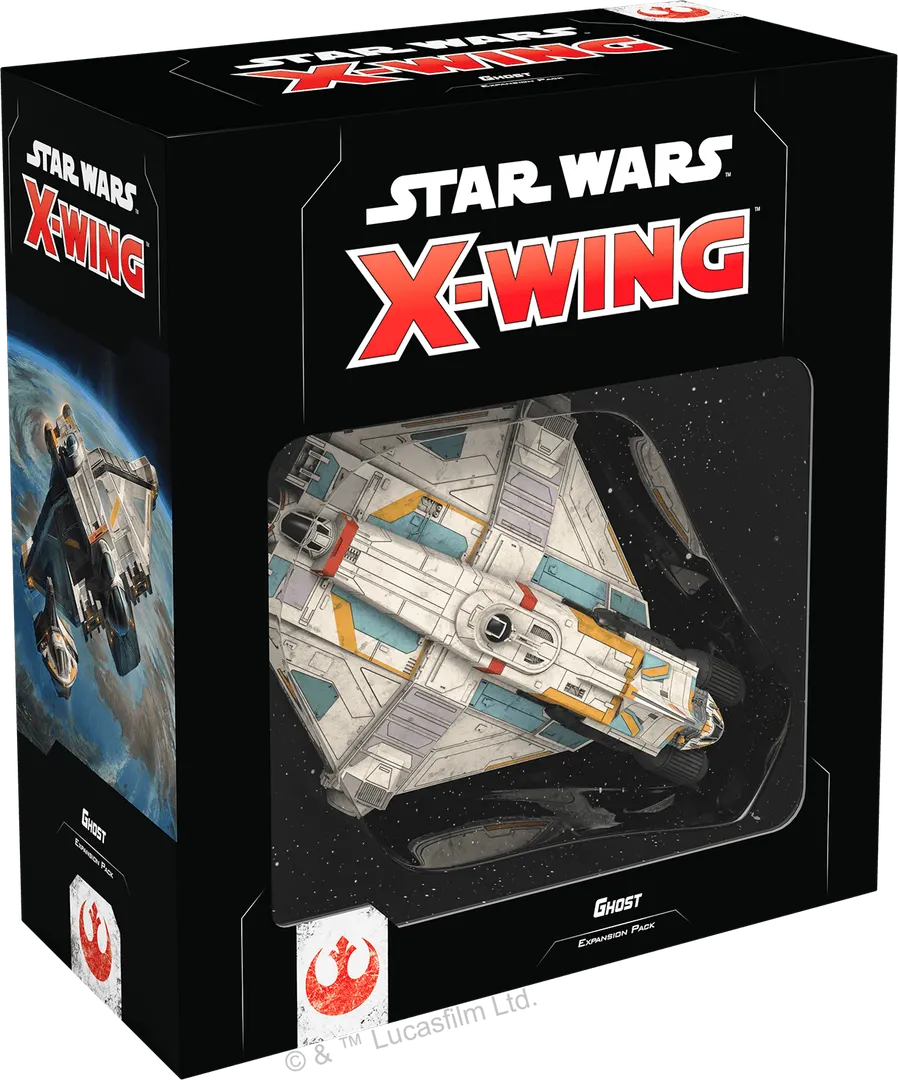
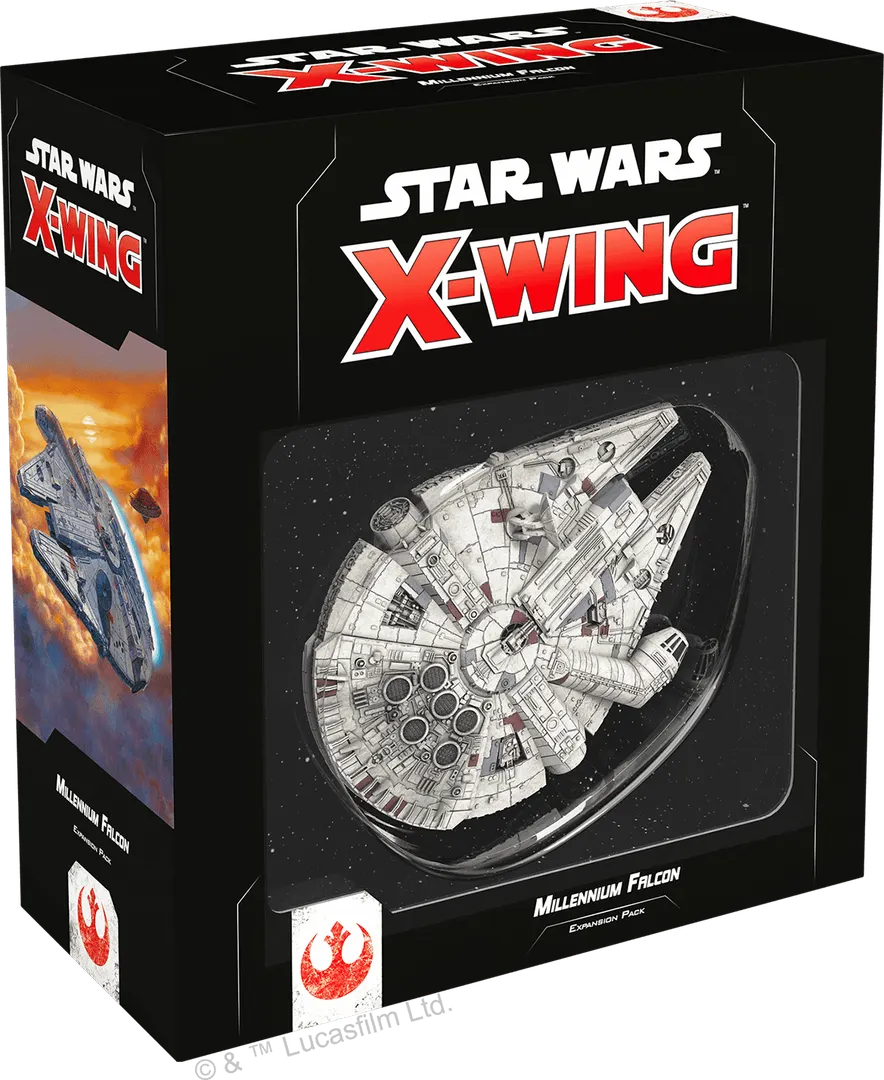
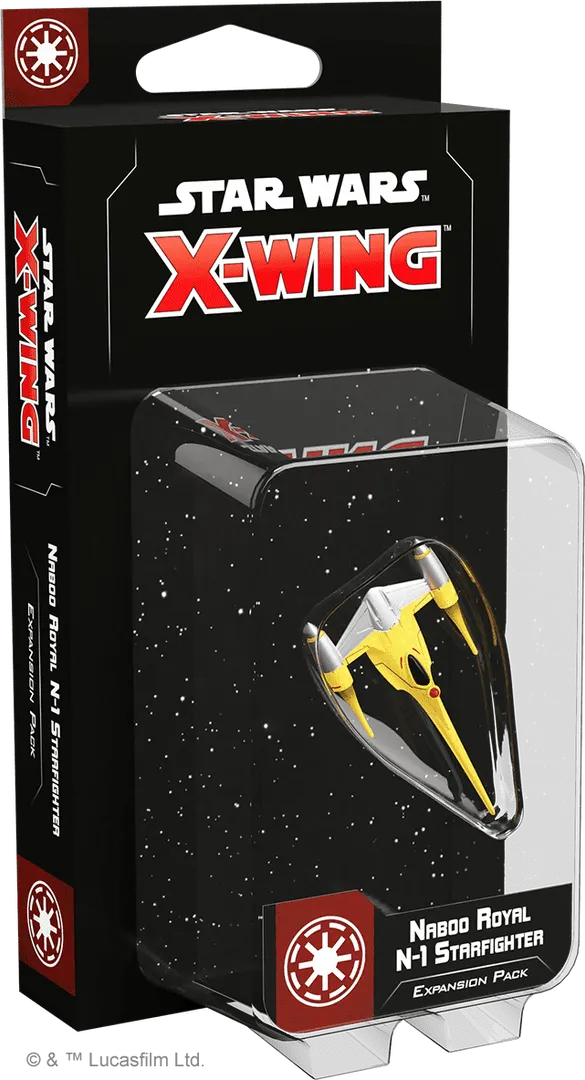
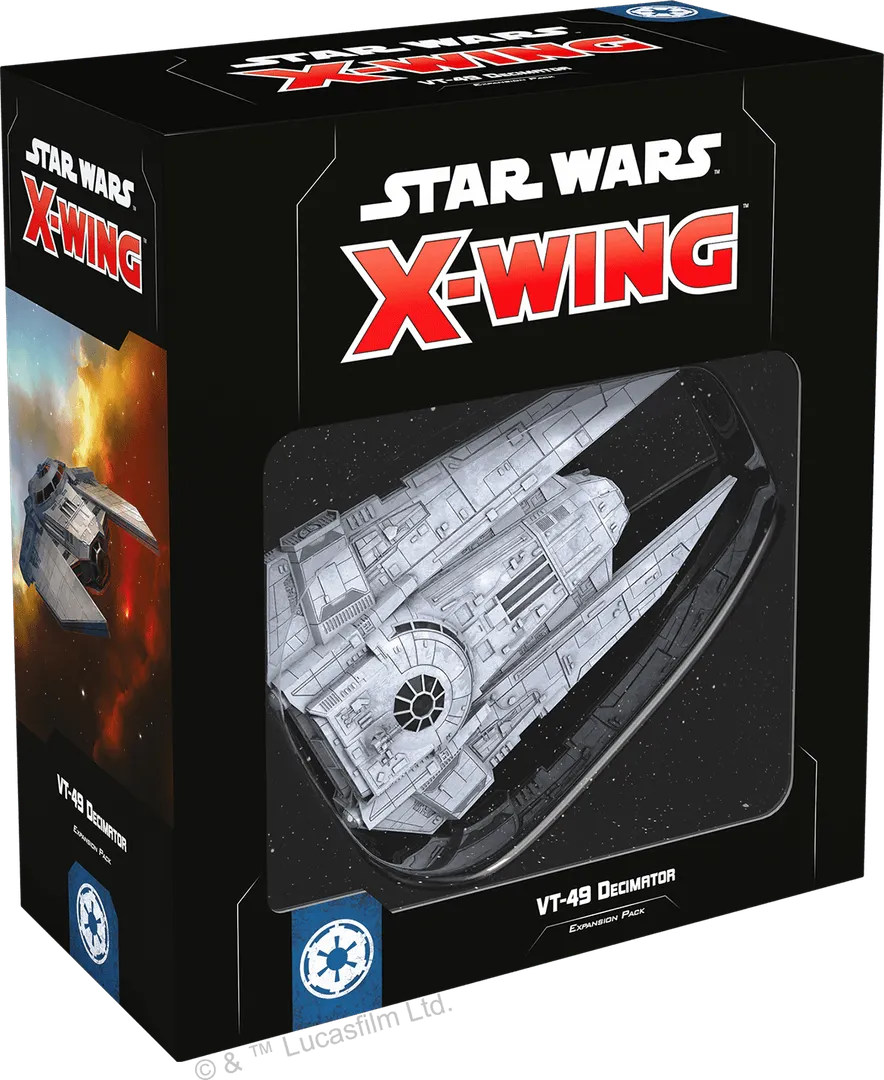
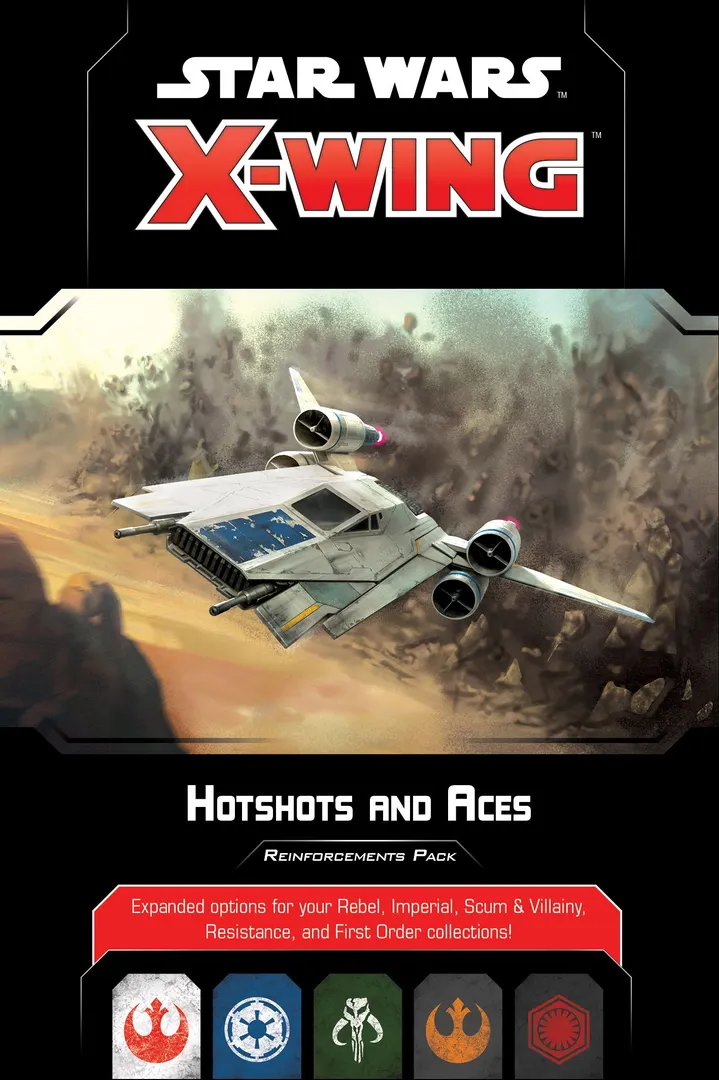
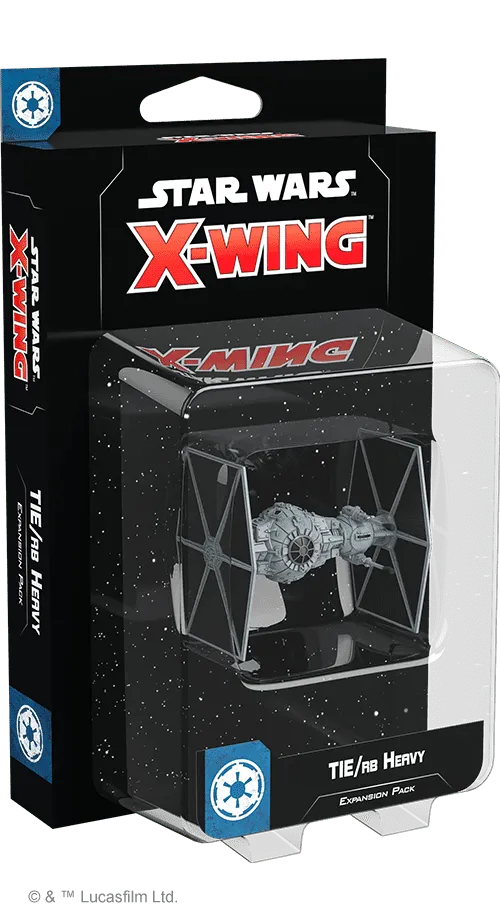
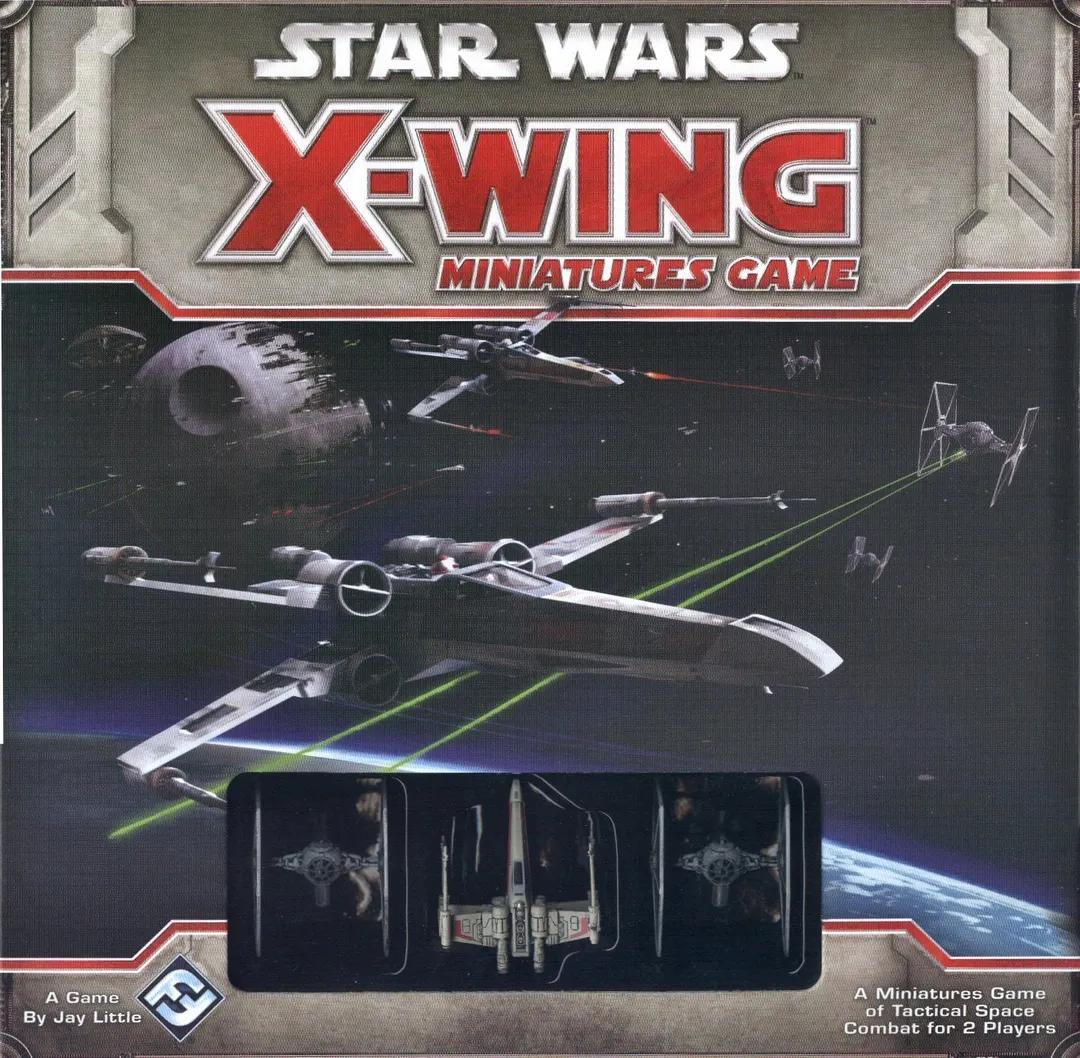
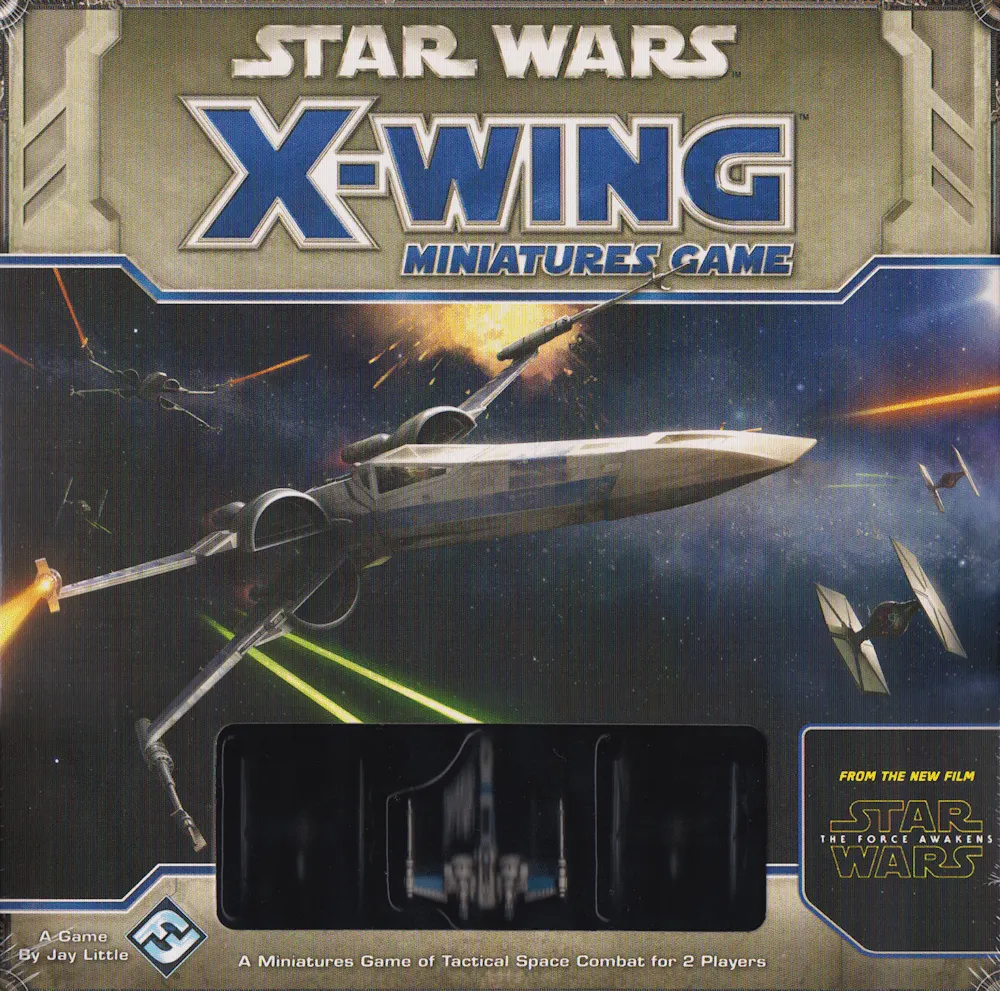


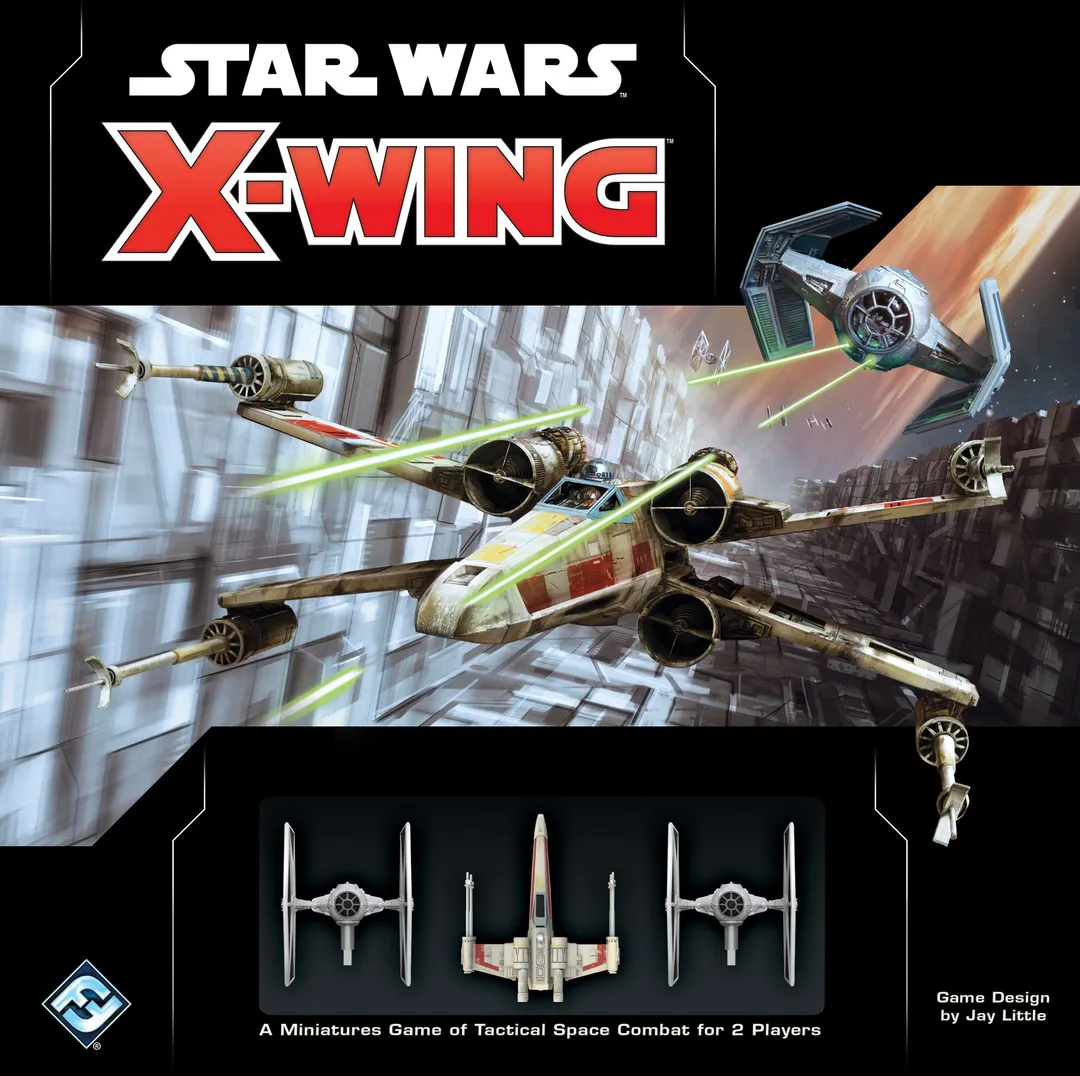
X-Wing Second Edition puts you in command of your own squadron of advanced starfighters locked in thrilling, tactical space combat. Following in the footsteps of the first edition, the second edition refines the intuitive and exciting core formula of maneuvering your ships into position by placing a central focus on the visceral thrill of flying starships in the Star Wars galaxy. During a battle, you’ll use your squadron’s unique capabilities to give yourself an advantage in the thick of combat. Each X-Wing ship flies differently, with its own set of maneuvers ranging from gentle banks to aggressive Koiogran turns. As in the game’s first edition, you’ll need to use every ship’s maneuvering capabilities to the fullest in order to strategically position your ships. A round begins with players secretly selecting a maneuver on each of their ships’ unique maneuver dials. Once you’ve decided how each of your ships is going to fly, you’ll begin revealing the dials and moving your ships, starting with the lowest skilled pilots. As you move, you’ll enter a tense duel with your opponent as you both try to line up the perfect shot. Before you can open fire on an opponent’s ship, however, they must be in your firing arc and within range. By carefully selecting your maneuvers, you can get enemy ships in your sights, and once you’ve locked onto your target, you’re free to choose your plan of attack. You might pepper the enemy with blaster fire to whittle away their shields. Or, you could go for massive damage and launch a devastating volley of proton torpedoes. No matter how you approach the battle, you have complete control of your squadron. One player wins when all of their opponent’s ships are destroyed! Slick flying is certainly important, but it isn’t the only consideration you’ll have to make in the midst of a dogfight. As in the first edition of X-Wing, once your ships have completed a maneuver, you can also perform an action to gain the upper hand. Whether you choose to acquire a target lock on a rival ship or barrel roll out of an enemy’s firing arc, the actions you take affect the course of the battle and determine the fate of your squadron. Now, in the second edition of the game, your actions offer greater strategic depth than ever before. Some actions are red and induce stress when they are used. Other actions may be linked, allowing you to chain two actions together and push the limits of how your ship can handle in a dogfight! —description from the publisher
Star Wars: X-Wing (Second Edition) supports 2 players according to the catalogue. This is the publisher’s listed player count, so the game is designed for exactly that number of participants. Variants for other group sizes, if any, are described in the rulebook of your edition, so check it before setting up a different configuration.
The listed playing time for Star Wars: X-Wing (Second Edition) is 30–45 minutes. This is the publisher’s estimate for a full game. The actual duration depends on the group, the player count and familiarity with the rules: first sessions usually run longer, while experienced groups often finish faster. Setup and teaching time are not included in this estimate.
The catalogue lists Star Wars: X-Wing (Second Edition) for ages 14 and up. This is the publisher’s recommendation and reflects reading demands, rule complexity and small components rather than theme alone. Younger players can often join with help from an adult, so check the age guidance on your edition and consider your group’s experience with board games.
Star Wars: X-Wing (Second Edition) has a complexity rating of 3.1 out of 5 from BoardGameGeek players, which makes it a medium-weight game. The rating reflects how much rules knowledge, planning and decision-making a typical game demands. Expect a longer first teach for heavier games, and use a preparation guide before game night.
Star Wars: X-Wing (Second Edition) belongs to these categories: Wargame, Movies / TV / Radio theme, and Bluffing. Its main mechanics are Variable Player Powers, Player Elimination, and Dice Rolling. Categories describe the theme and setting of a game, while mechanics describe what players actually do on their turns. Each mechanic links to a catalogue hub with similar games, which helps when you want something comparable.
The credited designers of Star Wars: X-Wing (Second Edition) are: Jay Little, Frank Brooks, and Max Brooke. These credits come from the published game data and name the people responsible for the game’s design, not its illustrators or publishers. Designer pages on MeepleRules collect other titles by the same designers, which helps when you enjoy a game and want to find similar ones.
The catalogue lists Star Wars: X-Wing (Second Edition) as a base game. It can be played on its own with the components in the box and does not require any other title. Expansions, if any exist, add new content or rules on top of it and are listed separately in the catalogue with a link back to this base game.