

- BGG rank
- BGG #8,759
- BGG rating
- 6.1
Avignon: A Clash of Popes
- 2 players
- 10–20 min
- Complexity 1.5/5
- 2016
2024
Rules assistance for Striking Flint
Plain-language explanations of turns, card effects and disputed situations, with official source references and saved question history.
What would you like to know?
Answers come from the official rulebook, with the page to check.
Striking Flint is a board game released in 2024 for 1–5 players. It was designed by John du Bois and its main mechanics are Variable Player Powers, Variable Set-up, and Cooperative Game.
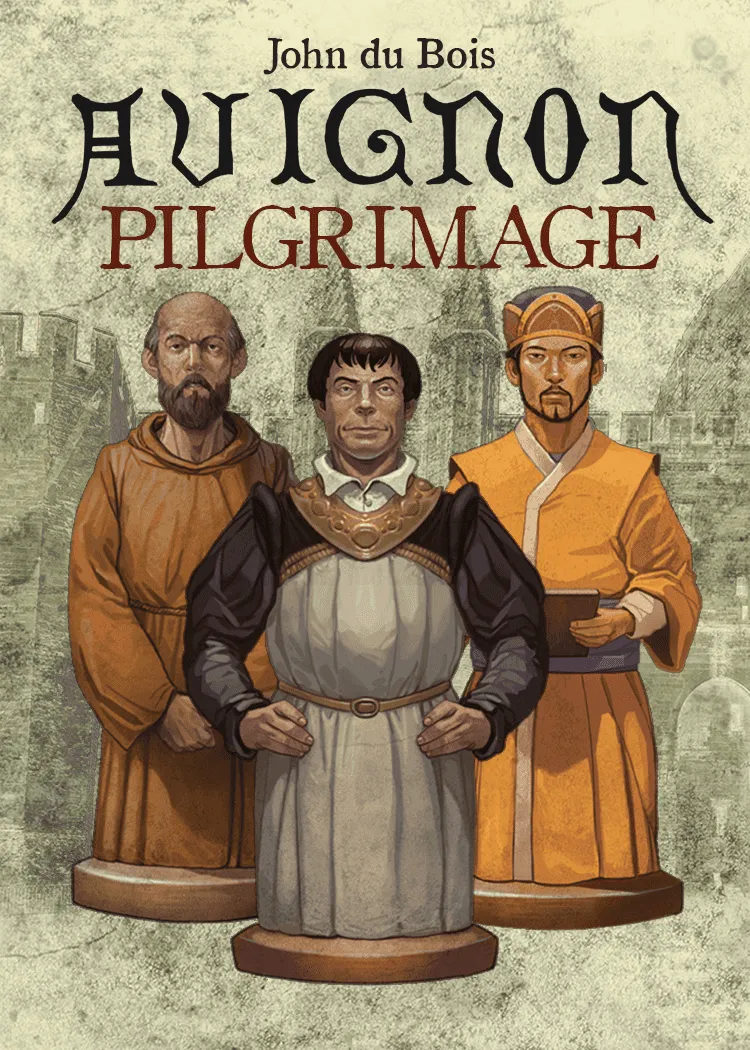





Striking Flint is a co-operative game that recreates the 1937 United Auto Workers (UAW) strike in Flint, Michigan. John du Bois ... recreates a pivotal episode in American Labor History in Striking Flint. The 1937 sit-down strike in Flint, Michigan forced General Motors to address the abysmal working and living conditions of their employees, and to recognize the newly-formed United Auto Workers union. In this cooperative game, players control five committees each with their own advantages, disadvantages, and prerogatives. GM has considerable resources at their disposal, including city authorities, deep pockets, hired thugs, and the sympathies of the press. To force them to make concessions, you’ll need to work together to weather the forces arrayed against you – fending off attempts at eviction, the effects of exhaustion, and the presence of strikebreakers – while occupying factories in the plant complex. Here, the game cleverly subverts the worker placement paradigm: by placing workers, you do not cause actions to take place, but prevent them. With a deck of events each based on a real headline from contemporary reporting, this game for one to five players is both a compelling co-op gaming experience and a meditation on protest and solidarity – themes that are more resonant and important today than they were nearly eighty years ago. – from the publisher
Striking Flint supports 1–5 players according to the catalogue. This range comes from the publisher’s listed player count, so the game can be set up for any group size within it. Some setups, rules and scoring details may still vary by player count, so check your edition’s rulebook for the exact configuration.
Striking Flint has a complexity rating of 2.0 out of 5 from BoardGameGeek players, which makes it a medium-light game. The rating reflects how much rules knowledge, planning and decision-making a typical game demands. Expect a longer first teach for heavier games, and use a preparation guide before game night.
Striking Flint belongs to these categories: Political. Its main mechanics are Variable Player Powers, Variable Set-up, and Cooperative Game. Categories describe the theme and setting of a game, while mechanics describe what players actually do on their turns. Each mechanic links to a catalogue hub with similar games, which helps when you want something comparable.
The credited designers of Striking Flint are: John du Bois. These credits come from the published game data and name the people responsible for the game’s design, not its illustrators or publishers. Designer pages on MeepleRules collect other titles by the same designers, which helps when you enjoy a game and want to find similar ones.
The catalogue lists Striking Flint as a base game. It can be played on its own with the components in the box and does not require any other title. Expansions, if any exist, add new content or rules on top of it and are listed separately in the catalogue with a link back to this base game.