
- BGG rank
- BGG #9,223
- BGG rating
- 6.3
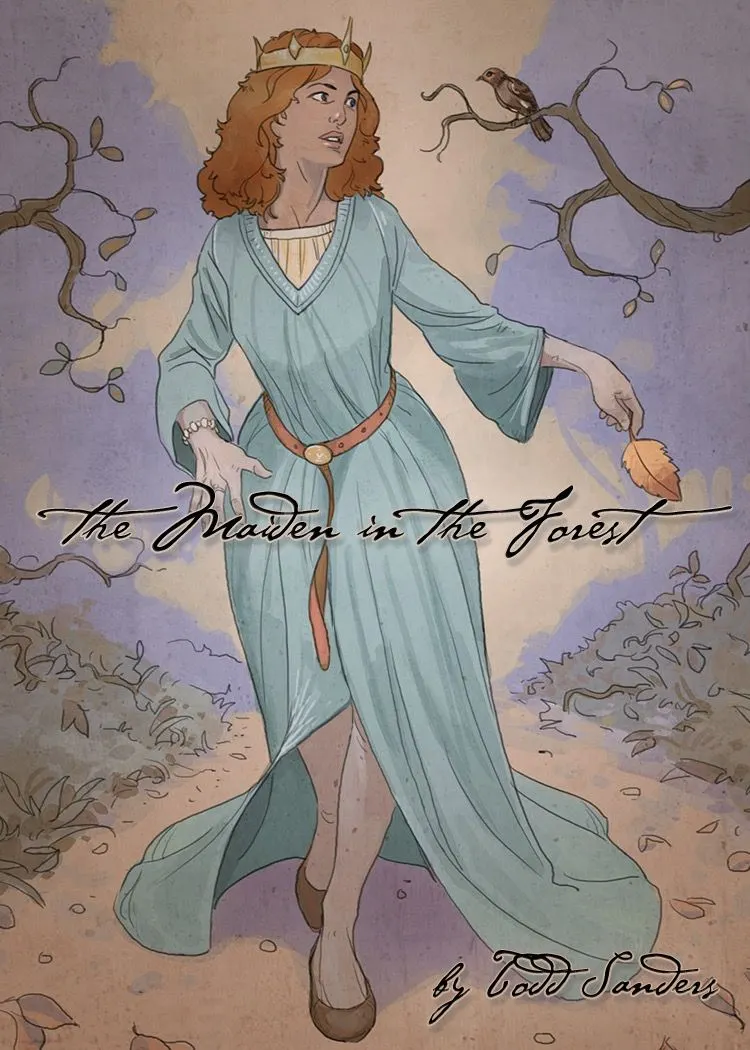
The Maiden in the Forest
- 1 player
- 15 min
- Complexity 1.7/5
- 2015
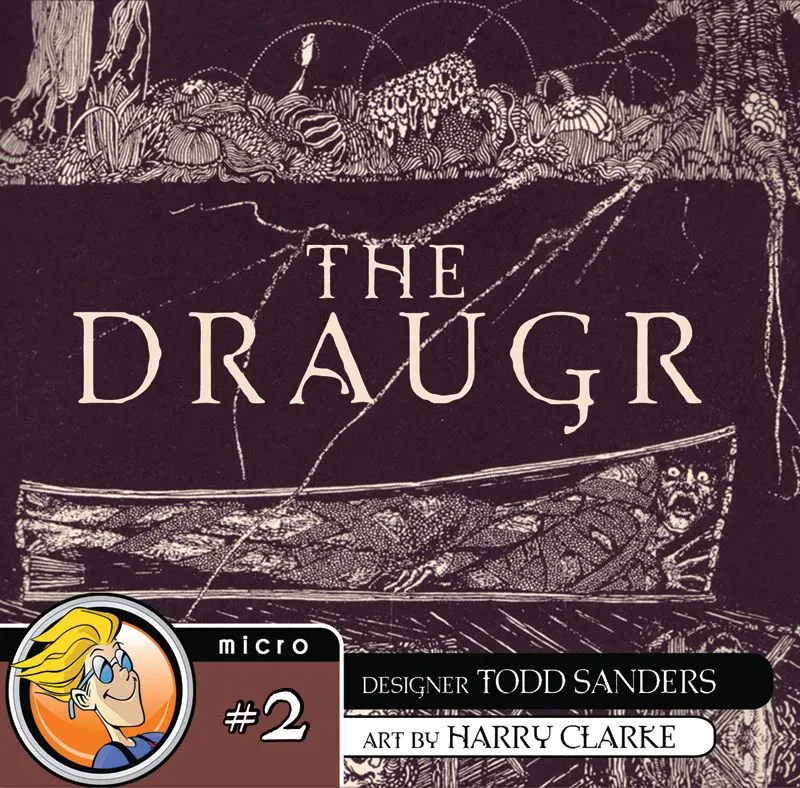
2014
Rules assistance for The Draugr
Plain-language explanations of turns, card effects and disputed situations, with official source references and saved question history.
For 1 player
What would you like to know?
Answers come from the official rulebook, with the page to check.
The Draugr is a board game released in 2014 for 1 player, 20 minutes per game, and ages 10 and up. It was designed by Todd Sanders and its main mechanics are Dice Rolling, Area Majority / Influence, and Modular Board.

The Draugr, reanimated dead imbued with magical powers, have come to the region of Trøndelag seeking to corrupt the town of Stjørdal. Only you, a lone revenant hunter, can protect the town and slay they who walk again. Armed with limited supply of holy water and iron spikes you enter the town square and prepare for the coming onslaught. The Draugr is a solitaire game playing in about 20 minutes. To Win: You must slay 4 of the 6 Draugr. To Lose: If at anytime during Phase 1 all 7 Townspeople, or more than 7 of the cards (a combination of Townspeople and Locations) are corrupted you lose. Playing the Game: The game is played in rounds consisting of two phases: Corruption and Hunt. Phase 1 - Corruption Roll the six-sided die once to see which Draugr will hold sway over Stjørdal for the round and will corrupt Locations and Townspeople in the row they are adjacent to, matching the die face to the image on a Draugr Card. Roll the die a second time and look at the symbol in the upper left corner of the die. Place a Corruption Marker on each card in that Draugr’s row with the matching Corruption Sigil. (See the section on the Shepherdess for protection from this rule.) If a Townsperson card has been turned over you do not need to place additional Corruption Markers on the card. Phase 2 - The Hunt You must now move your player marker up to two adjacent cards in distance (The Nunnery and Foundry are the only two cards to supersede this rule). All movement is orthogonal (horizontally and vertically). Once you have finished moving you may choose a Special Action of that Townsperson or Location. Some cards have only 1 Special Action, some allow for a choice between 2 Special Actions. You do not have to choose a Special Action if you do not wish to. If you land on a Townsperson card that has been turned over, no Special Action can be chosen. If a Special Action allows you to place Holy Water or Iron Markers on a Draugr, take one from your supply on the Town Square card and place it on a Draugr of your choice. If you match the number of markers as indicated in the upper left of the Draugr card, that Draugr is slain and removed from the game. Return all Holy Water and Iron Markers on that Draugr to your supply. Once a Draugr is slain and their card removed, slide one of the adjacent Draugr cards up or down so that is partially spans either 2 rows (or if 2 Draugr have been slain, 3 rows). The Draugr now holds sway over 10 (or 15) cards for rolls during the Corruption Phase. If you slay all 3 Draugr on one side, no further Draugr are moved to replace those slain. Game End: If you are able to slay 4 of the 6 Draugr you are successful and the other Draugr are forced to flee. If at anytime during Phase 1 all the Townspeople, or more than 7 of the cards (a combination of Townspeople and Locations) are corrupted you lose.
The Draugr supports 1 player according to the catalogue. This is the publisher’s listed player count, so the game is designed for exactly that number of participants. Variants for other group sizes, if any, are described in the rulebook of your edition, so check it before setting up a different configuration.
The listed playing time for The Draugr is 20 minutes. This is the publisher’s estimate for a full game. The actual duration depends on the group, the player count and familiarity with the rules: first sessions usually run longer, while experienced groups often finish faster. Setup and teaching time are not included in this estimate.
The catalogue lists The Draugr for ages 10 and up. This is the publisher’s recommendation and reflects reading demands, rule complexity and small components rather than theme alone. Younger players can often join with help from an adult, so check the age guidance on your edition and consider your group’s experience with board games.
The Draugr has a complexity rating of 1.7 out of 5 from BoardGameGeek players, which makes it a light game. The rating reflects how much rules knowledge, planning and decision-making a typical game demands. Expect a longer first teach for heavier games, and use a preparation guide before game night.
The Draugr belongs to these categories: Card Game, Print & Play, and Dice. Its main mechanics are Dice Rolling, Area Majority / Influence, and Modular Board. Categories describe the theme and setting of a game, while mechanics describe what players actually do on their turns. Each mechanic links to a catalogue hub with similar games, which helps when you want something comparable.
The credited designers of The Draugr are: Todd Sanders. These credits come from the published game data and name the people responsible for the game’s design, not its illustrators or publishers. Designer pages on MeepleRules collect other titles by the same designers, which helps when you enjoy a game and want to find similar ones.
The catalogue lists The Draugr as a base game. It can be played on its own with the components in the box and does not require any other title. Expansions, if any exist, add new content or rules on top of it and are listed separately in the catalogue with a link back to this base game.