
- BGG rank
- BGG #10,933
- BGG rating
- 7.3
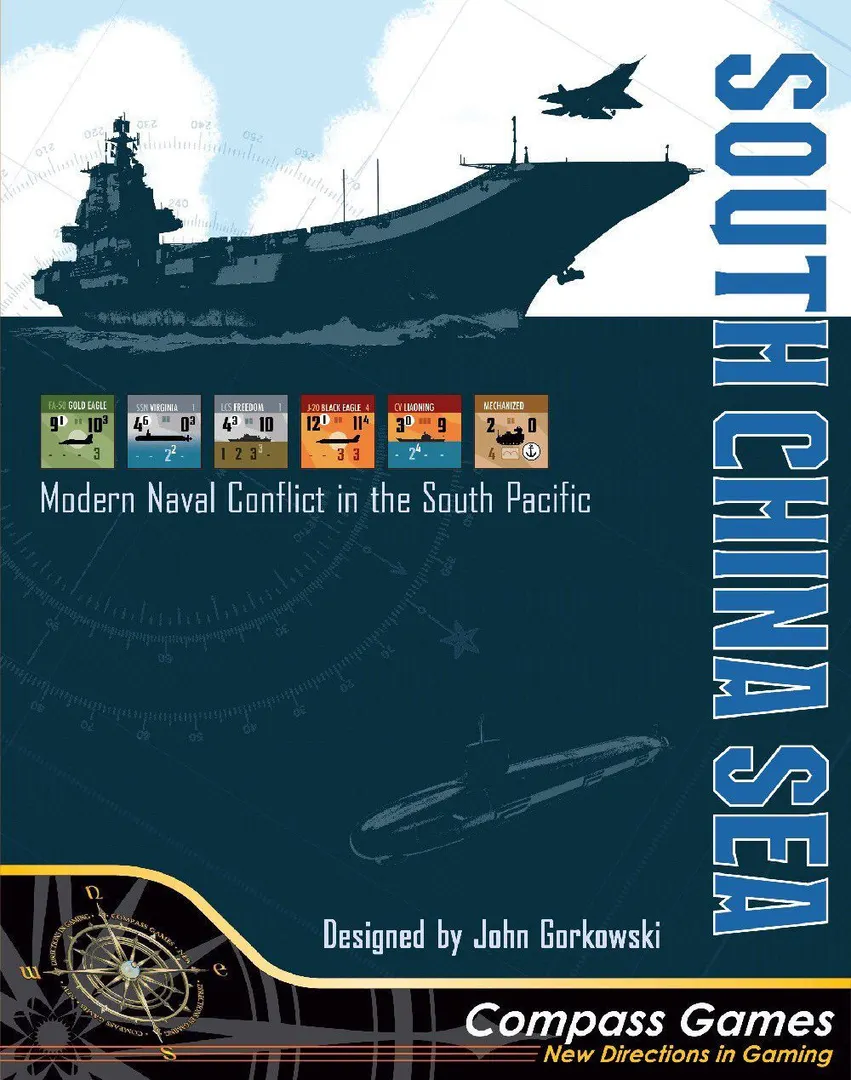
South China Sea: Modern Naval Conflict in the South Pacific
- 2–3 players
- 120–240 min
- Complexity 2.9/5
- 2017
2018
Rules assistance for The Great Game: Rival Empires in Central Asia 1837-1886
Plain-language explanations of turns, card effects and disputed situations, with official source references and saved question history.
For 2 players
What would you like to know?
Answers come from the official rulebook, with the page to check.
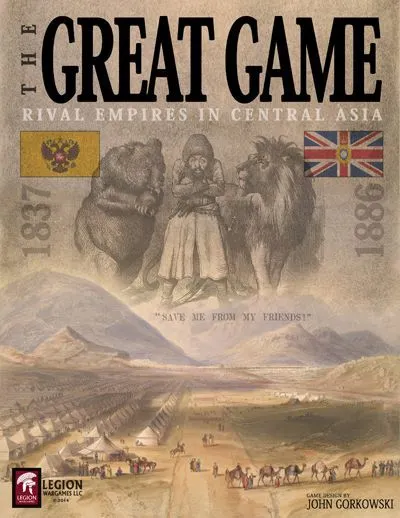
The Great Game: Rival Empires in Central Asia 1837-1886 is a board game released in 2018 for 2 players and 120–180 minutes per game. It was designed by John Gorkowski and its main mechanics are Dice Rolling, Point to Point Movement, and Area Majority / Influence.



(from the company website) The Great Game recreates the 19th Century Anglo-Russian struggle for supremacy in Central Asia. In the actual contest, Tsarist Russia resented British expeditions into the Steppe Khanates while Victorian Britain feared that Russian entreaties to Persia and Afghanistan would jeopardize India's security. So the two imperial powers wove a complex tale of diplomatic intrigue, colonial conquest and proxy wars that spanned 50 years. In the game, players alternate moving officers (historical personalities) and troops across a point-to-point map of Central Asia in yearly turns. Imperial powers strive to enlist vassal states such as Afghanistan and Bokhara into their camp through diplomacy or combat. Vassals offer troops and tribute to their imperial patron. But there's a twist, vassals closest to Russia prefer alliance with Britain while those closest to India prefer Russia, so an engaging game of move-counter move unfolds across the chessboard of Central Asia. Random events such as the Crimean War, Sepoy Mutiny and American Civil War intrude to make each game different.
The Great Game: Rival Empires in Central Asia 1837-1886 supports 2 players according to the catalogue. This is the publisher’s listed player count, so the game is designed for exactly that number of participants. Variants for other group sizes, if any, are described in the rulebook of your edition, so check it before setting up a different configuration.
The listed playing time for The Great Game: Rival Empires in Central Asia 1837-1886 is 120–180 minutes. This is the publisher’s estimate for a full game. The actual duration depends on the group, the player count and familiarity with the rules: first sessions usually run longer, while experienced groups often finish faster. Setup and teaching time are not included in this estimate.
The Great Game: Rival Empires in Central Asia 1837-1886 has a complexity rating of 2.1 out of 5 from BoardGameGeek players, which makes it a medium-light game. The rating reflects how much rules knowledge, planning and decision-making a typical game demands. Expect a longer first teach for heavier games, and use a preparation guide before game night.
The Great Game: Rival Empires in Central Asia 1837-1886 belongs to these categories: Wargame, Political, and Post-Napoleonic. Its main mechanics are Dice Rolling, Point to Point Movement, and Area Majority / Influence. Categories describe the theme and setting of a game, while mechanics describe what players actually do on their turns. Each mechanic links to a catalogue hub with similar games, which helps when you want something comparable.
The credited designers of The Great Game: Rival Empires in Central Asia 1837-1886 are: John Gorkowski. These credits come from the published game data and name the people responsible for the game’s design, not its illustrators or publishers. Designer pages on MeepleRules collect other titles by the same designers, which helps when you enjoy a game and want to find similar ones.
The catalogue lists The Great Game: Rival Empires in Central Asia 1837-1886 as a base game. It can be played on its own with the components in the box and does not require any other title. Expansions, if any exist, add new content or rules on top of it and are listed separately in the catalogue with a link back to this base game.