

- BGG rank
- BGG #660
- BGG rating
- 7.6
Labyrinth: The War on Terror, 2001 – ?
- 1–2 players
- 180 min
- Complexity 3.7/5
- 2010

2026
Rules assistance for The Weimar Republic: Political Struggle in Germany, 1919-1933
Plain-language explanations of turns, card effects and disputed situations, with official source references and saved question history.
For 1 player
What would you like to know?
Answers come from the official rulebook, with the page to check.
The Weimar Republic: Political Struggle in Germany, 1919-1933 is a board game released in 2026 for 1–4 players, 90–480 minutes per game, and ages 14 and up. It was designed by Gunnar Holmbäck and its main mechanics are Hand Management, Dice Rolling, and Area Majority / Influence.
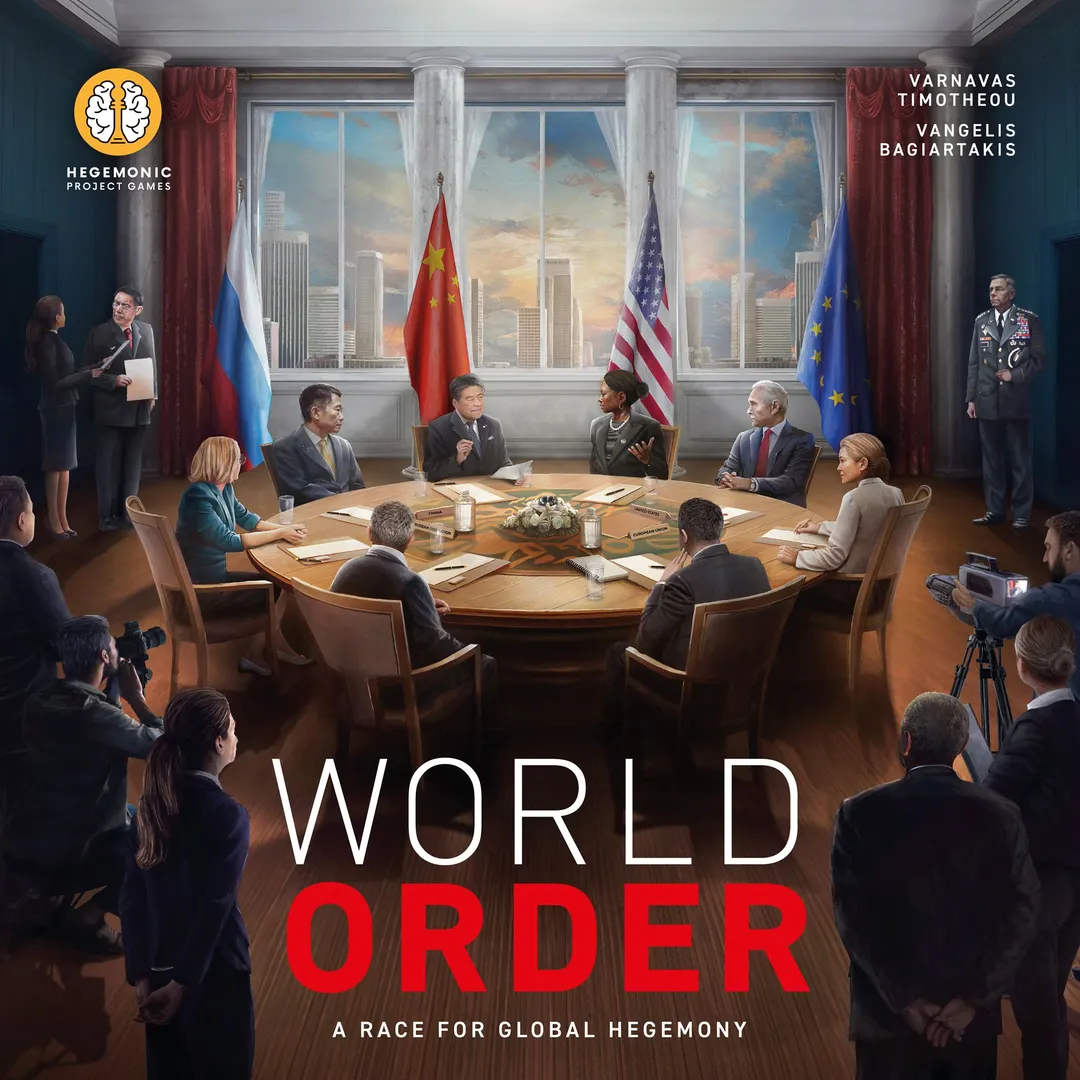


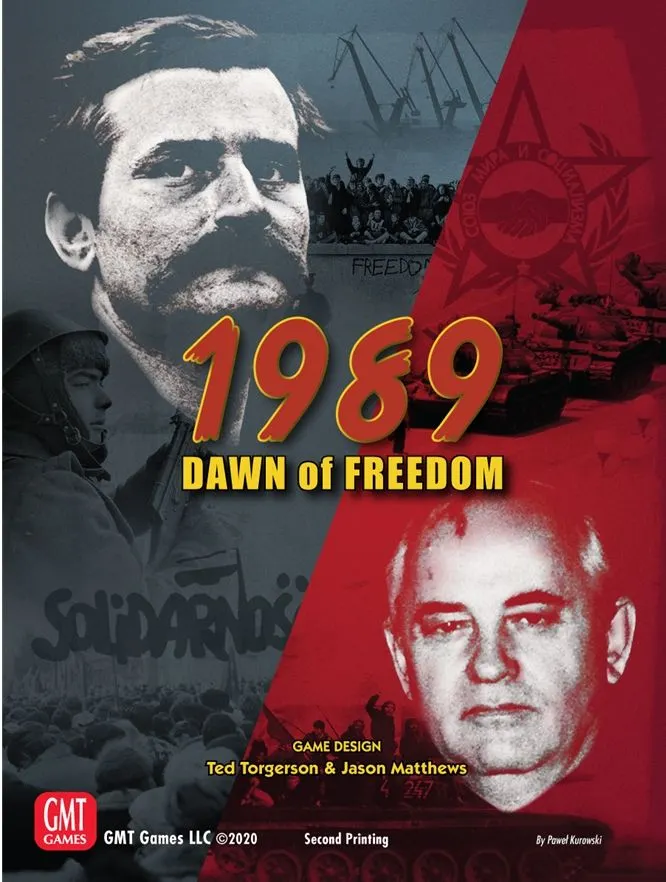
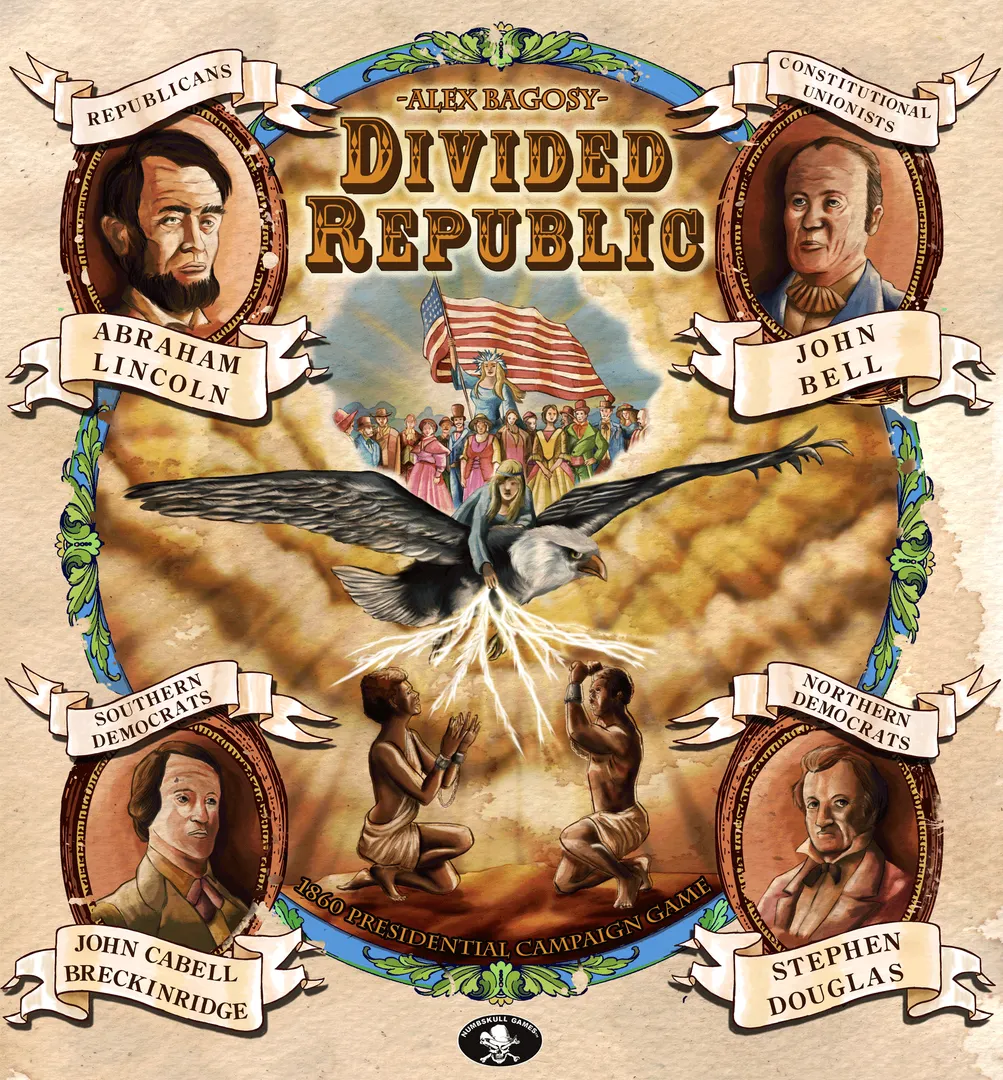

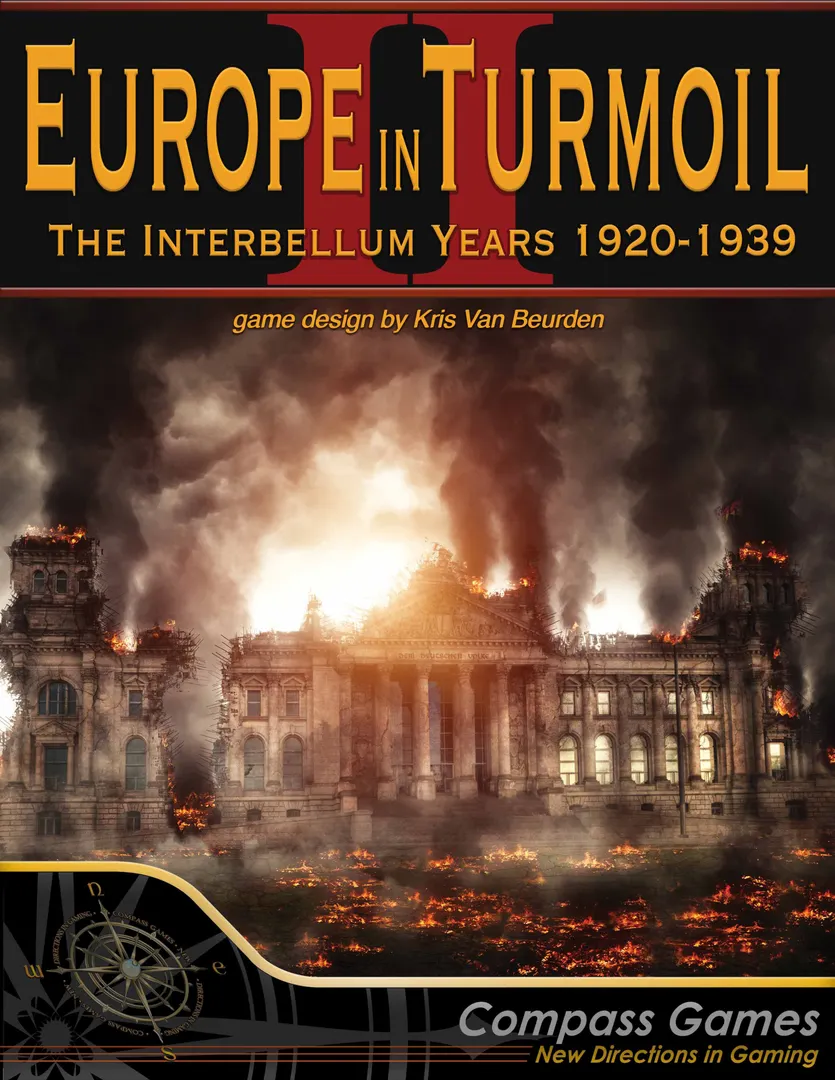


January 19, 1919. The Great War is over, the Kaiser has abdicated, and Germany is on its knees. After suffering a humiliating loss at the hands of the Allied nations, the former Great Power is now confronted not only with the death of millions of its citizens, but also with a severe economic crisis and a political turmoil that threatens to plunge the entire nation into civil war. The November Revolution of 1918 ushered in a new era of liberal democracy in a country traditionally ruled by noblemen warriors. The first democratic election has now been held, but democracy’s enemies are numerous, and the future of the fledgling Republic appears grim. No one can tell whether the democratic Coalition will prevail or whether any of the extremist factions will rise out of the chaos and seize power. One thing is perfectly clear, however: the coming years will not be remembered for their peace and stability. The Weimar Republic is a Card Driven Game of political struggle in interwar Germany. Four factions compete for dominance: the democratic Coalition, the Soviet-backed Communist Party, Hitler’s National Socialists, and the far-right Radical Conservatives. The game follows a timeline of 15 years (1919-1933) with two rounds in each year. During a round, players take turns using their faction-specific abilities to increase their influence in Germany’s regions and major cities, to maneuver the political landscape of the Republic, and to dominate through a combination of propaganda, parliamentary elections, street violence, economic influence, and ideological zeal. Typical actions include agitation, reforms, recruitment and deployment of fighting men, strikes, uprisings, assassinations, and coups. General and regional elections are held at irregular intervals throughout the game, potentially shifting local power balances in sometimes radical ways. The timeline moves through three distinct eras, each with its own deck of event cards. There are also several special cards like Elections and Parliamentary Control Cards. Gameplay is fast-paced; initiative flows back and forth, and the direction of the game may change rapidly and unexpectedly. Although competition between the factions is fierce, some of the faction-specific mechanics overlap, and players can often take advantage of each other--including the making and unmaking of alliances. The Weimar Republic includes scenarios ranging in length from 3 to 8 hours and a special tutorial scenario that can be played by new players in only 90 minutes. Victory is absolute and generally achieved through “sudden death”; there is no final scoring or adding up of different objectives. Each faction can be replaced by a "bot" player, allowing 1-4 players to play with any combination of factions.
The Weimar Republic: Political Struggle in Germany, 1919-1933 supports 1–4 players according to the catalogue. This range comes from the publisher’s listed player count, so the game can be set up for any group size within it. Some setups, rules and scoring details may still vary by player count, so check your edition’s rulebook for the exact configuration.
The listed playing time for The Weimar Republic: Political Struggle in Germany, 1919-1933 is 90–480 minutes. This is the publisher’s estimate for a full game. The actual duration depends on the group, the player count and familiarity with the rules: first sessions usually run longer, while experienced groups often finish faster. Setup and teaching time are not included in this estimate.
The catalogue lists The Weimar Republic: Political Struggle in Germany, 1919-1933 for ages 14 and up. This is the publisher’s recommendation and reflects reading demands, rule complexity and small components rather than theme alone. Younger players can often join with help from an adult, so check the age guidance on your edition and consider your group’s experience with board games.
The Weimar Republic: Political Struggle in Germany, 1919-1933 has a complexity rating of 3.6 out of 5 from BoardGameGeek players, which makes it a medium-weight game. The rating reflects how much rules knowledge, planning and decision-making a typical game demands. Expect a longer first teach for heavier games, and use a preparation guide before game night.
The Weimar Republic: Political Struggle in Germany, 1919-1933 belongs to these categories: Economic and Political. Its main mechanics are Hand Management, Dice Rolling, and Area Majority / Influence. Categories describe the theme and setting of a game, while mechanics describe what players actually do on their turns. Each mechanic links to a catalogue hub with similar games, which helps when you want something comparable.
The credited designers of The Weimar Republic: Political Struggle in Germany, 1919-1933 are: Gunnar Holmbäck. These credits come from the published game data and name the people responsible for the game’s design, not its illustrators or publishers. Designer pages on MeepleRules collect other titles by the same designers, which helps when you enjoy a game and want to find similar ones.
The catalogue lists The Weimar Republic: Political Struggle in Germany, 1919-1933 as a base game. It can be played on its own with the components in the box and does not require any other title. Expansions, if any exist, add new content or rules on top of it and are listed separately in the catalogue with a link back to this base game.